In a world increasingly saturated with visual noise and overstimulation, the subtle power of restraint has emerged as a guiding principle for design that fosters trust. ZeroSpectacle design embodies this ethos, deliberately minimizing unnecessary embellishments, flamboyant visuals, and intrusive interactions in favor of clarity, coherence, and user-centered simplicity. The premise is straightforward yet profound: when users are not distracted by spectacle, they can focus on the substance, understanding, and reliability of the interface or product before them. Trust, in this context, is less about emotional stimulation and more about predictability, transparency, and a sense of control. Users develop confidence when they can anticipate outcomes, navigate interfaces with ease, and interact with systems that do not exploit attention for the sake of novelty. ZeroSpectacle design reframes the user experience by prioritizing function over form in a measured, thoughtful way.
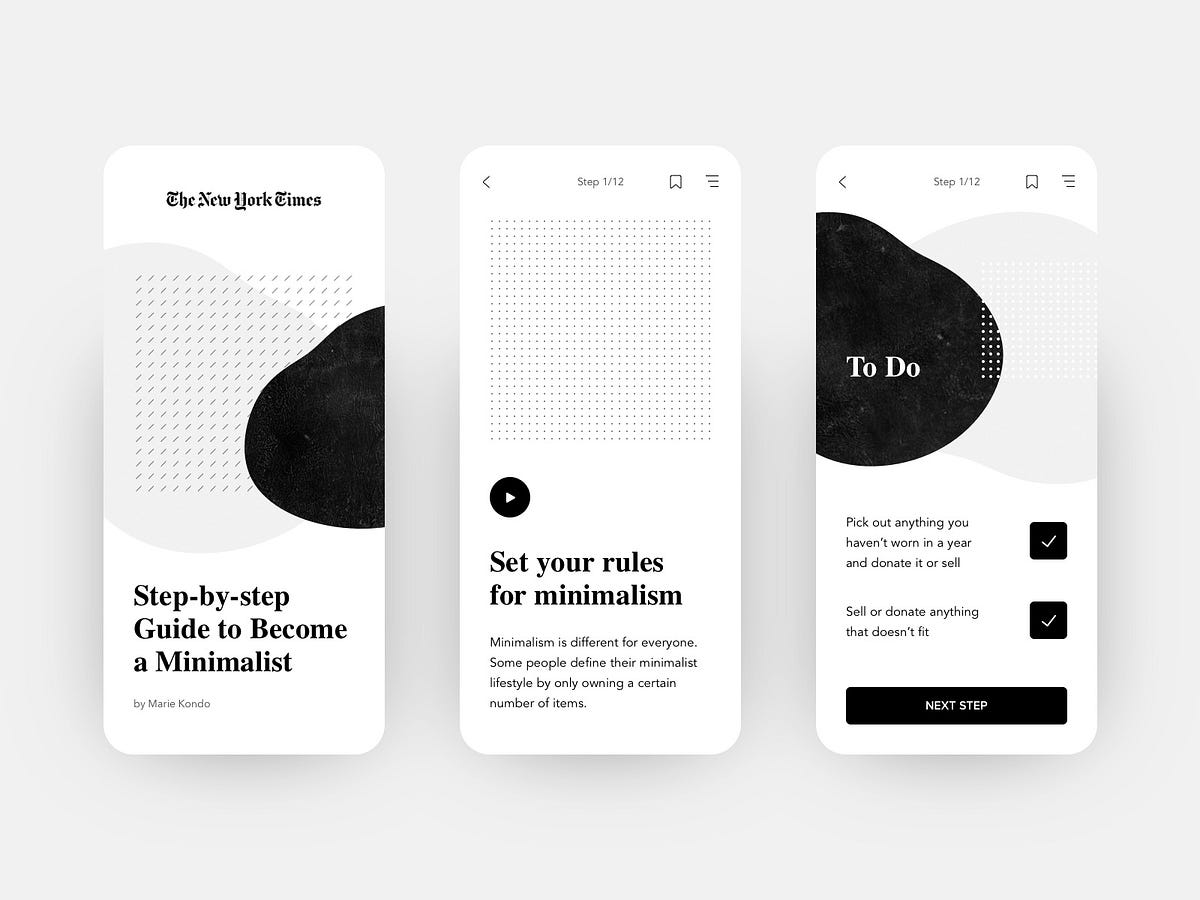
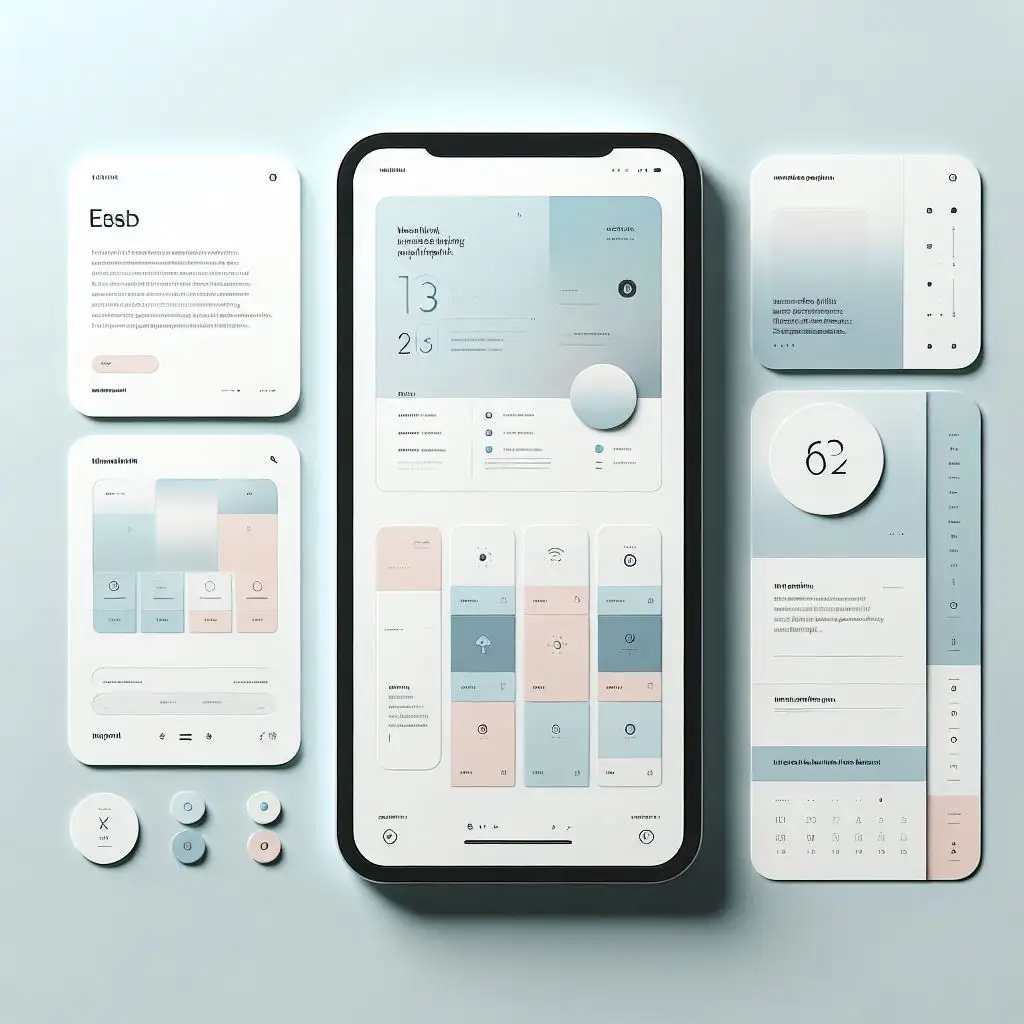
At the heart of this approach is an emphasis on clarity. Every element included in a product or interface is intentional, serving a clear purpose and supporting user comprehension. Buttons, menus, text, and notifications are stripped of unnecessary stylistic flourishes that might otherwise confuse or overwhelm. This economy of design reduces cognitive load, allowing users to concentrate on their tasks rather than decipher visual complexity. In digital applications, this can manifest as a restrained color palette, consistent typography, and the deliberate placement of elements to guide focus naturally. The absence of decorative distractions fosters a calm, rational space where users can trust that what they see is functional, relevant, and meaningful.
Predictability is another pillar of trust in ZeroSpectacle design. Interfaces are structured to behave consistently, reinforcing user expectations and reducing uncertainty. Interactions that follow established patterns, combined with transparent feedback mechanisms, create a sense of reliability. Users come to understand not only how a system works but also what outcomes their actions will produce. When each interaction behaves as anticipated, users feel confident in navigating the system, making decisions, and completing tasks. This consistency extends to both visual and functional elements, ensuring that users are never caught off guard by sudden shifts, hidden options, or unpredictable behaviors.
A core principle of ZeroSpectacle design is transparency. Users gain trust when they can clearly see the logic behind processes, the flow of information, and the impact of their actions. In practical terms, this means providing clear instructions, informative labels, and unambiguous feedback. For example, if a system processes user data, it should communicate how that data is used without resorting to flashy explanations or overwhelming legal jargon. Transparency eliminates the uncertainty that often fuels skepticism, allowing users to form informed judgments and develop confidence in the system’s integrity. When design choices reveal rather than obscure intent, the user’s sense of trust is naturally reinforced.
Simplicity, in this context, does not mean impoverished or minimalistic for its own sake. Instead, it reflects a deliberate reduction to what is essential, creating a hierarchy of information that emphasizes relevance and utility. Interfaces should support users in achieving their goals efficiently, without requiring them to sift through superfluous content or navigate convoluted pathways. By focusing on the essential, ZeroSpectacle design ensures that users experience both clarity and efficiency. This focus also communicates respect for the user’s time and attention, which in itself is a foundation for trust. When a product or service demonstrates that it values user needs over stylistic indulgence, the bond between user and system deepens.
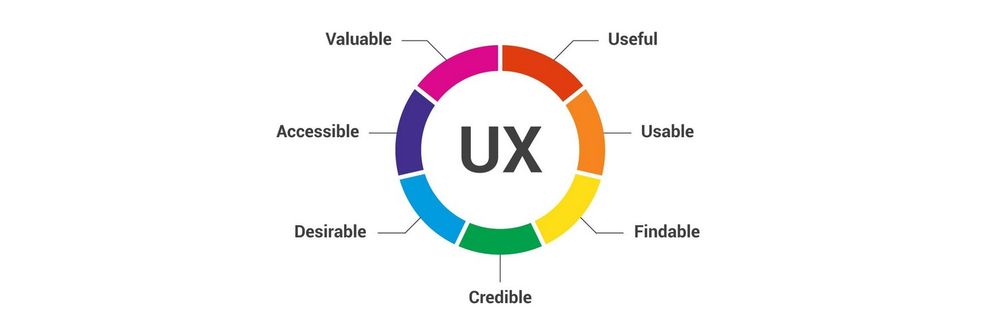
Accessibility plays a complementary role in building trust through ZeroSpectacle design. By eliminating unnecessary visual clutter, systems can accommodate a wider range of users, including those with visual impairments or cognitive differences. Clear contrasts, intuitive navigation, and logical layouts enhance usability for everyone, signaling that the design is inclusive, considerate, and dependable. A design that is universally approachable fosters confidence because users recognize that the system has been thoughtfully constructed to serve their needs without relying on gimmicks or spectacle to capture attention. Reliability, in this sense, is both functional and ethical.
The emotional dimension of trust is equally influenced by restraint. Spectacle often evokes immediate excitement or curiosity, but such effects are fleeting and can create a sense of instability if overused. By contrast, restrained design fosters calm, measured engagement. Users feel in control, capable of making decisions without manipulation or distraction. This emotional stability contributes to a sustained perception of trustworthiness. People are naturally inclined to trust systems that feel reliable, comprehensible, and non-intrusive. By avoiding sensational elements, ZeroSpectacle design prioritizes long-term confidence over transient appeal, creating a foundation for enduring relationships between users and the systems they rely upon.
Feedback mechanisms within ZeroSpectacle design are straightforward and predictable, reinforcing the overall sense of dependability. Notifications, alerts, and progress indicators are presented clearly, without exaggeration or embellishment. Users receive the information they need to adjust their actions or understand system states without the interference of flashy animations or dramatic sounds. This approach respects user intelligence, fostering a perception that the system communicates honestly and without pretense. Consistent feedback reassures users that their actions are acknowledged and meaningful, further strengthening the sense of trust that emerges from transparent, restrained design.
Another dimension of ZeroSpectacle design involves the careful management of choice. While modern interfaces often bombard users with options, menus, and prompts, a restrained approach presents choices in a measured, digestible manner. By organizing options logically and eliminating unnecessary alternatives, users can make informed decisions efficiently. This clarity reduces decision fatigue, which can otherwise erode confidence and trust. A system that guides users with intelligence rather than spectacle communicates competence and integrity, fostering a sense of partnership between user and product.
Ultimately, ZeroSpectacle design is a philosophy that champions substance over style, clarity over complexity, and transparency over theatricality. By reducing visual noise, ensuring consistency, providing clear feedback, and emphasizing essential content, this approach cultivates trust organically. Users come to perceive systems as dependable, intelligible, and considerate, which in turn encourages engagement and loyalty. Trust built in this way is resilient, not contingent on novelty or excitement, and it lays the foundation for meaningful, sustained relationships between people and the technologies they use. In a landscape saturated with attention-grabbing distractions, the quiet confidence of ZeroSpectacle design offers a compelling alternative, demonstrating that trust is earned not through spectacle but through thoughtful, deliberate, and restrained design choices that prioritize the user at every turn.



Be First to Comment