Skip to content

Tag: gambling

DesignForDistance Preserves Neutrality

In the realm of digital interaction, the concept of maintaining neutrality has become increasingly significant. DesignForDistance prioritizes the careful orchestration of elements in a way that fosters a sense of impartiality and objectivity, enabling users to engage without the interference of overt bias. This approach acknowledges that perception is heavily influenced by spatial and cognitive distance, where the way information is presented can subtly affect interpretation and emotional response. By intentionally structuring the interface, content, and interaction pathways, it becomes possible to create an environment where decisions are guided more by facts and logic than by unintentional persuasion or emotional manipulation.

One of the fundamental principles in this framework is the strategic placement of elements. Visual and informational separation ensures that users can process each component independently. For instance, spacing between decision points and critical content reduces the likelihood of conflated judgments, allowing each piece of information to be considered on its own merit. This not only supports neutrality but also enhances comprehension, as cognitive load is managed through thoughtful design. Furthermore, consistency in spacing, typography, and visual hierarchy reinforces a stable environment, reducing the chance that subtle cues might skew perception.

Color usage is another essential aspect in preserving neutrality. Certain hues carry intrinsic emotional connotations, and while color can be a powerful tool for emphasis or guidance, it can also inadvertently bias users. DesignForDistance advocates for a palette that minimizes emotional triggering, instead favoring muted, balanced tones that communicate information without eliciting strong affective reactions. The careful modulation of contrast ensures legibility while maintaining a sense of calm, fostering an environment in which users can make judgments that are rational and informed rather than impulsive.

Textual presentation must also adhere to principles of clarity and impartiality. Language should be precise, devoid of loaded terms, and structured in a way that communicates facts clearly. Sentence length, punctuation, and syntax are calibrated to facilitate comprehension without leading the reader toward a predetermined conclusion. Neutral phrasing avoids the pitfalls of persuasive or emotive wording, allowing the content to stand as a reliable source of information. This is particularly vital in contexts where decisions have tangible consequences, as any perceived bias can undermine trust and lead to unintended behavioral outcomes.

Interactivity, a cornerstone of modern digital experiences, must be designed to support neutrality rather than compromise it. Interactive elements should afford users the freedom to explore options without nudging them toward particular choices. This involves minimizing default selections, providing clear pathways for exploration, and avoiding gamification techniques that exploit cognitive biases. By fostering autonomy, DesignForDistance empowers users to engage on their terms, reinforcing a sense of impartiality while promoting informed engagement. Feedback mechanisms are similarly calibrated to maintain objectivity, offering confirmations or data points without embellishment or emotionally charged reinforcement.

The concept extends beyond the interface itself to include the broader context of user experience. Environmental factors, such as the timing and sequence of information presentation, can subtly influence perception. Staggered disclosure, where information is revealed incrementally, allows users to absorb and reflect on content without being overwhelmed or guided by initial impressions. Similarly, adaptive pacing, which responds to user engagement patterns, ensures that attention is allocated thoughtfully, supporting deeper consideration and reducing the likelihood of hasty, biased responses.

Accessibility is another critical consideration in preserving neutrality. Ensuring that all users, regardless of cognitive or sensory differences, can access and interpret information equitably is fundamental. DesignForDistance integrates accessibility from the outset, creating inclusive interfaces that prevent the marginalization of certain groups and reduce the risk of inadvertent bias. This involves thoughtful implementation of text alternatives, screen reader compatibility, and flexible navigation structures, all aimed at leveling the playing field so that neutrality is preserved across diverse user populations.

Data visualization, often a focal point in decision-making platforms, is treated with particular care. Charts, graphs, and other visual summaries must convey information accurately without exaggeration or selective emphasis. Scaling, axis representation, and the choice of metrics are carefully considered to prevent misinterpretation. Annotations and explanatory notes are presented without editorializing, allowing users to draw conclusions based on transparent data rather than interpretive framing. This approach reinforces trust in the information presented while safeguarding against the introduction of bias through visual rhetoric.

The psychological dimension of distance is leveraged intentionally. By creating a sense of detachment, users are encouraged to evaluate content objectively. Subtle cues, such as spacing, alignment, and temporal pacing, contribute to this cognitive distancing, mitigating the influence of personal bias or social pressure. This careful orchestration fosters reflective engagement, where users weigh information thoughtfully, leading to decisions that are deliberate and measured.

Ultimately, DesignForDistance embodies a holistic philosophy of neutrality. It recognizes that every aspect of interface design, from visual arrangement to linguistic precision and interactive dynamics, carries the potential to influence perception. By consciously managing these factors, it is possible to create digital environments that support fair and balanced engagement, where decisions are grounded in reason rather than manipulation. The methodology acknowledges the complexity of human cognition and perception, designing with empathy and foresight to promote impartiality while respecting user autonomy.

This framework also anticipates the evolving landscape of user expectations. As individuals become increasingly aware of digital influence techniques, there is a growing demand for experiences that are transparent and trustworthy. DesignForDistance responds to this need by embedding neutrality as a core design ethic, ensuring that users can navigate, interpret, and act upon information confidently. It is not merely about avoiding bias; it is about cultivating an atmosphere of fairness, clarity, and respect, where the interface serves as a conduit for informed decision-making rather than an instrument of persuasion.

In practice, implementing DesignForDistance requires iterative testing and reflection. Observing how users interact with different configurations, measuring the impact of design choices on decision patterns, and refining approaches based on empirical evidence ensures that neutrality is not an abstract ideal but a tangible outcome. This continuous feedback loop reinforces the integrity of the experience, allowing the system to adapt while remaining true to its foundational principles.

Through meticulous attention to spatial arrangement, color, language, interactivity, pacing, accessibility, and data representation, DesignForDistance preserves neutrality across diverse contexts. It empowers users to approach content without undue influence, encouraging thoughtful analysis and independent judgment. The result is a digital ecosystem that honors objectivity, fosters trust, and upholds the ethical responsibility of design, ensuring that the pathways to engagement are as unbiased as the decisions they support.

By maintaining this delicate balance, DesignForDistance sets a standard for what impartial digital design can achieve. It demonstrates that neutrality is not passive but an active design choice, one that requires foresight, rigor, and a deep understanding of human behavior. In doing so, it creates a space where users can confidently engage, make decisions, and interact, knowing that their experience has been crafted to respect their autonomy, preserve fairness, and sustain objectivity at every turn.

The philosophy behind DesignForDistance ultimately reflects a commitment to ethical engagement, where technology serves to illuminate rather than manipulate, to clarify rather than obscure. It embodies a vision of digital interaction that values transparency, respects cognitive diversity, and places the user at the center of a fair and balanced experience. By embracing these principles, designers can ensure that neutrality is not an afterthought but the guiding force shaping every aspect of the digital environment, fostering trust, competence, and informed decision-making across the board.

Through this intentional and comprehensive approach, DesignForDistance demonstrates that preserving neutrality is not only possible but essential in contemporary digital design. It reinforces the notion that careful, empathetic, and evidence-based design choices can create spaces that honor user agency, reduce bias, and support rational engagement. In a world increasingly mediated by technology, such deliberate stewardship of experience is critical, providing a foundation upon which informed, unbiased, and reflective interaction can flourish.

This commitment to neutrality, embedded in every layer of design, ensures that users encounter information and options in a manner that is both fair and comprehensible. By managing cognitive and perceptual distance thoughtfully, designers can create systems that facilitate understanding, minimize misinterpretation, and uphold ethical standards. DesignForDistance thus represents more than a methodology; it is a guiding principle for creating digital experiences that prioritize clarity, equity, and the autonomy of every individual engaging with the system.

The implications extend across industries and platforms. From information-heavy dashboards to decision-making applications, from educational tools to interactive media, the careful cultivation of neutrality ensures that users are empowered to act based on merit rather than suggestion. Each design choice, from micro-interactions to macro-structural layout, contributes to an ecosystem where objectivity is the default, and trustworthiness is tangible. By embedding these values into the core of digital experience, DesignForDistance exemplifies a standard of design that is conscientious, principled, and user-centered, setting the stage for a more balanced and reflective engagement with technology.

Through the consistent application of these strategies, DesignForDistance not only preserves neutrality but elevates it as a hallmark of responsible and ethical digital design. It reminds us that neutrality is not an absence of influence but the presence of deliberate structure, thoughtful pacing, and considered presentation. It champions an approach where users can confidently navigate complex information landscapes, make reasoned decisions, and engage with content on their own terms, knowing that the design itself supports fairness, clarity, and impartiality at every stage.

By prioritizing spatial and cognitive distance, fostering clarity and accessibility, and meticulously calibrating visual, textual, and interactive elements, DesignForDistance establishes a framework that safeguards neutrality in a manner that is both practical and principled. It is a commitment to creating environments where decisions are informed, interactions are measured, and users are respected. In this way, neutrality becomes an actionable design outcome, one that upholds the integrity of digital engagement and empowers individuals to approach content with confidence, reflection, and autonomy.

The result is an interface and experience that embodies ethical stewardship of information, guiding users toward understanding without steering them toward judgment. DesignForDistance ensures that every interaction, every visual cue, every textual element contributes to a landscape of impartiality. It cultivates trust by demonstrating that the platform respects the user’s capacity for independent thought, reinforcing the importance of neutrality as both a design ethic and a practical standard.

Ultimately, DesignForDistance illustrates that neutrality in design is achievable through intentionality, consistency, and a deep respect for human cognition. By maintaining thoughtful distance—both visually and conceptually—designers create spaces where information is received on its own merits, interaction is guided by clarity rather than manipulation, and users are empowered to engage critically and independently. This philosophy ensures that neutrality is not merely aspirational but realized in every aspect of the digital experience, establishing a foundation for trust, ethical engagement, and informed decision-making across a wide spectrum of applications.

Through this lens, neutrality becomes a living principle, embedded in the architecture, interaction, and language of the digital environment. It exemplifies how deliberate design choices, grounded in empathy and cognitive insight, can create systems that respect user agency, reduce bias, and promote reflective engagement. DesignForDistance, in preserving neutrality, demonstrates that technology can facilitate understanding without coercion, guidance without manipulation, and engagement without compromise, offering a model for ethical and responsible digital design that prioritizes the autonomy and integrity of every user.

By consistently applying these principles, DesignForDistance provides a framework that not only maintains impartiality but enhances user trust and confidence. The deliberate orchestration of distance, clarity, accessibility, and measured interaction ensures that content is approached thoughtfully, that decisions are made deliberately, and that the overall experience remains balanced. In doing so, it underscores the essential role of neutrality in fostering environments where engagement is fair, information is transparent, and users are empowered to navigate complex digital landscapes with assurance and clarity.

Image
Image
Image
Image
Image
Image
Image
Image
Image

YieldFriendly Order Encourages Balance

In the rhythm of everyday life, balance often emerges not as a sudden revelation but as the result of careful attention to how actions, decisions, and environments interact. The gentle structuring of routines, the mindful ordering of priorities, and the considered pace of progress collectively create a framework in which productivity, well-being, and satisfaction can coexist. When systems are designed to yield rather than push, they foster an atmosphere in which balance becomes attainable without effortful strain or resistance. In such an environment, individuals are guided not by arbitrary pressure but by an inherent encouragement to maintain equilibrium, allowing both work and personal life to unfold in harmonious tandem.

Consider the subtleties of task management. A schedule that acknowledges human limitations, offering natural pauses and flexible sequencing, can prevent the compounding of stress that arises from rigid structures. Yielding order, in this sense, does not equate to disorder; rather, it recognizes the value of adaptability and responsiveness. By sequencing activities to allow breathing room, the flow of energy remains steady, reducing burnout and enhancing focus when attention is required. The interplay between structured guidance and autonomy ensures that productivity is supported without imposing undue burden, and individuals are more likely to engage with tasks attentively and creatively.

Similarly, in social interactions and collaborative environments, balance is nurtured when order respects the natural rhythm of human engagement. In meetings, conversations, and project workflows, a yield-friendly approach prioritizes listening, reflection, and equitable contribution over domination or speed. This encourages inclusivity and mitigates the risk of decision fatigue, allowing participants to process information and respond thoughtfully. The emphasis shifts from immediate results to sustained engagement, fostering relationships and collaborative outcomes that are resilient and coherent over time. By tempering urgency with consideration, spaces are created where individuals feel valued and interactions unfold with a sense of fairness and predictability.

Technology, too, benefits from yield-oriented design. Systems that anticipate user needs, minimize friction, and guide interactions subtly promote balance between efficiency and cognitive load. When digital platforms are structured to avoid overwhelming users, presenting information in digestible segments and signaling progress without pressure, they reduce mental strain while maintaining functional clarity. Features such as customizable alerts, context-sensitive recommendations, and adaptive interfaces align with natural usage patterns, encouraging users to engage in a controlled, comfortable rhythm. The result is a smoother experience in which technology supports human priorities without imposing artificial constraints or accelerating demands unnecessarily.

Financial planning exemplifies the importance of balance within structured frameworks. Strategies that emphasize measured growth, risk awareness, and flexible allocation allow individuals to achieve objectives without overexertion. By adopting a yield-friendly perspective, financial decisions are approached with attention to sustainability rather than immediate gain. This promotes confidence and steadiness, enabling individuals to respond effectively to unforeseen challenges while preserving long-term stability. The principle of yielding order manifests here as a disciplined yet adaptable approach, highlighting the intersection between prudence and opportunity.

In health and wellness, similar principles apply. Exercise routines that integrate rest periods, gradual progression, and attention to bodily signals exemplify how yield-oriented order enhances sustainability. Nutrition plans that encourage mindful choices rather than rigid restriction support long-term adherence and physical equilibrium. Mental well-being is reinforced when schedules include reflective pauses, recreational engagement, and deliberate detachment from overstimulation. The overarching theme is that balance thrives when external structures are responsive to intrinsic needs, and yielding guidance offers a scaffolding within which individuals can cultivate resilience and holistic vitality.

Education and learning environments also benefit from this approach. Curricula that pace content delivery according to comprehension and retention rates, rather than arbitrary timelines, enable deeper understanding and reduce cognitive overload. Instructional strategies that incorporate incremental challenges, reflective practice, and feedback loops create conditions where learners can engage meaningfully and retain knowledge effectively. The yield-friendly order does not simplify complexity indiscriminately but structures learning in a manner that honors the learner’s capacity to absorb, process, and apply information with confidence.

Even in creative endeavors, balance is facilitated by structures that encourage experimentation without the fear of immediate judgment or failure. Artists, writers, and innovators flourish when the environment allows for iterative exploration, constructive feedback, and temporal flexibility. Yielding order here becomes an ally, guiding the creative process while permitting the natural emergence of originality and insight. The tension between structure and freedom is resolved through thoughtful scaffolding that amplifies potential rather than constraining it.

Leadership and organizational dynamics are profoundly influenced by yield-oriented principles. Leaders who model patience, provide clear frameworks, and encourage autonomous problem-solving cultivate teams that are adaptive, motivated, and resilient. Policies and procedures that offer guidance without rigidity foster an environment in which initiative is rewarded and responsibility is clear. By yielding control strategically, leadership nurtures ownership and engagement, enhancing both morale and performance. Balance becomes not merely an abstract goal but a tangible characteristic of daily operations.

In daily living, personal habits and environmental design reflect the same philosophy. Homes and workspaces arranged to minimize unnecessary friction, routines that account for energy fluctuations, and tools that facilitate smooth transitions between tasks all contribute to a sense of equilibrium. Time management approaches that prioritize essential activities while allowing for flexibility prevent the destabilization that arises from overcommitment. The accumulation of small, thoughtful choices in these domains produces a steady, sustainable rhythm that supports overall life satisfaction.

Ultimately, the essence of yield-friendly order lies in its recognition that balance is both a process and an outcome. It emerges when structures respect natural rhythms, when decisions are guided by awareness rather than compulsion, and when systems—social, technological, financial, educational, and personal—are designed to facilitate rather than dominate. This approach encourages a life in which activity and rest, action and reflection, engagement and detachment coexist harmoniously. By embracing principles that prioritize responsiveness, adaptability, and measured pacing, individuals and organizations alike can sustain equilibrium even amidst complexity and change. In this way, balance becomes not an occasional achievement but an enduring condition, quietly supported by the intelligent orchestration of yielding order.

ZeroSpectacle Design Builds Trust

In a world increasingly saturated with visual noise and overstimulation, the subtle power of restraint has emerged as a guiding principle for design that fosters trust. ZeroSpectacle design embodies this ethos, deliberately minimizing unnecessary embellishments, flamboyant visuals, and intrusive interactions in favor of clarity, coherence, and user-centered simplicity. The premise is straightforward yet profound: when users are not distracted by spectacle, they can focus on the substance, understanding, and reliability of the interface or product before them. Trust, in this context, is less about emotional stimulation and more about predictability, transparency, and a sense of control. Users develop confidence when they can anticipate outcomes, navigate interfaces with ease, and interact with systems that do not exploit attention for the sake of novelty. ZeroSpectacle design reframes the user experience by prioritizing function over form in a measured, thoughtful way.

At the heart of this approach is an emphasis on clarity. Every element included in a product or interface is intentional, serving a clear purpose and supporting user comprehension. Buttons, menus, text, and notifications are stripped of unnecessary stylistic flourishes that might otherwise confuse or overwhelm. This economy of design reduces cognitive load, allowing users to concentrate on their tasks rather than decipher visual complexity. In digital applications, this can manifest as a restrained color palette, consistent typography, and the deliberate placement of elements to guide focus naturally. The absence of decorative distractions fosters a calm, rational space where users can trust that what they see is functional, relevant, and meaningful.

Predictability is another pillar of trust in ZeroSpectacle design. Interfaces are structured to behave consistently, reinforcing user expectations and reducing uncertainty. Interactions that follow established patterns, combined with transparent feedback mechanisms, create a sense of reliability. Users come to understand not only how a system works but also what outcomes their actions will produce. When each interaction behaves as anticipated, users feel confident in navigating the system, making decisions, and completing tasks. This consistency extends to both visual and functional elements, ensuring that users are never caught off guard by sudden shifts, hidden options, or unpredictable behaviors.

A core principle of ZeroSpectacle design is transparency. Users gain trust when they can clearly see the logic behind processes, the flow of information, and the impact of their actions. In practical terms, this means providing clear instructions, informative labels, and unambiguous feedback. For example, if a system processes user data, it should communicate how that data is used without resorting to flashy explanations or overwhelming legal jargon. Transparency eliminates the uncertainty that often fuels skepticism, allowing users to form informed judgments and develop confidence in the system’s integrity. When design choices reveal rather than obscure intent, the user’s sense of trust is naturally reinforced.

Simplicity, in this context, does not mean impoverished or minimalistic for its own sake. Instead, it reflects a deliberate reduction to what is essential, creating a hierarchy of information that emphasizes relevance and utility. Interfaces should support users in achieving their goals efficiently, without requiring them to sift through superfluous content or navigate convoluted pathways. By focusing on the essential, ZeroSpectacle design ensures that users experience both clarity and efficiency. This focus also communicates respect for the user’s time and attention, which in itself is a foundation for trust. When a product or service demonstrates that it values user needs over stylistic indulgence, the bond between user and system deepens.

Accessibility plays a complementary role in building trust through ZeroSpectacle design. By eliminating unnecessary visual clutter, systems can accommodate a wider range of users, including those with visual impairments or cognitive differences. Clear contrasts, intuitive navigation, and logical layouts enhance usability for everyone, signaling that the design is inclusive, considerate, and dependable. A design that is universally approachable fosters confidence because users recognize that the system has been thoughtfully constructed to serve their needs without relying on gimmicks or spectacle to capture attention. Reliability, in this sense, is both functional and ethical.

The emotional dimension of trust is equally influenced by restraint. Spectacle often evokes immediate excitement or curiosity, but such effects are fleeting and can create a sense of instability if overused. By contrast, restrained design fosters calm, measured engagement. Users feel in control, capable of making decisions without manipulation or distraction. This emotional stability contributes to a sustained perception of trustworthiness. People are naturally inclined to trust systems that feel reliable, comprehensible, and non-intrusive. By avoiding sensational elements, ZeroSpectacle design prioritizes long-term confidence over transient appeal, creating a foundation for enduring relationships between users and the systems they rely upon.

Feedback mechanisms within ZeroSpectacle design are straightforward and predictable, reinforcing the overall sense of dependability. Notifications, alerts, and progress indicators are presented clearly, without exaggeration or embellishment. Users receive the information they need to adjust their actions or understand system states without the interference of flashy animations or dramatic sounds. This approach respects user intelligence, fostering a perception that the system communicates honestly and without pretense. Consistent feedback reassures users that their actions are acknowledged and meaningful, further strengthening the sense of trust that emerges from transparent, restrained design.

Another dimension of ZeroSpectacle design involves the careful management of choice. While modern interfaces often bombard users with options, menus, and prompts, a restrained approach presents choices in a measured, digestible manner. By organizing options logically and eliminating unnecessary alternatives, users can make informed decisions efficiently. This clarity reduces decision fatigue, which can otherwise erode confidence and trust. A system that guides users with intelligence rather than spectacle communicates competence and integrity, fostering a sense of partnership between user and product.

Ultimately, ZeroSpectacle design is a philosophy that champions substance over style, clarity over complexity, and transparency over theatricality. By reducing visual noise, ensuring consistency, providing clear feedback, and emphasizing essential content, this approach cultivates trust organically. Users come to perceive systems as dependable, intelligible, and considerate, which in turn encourages engagement and loyalty. Trust built in this way is resilient, not contingent on novelty or excitement, and it lays the foundation for meaningful, sustained relationships between people and the technologies they use. In a landscape saturated with attention-grabbing distractions, the quiet confidence of ZeroSpectacle design offers a compelling alternative, demonstrating that trust is earned not through spectacle but through thoughtful, deliberate, and restrained design choices that prioritize the user at every turn.

Image
Image
Image
Image
Image
Image
Image
Image
Image

ZonedCadence Maintains Focus

In the quiet hum of daily routines, there exists a subtle rhythm that guides attention and shapes productivity. This rhythm, often unnoticed, forms the backbone of focus and clarity, allowing the mind to navigate complex tasks without strain. Zoned cadence is the art of harnessing these natural patterns, structuring time and action so that each movement, each thought, flows into the next with minimal friction. By aligning with these inherent cycles, individuals find themselves immersed in their work, their attention sharpened and their capacity for sustained engagement enhanced. It is not a rigid structure but a flexible framework, adapting to both internal energy levels and external demands, creating a seamless interaction between intention and execution.

Every environment has its own tempo, influenced by light, sound, social cues, and even subtle changes in temperature. Recognizing these cues and aligning one’s actions accordingly is a cornerstone of maintaining focus. When the body and mind are synchronized with the surrounding rhythm, distractions lose their grip. Simple adjustments, such as pacing work intervals to coincide with peaks in energy, or structuring tasks around naturally occurring lulls, can transform a fragmented day into a coherent flow. The essence of zoned cadence lies in this sensitivity to timing, the ability to anticipate moments when attention will be most receptive, and to channel effort where it is most effective.

Attention itself is a finite resource, easily depleted when scattered across competing demands. Multitasking often masks this limitation, creating an illusion of productivity while actually fragmenting mental energy. Zoned cadence counters this by encouraging sequential engagement, one task at a time, with deliberate transitions. These transitions serve as micro-resets, brief pauses that refresh the cognitive apparatus and prevent burnout. By respecting the natural ebb and flow of mental energy, individuals can maintain clarity over extended periods, turning focus into a sustainable habit rather than a fleeting state.

The structure of zoned cadence is inherently layered. At its core is the principle of segmentation: breaking larger objectives into manageable intervals that align with cognitive peaks. Each segment is treated as a discrete zone of focus, bounded in time but rich in depth. Within these zones, distractions are minimized and resources are concentrated, producing a quality of engagement that is difficult to achieve under fragmented conditions. Over time, these zones accumulate into a broader rhythm, an internal clock that governs efficiency and reduces the mental friction that arises from constant task-switching.

Technology, while often blamed for eroding attention, can also support zoned cadence when used judiciously. Notifications, alerts, and digital prompts are reconfigured to respect the boundaries of focus zones. Tools that track progress, provide gentle reminders, or signal the end of an interval can reinforce the cadence, embedding it into daily habits. The key is intentionality: technology becomes an enabler of focus rather than a source of distraction. In this sense, zoned cadence is not merely a cognitive strategy; it is an interaction with the environment, both digital and physical, designed to preserve mental clarity.

The benefits of maintaining such cadence extend beyond efficiency. When attention is stable, perception deepens, allowing for more nuanced understanding and creativity. Complex problems become approachable as the mind has the bandwidth to explore alternatives, notice patterns, and synthesize insights. Stress diminishes, not through avoidance of challenges, but through the confidence that comes from orderly engagement. Focused intervals foster a sense of mastery, as tasks are completed deliberately and fully, creating tangible progress that reinforces motivation. In this way, zoned cadence transforms the experience of work from a series of fragmented efforts into a coherent narrative of achievement.

Adaptability is another essential component. Zoned cadence is not a rigid timetable but a responsive system, capable of adjusting to fluctuations in energy, priority, or circumstance. It requires self-awareness, the ability to gauge when a zone of focus is being stretched beyond its productive limit, and the wisdom to recalibrate. This adaptability prevents fatigue and ensures that effort remains aligned with capacity. The rhythm is maintained not through strict enforcement but through attunement, a continuous calibration between internal state and external conditions.

Cultivating such rhythm often involves rituals and cues that signal the start and end of focus zones. Simple actions—such as changing posture, adjusting lighting, or marking time with a timer—create psychological boundaries that enhance concentration. These rituals anchor attention, signaling the mind that a dedicated interval is underway. Equally important is the transition back into rest or reflection periods, where mental processing consolidates gains and prepares the system for the next interval. In this way, focus becomes a cycle rather than a constant, preserving energy while maximizing effectiveness.

Collaboration can also benefit from zoned cadence. Meetings, discussions, and shared projects are structured to respect individual rhythms, aligning collective attention with peak cognitive periods. Group focus zones reduce friction, enhance communication, and minimize the inefficiency that arises from misaligned attention spans. In this context, cadence extends beyond personal productivity, shaping the dynamics of teamwork and collective output. When each participant operates within their own zone while remaining attuned to the group rhythm, the interaction becomes fluid and purposeful.

Ultimately, the practice of zoned cadence is a commitment to intentionality in action. It is a recognition that attention is precious and that the structure of time profoundly influences mental performance. By respecting natural rhythms, segmenting effort, and creating adaptive environments, individuals sustain focus without undue strain. The approach fosters resilience, deep engagement, and a heightened sense of agency. Work becomes a series of meaningful intervals rather than an endless drain, and the mind is both productive and at ease.

Sustaining this focus is a continuous process. It requires observation, experimentation, and refinement, as no two days or tasks are identical. Patterns are noted, strategies are adjusted, and zones are recalibrated to reflect changing demands. Over time, a refined sense of rhythm emerges, an intuitive understanding of when and how focus is best applied. This intuitive attunement transforms the experience of effort, turning work into a practiced art where energy, attention, and intention converge seamlessly. Zoned cadence is not just a method; it is a lived practice that preserves clarity, enhances performance, and nurtures the mind’s natural capacity for sustained engagement.

WeightedNeutral Presentation Preserves Objectivity

In environments where information flows continuously and decisions must be made rapidly, maintaining a weighted neutral presentation becomes not just a stylistic choice, but a necessity for preserving objectivity. When communicating complex subjects, the approach of carefully balancing perspectives ensures that no single viewpoint disproportionately influences the audience’s understanding. This method is particularly critical in contexts where bias can distort perception, such as in reporting, analysis, policy discussions, or academic discourse. By consciously structuring communication to give appropriate weight to each perspective, one can foster a clearer and more accurate comprehension of multifaceted issues.

A weighted neutral presentation begins with a deliberate assessment of sources and content. It requires evaluating the credibility, relevance, and reliability of each piece of information before incorporating it into the narrative. Not all contributions are of equal significance; some arguments carry more empirical support, historical context, or logical coherence than others. Assigning weight involves recognizing these differences without allowing personal preference or external pressures to skew the representation. This approach demands a disciplined mindset, where objectivity is prioritized over persuasion or sensationalism, ensuring that the resulting communication reflects a genuine synthesis of available knowledge.

Clarity in language is another fundamental aspect. Using precise terminology and avoiding emotionally charged words helps prevent unintended bias. The goal is to present each viewpoint accurately, highlighting evidence and rationale while refraining from embellishment. In practice, this may involve presenting multiple interpretations of a dataset, contrasting theories, or exploring the implications of competing policies. The emphasis lies on demonstrating the merits and limitations of each perspective in a way that allows the audience to form informed judgments rather than being nudged toward a preordained conclusion.

Structuring content strategically is essential to maintaining neutrality. Organizing information in a way that foregrounds evidence, context, and comparative analysis helps prevent the dominance of any single perspective. Sequential presentation, where multiple viewpoints are introduced and examined with balanced scrutiny, can be effective. Additionally, providing explicit acknowledgment of areas of uncertainty, contested interpretations, or gaps in data enhances the credibility of the communication. Such transparency signals to the audience that the presenter values accuracy over persuasion and recognizes the complexity inherent in most issues.

Active engagement with counterarguments further strengthens objectivity. Instead of dismissing opposing viewpoints, a weighted neutral approach involves critically analyzing their foundations and implications. This process encourages deeper understanding and prevents the oversimplification of nuanced matters. By fairly representing alternative positions and weighing them appropriately against supporting evidence, communicators can foster more robust discussions and help audiences navigate complexity without falling prey to oversimplification or cognitive bias.

The role of evidence-based weighting cannot be overstated. Quantitative data, peer-reviewed research, historical precedent, and logical argumentation serve as anchors for assigning weight to different perspectives. Evidence serves as a stabilizing force, allowing the communicator to avoid overrepresenting sensational or anecdotal viewpoints. For example, in reporting economic trends, placing appropriate emphasis on statistically significant data rather than isolated incidents provides a more reliable picture. Similarly, in policy analysis, highlighting the outcomes of well-documented case studies rather than speculative projections ensures that the presentation remains grounded in verifiable reality.

Neutrality also encompasses ethical responsibility. Communicators wield influence over audience perception, and biased framing can have real-world consequences. By consciously applying weighted neutral methods, one respects the audience’s capacity to engage critically and independently. This approach aligns with principles of fairness, transparency, and integrity, reinforcing trust in both the message and the messenger. Maintaining neutrality requires vigilance, as unconscious biases, institutional pressures, or social dynamics can subtly shape content. Regular reflection, feedback, and peer review are valuable practices for mitigating these influences and sustaining objectivity over time.

Technological tools and data visualization can support neutral communication when used judiciously. Graphs, charts, and comparative tables can help illustrate proportional differences and highlight key trends without privileging a particular interpretation. However, designers and analysts must remain alert to the potential for visual bias. Choices in scaling, color coding, labeling, and framing can inadvertently emphasize certain outcomes over others. Applying the same weighting principles in visual representation as in textual narrative ensures that the overall presentation maintains fidelity to objective assessment rather than perceptual manipulation.

Contextual awareness enhances the effectiveness of weighted neutral presentation. Recognizing cultural, historical, or situational factors allows communicators to anticipate potential misinterpretations or oversights. By situating information within a broader framework, one can help audiences understand not just what is being presented, but why it matters and how it fits into larger patterns. This contextualization supports informed reasoning and guards against reductive conclusions that may arise when isolated facts are highlighted disproportionately.

Moreover, fostering a culture of critical engagement amplifies the benefits of neutral presentation. Encouraging questions, promoting discussion, and providing avenues for feedback allows audiences to interact with information actively rather than passively accepting it. This participatory approach not only reinforces objectivity but also cultivates analytical skills and discernment. Audiences become collaborators in the process of evaluation, applying their judgment to assess the weight of evidence and the legitimacy of competing viewpoints.

In practical terms, weighted neutral presentation is iterative and reflective. It requires ongoing evaluation of sources, reconsideration of emphasis, and adaptation to emerging information. It is not a static formula but a dynamic practice aimed at sustaining fairness and accuracy over time. As knowledge evolves, so too must the weighting of perspectives, ensuring that the communication remains aligned with the best available evidence and understanding. This adaptability is particularly important in rapidly changing fields such as science, technology, or global affairs, where premature conclusions can mislead and erode credibility.

Ultimately, the value of weighted neutral presentation lies in its capacity to empower informed decision-making. By presenting information with balanced emphasis, clarity, and transparency, communicators provide audiences with the tools to navigate complexity thoughtfully. Objectivity does not mean the absence of judgment but the careful calibration of judgment in proportion to evidence and relevance. This disciplined approach fosters trust, reduces susceptibility to manipulation, and enhances collective comprehension. Whether in journalism, policy, education, or professional analysis, applying weighted neutrality safeguards the integrity of the message while honoring the audience’s right to reason independently, promoting a more informed and thoughtful engagement with the world.

VarianceBuffered Design Calms Play

In the world of interactive experiences, user engagement often hinges on subtle cues that shape perception and influence behavior. When players navigate a platform where stakes and outcomes vary constantly, the perception of fairness and predictability becomes crucial. A system designed with variance-buffered principles inherently moderates extreme swings, ensuring that highs and lows remain within a comfortable range. This approach not only stabilizes emotional response but also promotes sustained interaction, as users feel guided rather than tossed unpredictably between extremes. By smoothing potential volatility, participants can approach the experience with a sense of security, knowing that outcomes are managed to avoid abrupt disruption.

Central to this design philosophy is the careful calibration of reward structures. Rather than relying solely on sporadic high payouts or drastic penalties, variance-buffered mechanisms distribute rewards in a manner that feels steady and measured. This creates a rhythm that subtly encourages longer sessions, as players perceive a continuity of opportunity rather than a sequence of abrupt, disjointed events. The cognitive impact of this approach is significant; when outcomes are buffered, the brain can process successes and failures without triggering intense emotional reactions. The result is a more reflective, engaged mindset that fosters sustained attention and thoughtful decision-making.

Transparency in outcome presentation is another key aspect. Clear indicators of potential results, combined with buffered variability, allow users to anticipate changes without experiencing anxiety. When players understand that fluctuations are moderated, they can focus on strategy and skill rather than being distracted by sudden, extreme results. This predictability is not about removing challenge or excitement; instead, it enhances the experience by making engagement feel fair and manageable. Users develop trust in the system, which is critical for retention and satisfaction, as trust reduces friction and builds a sense of comfort.

Designing for variance-buffered experiences also involves balancing immediacy with pacing. Instant feedback is valuable for reinforcing actions and maintaining attention, but when paired with moderated swings, it prevents overstimulation and emotional exhaustion. Users are able to process information and respond adaptively, leading to more intentional interactions. By controlling the amplitude of change, designers can create a consistent learning curve, allowing participants to adjust strategies progressively. This method supports mastery and skill development, fostering a deeper connection with the system as players perceive their actions having predictable, yet meaningful, impact.

Behavioral reinforcement plays a critical role within this framework. By buffering outcomes, designers can highlight positive behaviors and minimize discouragement from negative fluctuations. Rewards and feedback can be structured to reinforce learning and progress, rather than inducing volatility-driven stress. This not only maintains engagement but also encourages repeated participation. Players are more likely to experiment, explore, and refine approaches when the environment communicates stability and fair progression. The psychological effect of buffered variance is a calming influence, reducing the impulsive reactions that often arise from unpredictable systems and instead promoting thoughtful engagement.

The visual and auditory design elements can further support variance-buffered principles. Subtle cues, such as gentle animations or consistent tonal feedback, create an environment that signals reliability and moderation. When sensory elements align with the underlying mechanics, the perception of control is reinforced, enhancing player confidence. Consistency in design cues helps users internalize patterns, making navigation and decision-making more intuitive. By harmonizing interface design with buffered outcomes, the overall experience becomes cohesive, reinforcing the sense of calm and predictability.

Another dimension to consider is the role of social interaction within buffered environments. Shared experiences, such as cooperative challenges or competitive contexts, benefit from moderated variability because extreme swings can distort perceptions of fairness. Variance buffering ensures that social comparisons remain meaningful and equitable, maintaining trust among participants. This is particularly important in multiplayer contexts, where perceived imbalance can lead to frustration or disengagement. By maintaining controlled variability, designers create spaces where social dynamics can thrive without being undermined by erratic outcomes.

Cognitive load management is also enhanced by buffering variance. When users are presented with too much unpredictability, attention can scatter, leading to reduced focus and potential disengagement. Controlled variability allows the brain to anticipate changes without becoming overwhelmed, preserving mental bandwidth for strategy and decision-making. Players can engage more deeply, experiment with different approaches, and enjoy the intrinsic satisfaction of mastering the system. This cognitive ease reinforces positive associations and encourages longer, more deliberate interactions.

Moreover, variance-buffered design supports habit formation. Consistent, moderated experiences make it easier for users to integrate engagement into routines, as the predictability reduces anxiety and fosters comfort. Over time, repeated exposure to buffered outcomes strengthens behavioral patterns, enhancing retention and long-term involvement. This approach can also accommodate individual differences in tolerance for unpredictability, as the system provides a stable baseline while still allowing for occasional variation to maintain interest. By strategically managing the intensity of fluctuations, designers create an environment that is both stimulating and manageable, balancing novelty with reassurance.

The integration of adaptive mechanisms further complements this design philosophy. Systems that monitor user behavior and adjust variance dynamically can maintain optimal engagement levels. For instance, if a player experiences a streak of negative outcomes, subtle buffering can prevent discouragement while still preserving the integrity of the challenge. Conversely, positive streaks can be tempered to avoid excessive risk-taking or overconfidence. This adaptive buffering tailors experiences to individual patterns, enhancing satisfaction and maintaining equilibrium. The result is a personalized journey that feels responsive without being erratic, fostering deeper immersion and enjoyment.

Finally, the long-term impact of variance-buffered design extends beyond immediate engagement. Players who consistently encounter moderated experiences develop a sense of competence and agency. The controlled environment allows them to build skills, make informed choices, and experience progress without the disruption of extreme volatility. This nurtures intrinsic motivation, as users engage for the satisfaction of mastery rather than being driven by unpredictable highs or lows. Over time, the calm, measured approach to variability encourages a healthier, more sustainable relationship with the system, fostering loyalty, satisfaction, and a sense of achievement that is enduring rather than fleeting.

In essence, variance-buffered design transforms engagement from a reactive experience into a reflective one. By moderating extremes, reinforcing positive behaviors, managing cognitive load, and aligning sensory cues with mechanics, the system provides an environment where users feel in control, respected, and supported. The interplay of predictability and subtle variation creates a space where exploration, learning, and enjoyment coexist harmoniously. Participants are able to immerse themselves fully, experiencing challenges and rewards within a framework that promotes calm, thoughtful interaction. Through these carefully calibrated mechanisms, the design not only sustains attention but also cultivates a lasting, meaningful engagement, making every interaction feel deliberate, fair, and reassuring.

VoluntaryPausing Improves Control

In the digital landscape, control is often synonymous with clarity and calmness. Voluntary pausing represents a deliberate interruption in action, a conscious decision to momentarily step back and evaluate the current state before proceeding. This practice is not merely about halting activity; it is an intentional approach to managing responses, actions, and attention. By incorporating voluntary pauses into routines, individuals gain a structured opportunity to assess their environment, adjust behaviors, and recalibrate emotional states. In many ways, the pause becomes a tool for cognitive clarity, enhancing the ability to make deliberate choices rather than reactive ones.

The mechanics of voluntary pausing involve both mental and behavioral dimensions. Mentally, it requires recognition of the need to slow down and create a buffer between stimulus and reaction. Behaviorally, it manifests as brief intervals in which immediate responses are suspended, allowing a conscious examination of goals, intentions, and potential consequences. These moments of reflection are particularly valuable in high-stakes or complex situations, where hasty decisions can lead to suboptimal outcomes. By taking control of the pacing of action, individuals can reduce impulsivity and increase the precision of their choices, ultimately fostering a sense of mastery over circumstances rather than feeling swept along by them.

Emotionally, voluntary pausing offers a stabilizing influence. In situations of heightened stress or intense engagement, the mind and body can enter states of tension that narrow focus and accelerate reaction. Introducing a pause interrupts this momentum, providing an opportunity to regulate emotions and prevent escalation. During this interval, individuals can engage in micro-strategies such as deep breathing, brief mindfulness practices, or simple mental reframing, all of which serve to restore equilibrium. This regulation is crucial for maintaining control over both internal states and external interactions, reinforcing the principle that measured responses are often more effective than immediate reactions.

Cognitively, voluntary pausing enhances problem-solving and decision-making. When a pause is implemented, it creates a temporal space for reflection, allowing for the identification of patterns, recognition of assumptions, and evaluation of alternative approaches. The interruption encourages a shift from automatic, habitual responses to more deliberate, strategic thinking. Over time, this practice strengthens executive functions, including working memory, attentional control, and cognitive flexibility. By embedding pauses as a regular feature of mental processing, individuals cultivate an ability to navigate complexity with greater accuracy and foresight, improving both personal efficiency and the quality of outcomes.

Socially, voluntary pausing also influences interpersonal dynamics. Conversations, negotiations, and collaborative tasks often unfold under implicit pressures for immediate responses. By intentionally inserting pauses, individuals signal thoughtfulness and presence, demonstrating consideration for both their own perspective and that of others. These moments of intentional silence can serve as a buffer against miscommunication, reduce tension, and allow for more nuanced understanding. The pause acts as a mechanism to balance speaking and listening, creating space for reflection that improves mutual comprehension and fosters a more measured, cooperative interaction.

In professional contexts, voluntary pausing functions as a mechanism for maintaining operational control. For example, in high-pressure work environments, employees who incorporate brief pauses between tasks or decisions can prevent cognitive overload, reduce error rates, and maintain higher levels of situational awareness. Leaders who model this behavior set a tone of deliberate consideration, signaling that thoughtful analysis is valued over hasty action. By structuring workflow to include natural intervals for evaluation, organizations reinforce practices that promote accuracy, accountability, and measured progression toward objectives.

Technology interfaces also benefit from the principle of voluntary pausing. In digital tools designed to support productivity, features that encourage short breaks or reflection intervals align with the broader objective of controlled engagement. These moments of intentional disengagement prevent cognitive fatigue, reduce the likelihood of mistakes, and enhance long-term performance. Similarly, in interactive platforms where rapid decisions are often required, integrating micro-pauses allows users to reassess options, verify information, and confirm intentions, thereby improving accuracy and satisfaction. The interface becomes a partner in sustaining control, guiding behavior through structured temporal interventions.

Voluntary pausing further intersects with behavioral self-regulation. Habits often develop through repeated patterns of action triggered by environmental cues. By inserting a conscious pause between cue and response, individuals disrupt automatic behaviors and introduce an element of choice. This brief window allows for the assessment of motivations, potential outcomes, and alignment with broader goals. Over time, these pauses strengthen self-regulatory capacity, making it easier to resist impulsive tendencies and act in ways consistent with long-term objectives. In essence, voluntary pausing acts as a lever for personal agency, empowering individuals to shape behavior deliberately rather than reactively.

The neurological underpinnings of voluntary pausing support its efficacy. Pausing engages prefrontal regions of the brain associated with executive control, attention management, and emotional regulation. By activating these circuits, the brain transitions from reactive, limbic-driven responses toward more deliberate, controlled processing. This neurocognitive shift enhances awareness, supports adaptive decision-making, and reinforces the capacity to maintain focus under pressure. With repeated practice, voluntary pausing strengthens these neural pathways, creating enduring improvements in self-control and cognitive resilience.

Importantly, voluntary pausing is flexible and context-sensitive. It does not necessitate extended interruption or withdrawal from activity but can be integrated into natural rhythms of daily life. A brief hesitation before responding to an email, a short moment of reflection before making a financial decision, or a conscious breath during a challenging conversation all exemplify practical applications. These micro-pauses cumulatively foster a culture of mindfulness, intentionality, and control, emphasizing that even small, deliberate interruptions can yield substantial benefits in clarity, judgment, and emotional stability.

Ultimately, voluntary pausing embodies the principle that control is cultivated, not imposed. By intentionally modulating the tempo of action, individuals create opportunities for reflection, regulation, and strategic thinking. This practice enhances cognitive performance, emotional resilience, social interaction, and professional effectiveness. Through consistent application, voluntary pauses become a mechanism for mastering responses, shaping outcomes, and sustaining composure in the face of complexity and uncertainty. By embracing the power of intentional interruption, individuals not only improve control over immediate circumstances but also reinforce habits that support long-term growth, stability, and purposeful engagement. The deliberate act of pausing thus emerges as a cornerstone of effective self-management, balancing action with reflection, and enabling the execution of decisions with greater precision, confidence, and calm.

UniformSequencing Sustains Engagement

In the world of digital interaction, consistency is more than a mere design principle; it is the backbone of sustained engagement. Uniform sequencing creates a rhythm that users can intuitively follow, transforming complex interfaces into familiar territories. When every element aligns predictably, the brain spends less energy decoding and more energy participating, fostering a sense of control and confidence. Users are drawn into a flow where each action, prompt, or message follows a logical cadence, reducing cognitive friction and enhancing the overall experience. By structuring experiences around repeatable sequences, the interface becomes a silent guide, subtly teaching behavior while minimizing error.

The power of uniform sequencing lies in its ability to create expectations and then meet them repeatedly. Users develop an implicit understanding of what comes next, which reduces hesitation and increases fluidity. Whether navigating a multi-step onboarding process or engaging with a content feed, predictable progression allows users to anticipate outcomes, which reduces stress and enhances satisfaction. When sequences are disrupted or inconsistent, the effect is jarring; users feel lost, unsure, or frustrated. In contrast, when sequencing is uniform, even complex tasks feel approachable, encouraging users to explore more deeply and return more frequently.

Designers often underestimate the subtle psychological impact of sequencing. Human cognition thrives on patterns. Our memory systems, particularly procedural memory, encode routines efficiently, making familiar sequences comforting. This is why repeated gestures, such as swiping through stories or tapping through tutorials, feel effortless once the rhythm is established. Uniform sequencing leverages this natural tendency, creating interfaces that feel almost invisible because they are aligned with cognitive expectations. Users are not consciously aware of the structuring, but the effect is profound—they navigate confidently, act decisively, and linger longer.

Beyond individual interactions, uniform sequencing supports broader engagement strategies. In social platforms, for instance, the order of notifications, messages, and content feeds can be orchestrated to reinforce behavior. If users encounter updates in a predictable manner, they are more likely to return consistently, check interactions, and engage with content. Similarly, in educational technology, lessons structured with a uniform cadence encourage steady learning and retention. Each module builds upon the last, creating a scaffolded experience where knowledge is absorbed incrementally, rather than chaotically.

Importantly, uniform sequencing does not imply monotony. Variation within the predictable framework keeps experiences fresh while maintaining comprehension. Designers can introduce new content, challenges, or interactive elements without breaking the sequence by embedding them into the established rhythm. This approach balances novelty with familiarity, satisfying curiosity while respecting cognitive load. The key is that the sequence itself—the overarching structure—remains intact. Users recognize the framework, even as specific details vary, which keeps engagement high and frustration low.

Feedback mechanisms also benefit from consistent sequencing. Whether through visual cues, progress indicators, or confirmation messages, predictable placement and timing of feedback reassures users that their actions are understood. For example, in a multi-step submission process, placing success indicators consistently at the same location in the interface allows users to immediately recognize completion. Repeated exposure to such structured feedback reinforces confidence and encourages continued interaction, creating a cycle where uniform sequencing strengthens engagement through reliable reinforcement.

Moreover, uniform sequencing enhances accessibility. For individuals with cognitive or attention challenges, predictable patterns provide essential support. Structured sequences reduce the mental effort required to comprehend and act, lowering barriers to participation. Similarly, for users encountering a system for the first time, clear, consistent sequencing shortens learning curves. Instructions, navigational elements, and interactive components that follow a coherent order empower users to act independently, fostering inclusivity and broadening reach.

The principles of uniform sequencing extend beyond digital interfaces into physical experiences and hybrid environments. In retail, for instance, the layout of a store or the order of checkout steps can guide behavior and reduce confusion. In events or training sessions, structured agendas and repeated cues maintain attention and engagement. Across contexts, the strategy is the same: humans gravitate toward order and predictability, particularly when complexity is high. By embedding sequences that users can internalize, designers create experiences that feel intuitive and reliable.

Analytics and user behavior studies consistently support the efficacy of this approach. Metrics such as session duration, completion rates, and user retention often improve when experiences follow a uniform sequence. When sequences are erratic or inconsistent, drop-off rates spike, and engagement diminishes. Conversely, when users encounter predictable progressions, they exhibit increased exploration, repeat visits, and higher task completion. These outcomes illustrate that sequencing is not merely a design preference but a measurable driver of engagement, impacting both satisfaction and performance.

In implementation, attention to detail is critical. Every interaction, from button placement to transition timing, contributes to the overall rhythm. Consistency should permeate visual, functional, and communicative elements. Even minor deviations can disrupt the flow, creating friction that erodes trust. Conversely, intentional reinforcement of sequence through microinteractions, animations, or progress cues amplifies engagement. The design becomes a choreography of actions and responses, each step reinforcing the next, sustaining user attention and commitment.

Ultimately, uniform sequencing is about creating an ecosystem where users feel guided rather than coerced, informed rather than confused, and competent rather than overwhelmed. It transforms interfaces from static tools into dynamic companions that support behavior, learning, and exploration. The repeated patterns foster a sense of mastery, as users come to understand the rules of interaction and internalize the flow. Over time, this mastery translates into loyalty, deeper engagement, and a seamless relationship with the system.

The value of uniform sequencing is both practical and psychological. It reduces cognitive load, encourages exploration, supports learning, and builds confidence. It harmonizes complexity and clarity, novelty and familiarity, challenge and comfort. When implemented thoughtfully, it ensures that users do not merely interact with a system—they move through it with a sense of rhythm, understanding, and anticipation. Engagement becomes sustainable, not fleeting, because the experience itself embodies a cadence that the human mind naturally gravitates toward. In this way, uniform sequencing is not simply a design strategy; it is a foundational principle that transforms user experience into a coherent, engaging, and enduring journey.

Consistency, rhythm, and predictability are the hallmarks of experiences that users return to. Each touchpoint reinforces the next, creating a loop of interaction where users know what to expect and are rewarded for participating. Uniform sequencing sustains engagement by providing structure without constraint, guidance without restriction, and familiarity without stagnation. It is the invisible hand that orchestrates attention, enabling users to navigate, explore, and enjoy experiences with confidence, ease, and sustained interest.

By embracing the principle of uniform sequencing, designers, educators, and creators cultivate environments where engagement is not accidental but engineered through rhythm, clarity, and thoughtful repetition. Every interaction becomes a note in a larger symphony, and users move through it with a sense of flow, mastery, and satisfaction. The results are measurable and meaningful: higher retention, deeper learning, increased satisfaction, and enduring relationships with the experience itself. Through sequencing, engagement is no longer fleeting—it is a sustained, predictable, and deeply satisfying journey.

TempoDisciplined Play Protects Judgement

In the quiet moments before engaging with any activity, there exists an unseen rhythm that governs the choices we make, the energy we invest, and the patience we cultivate. This rhythm, though subtle, is essential for maintaining clarity and control. It is in these moments that disciplined tempo asserts its quiet authority, shaping the way decisions unfold and preserving the integrity of judgment. When play—whether in professional settings, personal endeavors, or leisurely pursuits—is approached with a structured cadence, the mind finds space to assess, anticipate, and act with measured awareness, rather than impulsive reactivity.

Structured timing allows an individual to recognize patterns that may otherwise go unnoticed. It is the gentle heartbeat of consistency, ensuring that each step taken is deliberate and considered. When every action is framed by a disciplined tempo, one is less susceptible to hasty choices, heightened emotions, or fleeting distractions. The mind is able to track progress, evaluate risk, and respond to emerging challenges with a clarity that feels both natural and reassuring. In essence, tempo becomes a guardian, a silent guide that subtly reinforces the value of prudence and foresight in every engagement.

Engagement at a controlled pace fosters resilience. It prevents overextension and guards against the fatigue that often accompanies rushed or fragmented decision-making. By respecting the rhythm of one’s own mental and emotional capacities, each move becomes sustainable. This approach also enhances the ability to perceive nuances, to notice the subtle signals that indicate success, failure, or the need for adjustment. In environments where uncertainty is common and outcomes are variable, the ability to maintain a steady tempo is indispensable. It allows for a measured response rather than a reaction dictated by immediate pressures or external noise.

There is a profound link between tempo and judgment. Rapid, erratic movement can obscure clarity, magnifying minor issues while causing critical signals to be overlooked. Conversely, a tempered cadence brings a sense of perspective, enabling a person to weigh options with discernment and to act with intentionality. Tempo is not about slowing progress unnecessarily; it is about creating a mental framework that supports deliberate evaluation. Through repeated practice, the mind internalizes this rhythm, and what once required conscious effort becomes an intuitive guide for navigating complex or high-stakes situations.

Moreover, disciplined pacing encourages the cultivation of patience. Patience is a cornerstone of sound judgment, allowing for observation, reflection, and the strategic use of resources. In competitive or fast-moving contexts, it is tempting to rush, to react first, or to chase short-term gains at the expense of long-term stability. A well-regulated tempo counteracts these impulses, fostering a mindset that values measured action over impulsivity. It is in the spaces between choices, the intervals of pause and reflection, that insight emerges, guiding decisions that are informed rather than reactive.

Consistency in tempo also promotes confidence. When actions follow a predictable and disciplined rhythm, there is a natural alignment between expectation and outcome. Repeated success in maintaining controlled engagement reinforces trust in one’s own judgment. Even in the face of unpredictable circumstances, the mental habit of disciplined pacing creates an anchor. Decisions become less about reacting to external pressures and more about responding from a place of informed clarity. This confidence is not rigid; it is adaptive, allowing for flexibility while preserving the principles of deliberate action and measured evaluation.

Another benefit of tempo-disciplined engagement is its capacity to reduce cognitive overload. The human mind can only process a finite amount of information at a given moment. When choices are rushed or scattered, mental resources are strained, leading to errors, overlooked details, or hasty conclusions. By imposing a structured rhythm, the mind is afforded the necessary intervals to process information, integrate observations, and prioritize actions effectively. This flow prevents overwhelm, enabling sustained focus and deliberate problem-solving. The structure acts as both guide and safeguard, ensuring that judgment remains intact even under complex or high-pressure conditions.

Tempo also intersects with emotional regulation. Rapid, unmodulated responses are often driven by heightened emotions, which can distort perception and compromise judgment. By adhering to a disciplined cadence, one creates space for emotional equilibrium. The brain is better able to assess risk, weigh potential outcomes, and anticipate consequences without being unduly influenced by transient feelings. Emotional intelligence is enhanced, not through suppression, but through timing—through the conscious alignment of action with mental and emotional readiness.

The cultivation of a rhythm in decision-making extends beyond immediate engagement; it has a cumulative effect over time. Repeated practice of tempo-disciplined play strengthens neural pathways associated with focus, self-control, and strategic thinking. Habits of measured action become ingrained, creating a foundation upon which increasingly complex decisions can be navigated with composure. The ability to pause, assess, and respond becomes second nature, and judgment is reinforced not only by experience but by the internalized structure of timing itself.

In practical application, disciplined tempo manifests in multiple ways. It may appear as a deliberate pause before making a significant choice, a structured sequence of steps in a complex task, or the conscious regulation of pace during interactions. Each instance reinforces the principle that movement—mental, emotional, or physical—benefits from a considered rhythm. Over time, this practice cultivates an environment in which actions are deliberate, insights are sharper, and judgment is both reliable and adaptable.

Ultimately, tempo-disciplined engagement is a form of self-respect and strategic stewardship. It honors the capacity of the mind to think critically, the value of sustained focus, and the necessity of measured action. By embracing a consistent rhythm, individuals safeguard their ability to make informed, thoughtful decisions, even in the face of complexity or uncertainty. The protective power of tempo lies in its quiet insistence that every move, every choice, and every engagement be approached with awareness, patience, and intentionality. In this way, judgment is not merely preserved—it is strengthened, refined, and made resilient, ready to guide action in a world that is dynamic, demanding, and ever-evolving.

StructuralEquity Earns Confidence

In modern systems, trust is often built through consistent transparency and equitable frameworks. Structural equity, by definition, refers to the deliberate organization of processes, resources, and responsibilities in a way that ensures fairness and reliability. When users or participants encounter systems where equity is embedded in the structure itself, confidence naturally follows. This confidence is not superficial; it is grounded in observable patterns and predictable outcomes, which reinforce a sense of stability.

A key aspect of structural equity is its capacity to minimize bias. By designing processes that automatically allocate resources or opportunities according to fair principles rather than ad hoc decision-making, organizations reduce the likelihood of favoritism or discrimination. For instance, in financial platforms, automated allocation mechanisms based on transparent criteria prevent skewed distributions, which might otherwise erode user trust. In educational settings, structural equity ensures that students from diverse backgrounds receive comparable opportunities to succeed, making the overall system more credible. Confidence emerges when people recognize that the rules are consistent and impartial, and that deviations from fairness are exceptions rather than the norm.

Equally important is the predictability that structural equity introduces. People are more likely to engage with systems when outcomes are reasonably foreseeable. If an individual understands that following the established procedures will yield fair treatment, they are less prone to hesitation or skepticism. This predictability functions as a psychological anchor, reducing anxiety and encouraging engagement. Predictable outcomes, in turn, promote accountability. When everyone understands the structural rules, deviations can be identified, addressed, and corrected without undermining the integrity of the overall system.

Another dimension of structural equity is accessibility. Systems that incorporate fairness into their design often provide multiple pathways for participation, recognizing diverse abilities, resources, and needs. This inclusivity strengthens confidence because stakeholders feel recognized and respected. In workplace environments, for example, transparent promotion frameworks and equitable performance assessments empower employees to trust that their efforts will be acknowledged appropriately. When structural equity is prioritized, confidence is reinforced not only through fairness but also through the perception of an organized and thoughtful system that values contributions across the board.

Communication plays a pivotal role in amplifying the effects of structural equity. It is not enough for fairness to exist internally; it must be visible and understandable to participants. Clear documentation, regular updates, and open channels for feedback signal that the system is not only fair in theory but actively accountable in practice. When people can observe the principles of equity being applied consistently, they develop trust in the mechanisms themselves, rather than relying solely on personal relationships or informal assurances. Confidence, therefore, is strengthened by both the reality of structural equity and the clarity with which it is conveyed.

The reinforcement of trust through structural equity extends beyond individual interactions. Organizations that consistently uphold equitable structures cultivate reputations that attract stakeholders who value reliability and fairness. In financial markets, companies known for transparent and equitable practices are more likely to secure investments because investors perceive lower risk and higher integrity. Similarly, in technology platforms, transparent algorithms that distribute opportunities or resources equitably foster user retention, as participants trust that the system is impartial and merit-based. Confidence, in these contexts, is cumulative: it grows each time structural principles are validated through real-world outcomes.

Moreover, structural equity promotes resilience. Systems designed with fairness embedded at their core are better equipped to withstand stress and uncertainty. When rules are clear and applied consistently, unexpected challenges or disruptions are managed without compromising overall fairness. Participants remain confident even under pressure because they understand that the structural principles are robust enough to guide decisions in complex situations. In contrast, systems that rely on ad hoc judgment or opaque processes are vulnerable to mistrust when deviations occur, illustrating how structural equity acts as a stabilizing force.

Equity also fosters engagement and participation, which further enhances confidence. When stakeholders recognize that their input is valued and that outcomes are determined fairly, they are more likely to contribute actively and constructively. In community-driven projects, equitable frameworks ensure that diverse voices are heard and integrated into decision-making, leading to solutions that reflect collective interests rather than individual biases. This participatory approach strengthens confidence because it demonstrates that the system responds to and respects the broader network of participants, creating a reinforcing cycle of trust and engagement.

Structural equity does not merely prevent negative outcomes; it actively supports positive ones. By designing systems that prioritize fairness and consistency, organizations encourage behaviors that align with long-term goals. In workplace settings, equitable performance metrics motivate employees to pursue excellence, knowing that recognition and advancement are based on objective criteria. In customer-facing platforms, fair treatment and transparent policies encourage loyalty and repeated engagement. Confidence emerges as a natural byproduct of these positive interactions, demonstrating the tangible value of embedding equity into the very fabric of systems.

Finally, structural equity fosters a culture of accountability. When processes are clearly defined and resources distributed fairly, deviations are not only detectable but also addressable. Stakeholders can challenge decisions or request clarification with confidence that their concerns will be evaluated according to consistent principles. This accountability reinforces trust, as participants see that fairness is not optional but an integral aspect of the system. Over time, repeated experiences of equitable treatment build a durable sense of confidence that permeates individual and collective interactions.

In conclusion, structural equity functions as a foundational mechanism that earns confidence by creating fairness, predictability, accessibility, transparency, resilience, engagement, and accountability. It transforms abstract principles into actionable structures that participants can rely on consistently. Trust is reinforced not by chance or superficial gestures, but by repeated evidence that fairness is embedded in every layer of the system. When structural equity is prioritized, confidence is not only achieved but sustained, creating a stable environment where stakeholders can engage fully, knowing that the system is designed to be impartial, consistent, and reliable. Over time, this consistent application of equitable structures cultivates a culture of trust and reinforces the perception that the system is both competent and fair, ultimately demonstrating that true confidence is earned through deliberate and visible equity in action.

StableTiming Feels Reassuring

In any environment where timing is consistent and predictable, there is an immediate sense of comfort that permeates the experience. The human mind craves patterns, and when events unfold with a steady rhythm, there is an innate reassurance that emerges. Stable timing allows individuals to anticipate outcomes and plan actions with confidence, reducing the mental load associated with uncertainty. In the realm of daily life, routines serve as anchors, providing structure and orientation amid an otherwise chaotic landscape. The predictability of waking, eating, working, and resting in a well-established sequence creates a framework in which attention can be directed toward meaningful engagement rather than constant vigilance.

This psychological effect is amplified when the timing of interactions with technology or services is consistent. Users subconsciously internalize rhythms and expectations, leading to experiences that feel intuitive and trustworthy. For instance, an application that responds reliably within expected intervals fosters a perception of competence and reliability. Conversely, inconsistent timing can erode confidence, even if the underlying functionality is sound. People are sensitive not merely to success or failure, but to the cadence with which information is delivered. When intervals fluctuate unpredictably, cognitive resources are diverted toward monitoring and adjusting to irregularities, which can induce stress and diminish satisfaction.

Beyond individual perception, stable timing has measurable impacts on behavior. Studies in neuroscience and psychology demonstrate that predictable sequences enhance attention and learning. The brain, when exposed to regular intervals, can optimize processing and reduce the energy expended on anticipation. This principle is evident in educational contexts, where lessons delivered in consistent durations with predictable breaks improve retention and engagement. Similarly, in collaborative settings, teams operating under stable schedules report higher satisfaction and cohesion, as expectations are aligned and temporal friction is minimized. The ability to forecast not only outcomes but also the timing of interactions creates a shared temporal context that reinforces coordination and trust.

In the broader scope of design, whether digital or physical, timing plays a crucial role in shaping experiences. Consider user interfaces: animations, transitions, and feedback cues that adhere to a uniform tempo contribute to a sense of harmony and mastery. A well-timed response validates user action, confirming that inputs are registered and processed as intended. When timing is erratic, users perceive a lack of control, leading to frustration and disengagement. Designers leverage these insights by calibrating delays, response intervals, and motion sequences to establish a rhythm that is both natural and reassuring. The subtle art of timing ensures that each interaction feels deliberate, reinforcing confidence in the system and in one’s own actions.

Stable timing also intersects with emotional regulation. Predictable sequences allow individuals to prepare for transitions, whether in daily routines or moment-to-moment interactions. Anticipation of change, when the intervals are known, mitigates anxiety and creates space for reflection. For instance, in environments where notifications or alerts are timed consistently, users can manage their attention without being startled or overwhelmed. This predictability fosters a sense of mastery, as people feel they can exert control over the flow of events rather than being reactive to unexpected disruptions. In effect, stable timing acts as an emotional scaffold, supporting calm, deliberate engagement with the world.

In social contexts, shared temporal patterns enhance connection and coordination. Group activities, whether in professional, recreational, or domestic settings, benefit from predictable pacing. Meetings, workflows, or recreational games that follow a consistent rhythm reduce cognitive load, enabling participants to focus on content rather than timing logistics. Even casual interactions are smoothed by a shared sense of timing, where turn-taking, responses, and cues align in a harmonious manner. Humans are naturally attuned to temporal signals, and stable timing in these contexts communicates respect, reliability, and attentiveness. It signals that the environment is structured and that others’ behaviors can be anticipated, reinforcing both trust and rapport.

The effects of stable timing extend into long-term habits and routines. Predictable sequences promote discipline, adherence, and the formation of beneficial patterns. For example, regular sleep schedules, exercise routines, or work blocks are more likely to be maintained when timing is consistent. Stability allows the mind to integrate activities into existing cognitive and emotional frameworks, reducing friction and enhancing motivation. It also facilitates reflection and self-assessment, as consistent intervals provide reference points for evaluating progress and adjusting behavior. In this sense, stable timing does more than structure the present; it shapes growth and resilience over time.

Even in creative or leisure activities, timing provides a foundation upon which exploration can occur safely. Musicians, athletes, and performers rely on predictable tempos to synchronize action, refine technique, and experiment within a controlled framework. The security of stable timing enables risk-taking and innovation, as individuals can focus on expression rather than survival within an unpredictable environment. This principle translates to broader contexts: when the tempo of tasks, communications, or interactions is reliable, attention can shift from monitoring to creation, from anxiety to engagement.

Technology-mediated experiences, in particular, benefit from a deliberate focus on stable timing. In interactive media, virtual environments, or collaborative platforms, the perception of responsiveness and rhythm directly impacts satisfaction. Consistency in loading times, feedback loops, and progress indicators conveys reliability and competence. Users internalize these rhythms, and their expectations become aligned with system behavior, reducing cognitive friction. Even small deviations can have disproportionate effects, highlighting the importance of designing with temporal precision. The cumulative impact of these consistent intervals builds a sense of mastery and comfort that is difficult to achieve through function alone.

Ultimately, stable timing underpins a sense of agency, predictability, and trust. It aligns cognitive, emotional, and social dimensions, allowing people to navigate environments efficiently and with confidence. By structuring the flow of events in a consistent, reliable manner, stable timing fosters calm, reduces uncertainty, and supports engagement at both individual and collective levels. Its influence is subtle but pervasive, shaping experiences in ways that are felt deeply even if not consciously articulated. Whether in daily routines, digital interfaces, social interactions, or creative endeavors, the rhythm of stable timing reassures, guides, and enhances the human experience, creating an underlying sense of order in an otherwise dynamic world.

SignalEfficient Design Improves Clarity

In the ever-evolving landscape of digital experiences, clarity remains an indispensable principle guiding how users interact with technology. Signal-efficient design embodies this principle by prioritizing the transmission of meaningful information while minimizing distractions, noise, and unnecessary complexity. At its core, this approach seeks to ensure that every interface element, every visual cue, and every functional component serves a purpose and communicates it effectively. By reducing cognitive load, signal-efficient design allows users to focus on the tasks at hand without the interference of irrelevant signals that can confuse or overwhelm.

A key aspect of signal-efficient design is hierarchy. Properly structured visual hierarchies guide attention naturally, directing users toward the most important elements first and supporting their understanding of context without explicit instruction. This is achieved through careful consideration of size, contrast, spacing, and positioning. Hierarchies reduce the need for extensive labeling or explanatory text, letting users intuitively navigate an interface. For example, a button placed in a prominent position with contrasting colors will naturally draw the eye and encourage interaction without the need for additional guidance. When hierarchies are mismanaged, even interfaces with high functionality can become opaque, frustrating users and undermining their trust.

Consistency is another pillar of signal-efficient design. Predictable patterns in layout, interaction, and feedback allow users to form mental models, reducing uncertainty and reinforcing confidence. When visual and functional elements behave as expected across different screens or contexts, users can transfer knowledge from one area of an application to another, facilitating smoother navigation. Signal-efficient design relies on repetition and pattern recognition, which help users recognize signals quickly and act upon them accurately. Consistency also extends to messaging, with concise language and standardized iconography ensuring that communication remains clear across multiple touchpoints.

Minimizing visual clutter is central to achieving signal efficiency. Every element on a screen should justify its presence; unnecessary decorations, redundant labels, and competing visual effects dilute the power of meaningful signals. White space is not merely aesthetic—it functions as a tool to separate concepts, reduce strain, and highlight important content. By strategically employing negative space, designers can emphasize priority elements, creating a sense of order and clarity. In doing so, signal-efficient design fosters calm, focused user experiences, allowing people to engage deeply with content without feeling scattered or distracted.

Color and typography play critical roles in this framework. Colors are more than decoration; they are a form of nonverbal communication that can signal status, highlight urgency, or delineate categories. Effective use of contrast enhances legibility and ensures that primary messages stand out from background elements. Typography conveys hierarchy and readability, guiding the eye through a sequence of information in a way that feels natural and intuitive. Careful attention to type size, weight, and spacing ensures that text communicates efficiently, avoiding situations where users must strain to decode content or misinterpret its meaning.

Feedback mechanisms are equally crucial in reinforcing clarity. When users perform actions, timely and unambiguous responses confirm their success or indicate necessary corrections. Signal-efficient feedback is neither verbose nor ambiguous; it provides just enough information for users to understand what has occurred and what to do next. For instance, a subtle animation can confirm that a button press was registered, while an inline error message can clarify a mistake without pulling the user away from the current context. Such feedback loops strengthen comprehension and reduce friction, creating a seamless interaction flow.

Signal efficiency also extends beyond static interfaces to interactive and dynamic environments. Real-time data, notifications, and updates must be filtered and prioritized so that users receive the information they need when they need it. Overloading users with frequent or irrelevant alerts can erode clarity and disrupt focus. By carefully curating which signals are transmitted and how they are presented, designers ensure that attention is directed appropriately, reducing cognitive fatigue and promoting effective decision-making.

Accessibility is an intrinsic component of signal-efficient design. Clear signals must be perceivable and understandable by people with diverse abilities. This includes considerations for color blindness, low vision, hearing impairments, and motor limitations. Text alternatives for images, adjustable contrast, and intuitive navigation all contribute to a universally clear experience. Signal efficiency is not simply about visual clarity; it encompasses the broader goal of inclusivity, ensuring that essential messages reach every user effectively.

Another dimension of clarity in signal-efficient design is context awareness. Interfaces that respond to user intent, environmental conditions, or device constraints provide relevant information at the right moment. Contextual signals reduce noise by presenting only what is immediately pertinent, allowing users to concentrate on critical tasks. This might involve progressive disclosure, where advanced options are revealed only as needed, or adaptive layouts that optimize for screen size and orientation. By aligning signals with context, designers create experiences that feel intelligent, responsive, and inherently clear.

Cognitive psychology informs many practices in signal-efficient design. Understanding how attention, memory, and perception operate allows designers to craft interfaces that align with natural human tendencies. For instance, chunking information into manageable units, using familiar metaphors, and leveraging spatial memory all contribute to rapid comprehension. Signal-efficient design leverages these principles, ensuring that the user’s cognitive resources are directed toward meaningful interactions rather than being wasted on decoding complex or ambiguous cues.

The benefits of signal-efficient design extend beyond individual interactions to broader system behavior. When clarity is embedded at the design level, errors decrease, training time shortens, and user satisfaction rises. Organizations experience reduced support costs and enhanced engagement, as users encounter fewer misunderstandings and achieve their goals more efficiently. Moreover, clear signaling fosters trust; when interfaces communicate transparently and predictably, users feel confident in their decisions and more likely to return for future interactions.

In practice, implementing signal-efficient design is an iterative process. Designers must continuously evaluate whether each interface element delivers value, testing for comprehension, attention, and usability. User research, analytics, and feedback loops provide critical insights into how signals are received and interpreted. By refining elements based on evidence, design teams ensure that clarity is maintained even as systems grow in complexity. It is a discipline of restraint as much as creativity, balancing the richness of features with the imperative to communicate effectively.

Ultimately, signal-efficient design is about more than aesthetics or functionality—it is a philosophy of communication. Every pixel, every interaction, and every message is an opportunity to transmit meaning clearly and efficiently. By removing noise, establishing hierarchy, maintaining consistency, and responding to context, designers create environments where users can operate with confidence and clarity. In a world where information overload is commonplace, the principles of signal-efficient design offer a path to simplicity, comprehension, and purposeful engagement. Through careful attention to these principles, experiences become more than just usable—they become intuitive, empowering, and enduringly clear.

SoftStructured Flow Guides Safely

The experience of engaging with systems that are thoughtfully designed often goes unnoticed, yet it shapes behavior and perception in profound ways. A soft-structured flow, by its nature, balances guidance with freedom, allowing users to navigate processes safely without feeling constrained. This principle can be observed across digital environments, educational platforms, and even in daily routines, where subtle scaffolding helps maintain clarity and direction while avoiding the rigidity that stifles exploration. By providing gentle cues rather than rigid rules, soft-structured systems encourage a sense of competence and confidence, allowing participants to progress at their own pace while still maintaining alignment with intended outcomes.

At the core of a soft-structured flow is predictability paired with flexibility. Predictability establishes a foundation of safety; it signals to the user what to expect next, reducing uncertainty and cognitive load. For instance, in online applications, clear visual hierarchies, consistent navigation patterns, and gradual disclosure of information guide users seamlessly from one action to the next. Flexibility, on the other hand, permits adaptability in individual approaches. Users can make choices that align with their unique preferences or circumstances without deviating from the overarching structure. This duality fosters an environment where the user feels both supported and empowered, creating a balance between guidance and autonomy.

One critical aspect of soft-structured flow is the pacing of interactions. Thoughtful pacing ensures that users are neither overwhelmed nor under-stimulated. When tasks or information are presented incrementally, users can process each step thoroughly before moving on, which enhances retention and reduces the likelihood of errors. This principle is applied effectively in educational software, where learning modules are sequenced in digestible segments, often complemented by gentle prompts or confirmations. The experience becomes intuitive, as the structure subtly reinforces what is expected while accommodating varied learning speeds and cognitive capacities.

Another feature of effective soft-structured design is feedback that is timely, informative, and non-intrusive. Feedback functions as a navigational aid, letting users know whether they are on the right track or if adjustments are necessary. In systems that employ soft-structured flow, feedback is presented in ways that maintain confidence and agency. Rather than abrupt warnings or punitive messages, feedback often appears as suggestions, highlights, or visual cues that guide without demanding. This method not only supports error correction but also cultivates a sense of competence, as users can make informed choices and observe the consequences of their actions in a controlled environment.

Soft-structured flow also emphasizes the importance of context-awareness. Systems designed with this principle anticipate user needs, potential challenges, and environmental factors, adjusting the experience accordingly. For example, in mobile applications, adaptive interfaces might simplify layouts under certain conditions, highlight relevant options, or delay non-critical notifications to avoid distraction. Context-aware adjustments reduce friction and cognitive load, allowing the user to maintain focus on meaningful tasks while still navigating a structured pathway. By integrating responsiveness with structure, these systems harmonize safety and efficiency without creating unnecessary rigidity.

A related benefit of soft-structured systems is their ability to reduce anxiety and promote engagement. When users understand the flow and feel supported at each stage, stress associated with uncertainty or complex decision-making diminishes. This effect is particularly important in high-stakes environments such as financial platforms, healthcare tools, or safety-critical applications, where errors can have significant consequences. By scaffolding the experience gently, users remain attentive and deliberate, capable of making informed decisions with a sense of control rather than fear.

Soft-structured flow also encourages exploratory behavior and iterative learning. Because the structure is supportive rather than prescriptive, users feel free to experiment within safe boundaries. Mistakes are framed as learning opportunities rather than failures, creating an environment conducive to growth and discovery. In practice, this may look like interactive tutorials, sandbox environments, or scenario-based simulations where users can test actions and observe outcomes without real-world risk. Such designs not only teach skills but also cultivate resilience, adaptability, and confidence, traits that extend beyond the immediate system.

Moreover, the principle of soft-structured flow intersects meaningfully with accessibility and inclusivity. By accommodating different levels of experience, cognitive styles, and physical abilities, systems can ensure that a broader range of users benefit from the guided experience. Clear labeling, flexible navigation, multimodal cues, and adjustable pacing collectively contribute to an equitable experience, where structure protects against frustration or exclusion while respecting individual differences. In this way, soft-structured flow is not merely a usability enhancement but a strategy for inclusive design that maintains safety and guidance for all users.

Another dimension of soft-structured systems is their capacity for continuous improvement. Because such designs rely on observing user behavior and responding adaptively, they lend themselves naturally to iterative refinement. Insights gained from monitoring how users navigate, where they hesitate, or what errors are frequent can inform subtle adjustments to pacing, feedback, or guidance. These iterative updates reinforce the flow, making it more intuitive and safe over time while still preserving flexibility. The system grows alongside its users, learning to anticipate needs and mitigate challenges in ways that static, rigid designs cannot.

Ultimately, soft-structured flow embodies a philosophy of design that prioritizes human-centered interaction. It recognizes that guidance is most effective when it is empathetic, adaptive, and subtle. Users do not feel micromanaged; instead, they experience an environment that supports decision-making, encourages progress, and reduces friction. This approach can be applied broadly—from digital interfaces and learning platforms to workplace processes and public services—anywhere there is a need to balance autonomy with guidance. The principles of pacing, feedback, context-awareness, and adaptability ensure that the flow remains safe, effective, and engaging.

In conclusion, the value of soft-structured flow lies in its ability to harmonize safety, clarity, and user agency. By providing subtle scaffolding, pacing interactions thoughtfully, offering informative feedback, and responding to context, these systems create environments where users feel confident and competent. They reduce stress, support exploration, and promote inclusivity, all while maintaining a coherent and predictable pathway. Whether in digital platforms, educational frameworks, or operational processes, soft-structured flow exemplifies a design ethos that guides safely without constraining, empowers without overwhelming, and adapts without compromising stability. It is an approach that respects human variability while safeguarding outcomes, embodying a principle that resonates deeply in any system intended for sustained, meaningful engagement.

RoutineGuarded Boundaries Encourage Stopping

In the quiet rhythm of daily life, routines serve as silent sentinels, shaping the contours of our existence in subtle yet profound ways. They are the boundaries we set for ourselves, often unnoticed, yet deeply influential in maintaining balance and preventing excess. The act of adhering to a routine can feel restrictive at times, but within these constraints lies a hidden liberation—a space where decisions are simplified, energy is conserved, and priorities become clearer. Routines, when thoughtfully constructed, do more than organize time; they establish a protective framework that guards against impulsivity, fatigue, and the relentless pull of distractions.

The concept of routine as a protective mechanism begins with the recognition that human behavior is easily influenced by external stimuli. Without deliberate structure, even minor temptations or disruptions can derail focus and intention. By establishing predictable patterns—morning rituals, work sequences, designated leisure periods—we create a rhythm that signals to the mind when to engage and when to pause. This rhythm, in turn, reduces cognitive load, as fewer decisions need to be made about what to do next. The mind, freed from constant deliberation, can channel attention toward deeper, more meaningful tasks, fostering productivity without unnecessary strain.

Equally important is the role of routines in promoting self-regulation. Boundaries embedded in routines act as gentle stops, preventing overextension and encouraging timely reflection. For example, setting a fixed bedtime is not merely a health suggestion; it is a boundary that signals the body and mind to slow down, to release the pressures accumulated during the day. Similarly, designating specific periods for work and leisure prevents one from being perpetually “on,” thereby safeguarding mental well-being. These stopping points, though often subtle, serve as critical markers that delineate space for rest, recovery, and introspection.

The protective nature of routines extends beyond individual productivity. Social interactions, too, benefit from predictable patterns. Regularly scheduled family meals, weekly check-ins with friends, or structured team meetings create a sense of reliability and trust. Participants know when and how to engage, reducing the anxiety that often accompanies spontaneous or unplanned interactions. The predictability inherent in these arrangements allows relationships to flourish within a safe, manageable framework, reinforcing both emotional stability and mutual respect.

In many ways, routines operate like a system of signals, providing continuous feedback to the self. Morning rituals, for instance, may include exercise, meditation, or journaling, each serving as a cue to the body and mind that a new day has begun. These signals reinforce a sense of purpose and continuity, allowing one to enter the day with clarity and intention. Conversely, deviations from routine can be informative, revealing areas where adjustments may be necessary—perhaps indicating a need for additional rest, a shift in priorities, or the reevaluation of commitments. In this sense, routines are both protective and diagnostic, guiding behavior while offering insight into one’s evolving needs.

Importantly, the effectiveness of routines depends on their alignment with personal values and capacities. A routine imposed externally or mismatched with one’s natural rhythms is unlikely to produce the intended benefits. Flexibility within the framework is essential; boundaries should encourage stopping without becoming punitive. For instance, a person may set a rule to end work at a certain hour, but on days of exceptional focus or urgency, minor adjustments may be warranted. The goal is not rigid perfection but a supportive structure that fosters balance, resilience, and intentionality.

Routines also facilitate the management of external demands. In a world characterized by constant connectivity and competing obligations, structured habits offer a buffer against chaos. By compartmentalizing tasks and allocating dedicated time for different activities, one can reduce the sense of overwhelm. The mind, recognizing these compartments as safe zones, experiences less anxiety, and decision-making becomes more efficient. This compartmentalization underscores the protective quality of routines: they act as barriers against the spillover of stress from one domain of life to another.

Moreover, the act of stopping, which routines encourage, carries its own cognitive and emotional benefits. Pausing allows for reflection, the integration of experiences, and the consolidation of learning. It is in these pauses that creativity often emerges, as the mind, momentarily unburdened, explores new connections and possibilities. Routine-embedded stops prevent burnout by ensuring that rest and rejuvenation are not optional but integral. In essence, these deliberate pauses safeguard both mental clarity and emotional equilibrium.

The subtle power of routines lies in their consistency. Over time, repeated adherence reinforces neural pathways associated with discipline, self-control, and focus. Habits become almost automatic, reducing reliance on willpower alone. This automaticity is particularly valuable in managing high-stakes or emotionally charged situations, where spontaneous reactions might otherwise lead to errors or regret. By relying on established routines, one gains a reliable foundation for navigating uncertainty with composure and foresight.

At a broader scale, routine-guarded boundaries contribute to a sense of mastery and agency. When individuals know that their days are framed by intentional actions, they experience control over their time and choices. This perception of control is linked to increased motivation, lower stress levels, and enhanced overall well-being. Conversely, the absence of structure can foster feelings of aimlessness, exhaustion, and susceptibility to external pressures. By embedding stopping points within routines, one cultivates a sustainable rhythm that supports both performance and personal satisfaction.

Ultimately, routines are not merely about efficiency or productivity—they are about protection, guidance, and the careful management of energy. They provide a framework within which life can unfold with intention rather than chaos, offering consistent cues for engagement, reflection, and pause. By respecting these boundaries, individuals honor their limits and reinforce the capacity to make thoughtful, measured choices. Stopping, facilitated by routine, becomes not a restriction but a tool for maintaining equilibrium, a subtle yet powerful mechanism for fostering resilience, clarity, and sustained well-being.

In embracing routine-guarded boundaries, one discovers the paradoxical freedom that comes from constraint. The very structures designed to encourage stopping become the foundation for fluidity, focus, and mental clarity. Each pause, each predictable interval, offers an opportunity to recharge, assess, and approach the next moment with renewed presence and purpose. The gentle insistence of routine is, therefore, a form of care—a way of ensuring that life proceeds neither too fast nor too fragmented, but in a manner that is measured, intentional, and attuned to the rhythms of both mind and body.

SamenessValued Outlasts Hype

In environments where the pace of change seems relentless, a quiet, consistent approach often achieves more than flashy bursts of attention. When systems, routines, or designs are built with sameness in mind, they establish a rhythm that users come to recognize and trust. The allure of hype can be captivating, drawing attention with novelty and immediate excitement, but it is rarely sustainable. Long-term engagement and resilience often emerge not from the dramatic, but from the dependable and predictable patterns that allow people to feel secure and oriented within their environment. By valuing sameness, designers and strategists can cultivate experiences that feel familiar, reducing cognitive load and enabling more effortless participation over time.

Consistency does not equate to monotony. Thoughtful sameness can be adaptive, creating a framework that supports variation without destabilizing the user’s sense of control. For instance, a digital interface that maintains a consistent layout and interaction model allows users to navigate intuitively. They know where to find tools, how to execute actions, and what feedback to expect. Hype-driven design, conversely, may introduce unexpected animations, rapidly changing layouts, or fleeting features that require constant relearning, which can frustrate users and diminish trust. When uniformity is carefully implemented, it becomes a scaffold that holds space for meaningful variation while preventing disorientation.

In the realm of user experience, sameness operates as a psychological anchor. People naturally seek patterns and predictability, and systems that honor these inclinations feel safer and more manageable. A consistent rhythm in notifications, feedback loops, or content delivery minimizes the chances of misinterpretation. It also fosters a sense of mastery; as users become familiar with the stable elements of a system, they gain confidence in their ability to anticipate outcomes. This, in turn, enhances engagement, because people are more likely to invest time and effort in environments that reward their growing familiarity rather than constantly demanding attention for fleeting novelties.

From a behavioral perspective, repetition underpins learning. Neuroscience demonstrates that repeated exposure strengthens neural pathways, making recall more reliable. In contexts where understanding and retention are essential, stable patterns outperform hype-driven bursts of stimulation. Educational platforms, training modules, and even casual gaming environments benefit from consistent frameworks. Users internalize the rules, the mechanics, and the cues, which allows them to operate efficiently without expending unnecessary mental energy. Novelty has its place in signaling change or highlighting new information, but without a foundation of sameness, the impact of these signals is often diminished or confusing.

Organizationally, embracing sameness can reinforce brand identity and operational efficiency. Companies that maintain consistent messaging, tone, and visual language cultivate recognition and trust over time. Employees operating within uniform processes encounter fewer obstacles and can focus on refinement rather than constantly adapting to shifting procedures. In contrast, hype-based initiatives may generate temporary enthusiasm but often create friction, requiring repeated clarification, adjustment, or troubleshooting. The organizational memory that emerges from sameness becomes a valuable asset, allowing teams to build on prior experience rather than constantly starting anew.

The digital marketplace exemplifies the tension between consistency and hype. Social media, streaming platforms, and consumer apps often introduce features in cycles designed to capture attention quickly. While viral moments may spike engagement, sustained retention is more often tied to reliable, predictable experiences. Users return not solely because of excitement, but because they understand the rules of interaction, the structure of content, and the rhythm of notifications. Sameness provides this scaffolding, enabling users to navigate complexity without fatigue. It reduces the risk of abandonment by creating an environment where expectations are met consistently, and surprises are purposeful rather than chaotic.

Sustainability in design also favors consistency. Systems built with repetitive, predictable elements require less frequent intensive intervention. Maintenance, updates, and scalability benefit from standardization, reducing errors and operational overhead. When hype dictates development cycles, short-term gains may come at the cost of long-term stability, with constant pivots demanding high cognitive and logistical resources. By valuing sameness, creators can strike a balance between introducing enhancements and preserving the core structure that underpins user satisfaction and system reliability.

Emotionally, familiarity breeds comfort. Environments that maintain a steady cadence of interactions encourage trust and loyalty. Users, whether interacting with software, a service, or a physical space, develop attachment to patterns that reliably meet their needs. In contrast, hype can stimulate temporary excitement but may induce stress or disappointment when novelty fades or fails to deliver on expectations. The human mind rewards predictability, especially in contexts where choices and attention are abundant. By embedding sameness into the design, organizations can guide engagement subtly, ensuring that users feel competent, informed, and supported in their interactions.

Even in creative endeavors, the strategic use of sameness strengthens impact. Writers, musicians, and visual artists often rely on repetition, motifs, and recurring structures to build coherence and resonance. A theme repeated thoughtfully becomes a signal, a familiar thread that audiences recognize and interpret. Without these anchors, novelty risks feeling random or overwhelming. Hype, in isolation, can attract attention, but it rarely fosters deep understanding or lasting appreciation. The interplay of consistency with occasional variation achieves the dual goals of recognition and interest, ensuring that engagement is both immediate and enduring.

Metrics and performance indicators further highlight the advantages of sameness. Reliable systems produce consistent data, allowing analysts and decision-makers to identify trends and make informed choices. Hype-driven spikes, while visually impressive, often distort patterns and obscure meaningful insights. Organizations that prioritize stable, repeatable processes can track performance accurately, identify opportunities for incremental improvement, and implement changes with confidence. In this way, sameness not only enhances user experience but also strengthens operational intelligence and decision-making capacity.

Ultimately, the principle that “sameness outlasts hype” underscores the value of steady, deliberate design and engagement strategies. It recognizes that the allure of novelty is ephemeral, while the benefits of consistency compound over time. Systems, experiences, and environments built on predictable patterns provide a reliable foundation for learning, interaction, and trust. They reduce friction, support mastery, and foster a sense of security that encourages long-term participation. Hype may capture fleeting attention, but it is the quiet strength of sameness that sustains engagement, cultivates loyalty, and ensures resilience. By embracing this principle, creators and organizations can focus on building enduring value, favoring stability and reliability over temporary spectacle, and understanding that the power of the familiar often surpasses the fleeting thrill of novelty.

QuietDefault Experience Enhances Trust

In any system designed to interact with users, the subtle signals it sends can dramatically influence perception. QuietDefault Experience Enhances Trust is rooted in the understanding that a calm, consistent baseline in interactions fosters user confidence. By presenting users with predictable responses and behaviors, the system reduces cognitive load, allowing attention to focus on the task at hand rather than navigating unexpected behaviors. Users are naturally inclined to trust environments that offer stability; abrupt changes or excessive notifications can undermine this trust. Therefore, designers prioritize quiet defaults—options that work effectively without requiring immediate user intervention, yet remain adjustable for those who wish to tailor the experience. This quiet baseline forms a psychological anchor, reassuring users that the system behaves responsibly even in complex scenarios.

The principle of quiet defaults also intersects with accessibility and inclusivity. By providing sensible defaults that anticipate common user needs, the system minimizes barriers for users who may be less familiar with technology or have specific accessibility requirements. The predictability of these defaults reduces frustration and the risk of errors, contributing to a perception of competence and reliability. Moreover, users are more likely to engage with features when they can trust that the system’s baseline behavior aligns with their expectations. This alignment between expectation and reality is a critical aspect of trust, as it signals that the system respects the user’s time, effort, and intentions.

Another facet of this approach is the reduction of decision fatigue. Constantly confronting choices—especially trivial ones—can overwhelm users and erode trust in the system’s capacity to manage complexity. By establishing quiet, sensible defaults, designers relieve users of unnecessary decision-making while still maintaining transparency about available options. This transparency is essential: users understand they can adjust settings if desired, but the default state is sufficient for most needs. Over time, this balance between simplicity and control fosters a sense of safety, where users feel guided without being constrained.

Trust is further reinforced through consistency across interactions. Whether a user engages with a system for the first time or returns after a period of absence, the quiet default behaviors remain familiar. This consistency is crucial for systems that involve high-stakes tasks, such as financial management, health tracking, or data security. When users recognize predictable patterns, they are less likely to hesitate or question system integrity, creating a smoother and more confident experience. Even minor inconsistencies—unexpected alerts, nonstandard labels, or sudden changes in workflow—can trigger anxiety and distrust. By committing to quiet default behaviors, designers provide a reliable foundation upon which trust can grow.

The quiet default experience also promotes ethical design. Systems that nudge users toward beneficial behaviors without being intrusive reflect a philosophy of respect and responsibility. For instance, privacy settings preconfigured to protect user data demonstrate an ethical commitment, signaling that the system values the user’s autonomy and safety. Similarly, default modes that prevent accidental errors, such as confirmation prompts for irreversible actions, reinforce the perception of careful consideration and diligence. This ethical alignment strengthens trust by showing that the system acts in the user’s interest rather than merely facilitating convenience or profit.

Psychological research supports the idea that trust emerges from predictability and control. Users are more likely to develop confidence in environments where outcomes are consistent and foreseeable. Quiet defaults provide exactly this: a sense that the system will perform as expected, even in the absence of active supervision. This allows users to build mental models of system behavior, which in turn supports more efficient interactions. Mental models are fundamental for long-term engagement because they reduce uncertainty, clarify cause-and-effect relationships, and allow users to anticipate results with confidence.

Moreover, the principle of quiet defaults extends to error handling and system feedback. When problems occur, subtle, informative, and non-intrusive alerts help users understand issues without causing panic or overreaction. Overly aggressive warnings or unnecessary interruptions can degrade trust by creating a perception of instability or poor judgment. By contrast, quiet notifications that provide context, guidance, and reassurance enhance user confidence and support problem-solving without adding stress. Users learn that the system is dependable, even when challenges arise, reinforcing the overarching sense of reliability.

In addition, quiet default experiences encourage exploration and learning. When the baseline is stable and non-intrusive, users are free to experiment with additional features, knowing that the underlying system behavior will remain consistent. This freedom encourages engagement and innovation while preserving a safety net. Users gain mastery over their interactions gradually, building both competence and confidence. As users discover the flexibility and depth of the system without fear of unintended consequences, their trust deepens naturally, grounded in repeated positive experiences.

Implementation of quiet defaults requires thoughtful design choices. It begins with understanding the user base and anticipating typical behaviors and preferences. Designers must identify which settings or features are critical for protection, usability, or efficiency and ensure that these are optimized in the default state. Regular testing and feedback loops are essential to validate that defaults indeed meet user needs without requiring constant adjustment. Iterative refinement, informed by real-world use, ensures that quiet defaults remain relevant, effective, and trustworthy over time.

Finally, trust cultivated through quiet defaults has a compounding effect. Users who feel confident in a system’s baseline behavior are more likely to engage deeply, recommend it to others, and persist through challenges. Quiet defaults thus serve as a foundation for sustainable relationships between users and systems. By minimizing friction, protecting autonomy, and maintaining consistency, they create an environment where trust is not only established but continually reinforced. Users come to expect reliability and calm in every interaction, a psychological comfort that strengthens loyalty and promotes long-term satisfaction.

In sum, the quiet default experience embodies a strategic design philosophy that prioritizes stability, predictability, and user empowerment. By establishing a calm and competent baseline, systems reduce cognitive load, prevent decision fatigue, and foster ethical engagement. Consistency across interactions and thoughtful error handling further reinforce user confidence, while freedom to explore encourages mastery and satisfaction. Quiet defaults are not merely a convenience—they are a deliberate instrument for cultivating trust, ensuring that every interaction communicates reliability, respect, and consideration. Through careful design and ongoing refinement, this approach transforms user experiences, creating an environment where trust is inherent, resilient, and enduring.

PerceptionLeveled Maintains Proportion

Perception is a delicate balance, a lens through which we interpret and navigate the world, often more nuanced than we realize. Human awareness operates not only on the basis of raw observation but also on the subtle filters of expectation, experience, and context. When perception is leveled, it maintains proportion, creating a harmony between what is perceived and the inherent reality of situations. This equilibrium is essential in daily interactions, in decision-making, and in the way individuals assess risk, reward, and social dynamics. By achieving a state where perception aligns with proportionality, people can avoid exaggeration and minimize misjudgment, allowing a more accurate and grounded engagement with their surroundings.

Attention and focus play central roles in perception. The mind can easily be swayed by salient details that dominate the sensory field, leading to distortions if not consciously moderated. Leveling perception involves recognizing these tendencies and deliberately allocating attention in a balanced manner. For instance, in evaluating a new idea or proposal, one must weigh strengths against weaknesses proportionately, rather than allowing a single striking feature to disproportionately influence judgment. This proportional awareness fosters clarity, reducing the likelihood of overreaction or undue confidence, and encourages thoughtful reflection before drawing conclusions.

Emotional calibration is equally important. Feelings inevitably color perception, sometimes amplifying minor issues or dampening critical insights. By cultivating emotional awareness, individuals can temper responses to stimuli, ensuring that perception remains leveled. Recognizing the difference between a gut reaction and a measured assessment allows for proportional interpretation of events. This balance is particularly valuable in high-stakes environments, where exaggerated perceptions can lead to hasty or risky decisions. Maintaining proportion ensures that reactions are commensurate with reality, supporting strategic thinking and resilience.

Contextual understanding reinforces proportion in perception. Every observation is embedded within a network of circumstances, prior experiences, and underlying systems. Accurate perception requires integrating this context, allowing the mind to scale interpretations appropriately. Without context, small incidents may appear disproportionately significant, or subtle trends may be overlooked. By situating observations within a broader framework, perception becomes a tool for insight rather than distortion. This approach enhances problem-solving and interpersonal understanding, creating space for decisions that are informed, rational, and fair.

Patterns and repetition influence how perception is formed and maintained. Recurrent experiences build a framework of expectations, guiding attention and interpretation. However, these patterns must be continually reassessed to prevent biases from skewing perception. Leveling perception involves being aware of habitual interpretations and adjusting them in response to new information. This dynamic approach prevents rigidity, allowing proportion to be preserved even as circumstances evolve. Recognizing patterns while remaining open to anomalies ensures that perception is both informed and flexible, enhancing judgment across diverse contexts.

Communication is profoundly affected by proportional perception. Misunderstandings often arise from skewed interpretations of tone, intent, or content. By approaching exchanges with leveled perception, individuals can respond appropriately, avoiding escalation or misrepresentation. Proportionate perception allows for empathy without overidentification, understanding without distortion. It underpins effective collaboration, negotiation, and conflict resolution, creating environments where dialogue is constructive and grounded in reality.

Perception also shapes self-awareness. Individuals who maintain proportional perception are better equipped to assess their own actions, strengths, and limitations objectively. This balanced self-view fosters growth, resilience, and adaptability. Overestimation can lead to complacency or reckless behavior, while underestimation can inhibit initiative and confidence. By aligning perception with actual capability and circumstance, individuals cultivate a realistic sense of agency, guiding choices that are both ambitious and attainable. Such self-regulation strengthens personal and professional development, supporting long-term success.

Decision-making benefits directly from leveled perception. Choices informed by proportionate evaluation are less likely to be swayed by temporary emotions, isolated incidents, or cognitive biases. This steadiness allows for strategic prioritization, resource management, and risk assessment. By weighing options according to actual significance rather than perceived urgency or dramatized impact, individuals and organizations can achieve outcomes that are sustainable and effective. Proportion in perception serves as a stabilizing force, enabling clarity even amid complexity or uncertainty.

Social dynamics and perception are deeply intertwined. Humans navigate networks of relationships where status, influence, and norms can distort judgment. Maintaining proportion ensures that perceptions of others are balanced, reducing misjudgment, favoritism, or unjust suspicion. By evaluating behaviors and motives with calibrated awareness, interactions become more authentic and constructive. Leveling perception fosters mutual understanding, trust, and fairness, enhancing the cohesion and functionality of groups, teams, and communities.

Cognitive flexibility supports proportional perception. The ability to consider multiple perspectives, entertain uncertainty, and revise initial judgments is essential to preventing disproportionate responses. A mind that can shift viewpoints, anticipate consequences, and weigh probabilities without overemphasizing anomalies preserves alignment with reality. Flexibility enables adaptability, allowing perception to remain leveled even in novel or rapidly changing contexts. This skill is crucial in both personal life and professional environments where complexity and ambiguity are constant.

Finally, mindfulness and reflection reinforce proportional perception. Deliberate pauses, thoughtful analysis, and conscious observation allow the mind to calibrate input against experience and evidence. Regular reflection helps identify distortions, confirm patterns, and maintain consistency in judgment. These practices strengthen awareness of both internal and external influences, preserving the integrity of perception. Through sustained attention and consideration, perception remains leveled, proportionate, and reliable, forming a foundation for measured action, resilient thinking, and meaningful engagement with the world.

In essence, perception that is leveled and maintains proportion is not passive; it is an active, disciplined process of attention, context, emotion, and reflection. It fosters clarity in observation, fairness in judgment, and balance in response. It shapes understanding of self and others, informs effective decision-making, and stabilizes social interactions. By cultivating perception attuned to proportion, individuals enhance their capacity to navigate complexity, uncertainty, and change, achieving outcomes that are both thoughtful and sustainable. This equilibrium between perception and reality underpins wisdom, effectiveness, and resilience, providing a compass for living with insight, fairness, and measured engagement.

PredictableClosures Reduce Regret

In the landscape of digital experiences, the importance of predictability cannot be overstated. Users navigate complex systems with the expectation that outcomes will align with their actions, and any deviation from these expectations can quickly lead to frustration. Predictable closures serve as a crucial mechanism to address this concern. By providing clear endpoints, confirmations, and consistent feedback loops, systems can minimize user regret and enhance overall satisfaction. When a user closes a process, whether it is completing a purchase, submitting a form, or ending a session, a predictable closure ensures that the outcome is both understandable and expected. This clarity fosters confidence and encourages continued engagement, even when initial interactions might have been complex or unfamiliar.

The psychology behind regret in digital environments is rooted in uncertainty. When users are unsure whether their actions have led to the intended result, they often revisit decisions or hesitate to commit in the future. Predictable closures reduce this uncertainty by explicitly signaling completion. For example, in an e-commerce context, a clear confirmation page after checkout reassures users that their order has been successfully placed, mitigating the impulse to repeatedly check or modify the transaction. Similarly, in productivity tools, confirming that a document has been saved or a task marked as complete prevents unnecessary repetition and diminishes anxiety over potential mistakes. Each of these mechanisms strengthens trust between the user and the system, reinforcing the perception of reliability and competence.

Designing for predictable closures involves more than simply providing notifications. It requires a deliberate orchestration of visual, auditory, and interactive cues that collectively communicate resolution. Visual cues, such as progress bars that reach 100% or checkmarks appearing after a task is completed, offer immediate confirmation. Auditory cues, like subtle tones or chimes, can supplement visual signals to reinforce awareness of closure. Interactive cues, including the ability to review completed actions or receive summaries, allow users to contextualize their achievements and understand the impact of their decisions. By layering these elements thoughtfully, designers create a multi-sensory experience that ensures closure is not only noticeable but also meaningful.

Consistency is another key principle in reinforcing predictable closures. When users encounter uniform patterns across different workflows, they learn to anticipate outcomes more accurately. Inconsistent feedback or abrupt terminations of processes can trigger confusion and erode trust. For instance, if one form submission provides an immediate confirmation while another merely returns to the previous screen without acknowledgment, users are left questioning whether their actions succeeded. Establishing standard conventions for closures across platforms, screens, and functionalities helps reduce cognitive load, allowing users to focus on their objectives rather than deciphering system behavior. This uniformity fosters a sense of stability and reduces the likelihood of regret stemming from perceived errors or oversights.

Moreover, predictable closures contribute to the broader notion of user empowerment. When individuals understand the consequences of their actions and can reliably anticipate results, they feel more in control. This empowerment enhances engagement and encourages exploration within the system. Users are more willing to interact with features that might otherwise feel risky or irreversible when they know that clear closures will prevent negative outcomes. For example, in financial applications, predictable closure mechanisms—such as confirmation prompts before transferring funds or automatic receipt generation—allow users to act confidently while safeguarding against accidental errors. The balance between freedom and security established through predictable closures is essential for fostering trust and encouraging proactive behavior.

The design of predictable closures also intersects with accessibility considerations. Users with cognitive or sensory impairments may face additional challenges in interpreting feedback, making clear closures even more critical. Accessible design practices, such as using screen reader-friendly notifications, high-contrast visual indicators, and redundant confirmation cues, ensure that all users can recognize when a process has reached completion. By accommodating diverse user needs, systems not only comply with accessibility standards but also enhance inclusivity, reinforcing a culture of fairness and respect. This attention to detail helps prevent the frustration and regret that might arise from ambiguous or inaccessible interfaces, ensuring that closure is universally understood.

Beyond individual interactions, predictable closures have implications for long-term behavioral patterns. Users develop mental models of how a system operates, and consistent closures help reinforce accurate models. When closures behave as expected, users build confidence in their ability to navigate the system efficiently, reducing hesitation and promoting proactive decision-making. Conversely, unpredictable terminations or unclear outcomes can disrupt these models, leading to repeated mistakes, corrective behaviors, and heightened regret. By maintaining predictable closure patterns, systems contribute to learning and skill acquisition, allowing users to interact more fluidly and with less anxiety over time.

Feedback timing is another critical aspect of predictable closures. Immediate confirmation after an action is often more effective than delayed acknowledgment. Instant feedback minimizes uncertainty and aligns with users’ expectations of responsiveness. However, timing must be calibrated carefully to account for system processing requirements and user perception. For longer processes, progress indicators or interim status updates maintain clarity, ensuring that users understand the current state and anticipated completion. Properly timed feedback not only confirms closure but also communicates system reliability, reinforcing user trust and satisfaction.

Predictable closures also intersect with emotional design principles. Positive emotional responses to clear endpoints enhance overall experience and reduce negative feelings associated with ambiguity. Celebratory micro-interactions, such as subtle animations, encouraging messages, or gentle haptic feedback, can make closures feel rewarding. These experiences signal accomplishment and validate user effort, decreasing the likelihood of regret and enhancing motivation for future interactions. Emotional reinforcement tied to closure strengthens user-system bonds, making engagement more enjoyable and memorable.

Finally, predictable closures support error management and recovery. When systems provide clear indications of completion, they also facilitate identification of mistakes and corrective actions. Users can easily distinguish between successful and unsuccessful attempts, enabling efficient resolution without excessive stress. For instance, in collaborative platforms, confirming that edits or contributions have been successfully saved allows participants to focus on ongoing tasks rather than second-guessing prior actions. By integrating error-awareness with closure mechanisms, systems reduce cognitive strain, limit regret, and foster a sense of competence and reliability.

In summary, predictable closures play a vital role in shaping user experiences, reducing regret, and fostering confidence. Through explicit confirmation, consistent feedback, accessible design, timely responses, and emotional reinforcement, systems can provide clarity and reliability at every interaction endpoint. These mechanisms not only prevent negative outcomes associated with uncertainty but also empower users to navigate digital environments with assurance, efficiency, and satisfaction. By prioritizing predictable closures, designers and developers create experiences that are both humane and intuitive, transforming complex interactions into manageable, reassuring journeys that consistently reinforce trust and reduce regret.

ProcessPrioritized Builds Credibility

In any organization, establishing trust is not an incidental result but a deliberate process. It begins with consistent actions that prioritize clear, structured processes over ad hoc solutions. When people observe that systems are designed to function predictably and that procedures are followed rigorously, credibility naturally emerges. This is because reliability and transparency in operations signal a respect for standards, a respect that resonates deeply with stakeholders at every level. The foundation of credibility is, therefore, not in promises but in demonstrated consistency, the repeated alignment of intentions with measurable outcomes.

Processes, when thoughtfully designed, serve as frameworks that guide behavior and decision-making. They reduce ambiguity, making expectations explicit and removing reliance on individual interpretation. Employees, clients, and partners can all understand the rules of engagement because processes clarify responsibilities and set boundaries. This predictability cultivates confidence: people feel secure in knowing what will happen, when it will happen, and why certain steps are necessary. As these processes are observed over time, the organization earns a reputation for integrity, showing that it values method over improvisation, stability over chaos, and accountability over convenience.

However, processes alone do not generate credibility if they are rigid or disconnected from real-world needs. The most effective frameworks are those that adapt to context while remaining anchored in core principles. Flexibility ensures that rules are not perceived as arbitrary barriers but as meaningful guides. When an organization demonstrates that it can navigate exceptions thoughtfully without compromising standards, trust deepens. It signals that the processes are living mechanisms designed to support sound judgment rather than constrain innovation. This balance between structure and adaptability is crucial: too rigid, and processes may alienate stakeholders; too fluid, and they lose their authority.

Transparency is another vital component in building credibility through process. When stakeholders can observe not only outcomes but also the steps that lead to those outcomes, confidence in the organization strengthens. Documentation, open communication, and clear reporting create a visible trail that demonstrates diligence and honesty. Stakeholders are more likely to trust decisions that are traceable and based on systematic evaluation rather than opaque judgment. By prioritizing processes, organizations make their reasoning accessible, reducing suspicion and enhancing perceived competence.

Consistency in process execution also supports ethical behavior. Clear protocols define acceptable actions, and adherence ensures fairness across situations. This reduces the likelihood of favoritism, bias, or arbitrary treatment. Employees, when guided by established processes, can act with confidence, knowing that their decisions are grounded in shared standards. Similarly, external stakeholders perceive the organization as principled and dependable, reinforcing credibility in its interactions and commitments. The repeated application of standards fosters a culture of integrity, signaling that ethical considerations are embedded in everyday operations rather than treated as optional extras.

Importantly, processes are not merely internal tools; they communicate values externally. A company that handles customer service inquiries according to well-defined procedures signals that it respects its clients’ time and concerns. A transparent procurement process indicates fairness to partners and suppliers. Each interaction, shaped by process, becomes a statement of reliability. By embedding credibility into the mechanisms of action, organizations convert operational rigor into a tangible asset that influences perceptions, strengthens relationships, and differentiates them from peers who may rely on charisma or informal influence alone.

Measurement and feedback further enhance the credibility built through processes. Processes are most powerful when they are subject to evaluation and refinement. By monitoring outcomes, collecting data, and integrating lessons learned, an organization demonstrates a commitment to continuous improvement. This proactive approach conveys that processes are not static rules but tools for achieving better results. Stakeholders observe that the organization is accountable not just in word but in action, willing to adjust and optimize while maintaining foundational standards. This cycle of implementation, evaluation, and adjustment reinforces trust because it shows a conscious dedication to doing things well, rather than merely doing them.

Leadership plays a crucial role in exemplifying process-prioritized credibility. Leaders who model adherence to procedures signal the importance of process integrity. Their actions influence organizational culture, showing that commitment to process is valued at all levels. When leaders consistently follow protocols, it legitimizes these frameworks and encourages others to do the same. This alignment between leadership behavior and organizational practice strengthens the perception that processes are meaningful, not performative, and that credibility is earned through disciplined execution rather than rhetorical assertion.

Moreover, a process-oriented approach mitigates the risk of errors and miscommunication. Standardized procedures ensure that critical information is shared, responsibilities are clearly assigned, and steps are not skipped. This reduces operational risk and demonstrates competence. Stakeholders trust organizations that anticipate challenges and manage them systematically, viewing them as reliable partners capable of delivering consistent outcomes even under pressure. Predictability, born from process, thus becomes a cornerstone of credibility, assuring others that the organization can be counted on in both routine and extraordinary circumstances.

Communication within a process-prioritized framework is equally essential. Processes that include structured updates, checkpoints, and transparent documentation provide clarity at every stage. When people understand how decisions are made, what factors are considered, and the rationale behind actions, they feel informed rather than excluded. This reduces uncertainty and increases engagement. Transparency through structured communication strengthens relationships by showing respect for all participants’ perspectives and reinforcing the integrity of both procedures and people involved.

Finally, the long-term sustainability of credibility rests on the integration of process into organizational identity. Processes should not be treated as external mandates or temporary measures; they must become intrinsic to how the organization operates and interacts with the world. Embedding process into culture ensures that credibility is not dependent on individual efforts or episodic diligence. Instead, it becomes a collective attribute, maintained through shared understanding, reinforced expectations, and habitual practice. Over time, stakeholders recognize that credibility is not a momentary impression but a systemic quality, an outcome of disciplined, transparent, and principled processes that permeate every layer of the organization.

In essence, prioritizing process creates a reliable scaffold for trust and credibility. It transforms abstract concepts like integrity, fairness, and competence into observable, measurable actions. By balancing rigor with adaptability, embedding transparency, supporting ethical behavior, and promoting continuous improvement, organizations can cultivate a reputation that is both resilient and respected. Credibility, therefore, is not an incidental byproduct but a deliberate, ongoing achievement grounded in the consistent prioritization of process above convenience, appearance, or expediency. It is the result of thoughtful design, disciplined execution, and unwavering commitment to doing things the right way.

OutcomeDeemphasized Keeps Emotions Small

In a world where the pace of life accelerates endlessly, there emerges a subtle, yet powerful approach to managing our experiences: one where outcomes are deemphasized, and the intensity of emotional reactions is consciously moderated. This method is not about suppressing feelings or denying the value of achievements; rather, it is about cultivating an internal landscape where satisfaction, disappointment, and anticipation are balanced, giving space for clarity, reflection, and sustainable engagement.

From the earliest moments of human development, individuals are conditioned to prioritize results. Successes are celebrated loudly, failures analyzed critically, and every decision is measured against the potential payoff. This persistent focus on outcomes fosters a volatile emotional environment, where highs are exhilarating but fleeting, and lows can be destabilizing. By consciously shifting attention away from outcomes, a more stable, resilient mode of interaction with life’s challenges emerges. Here, the emphasis shifts from winning or losing to the quality of engagement itself, the integrity of effort, and the awareness of process. Each action is an opportunity for mindful participation, rather than a gamble with one’s emotional equilibrium.

Practical application of this approach can be observed across diverse domains. In professional settings, for instance, teams that focus solely on KPIs and end results may experience short-term spikes in productivity, but often at the expense of morale and long-term adaptability. When the process and the contributions of individuals are valued more than the final metrics, stress diminishes, collaboration strengthens, and creative solutions emerge more naturally. The emphasis is placed on what can be controlled—attention, effort, communication—rather than external variables that lie beyond immediate influence.

Similarly, in personal life, relationships flourish when interaction is guided by presence and intention rather than by expectations of reciprocity or outcome. Listening, empathizing, and responding with genuine care create emotional continuity and mutual respect. By deemphasizing the need for approval or specific reactions, a relationship becomes less transactional and more sustaining. Conflicts are met with curiosity rather than defensiveness, allowing dialogue to focus on understanding and adaptation, rather than on proving oneself or securing a predetermined result.

The psychological mechanisms underpinning this strategy are well-documented. Emotional intensity often correlates with the stakes we assign to outcomes. When a single success or failure is framed as a determinant of self-worth or long-term trajectory, the mind generates a cascade of heightened stress responses. Cortisol levels rise, focus narrows, and cognitive flexibility declines. Conversely, when outcomes are considered secondary to engagement and learning, the nervous system experiences fewer spikes of arousal. Cognitive bandwidth remains available for observation, insight, and measured response. This neurobiological effect reinforces the capacity for equanimity, fostering consistency in behavior and perception even under pressure.

The process of shifting focus away from outcomes begins with intentional reframing. When approaching a task, a conscious decision to recognize the inherent value of participation and contribution can mitigate undue emotional investment in results. Journaling, reflective practice, and guided contemplation are effective tools for reinforcing this perspective. By recording experiences with attention to nuance, challenges, and moments of learning, individuals develop a narrative that prioritizes growth over reward. Over time, this internalizes a mindset where effort, presence, and adaptability are primary, and outcomes serve as data points rather than definitive judgments.

In practice, adopting this approach does not eliminate ambition or the pursuit of excellence. Rather, it tempers the emotional volatility that often accompanies striving. Goals remain important, but they are contextualized within a broader framework of sustainable engagement. Success becomes a reflection of alignment and effort, rather than a singular, high-stakes event. Failures, meanwhile, transform into opportunities for insight and course correction, without triggering disproportionate frustration or self-criticism. Emotional responses are proportionate, measured, and informative rather than overwhelming.

Education provides a clear example of the benefits of deemphasizing outcomes. Students immersed in a learning environment dominated by grades and ranking often experience anxiety, burnout, and disengagement. By contrast, when the focus shifts to curiosity, skill development, and collaborative exploration, engagement deepens. Mistakes are recognized as essential to understanding, and the pressure associated with evaluation diminishes. Over time, learners cultivate intrinsic motivation, resilience, and a sense of ownership over their journey, rather than being tethered to extrinsic markers of achievement.

The same principle extends to creative endeavors, where output is inherently uncertain. Artists, writers, and innovators often encounter resistance when their work is judged solely on reception or commercial success. By redirecting attention to the act of creation, to experimentation, and to iterative improvement, creators maintain consistency, avoid debilitating self-doubt, and preserve enthusiasm for future projects. The emotional ecosystem becomes stable, and sustained output is more likely. Innovation thrives in environments where process is honored and outcomes are informative rather than determinative.

Technology-mediated experiences also benefit from this orientation. In digital environments where feedback is immediate and often quantitative—likes, shares, performance scores—emotional responses can be amplified unnecessarily. Users who learn to value engagement, learning, and self-expression over instantaneous validation report greater satisfaction, reduced anxiety, and longer-term involvement. Platforms that subtly encourage interaction with the medium rather than fixation on metrics cultivate healthier user behavior, reducing the emotional friction associated with comparison and competition.

Adopting an outcome-deemphasized approach requires both reflection and discipline. It is easy to slip back into habitual reactivity, especially in high-stakes situations. Techniques such as mindfulness, metacognition, and structured debriefing support consistency. By repeatedly observing responses to outcomes, acknowledging emotional reactions without judgment, and realigning focus on the process, individuals reinforce resilience and emotional moderation. Over time, this approach reshapes habitual patterns, making measured responses more automatic and instinctive.

In conclusion, life is an interplay of unpredictability, choice, and consequence. By consciously shifting focus from outcomes to engagement, contribution, and presence, individuals can maintain emotional equilibrium, foster sustainable motivation, and cultivate enduring satisfaction. Outcomes remain relevant but no longer dictate the emotional climate; they are data rather than determinants. This shift encourages clarity of thought, balance in action, and resilience in the face of uncertainty. By embracing an approach where outcomes are deemphasized, it is possible to navigate challenges with steadiness, respond to opportunities with clarity, and experience the richness of participation without the turbulence of amplified emotional stakes. This philosophy of measured engagement, subtle focus, and emotional moderation offers a sustainable pathway toward a life characterized by both effectiveness and tranquility, where actions are deliberate, attention is centered, and emotions remain proportionate to the realities encountered.

PacingHonest Structure Respects Limits

In a world increasingly defined by speed and constant stimulation, finding a rhythm that respects natural limits has become essential. Pacing is not merely about moving slowly or efficiently; it is about creating a structure that acknowledges the boundaries of human attention, energy, and comprehension. When a system, process, or experience is designed with honest pacing in mind, it creates an environment where individuals can engage fully without feeling rushed, overwhelmed, or manipulated. This principle can be applied across various domains, from education and workplace management to digital interfaces and entertainment experiences, emphasizing the importance of timing and the flow of information.

At the core of honest pacing lies the understanding that cognitive load is finite. Human brains can absorb only so much information at a time, and pushing beyond these limits often leads to frustration, disengagement, or errors. Structured pacing allows for information to be presented in digestible segments, giving the mind the chance to process, reflect, and integrate what it has learned. In educational contexts, for instance, curricula that respect pacing often lead to deeper comprehension and retention. Students are not merely fed facts; they are guided through concepts with intervals of reflection and practice, allowing knowledge to solidify naturally rather than superficially.

Beyond learning, pacing influences decision-making. When individuals are forced to make choices under time pressure, they are prone to cognitive shortcuts that may not serve their long-term interests. Honest structure mitigates this risk by creating a clear framework where options are presented at a rate that allows careful evaluation. In the digital age, where notifications, alerts, and updates arrive incessantly, a thoughtfully paced interface reduces impulsive actions and decision fatigue. By controlling the rhythm of interaction, designers can help users maintain agency and clarity, ensuring that engagement is intentional rather than reactive.

Workplace environments also benefit from pacing-conscious structures. High-pressure settings often glorify speed and output at the expense of sustainability and well-being. Employees exposed to relentless demands may experience burnout, decreased motivation, and higher error rates. By implementing systems that respect natural work rhythms—alternating periods of focus with breaks, prioritizing tasks according to cognitive intensity, and setting realistic timelines—organizations can foster both productivity and employee satisfaction. In such contexts, honest pacing is not a compromise on efficiency but a strategic approach to sustained performance over time.

In the realm of communication, pacing affects the way messages are received and internalized. Speeches, presentations, or written narratives that disregard natural pauses and flow can overwhelm audiences or dilute key points. Conversely, when a speaker structures their message with a keen awareness of pacing, ideas land more effectively, and listeners retain more information. Pauses, emphasis, and the measured introduction of new concepts are all tools that align the rhythm of delivery with the listener’s cognitive processing capacity. Honest pacing here enhances clarity and builds trust, signaling that the communicator values the audience’s comprehension rather than merely completing a task.

Entertainment, particularly interactive or narrative-driven media, also thrives under principles of honest pacing. Games, for instance, that balance challenge and downtime tend to be more engaging than those that bombard players continuously. Story-driven experiences benefit when tension, action, and resolution are distributed thoughtfully, allowing audiences to immerse themselves emotionally and cognitively. This structuring respects attention and emotional capacity, ensuring that engagement feels fulfilling rather than exhausting. In essence, pacing shapes the perceived quality of an experience, often more than the content itself.

Even in personal habits and daily routines, pacing-conscious structures serve as a foundation for sustainable growth and well-being. Individuals who structure their day to include intervals of focus, rest, and reflection often achieve more consistent progress and experience less stress. The rhythm of activity and rest mirrors natural circadian and cognitive patterns, demonstrating that pacing is not merely a design principle but a reflection of human physiology and psychology. By acknowledging limits and aligning actions with them, individuals can cultivate resilience, creativity, and a sense of control over their environment.

Technology, when thoughtfully designed, can reinforce honest pacing. Tools that guide users through tasks with appropriate timing, gentle reminders, and structured pathways can reduce errors and enhance engagement. Conversely, systems that overload users with simultaneous demands or unstructured information streams risk undermining both effectiveness and satisfaction. Digital interfaces, notifications, and workflow systems that embrace pacing-conscious design signal respect for user limits, fostering trust and long-term adherence to recommended behaviors.

Pacing is also an ethical consideration. In marketing, persuasive design often exploits impulsivity and attention scarcity, encouraging rapid responses before reflection can occur. An approach grounded in honest structure rejects manipulation in favor of transparency and respect. By presenting choices, information, or experiences at a rate that individuals can reasonably process, designers and communicators uphold ethical standards and support informed decision-making. This principle extends beyond digital systems into real-world interactions, reinforcing trust and credibility in relationships, organizations, and institutions.

Ultimately, the essence of PacingHonest Structure lies in alignment—with human cognition, physiology, and values. It requires deliberate attention to how time, information, and effort are distributed, ensuring that every interaction, task, or experience respects natural boundaries. It transforms environments from chaotic or pressurized to intentional and navigable, reducing stress and enhancing engagement. By embedding pacing into the fabric of systems, routines, and communications, we foster spaces where people can participate fully, learn deeply, and act thoughtfully.

The benefits of respecting limits are cumulative and systemic. Environments and experiences that honor pacing do not simply avoid negative outcomes like fatigue or errors; they actively cultivate positive states such as focus, satisfaction, and mastery. The structure becomes a scaffolding for human potential rather than a constraint, enabling people to operate at their best over extended periods. By adopting pacing-conscious approaches, society, organizations, and individuals collectively benefit, creating rhythms that are sustainable, humane, and effective.

In practice, this requires ongoing observation and adjustment. Honest pacing is not static; it responds to feedback, shifts in context, and variations in capacity. Systems that monitor user engagement, workload, or attention levels can dynamically adapt to maintain optimal flow, while personal routines can evolve based on energy, priorities, and environmental conditions. The principle remains the same: align the pace with realistic limits, recognize when acceleration is counterproductive, and structure experiences to support continuous, deliberate, and manageable progression.

By embedding these principles across domains—education, work, communication, entertainment, technology, and personal routines—pacing-conscious structures enhance both performance and well-being. They offer a counterpoint to a culture obsessed with speed and immediate results, reminding us that sustainability, comprehension, and thoughtful engagement require rhythm and restraint. Pacing is ultimately a manifestation of respect: for limits, for time, and for the human capacity to absorb, respond, and grow. The honest structuring of experiences does more than manage attention; it empowers individuals, strengthens systems, and nurtures the conditions for enduring success and satisfaction.

OperationalSimplicity Signals Maturity

Operational simplicity is often misunderstood as merely reducing complexity or eliminating unnecessary steps, but its true essence lies deeper, in the cultivation of maturity across systems, processes, and human interactions. When an organization or individual embraces operational simplicity, it signals a kind of confidence that comes not from naivety but from experience, clarity, and deliberate design. The ability to identify what is essential and what is superfluous requires not only insight but also restraint. It requires an understanding that efficiency does not mean cutting corners, and that maturity is reflected in the thoughtful orchestration of all moving parts.

In practical terms, operational simplicity manifests in processes that are easy to understand, easy to execute, and resilient under pressure. It is not the absence of structure but the presence of clear, intuitive structure. When workflows are designed with simplicity in mind, they reduce cognitive load, minimize errors, and empower individuals to make decisions with confidence. In contrast, overly complicated systems create friction, foster confusion, and obscure accountability. The mature approach is to streamline while maintaining robustness, to remove barriers without sacrificing control, and to create clarity without oversimplifying nuanced realities.

Simplicity in operations also conveys trustworthiness. When stakeholders, whether internal teams, clients, or partners, interact with an organization whose processes are transparent and coherent, they perceive reliability. They see that the organization has mastered its own complexities and is capable of delivering results consistently. In a world where complexity is often equated with sophistication, operational simplicity signals something more profound: the courage to resist unnecessary embellishment, the discipline to prioritize what truly matters, and the foresight to design systems that endure.

A key dimension of operational simplicity is the alignment between tools, processes, and human behavior. Technology, for example, can either complicate or simplify workflows depending on its integration. Mature organizations deploy technology not for novelty but for tangible improvement, ensuring that each tool supports clarity and efficiency rather than introducing hidden dependencies or redundant steps. Similarly, policies and protocols should reinforce ease of execution rather than become obstacles themselves. By harmonizing technological, procedural, and human elements, operational simplicity fosters a coherent ecosystem where each component enhances the overall functionality.

Communication is another area where operational simplicity signals maturity. Clear, concise, and timely communication reduces misunderstandings and aligns expectations. In complex environments, stakeholders often face information overload, where critical details are buried under noise. A mature approach distills information to its essence, presenting what is necessary for informed action while avoiding unnecessary elaboration. This does not mean withholding context or oversimplifying; rather, it is the skill of translating complexity into actionable insight. When teams communicate with this level of clarity, operational efficiency rises naturally, and decision-making becomes more fluid.

The cultural dimension of operational simplicity is equally important. Organizations that value simplicity cultivate an environment where processes are continuously evaluated, unnecessary steps are questioned, and efficiency is celebrated without compromising integrity. This culture emphasizes learning, reflection, and iteration, acknowledging that simplicity is not a one-time achievement but an evolving state. Individuals are empowered to identify friction points, suggest improvements, and adopt practices that enhance clarity. In such cultures, simplicity becomes self-reinforcing: mature behaviors promote simple processes, and simple processes reinforce mature behaviors.

Risk management also benefits from operational simplicity. Complex systems can obscure vulnerabilities, creating blind spots that are difficult to anticipate or mitigate. When processes are streamlined and transparent, potential risks become more visible, and mitigation strategies can be implemented proactively. This approach does not eliminate risk but allows for more deliberate and informed responses. The mature organization recognizes that control is enhanced not by piling on complexity but by understanding and managing what is essential. Simplicity becomes a tool for resilience, enabling adaptability without sacrificing oversight.

Operational simplicity extends to customer interactions and service delivery as well. Clients and users value straightforward experiences that minimize frustration and maximize understanding. A simple interface, transparent pricing, and clear guidance reflect an organization’s maturity in anticipating needs and addressing them effectively. When customers encounter systems that are intuitive and responsive, their trust deepens, loyalty strengthens, and the likelihood of errors or disputes diminishes. Simplicity, in this sense, is not merely aesthetic; it is a strategic signal of competence and care.

Moreover, simplicity fosters innovation by removing unnecessary constraints and enabling focus on high-impact activities. When teams are not bogged down by convoluted processes, they can allocate energy toward creative problem-solving, strategic initiatives, and value generation. Complexity often acts as a drain, diffusing attention across trivialities, whereas simplicity channels effort into meaningful outcomes. Mature leaders recognize that operational simplicity is not about doing less; it is about doing more of what matters, with precision, consistency, and clarity.

Ultimately, operational simplicity is a reflection of maturity because it embodies understanding, intentionality, and discipline. It demonstrates an ability to navigate complexity without being consumed by it, to prioritize what is essential, and to maintain control while fostering autonomy. It communicates confidence, builds trust, and enhances resilience. Organizations and individuals who master simplicity do so not by chance but by cultivating a mindset that values clarity, coherence, and focus. In this way, simplicity is more than an operational principle; it is a signal of sophistication, experience, and enduring capability. It represents the quiet strength of knowing what to preserve, what to eliminate, and how to orchestrate systems that function elegantly, effectively, and sustainably.

ModeratedCues Reduce Noise

In the evolving landscape of digital interaction, users often encounter overwhelming streams of information that compete for attention. Modern interfaces are designed to capture engagement, yet this constant barrage can lead to cognitive overload, making decision-making more strenuous than necessary. Moderated cues, when thoughtfully implemented, serve as a crucial mechanism to reduce this noise, allowing individuals to focus on essential information without distraction. By carefully filtering and prioritizing signals, systems can maintain clarity while still delivering relevant content, ensuring that users experience a smoother and more intuitive interaction.

Effective moderated cues operate on several levels. Visually, they guide attention through design choices such as contrast, spacing, and hierarchical placement of elements. Subtle shifts in color or size can indicate importance without overwhelming the user, while consistent patterns reinforce recognition and familiarity. Beyond aesthetics, functional cues play a role in signaling action possibilities. Buttons, toggles, and alerts that are consistently labeled and strategically positioned reduce uncertainty, making interactions predictable and less taxing cognitively. By diminishing unnecessary noise, users are able to engage with content in a purposeful and confident manner.

Auditory cues also contribute to moderated signaling. In environments where users are multitasking or where visual attention is limited, sound can convey critical information efficiently. However, unmoderated auditory feedback risks becoming intrusive or irritating. Thoughtful implementation, such as brief tones or contextual alerts, ensures that the signal is clear without adding to the cognitive burden. By combining visual and auditory moderation, systems achieve a balance where users can receive important updates promptly without experiencing overstimulation.

Behavioral consistency reinforces the effectiveness of moderated cues. When cues follow predictable patterns, users develop mental models that reduce the need for continuous evaluation. This predictability fosters trust, as users understand what to expect from their interactions. It also supports learning and retention, as repeated exposure to moderated cues strengthens recognition and minimizes errors. Systems that maintain consistency across platforms and devices ensure that these benefits extend beyond a single context, allowing users to navigate complex environments with ease.

The timing and frequency of cues are equally critical. Overloading users with notifications or alerts can quickly negate the advantages of moderation. By pacing interactions and prioritizing signals, systems can highlight the most urgent or relevant information while suppressing less critical updates. This approach not only reduces noise but also enhances the perceived quality of the experience, as users feel that the interface is responsive to their needs rather than dictating their attention. Intelligent algorithms can further optimize timing, learning from user behavior to deliver cues at moments that maximize relevance and minimize disruption.

Contextual relevance underpins the value of moderated cues. Signals that adapt to user behavior, preferences, and the surrounding environment increase efficiency and reduce unnecessary cognitive effort. For example, a system that highlights only the most pertinent data based on current goals allows users to make informed decisions without sifting through extraneous information. Context-aware cues also support accessibility, as they can be tailored to accommodate varying abilities, sensory preferences, and usage scenarios. By ensuring that each cue is meaningful and purposeful, designers create an environment where noise is minimized and attention is directed to what truly matters.

Moderated cues also play a role in managing emotional response. In high-stakes or sensitive applications, the presentation of information can significantly influence user perception and confidence. By avoiding alarmist or overly aggressive signals, systems maintain composure and promote thoughtful engagement. Subtle, balanced cues help users approach tasks with clarity and calmness, reducing stress and frustration. This psychological benefit reinforces overall satisfaction, as users feel guided rather than pressured by the interface, cultivating an experience that is both effective and pleasant.

Collaboration and social interaction are areas where moderated cues prove particularly valuable. In multi-user environments, uncontrolled signals can lead to confusion, miscommunication, or unintentional errors. By implementing cues that clarify status, intent, and priority, systems facilitate coordination while preventing information overload. Visual indicators of activity, notifications of changes, and unobtrusive reminders help maintain awareness without demanding constant attention. When cues are standardized and thoughtfully designed, users can seamlessly synchronize efforts, enhancing productivity and reducing the potential for conflict or misunderstanding.

Moderated cues support adaptability in dynamic situations. Systems often operate in environments where conditions change rapidly, requiring users to adjust their focus or actions. By providing clear and manageable signals, interfaces enable users to respond effectively to new developments without becoming overwhelmed. This adaptability is reinforced by allowing users some control over cue intensity, frequency, and modality, ensuring that the system respects individual preferences while still conveying necessary information. Empowering users to tailor their experience further reduces noise and enhances engagement, creating a sense of agency and competence.

Data visualization benefits immensely from moderated cues. Complex datasets can easily become overwhelming when presented in unfiltered forms. By highlighting key trends, anomalies, and actionable insights, moderated cues guide attention to the most relevant aspects of information. Techniques such as selective emphasis, interactive filtering, and progressive disclosure allow users to explore data meaningfully without feeling inundated. The combination of clarity, hierarchy, and interactivity transforms potentially confusing data into comprehensible and actionable intelligence, supporting both understanding and decision-making.

The principles of moderated cues extend beyond digital interfaces into physical and environmental design. Signage, lighting, and spatial arrangements can serve as cues that influence behavior and focus. For instance, in high-traffic public spaces, strategically placed visual markers and subtle auditory signals can streamline movement and reduce cognitive strain. These applications illustrate the universality of moderation in guiding attention, demonstrating that reducing noise is as critical in real-world contexts as it is in digital environments. By applying the same thoughtful approach, designers create experiences that are coherent, navigable, and aligned with human perceptual capabilities.

Ultimately, the implementation of moderated cues is an exercise in restraint and precision. The goal is not to eliminate all signals but to carefully manage them, ensuring that each contributes meaningfully to the user experience. By considering modality, timing, context, consistency, and emotional impact, designers craft environments where attention is guided purposefully, cognitive load is minimized, and engagement is enhanced. In a world increasingly saturated with stimuli, the power of moderation lies in its ability to transform chaos into clarity, enabling users to interact with systems confidently, efficiently, and with a sense of calm control. The nuanced orchestration of cues, when executed thoughtfully, fosters an environment that is both informative and harmonious, striking a balance between providing essential information and preserving mental space.

NeutralOutcome Presentation Preserves Fairness

In the pursuit of designing experiences that resonate with users while maintaining fairness, the principle of presenting outcomes neutrally becomes increasingly critical. A neutral outcome presentation ensures that every individual perceives information without implicit bias, emotional manipulation, or skewed emphasis. This principle functions across a variety of contexts—from gaming environments and financial dashboards to educational assessments and decision-making tools—because the perception of fairness is often as important as fairness itself. By consciously framing outcomes in a neutral, balanced manner, designers and communicators foster trust, clarity, and a sense of equitable treatment, reducing the psychological friction that can arise when users feel manipulated or misled.

One of the fundamental aspects of neutral outcome presentation is clarity. When users encounter results, they must be able to interpret them quickly and accurately. Ambiguous signals or asymmetrical emphasis on particular outcomes can subconsciously guide attention or judgment in ways that distort perception. For instance, in a dashboard showing performance metrics, highlighting only positive deviations while downplaying negative trends creates a cognitive bias toward optimism, even if the underlying data are balanced. By ensuring that all results—positive, negative, or neutral—are presented with consistent visual and textual emphasis, users are allowed to form judgments based solely on the factual content, without being swayed by presentation artifacts.

Consistency is another core factor. Repetition of design elements, color schemes, and positioning of results contributes to a perception of stability. Inconsistent presentation, even when unintentional, can generate distrust or a sense that outcomes are manipulable. For example, if a system randomly alternates between presenting monetary gains in bold and losses in muted text, users may perceive that the platform is subtly influencing their attention or emotions. Uniformity in presentation, therefore, is not merely an aesthetic choice; it is a mechanism to safeguard fairness by providing an equal cognitive framework for interpreting outcomes.

Neutrality also extends to the language used when communicating results. Words carry connotations that can amplify or diminish the perceived significance of an outcome. Phrases such as “you succeeded” or “you failed” introduce subjective evaluation and can evoke strong emotional responses. Reframing these as factual statements—“your result was X” or “the outcome is Y”—reduces emotional influence and allows users to approach information analytically. This approach respects cognitive autonomy and diminishes the risk of users making decisions based on emotional reactions rather than rational assessment.

Transparency complements neutrality by making the underlying logic and methodology of outcomes visible. When users understand how results are generated, they can assess fairness independently. For instance, in a scoring system or ranking platform, explicitly displaying calculation methods or decision criteria prevents speculation about hidden manipulation. Transparency, paired with neutral presentation, empowers users with agency: they are not passive recipients of information but informed participants capable of engaging critically with outcomes.

Another dimension is the temporal aspect of information delivery. Timing can inadvertently bias perception, particularly if outcomes are presented sequentially in ways that emphasize certain results over others. A neutral approach ensures that all outcomes are accessible simultaneously or in a sequence that avoids implicit prioritization. This reduces the risk of anchoring effects, where early exposure to particular results disproportionately shapes interpretation of subsequent data. By structuring delivery thoughtfully, systems can maintain impartiality in the user’s cognitive processing of outcomes.

Neutral outcome presentation also mitigates the psychological impact of extremes. Humans are naturally drawn to attention-grabbing results, whether they are exceptionally positive or negative. Presenting extreme outcomes with the same visual weight and emphasis as average results prevents disproportionate influence on user perception. This approach balances the innate attraction to extremes and reinforces the principle that no individual outcome is unduly prioritized over another, preserving fairness in the interpretive process.

User engagement is further enhanced when outcomes are presented without narrative bias. Storytelling elements, while useful in many contexts, can skew perception by framing results within emotional or dramatic arcs. A neutral approach minimizes narrative embellishment, instead providing users with straightforward information and the context needed to understand it objectively. This encourages analytical engagement rather than emotional persuasion, fostering a more balanced and equitable interaction with information.

Importantly, neutral outcome presentation supports ethical design practices. In environments where decisions carry material consequences—such as financial trading platforms, health assessment tools, or academic grading systems—the stakes of biased presentation are high. Neutral presentation becomes not only a user experience consideration but a moral imperative, protecting individuals from inadvertent manipulation and ensuring equitable access to information. It also aligns with broader societal expectations of accountability, transparency, and fairness, reinforcing trust in the institutions or systems delivering the outcomes.

Scalability of neutral presentation is another benefit. Systems designed with neutrality in mind can more easily accommodate diverse user populations, each with unique cognitive styles, cultural backgrounds, and expectations. By standardizing outcome presentation without subjective embellishment, platforms can create experiences that are equally accessible and interpretable across demographics, minimizing inadvertent inequities caused by localized biases in communication style or design emphasis.

Finally, the long-term effect of consistently neutral outcomes is the cultivation of user confidence. When individuals repeatedly encounter fair, unbiased, and clearly presented results, they develop an understanding that the system treats all outcomes equitably. This confidence translates into increased engagement, reduced frustration, and greater willingness to rely on the system for decision-making or assessment. Neutral outcome presentation, therefore, is not only a mechanism for immediate fairness but a strategy for building sustainable trust and credibility over time.

By prioritizing clarity, consistency, neutral language, transparency, temporal balance, and ethical design, systems can ensure that outcome presentation preserves fairness at every level. Neutrality removes unintended biases, mitigates psychological distortions, and fosters an environment where users can engage confidently and objectively with information. In doing so, platforms respect cognitive autonomy, protect equity, and create experiences that are both reliable and trustworthy. The subtle yet profound impact of neutral outcome presentation is a cornerstone of design that honors fairness, supports rational engagement, and cultivates enduring trust in any environment where results influence perception, decision-making, or action.

NonUrgent Progress Encourages Patience

In the rhythm of daily life, the concept of nonurgent progress often remains overlooked, yet it carries profound significance in shaping both personal growth and collective achievements. The human tendency to seek immediate results is deeply ingrained, reinforced by a culture of instant gratification and constant stimulation. Yet, when individuals allow themselves to embrace a slower, more deliberate pace, they cultivate patience, resilience, and a deeper understanding of their own capabilities. Nonurgent progress is not about inertia or procrastination; rather, it is an intentional approach to development, one that values incremental gains over dramatic leaps and acknowledges the natural cadence of growth.

One of the essential aspects of nonurgent progress is the recognition that meaningful achievements rarely occur overnight. In the natural world, the most enduring structures—mountains, rivers, forests—are shaped gradually over time. Similarly, human endeavors, whether in learning a skill, building a relationship, or developing a career, benefit from steady, sustained effort. The mindset that embraces small, consistent actions fosters patience by shifting focus from immediate outcomes to long-term growth. This approach reduces anxiety, as individuals are not constantly measuring themselves against external benchmarks or comparing their progress to that of others. Instead, they cultivate an internal rhythm, attuned to their own pace and reflective of their unique journey.

Patience cultivated through nonurgent progress has cognitive, emotional, and social dimensions. Cognitively, it encourages deeper engagement with tasks, allowing the brain to form stronger neural connections through repeated practice and reflection. This deliberate pacing enhances problem-solving abilities, as individuals have the mental space to explore multiple perspectives and experiment with solutions without the pressure of urgent deadlines. Emotionally, it nurtures resilience, as setbacks are viewed as temporary obstacles rather than catastrophic failures. By experiencing the natural ebb and flow of progress, individuals learn to manage frustration and develop coping strategies that reinforce self-efficacy. Socially, nonurgent progress fosters collaboration and empathy. When communities or teams operate at a thoughtful pace, communication improves, expectations become more realistic, and relationships are strengthened through shared understanding and mutual support.

In practical terms, adopting nonurgent progress involves intentional strategies and mindset shifts. One effective approach is the practice of goal segmentation, where larger objectives are broken into manageable, clearly defined steps. By focusing on the completion of small tasks rather than the overwhelming totality of a project, individuals experience consistent feelings of accomplishment that reinforce motivation. Another strategy is reflective journaling or progress tracking, which allows for mindful recognition of incremental achievements. Recording subtle improvements, however minor they may seem, reinforces the value of patience and provides tangible evidence that growth is occurring, even when it is not immediately visible.

Mindfulness and deliberate focus are complementary practices that support nonurgent progress. By cultivating awareness of the present moment and resisting the urge to rush, individuals develop a heightened sensitivity to both their environment and their internal state. This mindfulness reduces impulsivity and promotes thoughtful decision-making, creating a feedback loop in which patience enhances performance, and performance reinforces patience. Additionally, embracing nonurgent progress encourages experimentation and creativity. When there is no pressing urgency, individuals feel freer to explore novel approaches, take calculated risks, and engage in deep learning experiences without fear of failure or the pressure of immediate results.

The workplace provides a fertile ground for demonstrating the benefits of nonurgent progress. Organizations that prioritize sustainable development over short-term gains cultivate a culture of continuous improvement, employee well-being, and innovation. By setting realistic timelines, acknowledging incremental milestones, and celebrating consistent effort, companies reduce burnout and foster a sense of accomplishment among team members. Leaders who model nonurgent progress communicate that quality, thoroughness, and reflection are valued as much as speed. In turn, employees are more likely to adopt patient approaches to problem-solving, collaboration, and personal growth, contributing to a resilient and adaptive organizational culture.

Education is another arena where nonurgent progress proves transformative. Students often face immense pressure to achieve immediate results, leading to superficial learning and heightened stress. By contrast, pedagogical approaches that emphasize steady, iterative learning enable students to develop mastery over time. Regular practice, spaced repetition, and project-based learning encourage comprehension and retention, while allowing students to internalize knowledge at a sustainable pace. In this context, patience becomes a tool for deep learning, empowering students to approach challenges thoughtfully and to appreciate the process as much as the outcome.

Nonurgent progress also intersects with personal well-being and mental health. In a society driven by deadlines, metrics, and constant performance evaluation, slowing down can seem counterintuitive, yet it is essential for maintaining balance. Daily routines that incorporate reflective pauses, moderate pacing, and deliberate transitions between tasks support both cognitive function and emotional regulation. When individuals resist the compulsion to accelerate unnecessarily, they experience reduced stress, increased satisfaction, and enhanced self-awareness. This self-awareness enables better prioritization, more meaningful goal-setting, and a clearer understanding of what constitutes genuine progress versus superficial achievement.

A critical dimension of nonurgent progress is the cultivation of long-term vision alongside short-term discipline. Patience is not synonymous with passivity; it requires active engagement, strategic planning, and consistent effort. Individuals who practice nonurgent progress learn to identify the value in incremental steps, to celebrate small wins, and to maintain momentum over extended periods. They recognize that transformation is cumulative and that perseverance over time produces outcomes that are often more sustainable and meaningful than rapid but fleeting accomplishments.

In essence, nonurgent progress transforms the relationship between time, effort, and expectation. It encourages a shift from reactive to proactive living, from immediate gratification to enduring satisfaction. By embracing patience, individuals gain the capacity to navigate complexity with composure, to learn from each stage of their journey, and to derive fulfillment from the process itself. Whether in personal development, education, professional endeavors, or community engagement, the principle of nonurgent progress underscores the profound truth that lasting growth is rarely instantaneous. It is cultivated through steady, thoughtful, and intentional action—a testament to the enduring power of patience in shaping lives, relationships, and society.

This approach reframes success, shifting the emphasis from rapid results to meaningful evolution, from anxiety over deadlines to appreciation of consistent effort, and from superficial achievements to the depth of genuine mastery. In doing so, nonurgent progress nurtures a mindset that is resilient, reflective, and deeply attuned to the natural rhythms of life. Patience, far from being a passive virtue, becomes an active instrument for achieving fulfillment, stability, and enduring impact, illuminating the path toward a life characterized by thoughtful growth and balanced accomplishment.

Stepping back to observe the gradual unfolding of change fosters humility, perspective, and gratitude. It allows individuals to savor progress, internalize lessons, and adapt strategies with awareness rather than haste. Nonurgent progress, therefore, is not merely a tactic for efficiency; it is a philosophy that aligns human endeavor with the inherent tempo of growth, ensuring that each effort, each decision, and each moment contributes to a trajectory of sustained, meaningful development.

In adopting this perspective, one discovers that patience is not a limitation but a strength, that gradual accumulation is more durable than sudden leaps, and that embracing the pace of nonurgent progress ultimately cultivates a life marked by depth, balance, and enduring satisfaction. Through this lens, every step, however small, is imbued with significance, reinforcing the understanding that true mastery and fulfillment emerge from the steady cadence of thoughtful action rather than the fleeting allure of immediacy.

Nonurgent progress encourages patience, not as a passive waiting, but as an active engagement with the processes that shape growth. It teaches that resilience is forged not in moments of rush, but in the steady accumulation of effort, reflection, and adaptation. By internalizing this principle, individuals and communities alike can navigate the complexities of modern life with composure, foresight, and a profound sense of purpose.

Ultimately, the embrace of nonurgent progress is an affirmation of human potential, a recognition that meaningful change unfolds over time, and a commitment to cultivating patience as a guiding principle. It is a reminder that life’s most valuable achievements are seldom the product of haste, and that the careful, consistent pursuit of growth yields rewards that are enduring, enriching, and transformative.

This philosophy, when applied consistently, nurtures not only individual well-being but also a broader culture of thoughtful, patient, and sustainable progress, demonstrating that the art of advancing deliberately is, in itself, a measure of wisdom and strength.

Image
Image
Image

MinimalistFramework Lowers Cognitive Load

In our increasingly complex world, the human mind is constantly bombarded with stimuli that demand attention, processing, and decision-making. Cognitive overload is a pervasive challenge, affecting productivity, emotional regulation, and overall mental well-being. One of the most effective ways to mitigate this burden is through the adoption of minimalist frameworks in design, work processes, and digital interfaces. By reducing unnecessary elements and streamlining interactions, minimalism allows the brain to focus on what truly matters, promoting clarity, efficiency, and satisfaction.

A minimalist framework prioritizes essential information and functionality over decorative or extraneous features. In practice, this approach means that every element in a system, whether digital or physical, serves a clear purpose and contributes to the user’s goals. By stripping away redundancies and distractions, the brain is spared the effort of filtering out irrelevant inputs. This reduces the cognitive load required to navigate systems, make decisions, or complete tasks. For example, a clean interface in software or a simplified workflow in a corporate setting minimizes the mental energy needed to understand processes and locate needed resources.

Cognitive load theory, first articulated by John Sweller, emphasizes that working memory has a limited capacity. When systems present more information than can be processed at one time, performance deteriorates, errors increase, and stress accumulates. Minimalist frameworks address this issue by reducing extraneous load—the unnecessary mental effort imposed by overly complicated or poorly designed systems. By keeping information concise, well-structured, and visually organized, users are able to devote their working memory to intrinsic load, which relates to the actual task at hand, rather than battling the complexity of the interface itself.

Visual design is one area where minimalism has an immediate and measurable impact on cognitive load. Simplicity in layout, typography, and color use helps users to quickly identify key elements and understand relationships between components. A minimalist interface avoids clutter, limits choices to what is necessary, and uses whitespace strategically to create visual breathing room. These design choices enhance comprehension, reduce distraction, and make navigation intuitive. For instance, in a minimalist dashboard, a user can focus on actionable metrics without being overwhelmed by decorative graphics or redundant information panels. The result is faster decision-making and lower mental fatigue.

Beyond digital design, minimalism extends to physical environments and workspaces. Research indicates that cluttered spaces can impede concentration and heighten stress responses, while clean, orderly settings promote focus and calm. A minimalist workspace emphasizes essential tools and removes unnecessary objects, allowing attention to be directed toward critical tasks. This principle can be applied in office design, laboratory settings, and home environments, where simplified layouts and consistent organizational patterns create mental clarity and improve task performance.

Minimalist frameworks also influence behavioral patterns and decision-making processes. By presenting fewer options and reducing unnecessary complexity, they help prevent choice overload, a psychological phenomenon in which too many options lead to indecision and dissatisfaction. In product design, for example, limiting available choices to essential features can improve user satisfaction and streamline interactions. In corporate decision-making, structured processes that eliminate redundant steps help participants focus on strategic priorities, enhancing efficiency and reducing stress.

Consistency is another hallmark of minimalist frameworks that lowers cognitive load. When systems follow predictable patterns, users do not need to expend mental energy on learning new conventions for every task. Repetition, uniform layouts, and coherent labeling create familiarity, enabling users to form mental models and anticipate outcomes. This predictability reduces cognitive friction, allowing individuals to navigate systems with confidence and ease. A minimalist approach, therefore, not only simplifies immediate interactions but also fosters long-term competence and mastery.

Furthermore, minimalism encourages intentionality and mindfulness in engagement. By reducing distractions and emphasizing essential elements, users are invited to interact thoughtfully rather than reactively. In educational settings, this can mean clearer presentation of core concepts and streamlined learning pathways. In professional environments, it translates to fewer interruptions, focused meetings, and more deliberate workflows. Across contexts, the principle of minimalism aligns with human cognitive architecture, supporting sustained attention, better memory retention, and improved problem-solving capabilities.

The benefits of a minimalist framework are reinforced by technological advancements that enable automation, adaptive interfaces, and smart content curation. Tools that intelligently prioritize information or highlight relevant features allow users to access what they need without unnecessary mental effort. For instance, predictive analytics and context-aware systems can present critical data at the right moment, reducing the cognitive burden of searching, filtering, or recalling information. By integrating minimalism with technology, designers can create environments that are both efficient and cognitively supportive.

However, implementing a minimalist framework requires careful consideration and balance. Excessive simplification may omit important information or constrain flexibility, while inadequate minimalism may fail to reduce cognitive load meaningfully. The key is to distinguish between essential and non-essential elements, prioritize functionality over aesthetics, and test designs iteratively to ensure usability. Feedback from users is critical, as it provides insights into how mental effort is distributed and where cognitive bottlenecks occur. Successful minimalist frameworks are dynamic, adapting to user needs and evolving contexts while maintaining clarity and focus.

In sum, minimalism is not merely an aesthetic choice; it is a strategic approach to reducing cognitive load and optimizing human performance. By emphasizing essential elements, eliminating redundancy, fostering consistency, and leveraging technology, minimalist frameworks create environments where users can process information efficiently, make decisions effectively, and engage deeply. The reduction of mental clutter supports clarity, reduces stress, and promotes sustained attention, ultimately enhancing both productivity and well-being. As modern life grows increasingly complex, adopting minimalist frameworks becomes not just a design preference but a practical necessity, empowering individuals and organizations to operate with focus, efficiency, and intentionality.

The impact of minimalism extends beyond functional efficiency to psychological and emotional domains. Simplified environments and processes encourage calm, reduce anxiety, and foster a sense of control over one’s surroundings. Cognitive resources are preserved for meaningful engagement, problem-solving, and creativity rather than expended on navigating unnecessary complexity. By lowering cognitive load, minimalist frameworks support a harmonious balance between capability and challenge, creating conditions where human potential can flourish.

Ultimately, embracing a minimalist framework is an investment in mental clarity and sustainable performance. Whether in digital interfaces, physical spaces, organizational processes, or daily routines, minimalism enables individuals to focus on what matters most, free from the distractions of clutter and complexity. It leverages the natural limitations of cognitive capacity as a guide for design, aligning environments and systems with human capabilities. In doing so, it transforms the experience of interaction from one of strain and overload to one of clarity, efficiency, and mindful engagement, illustrating the profound power of simplicity in a complex world.

By continuously refining and applying minimalist principles, designers, organizations, and individuals can create environments that respect cognitive limits while amplifying effectiveness. Minimalist frameworks offer a path to navigate complexity with confidence, sustain attention without exhaustion, and engage meaningfully without distraction. The approach underscores a fundamental truth: simplicity is not absence, but clarity; it is not limitation, but empowerment. In a landscape increasingly defined by information abundance and rapid change, minimalism stands as a guiding principle for cognitive well-being, productivity, and purposeful interaction.

Image
Image
Image
Image

LatencyGranted Encourages Reflection

In designing systems that interact with people, the subtle ways judgment is presented can dramatically shape experiences and outcomes. When users feel that a system’s guidance, feedback, or structure aligns with their own reasoning patterns, acceptance naturally increases. This principle, often overlooked, hinges not on enforcing compliance but on fostering a sense of fairness, transparency, and contextual awareness. Systems that embed judgment-centered design prioritize clarity in decision-making, helping users understand not just what outcomes occur, but why they occur and how those outcomes relate to their choices. When users perceive that their actions are interpreted thoughtfully and that the system accounts for nuances, trust deepens, leading to smoother engagement and fewer misunderstandings.

A core aspect of judgment-centered design is the careful calibration of feedback. Users respond not merely to the information presented, but to the way it resonates with their expectations. For example, error messages that merely state “invalid input” may be technically accurate but lack the contextual reasoning that guides correction. Conversely, explanations that incorporate a judgment-aware tone—acknowledging potential user intent, highlighting common pitfalls, and suggesting actionable steps—create a more empathetic interaction. This approach fosters acceptance because it mirrors human reasoning: we trust guidance that reflects our own cognitive frameworks rather than commands that feel arbitrary or punitive. Over time, this alignment reduces friction, encourages consistent engagement, and cultivates user confidence.

Transparency is another pillar of judgment-centered design. Users are more likely to accept decisions when they understand the logic behind them. This does not imply overwhelming users with technical details, but rather presenting reasoning in digestible, meaningful segments. For instance, when a system applies filters or prioritizes options, illustrating the criteria behind those choices enables users to anticipate results and adjust behavior proactively. In a financial application, showing how risk thresholds influence recommendations empowers users to make informed choices rather than feeling subjected to opaque processes. By revealing the system’s reasoning in a clear and structured manner, designers bridge the gap between automation and human understanding, fostering a cooperative rather than confrontational experience.

Context-awareness is crucial in judgment-centered design. Systems that account for situational variables—such as timing, frequency, or user history—enhance relevance and resonance. Feedback and guidance that appear contextually appropriate are more likely to be perceived as reasonable. For instance, a system that moderates notifications based on past user interactions demonstrates sensitivity to individual patterns, reinforcing the sense that judgment is personalized rather than generic. This perceived attentiveness nurtures acceptance because users feel that the system is responsive, considerate, and aligned with their needs. Contextual intelligence allows for interventions that support goals rather than disrupt them, balancing autonomy and assistance in a manner that respects user agency.

Consistency across interactions is another critical factor. Users build mental models based on repeated patterns of feedback and decision logic. When a system consistently applies judgment in ways that users can anticipate, it reinforces predictability and reduces cognitive load. Inconsistent or contradictory judgments, by contrast, breed confusion and resistance. Judgment-centered design embraces coherent frameworks, ensuring that guidance, corrective prompts, and recommendations adhere to stable principles. This predictability does not preclude adaptability; rather, it anchors flexibility within recognizable boundaries. Users are more willing to accept and engage with a system when its actions and feedback feel both principled and reliable.

Another dimension of judgment-centered design involves fostering a sense of agency. Users are more likely to embrace outcomes when they perceive that their input matters, that their choices influence results, and that the system respects their discernment. Systems that merely dictate actions without contextual reasoning risk alienating users, while those that offer reflective feedback—showing how user decisions align with broader objectives or constraints—reinforce purposeful engagement. By embedding judgment that acknowledges human agency, systems become partners rather than arbiters, cultivating collaboration and acceptance rather than resistance.

A nuanced understanding of human behavior underpins effective judgment-centered design. Designers must anticipate cognitive biases, emotional responses, and individual preferences, integrating these insights into the feedback loops. For example, people are often more receptive to corrective suggestions when framed positively or when potential consequences are clarified without alarmism. Recognizing these psychological dynamics allows the system to present judgments that are firm yet considerate, structured yet flexible. Such design mitigates frustration and encourages constructive interactions, increasing the likelihood of user adherence and satisfaction.

Moreover, judgment-centered design promotes iterative learning. Systems that monitor outcomes and adapt their guidance based on accumulated insights refine the alignment between user expectations and system reasoning. This adaptive feedback loop not only improves accuracy but also reinforces the perception of fairness and attentiveness. Users see that the system’s judgment is not rigid or punitive, but evolving in response to observed patterns, which heightens trust and acceptance over time. Iteration, transparency, and context-sensitive reasoning work together to create an environment where users feel informed, respected, and supported.

A key benefit of judgment-centered design lies in its ability to handle complexity without overwhelming users. In environments with multiple variables, conflicting priorities, or dynamic conditions, clear judgment allows users to navigate uncertainty with confidence. By highlighting relevant factors, explaining trade-offs, and guiding attention to meaningful choices, the system reduces cognitive strain and supports decision-making. Users are more willing to engage with sophisticated systems when they can perceive the rationale behind decisions, rather than confronting opaque processes that obscure understanding.

Ultimately, judgment-centered design aligns system intelligence with human intuition. It treats users as reasoning partners, presenting guidance that is interpretable, contextually sensitive, and consistently applied. By doing so, it fosters a sense of fairness, reinforces autonomy, and strengthens trust, all of which are essential for acceptance. The design process itself becomes a dialogue: feedback informs design, user perception shapes adjustments, and reasoning threads connect action to understanding. Through thoughtful calibration of feedback, transparency, context-awareness, consistency, agency, behavioral insight, adaptive learning, and complexity management, judgment-centered systems cultivate experiences that are not only efficient but also psychologically satisfying. Acceptance emerges naturally when users perceive that the system’s judgment mirrors their own expectations, respects their autonomy, and provides clarity in a complex world. Over time, these principles support sustainable engagement, deepen trust, and enable systems to coexist harmoniously with human decision-making processes, creating interactions that feel intuitive, fair, and ultimately empowering.

MeasuredPathways Support Long Sessions

Every interaction, whether digital or physical, thrives on structure that subtly guides engagement without overwhelming attention. The human mind, attuned to rhythms and patterns, finds comfort in environments where expectations are gently managed, and choices are clearly framed. Measured pathways provide exactly this: a framework that encourages continuity, focus, and an extended duration of engagement, allowing participants to remain active in a session without experiencing fatigue or frustration. At its core, the principle is simple—by structuring experiences in predictable, yet adaptable sequences, users can navigate tasks confidently, maintaining a sense of control while progressing steadily through content or challenges.

A key feature of supporting long sessions is pacing. Unlike abrupt prompts or scattered instructions, measured pathways emphasize a gradual unfolding of complexity. Each step is presented with clarity, ensuring that users comprehend immediate actions before moving to subsequent tasks. This approach reduces cognitive overload and prevents disengagement, which is especially crucial in environments demanding sustained attention, such as educational modules, strategic simulations, or interactive digital platforms. By breaking content into manageable segments, the design reinforces a continuous sense of progress, which is inherently motivating. The user perceives advancement not only as a measure of success but also as evidence that their effort is recognized and rewarded incrementally.

Consistency also plays a critical role. When interactions are governed by a consistent framework, participants develop intuitive understanding of the interface, flow, and expected outcomes. This reduces decision fatigue, as fewer cognitive resources are expended on interpreting navigation or task logic. Repetition of key structural elements—such as consistent labeling, predictable sequences, or recurring visual cues—reinforces familiarity, allowing users to allocate more mental energy toward engagement and problem-solving rather than orientation. Over time, this reliability fosters a sense of mastery and comfort, enabling longer, more focused sessions where the mind can operate in a state of calm attentiveness.

Another dimension involves signaling progress. Users benefit from subtle indicators that mark milestones, achievements, or transitions within a session. These signals, when calibrated correctly, serve as gentle nudges rather than intrusive alerts. They allow participants to gauge their standing, anticipate upcoming challenges, and adjust their focus accordingly. Unlike abrupt notifications or punitive markers, measured feedback integrates seamlessly with the workflow, supporting persistence rather than causing distraction. Visual progress bars, contextual hints, and sequential checkmarks are examples of unobtrusive mechanisms that maintain momentum and reduce the likelihood of premature disengagement.

Flexibility within structure enhances the effectiveness of long sessions. While predictability and consistency are vital, an overly rigid framework risks monotony, which can erode motivation. Measured pathways balance this by providing optional routes, adaptive content pacing, or branching challenges that respond to user choices. This dynamic element sustains interest by introducing subtle variation without undermining the underlying order. Users perceive autonomy, feeling that their decisions influence the course of the experience, which increases commitment and the likelihood of returning for extended sessions. The interplay of freedom and guidance encourages active participation while maintaining a coherent flow, reinforcing a rhythm conducive to sustained engagement.

Attention to cognitive load is also essential. Extended interactions require careful management of mental effort, ensuring that users are neither under-stimulated nor overwhelmed. Measured pathways accomplish this by sequencing tasks in a logical progression, interspersing moments of reflection with opportunities for active decision-making. These intervals allow users to consolidate learning, recover from high-intensity segments, and approach subsequent tasks with renewed focus. The design anticipates natural fluctuations in attention and energy, creating a resilient environment where long sessions can occur comfortably and effectively.

Social cues and collaborative elements can complement structured pathways. In multi-participant contexts, signaling norms, turn-taking rules, or shared progress markers fosters cohesion and mutual understanding. Participants can synchronize efforts without confusion, ensuring that collective engagement is smooth and uninterrupted. By embedding these cues subtly within the flow, the experience maintains continuity, and users can remain active longer without friction caused by miscommunication or uncertainty. Measured social structures, in essence, extend the benefits of individual pacing to collaborative scenarios, reinforcing prolonged engagement while supporting both personal and group objectives.

In digital environments, interface design amplifies the impact of measured pathways. Layouts that prioritize clarity, minimal distractions, and intuitive navigation help sustain user attention. Elements such as consistent spacing, visual hierarchy, and logical grouping of information reduce cognitive strain, allowing users to focus on the core activity. Interactive components respond predictably, providing feedback that aligns with expectations. This seamless integration of structure, feedback, and visual clarity creates an environment where participants can remain immersed for extended periods without frustration or fatigue. The interface becomes a silent partner in sustaining focus, reinforcing the pathways that guide behavior effectively.

Motivation is reinforced through a balance of challenge and accessibility. When tasks are too simple, users may disengage due to boredom; when overly complex, they may withdraw from frustration. Measured pathways calibrate difficulty progression carefully, ensuring that each step challenges without overwhelming. Users experience a flow state where effort aligns with skill, promoting intrinsic motivation and the satisfaction of achievement. By anticipating user capacity and adjusting content accordingly, the system encourages prolonged participation, allowing individuals to maintain high levels of engagement and cognitive involvement over time.

Finally, reflection and consolidation reinforce the benefits of long sessions. Opportunities for users to review progress, summarize insights, or integrate learning help sustain engagement by providing closure and context. These moments of synthesis consolidate experience, making subsequent sessions more effective and enjoyable. Measured pathways are not merely about continuous activity—they structure engagement to ensure that cognitive and emotional resources are used efficiently, maximizing both duration and quality of participation. In this way, long sessions become not a test of endurance but a thoughtfully orchestrated journey where users feel competent, motivated, and fully immersed.

The design philosophy of measured pathways, therefore, transcends simple sequencing. It is an intricate balance of predictability, flexibility, cognitive pacing, feedback, and interface clarity, all working together to sustain engagement over extended periods. By addressing the psychological and cognitive needs of participants while maintaining a coherent structure, these pathways enable experiences where users remain attentive, motivated, and confident. Through thoughtful orchestration of progression, reinforcement, and optionality, measured pathways transform sessions from brief interactions into meaningful, extended engagements where participants can thrive comfortably and consistently.

InertiaStabilized Choices Remain Calm

Decision-making in environments full of uncertainty often challenges the human psyche. People are naturally drawn to immediate reactions, to choices fueled by instinct or emotion, yet the principle of inertia-stabilized behavior suggests a different approach. When individuals allow their decisions to be guided by steady, sustained patterns rather than abrupt shifts, they can achieve a sense of calm that transcends the turbulence of circumstance. This method does not imply passivity or stagnation but rather the cultivation of a stable baseline from which deliberate choices emerge. Inertia, in this context, is not resistance to change but a deliberate commitment to continuity and equilibrium, offering a mental buffer that softens the intensity of external pressures.

This mindset begins with awareness. Recognizing the impulsive tendencies that drive many decisions is the first step toward moderating their influence. Immediate responses often carry hidden biases—anchoring effects, overestimation of risk, and emotional amplification—all of which can distort perception. By maintaining a stabilizing framework, one can anchor thoughts and choices in a consistent reference point. Such anchoring does not remove the capacity for adaptation; rather, it permits adaptation to occur thoughtfully, after initial instinctive responses have been assessed and contextualized. The result is a decision-making environment in which calm prevails, and reactions are proportional to circumstances.

Inertia-stabilized choice also emphasizes the value of structured routines. Predictable patterns in daily activities, work processes, and even interpersonal interactions can reduce cognitive load, freeing mental energy for more nuanced judgment. When routines are designed with intentionality, they serve as scaffolds that support rationality under stress. For example, a professional who consistently reviews critical decisions through a predefined checklist is less likely to succumb to pressure-induced errors. This is because the process itself introduces a rhythm that harmonizes cognitive and emotional states, aligning response tendencies with deliberate intentions rather than fleeting impulses.

Equally significant is the principle of temporal buffering. Calm decision-making benefits from the strategic use of time, allowing choices to mature rather than forcing immediate outcomes. In practice, this might involve delaying non-urgent decisions until more information is available or permitting reflection before committing to a particular course of action. Temporal buffering works in tandem with inertia, as both prioritize stability over volatility. By creating space between stimulus and response, one establishes a mental environment where reason prevails over reaction, and measured assessment replaces rushed judgment.

Another aspect of stabilizing choices is the management of attention. In a world saturated with stimuli, attentional drift can trigger hasty or inconsistent actions. Inertia-stabilized behavior encourages the cultivation of focus and selective engagement. By deliberately limiting exposure to fluctuating influences—news cycles, social media pressures, or emotional contagion—individuals reinforce their internal equilibrium. Focused attention allows for a deeper understanding of context and a more coherent alignment of decisions with long-term objectives. Here, calmness is both a byproduct and a facilitator, as the reduction of external noise enhances cognitive clarity.

Emotional regulation is inextricably linked to this process. Calm decisions emerge from the ability to recognize, contain, and modulate emotional responses without suppressing them entirely. Strong emotions are not obstacles to reason; they are signals that, when properly processed, enrich understanding and guide action. Inertia-stabilized choices integrate emotional awareness into the decision-making framework, ensuring that feelings inform rather than dominate judgment. This requires mindfulness and reflection, allowing emotional impulses to be acknowledged and incorporated into decisions without triggering disproportionate reactions.

The application of this principle extends across contexts. In professional settings, leaders who employ inertia-stabilized decision-making foster environments of trust and predictability. Their teams perceive actions as consistent and fair, reducing anxiety and encouraging cooperative effort. In personal life, this approach enhances resilience by enabling individuals to navigate uncertainty without oscillating between extremes of hope and fear. Financial planning, health-related decisions, and relationship management all benefit from a steady, principle-driven approach that mitigates the volatility of short-term influences.

Practical strategies for implementing inertia-stabilized decision-making include creating checklists, establishing review protocols, and incorporating brief reflective pauses before committing to action. Technology can assist by providing consistent reminders, structured workflows, and automated routines that enforce deliberate pacing. Yet the most crucial factor remains the internalization of the principle: the recognition that calm, stable choices are not simply the absence of reaction but the deliberate harnessing of continuity to support measured responses.

Incorporating feedback loops strengthens this approach. Regular evaluation of past decisions allows individuals to discern patterns that either support or undermine stability. By iteratively refining routines, timing, and attention management, one gradually enhances the capacity to make calm, deliberate choices. Such feedback loops are not punitive; they are informative, revealing the dynamics of decision-making and reinforcing the stabilizing effects of inertia. Over time, the interplay of awareness, structure, temporal buffering, focused attention, and emotional regulation produces a resilient decision-making apparatus capable of withstanding external turbulence without succumbing to stress-induced distortions.

Ultimately, inertia-stabilized choice is a philosophy of equilibrium. It values constancy not as rigidity, but as a means to foster mental clarity, emotional balance, and adaptive judgment. By privileging steady rhythms over impulsive swings, individuals cultivate an internal environment conducive to thoughtful action. The calm that arises from this practice is not passive serenity but an active engagement with life’s complexities, approached through a lens of measured consistency. In this sense, stability becomes an instrument of freedom: the ability to act decisively without being swept away by transient pressures, to navigate uncertainty with composure, and to construct a life in which choices are both deliberate and balanced.

Through repeated practice, inertia-stabilized choices can become second nature, a default mode in which calm prevails even in moments of unpredictability. This approach aligns with cognitive principles that favor structured processing, emotional intelligence, and temporal awareness. As a result, individuals experience not only more rational outcomes but also a profound reduction in the stress and cognitive fatigue associated with constant adaptation to external turbulence. In every context—from the professional to the personal, the mundane to the extraordinary—the principle of stabilizing inertia equips people with the tools to maintain composure, act with deliberation, and cultivate enduring calm amid the ever-shifting currents of life.

The elegance of this approach lies in its simplicity. It does not demand extraordinary insight or heroic effort, only a consistent commitment to the principles of continuity, reflection, and measured engagement. In embracing inertia-stabilized decision-making, one transforms the process of choice from a reactive struggle into a deliberate practice of equilibrium. Life’s uncertainties remain, yet they are navigated with grace, guided by the steady rhythm of intentional action and sustained calm, demonstrating that true resilience is found not in frenetic adaptation but in the quiet power of deliberate constancy.

Over time, this methodology not only improves the quality of decisions but also nurtures a stable emotional and cognitive landscape. The habits of reflection, structured routines, and mindful attention create a durable foundation from which both minor and significant choices can be approached with confidence. By integrating these elements into everyday life, individuals build a protective buffer against impulsivity, reduce the likelihood of regret, and foster a sense of agency that is grounded in continuity rather than reaction. The calm cultivated through inertia-stabilized choices, therefore, becomes a defining characteristic of both decision-making and personal resilience, a quiet but powerful force that sustains clarity, balance, and thoughtful engagement across the spectrum of human experience.

This approach recognizes that life is inherently dynamic, yet it asserts that stability need not be sacrificed to navigate change. By anchoring decisions in steady patterns, temporal reflection, focused attention, and emotional awareness, one achieves a balance where calm is the default response rather than the exception. Inertia becomes not a constraint but a guiding principle, transforming the art of decision-making into a disciplined practice that cultivates composure, enhances rationality, and ensures that choices remain aligned with long-term objectives even amidst the most unpredictable circumstances.

The ultimate lesson is that calm is not merely a state of mind but the outcome of disciplined process. Through inertia-stabilized choices, individuals internalize the rhythm of stability, integrating it into daily practice so that each decision, large or small, resonates with deliberation, balance, and resilience. In doing so, they navigate the complexities of life not as reactive participants but as steady, deliberate actors whose choices reflect both foresight and composure, demonstrating the enduring power of calm amidst the ceaseless flow of experience.

JudgementCentered Design Improves Acceptance

In designing systems that interact with people, the subtle ways judgment is presented can dramatically shape experiences and outcomes. When users feel that a system’s guidance, feedback, or structure aligns with their own reasoning patterns, acceptance naturally increases. This principle, often overlooked, hinges not on enforcing compliance but on fostering a sense of fairness, transparency, and contextual awareness. Systems that embed judgment-centered design prioritize clarity in decision-making, helping users understand not just what outcomes occur, but why they occur and how those outcomes relate to their choices. When users perceive that their actions are interpreted thoughtfully and that the system accounts for nuances, trust deepens, leading to smoother engagement and fewer misunderstandings.

A core aspect of judgment-centered design is the careful calibration of feedback. Users respond not merely to the information presented, but to the way it resonates with their expectations. For example, error messages that merely state “invalid input” may be technically accurate but lack the contextual reasoning that guides correction. Conversely, explanations that incorporate a judgment-aware tone—acknowledging potential user intent, highlighting common pitfalls, and suggesting actionable steps—create a more empathetic interaction. This approach fosters acceptance because it mirrors human reasoning: we trust guidance that reflects our own cognitive frameworks rather than commands that feel arbitrary or punitive. Over time, this alignment reduces friction, encourages consistent engagement, and cultivates user confidence.

Transparency is another pillar of judgment-centered design. Users are more likely to accept decisions when they understand the logic behind them. This does not imply overwhelming users with technical details, but rather presenting reasoning in digestible, meaningful segments. For instance, when a system applies filters or prioritizes options, illustrating the criteria behind those choices enables users to anticipate results and adjust behavior proactively. In a financial application, showing how risk thresholds influence recommendations empowers users to make informed choices rather than feeling subjected to opaque processes. By revealing the system’s reasoning in a clear and structured manner, designers bridge the gap between automation and human understanding, fostering a cooperative rather than confrontational experience.

Context-awareness is crucial in judgment-centered design. Systems that account for situational variables—such as timing, frequency, or user history—enhance relevance and resonance. Feedback and guidance that appear contextually appropriate are more likely to be perceived as reasonable. For instance, a system that moderates notifications based on past user interactions demonstrates sensitivity to individual patterns, reinforcing the sense that judgment is personalized rather than generic. This perceived attentiveness nurtures acceptance because users feel that the system is responsive, considerate, and aligned with their needs. Contextual intelligence allows for interventions that support goals rather than disrupt them, balancing autonomy and assistance in a manner that respects user agency.

Consistency across interactions is another critical factor. Users build mental models based on repeated patterns of feedback and decision logic. When a system consistently applies judgment in ways that users can anticipate, it reinforces predictability and reduces cognitive load. Inconsistent or contradictory judgments, by contrast, breed confusion and resistance. Judgment-centered design embraces coherent frameworks, ensuring that guidance, corrective prompts, and recommendations adhere to stable principles. This predictability does not preclude adaptability; rather, it anchors flexibility within recognizable boundaries. Users are more willing to accept and engage with a system when its actions and feedback feel both principled and reliable.

Another dimension of judgment-centered design involves fostering a sense of agency. Users are more likely to embrace outcomes when they perceive that their input matters, that their choices influence results, and that the system respects their discernment. Systems that merely dictate actions without contextual reasoning risk alienating users, while those that offer reflective feedback—showing how user decisions align with broader objectives or constraints—reinforce purposeful engagement. By embedding judgment that acknowledges human agency, systems become partners rather than arbiters, cultivating collaboration and acceptance rather than resistance.

A nuanced understanding of human behavior underpins effective judgment-centered design. Designers must anticipate cognitive biases, emotional responses, and individual preferences, integrating these insights into the feedback loops. For example, people are often more receptive to corrective suggestions when framed positively or when potential consequences are clarified without alarmism. Recognizing these psychological dynamics allows the system to present judgments that are firm yet considerate, structured yet flexible. Such design mitigates frustration and encourages constructive interactions, increasing the likelihood of user adherence and satisfaction.

Moreover, judgment-centered design promotes iterative learning. Systems that monitor outcomes and adapt their guidance based on accumulated insights refine the alignment between user expectations and system reasoning. This adaptive feedback loop not only improves accuracy but also reinforces the perception of fairness and attentiveness. Users see that the system’s judgment is not rigid or punitive, but evolving in response to observed patterns, which heightens trust and acceptance over time. Iteration, transparency, and context-sensitive reasoning work together to create an environment where users feel informed, respected, and supported.

A key benefit of judgment-centered design lies in its ability to handle complexity without overwhelming users. In environments with multiple variables, conflicting priorities, or dynamic conditions, clear judgment allows users to navigate uncertainty with confidence. By highlighting relevant factors, explaining trade-offs, and guiding attention to meaningful choices, the system reduces cognitive strain and supports decision-making. Users are more willing to engage with sophisticated systems when they can perceive the rationale behind decisions, rather than confronting opaque processes that obscure understanding.

Ultimately, judgment-centered design aligns system intelligence with human intuition. It treats users as reasoning partners, presenting guidance that is interpretable, contextually sensitive, and consistently applied. By doing so, it fosters a sense of fairness, reinforces autonomy, and strengthens trust, all of which are essential for acceptance. The design process itself becomes a dialogue: feedback informs design, user perception shapes adjustments, and reasoning threads connect action to understanding. Through thoughtful calibration of feedback, transparency, context-awareness, consistency, agency, behavioral insight, adaptive learning, and complexity management, judgment-centered systems cultivate experiences that are not only efficient but also psychologically satisfying. Acceptance emerges naturally when users perceive that the system’s judgment mirrors their own expectations, respects their autonomy, and provides clarity in a complex world. Over time, these principles support sustainable engagement, deepen trust, and enable systems to coexist harmoniously with human decision-making processes, creating interactions that feel intuitive, fair, and ultimately empowering.

GovernedTempo Feels Secure

In the modern landscape of digital interactions, the sense of security often hinges on subtle cues that guide user behavior without overt enforcement. Systems that operate with a governed tempo, where actions and responses are paced intentionally, foster a unique environment of reassurance. When every click, every notification, and every feedback loop adheres to a rhythm that is both predictable and measured, users feel a sense of control even amidst complex processes. The principle of governed tempo does not demand attention through flashy alerts or intrusive prompts; instead, it works quietly in the background, ensuring that every action is met with a response that is timely yet unhurried, giving users confidence that the system operates reliably.

This approach is especially critical in contexts where decisions carry weight and stakes are high. For instance, in financial platforms, where transactions must be precise and deliberate, a controlled flow of information prevents hurried choices that could lead to errors. Users perceive such interfaces as trustworthy because the system implicitly communicates that there is structure, oversight, and deliberate pacing. Even when delays occur, the rhythm of the system conveys intentionality rather than oversight, turning potential frustration into a reassuring confirmation that processes are under control. In this way, the governance of tempo directly translates into emotional security, reinforcing user trust at a subconscious level.

The concept extends beyond mere timing to the orchestration of information itself. By presenting data in structured sequences, guided by a predictable cadence, users can process complex streams without feeling overwhelmed. Rather than bombarding users with a flood of notifications or updates, a system governed by tempo distributes interactions strategically, allowing mental bandwidth to be conserved. This measured dissemination of information reduces cognitive load and encourages thoughtful engagement. Over time, users internalize the rhythm, developing an intuitive understanding of when to expect responses, updates, or confirmations. The predictability becomes a form of cognitive scaffolding, supporting confidence and reducing the anxiety associated with uncertainty.

Furthermore, governed tempo enhances error management and recovery. When systems pace interactions deliberately, users are afforded time to reflect, verify, and adjust before irreversible actions are executed. This temporal buffer reduces the likelihood of mistakes and instills a sense of procedural fairness. Users feel secure not only because their actions are acknowledged and responded to appropriately, but also because the system seems to anticipate human limitations and accommodates them proactively. It transforms the digital interface into a partner that respects human pacing, rather than a rigid mechanism that demands instant compliance. In scenarios where errors have significant consequences, such as healthcare platforms or critical project management tools, this approach can make the difference between anxiety and confidence.

Another dimension where governed tempo contributes to security is in feedback loops. When systems provide responses at a considered pace, each signal carries weight and clarity. Users are not overwhelmed by rapid-fire confirmations or contradictory messages; instead, feedback is layered in a way that reinforces understanding and encourages deliberate next steps. This measured approach supports learning and retention, as users can assimilate information progressively, avoiding the pitfalls of rushed comprehension. Over time, the consistent tempo fosters an internalized sense of reliability: users come to expect a rhythm and trust it implicitly, which, in turn, strengthens their perception of the system’s stability.

The design of governed tempo also intersects with accessibility. A system that respects measured pacing accommodates diverse cognitive and sensory needs. Users who require additional processing time, whether due to neurodivergence or situational factors, experience interfaces as approachable and supportive. This inclusivity enhances the overall perception of security, as users sense that the system has been designed with human variability in mind. It signals respect and empathy, reinforcing trust and comfort across the user base. In essence, the intentional management of tempo becomes a conduit for both functional efficiency and emotional reassurance.

In collaborative environments, governed tempo influences social dynamics and workflow alignment. Teams interacting through digital platforms benefit from a shared rhythm that standardizes expectations and reduces friction. Meetings, task assignments, and updates that adhere to predictable intervals prevent confusion and misalignment. The tempo guides collective behavior, ensuring that contributions are synchronized and processes flow smoothly. Users feel secure not only in their personal interactions with the system but also in the coordinated functioning of the broader ecosystem, where timing and sequencing are implicitly regulated. The result is a holistic sense of order that extends from individual actions to group outcomes.

Even in highly dynamic or real-time contexts, such as trading platforms or live monitoring dashboards, governed tempo can be applied to mediate perception of control. By strategically pacing alerts, highlighting critical information while deferring non-urgent updates, the system preserves focus and reduces reactive stress. Users gain a sense of mastery because they are able to engage with information thoughtfully rather than reactively. The balance between responsiveness and pacing ensures that attention is allocated efficiently, reinforcing the perception that the system is not only operational but also considerate of human cognitive constraints.

Psychologically, the principle of governed tempo taps into fundamental human needs for predictability and order. When environments exhibit consistency in timing and structure, they satisfy a deep-seated desire for control over one’s interactions. Users instinctively recognize the difference between arbitrary delays and intentionally guided pacing. The latter communicates competence, reliability, and stability, all of which contribute to emotional security. Over time, consistent experience with a governed-tempo system cultivates trust, lowers stress, and encourages engagement, forming a virtuous cycle in which confidence begets more confident interactions.

The integration of governed tempo into system design also provides strategic benefits for long-term engagement. Users who feel secure are more likely to explore features, commit to sustained interaction, and participate actively. The underlying rhythm acts as an invisible mentor, guiding behavior subtly without imposing rigid constraints. It bridges functionality with experience, ensuring that operational efficiency coexists with emotional well-being. In competitive markets, where user loyalty is influenced as much by perception as by utility, the psychological reassurance derived from a well-paced system becomes a critical differentiator.

Ultimately, the security fostered by governed tempo arises from its subtle orchestration of action, feedback, and expectation. It is not about accelerating interactions or maximizing throughput, but about cultivating a rhythm that aligns with human processing capabilities and emotional needs. Users experience security as an emergent property of this careful pacing: they are neither rushed nor left waiting arbitrarily, and every interaction resonates with intentionality. The system becomes a steady partner, whose consistent rhythm instills confidence, reduces anxiety, and encourages thoughtful engagement. Through governed tempo, security is not simply a feature but a lived experience, woven into the very cadence of interaction.

In practice, the adoption of governed tempo requires meticulous attention to timing, sequencing, and feedback design. Designers must balance responsiveness with deliberation, ensuring that every interaction communicates reliability without overwhelming the user. It involves anticipating the natural flow of human cognition and aligning system responses to complement it. The outcome is a platform where users feel anchored, aware, and empowered, experiencing a digital environment that is both predictable and accommodating. The sense of security emerges naturally, not as a label or promise, but as a consequence of consistent, thoughtful rhythm guiding every engagement.

Through these principles, governed tempo becomes a cornerstone of design that prioritizes human-centered interaction. It transforms potentially stressful, complex, or high-stakes environments into spaces where users feel understood, supported, and secure. It is a philosophy that recognizes the interplay between timing, perception, and emotion, and harnesses it to create interfaces that do more than function—they reassure, guide, and sustain confidence. This careful orchestration ensures that every interaction, whether subtle or significant, reinforces a sense of stability, turning the flow of digital engagement into a source of trust and psychological comfort.

Governed tempo, therefore, is not merely a strategy for managing digital interactions—it is a framework for fostering security, cultivating trust, and enhancing human experience. By embedding rhythm, predictability, and deliberate pacing into the core of system design, platforms communicate competence and care simultaneously. Users internalize this rhythm, their confidence reinforced by every measured response, every paced notification, and every intentional delay. In doing so, they experience security not as a static feature but as an integral, living quality of the system, palpable in every interaction and woven seamlessly into the fabric of engagement.

HarmonizedTiming Aligns Outcomes

In the rhythm of everyday life, timing serves as an invisible conductor, orchestrating the flow of decisions, actions, and outcomes. Each moment carries potential, yet it is only through alignment that potential transforms into tangible results. Harmonized timing is not merely a matter of punctuality; it is the subtle art of synchronizing internal and external rhythms to produce outcomes that feel natural, effective, and enduring. When actions are well-timed, the environment responds more fluidly, resistance diminishes, and the path toward objectives becomes more predictable and satisfying. The essence of alignment lies in recognizing that no element exists in isolation. Individual choices, team initiatives, market trends, and broader societal movements all intersect within temporal frameworks, and understanding these intersections is key to achieving coherence and balance.

The principle of harmonized timing begins with observation. Observing the natural cadence of systems, whether they be organizational processes, personal routines, or social dynamics, reveals patterns that, if respected, can greatly enhance efficiency and effectiveness. Just as a seasoned musician senses the tempo of a piece before playing a single note, effective practitioners of timing intuitively perceive when an action will yield optimal results. This awareness often stems from experience, reflection, and attunement to feedback, allowing for a more nuanced approach that balances urgency with patience. In this sense, harmonized timing is deeply empathetic—it considers not only the immediate impact of an action but also its resonance with surrounding elements and participants.

Beyond awareness, harmonized timing demands deliberate adjustment. External circumstances rarely conform perfectly to plans, requiring flexibility and responsiveness. By continuously calibrating the tempo of actions, individuals and organizations can maintain a state of equilibrium where momentum is neither squandered nor stalled. For instance, in collaborative projects, progress accelerates when team members synchronize their efforts, respecting deadlines and interdependencies without forcing them. Similarly, in personal endeavors, aligning tasks with periods of peak energy and focus can enhance both productivity and satisfaction. The act of adjustment is not mechanical; it is adaptive, informed by feedback loops, contextual cues, and the capacity to anticipate ripple effects across interconnected systems.

Communication plays a central role in achieving harmonized timing. Clear, consistent signals help align perceptions, expectations, and behaviors, reducing friction and misunderstandings. In organizational contexts, this may manifest as well-structured meeting schedules, transparent workflows, or coordinated project milestones. In social interactions, it might involve attentiveness to conversational cues, shared calendars, or agreed-upon routines that honor mutual availability. Across domains, timing amplifies the impact of communication by ensuring that messages reach their intended audience when they are most receptive. Consequently, the timing of communication is as crucial as its content, shaping not only understanding but also trust, engagement, and cooperation.

Decision-making benefits profoundly from harmonized timing. Decisions made too early may encounter unpreparedness, resistance, or insufficient data, while decisions made too late risk missed opportunities, stagnation, or regret. Optimal timing balances readiness with opportunity, integrating analytical insight with intuitive judgment. This balance is particularly evident in contexts where sequential dependencies exist, such as launching initiatives, introducing innovations, or responding to crises. Recognizing the interplay between internal readiness and external conditions enables decisions to produce outcomes that are coherent with objectives and sustainable over time. The capacity to harmonize timing is thus both strategic and tactical, blending foresight with adaptability to achieve favorable results.

Harmonized timing also fosters resilience. When actions align with natural rhythms and environmental cues, the system can absorb shocks, recover from setbacks, and maintain continuity. Conversely, misaligned timing often produces strain, inefficiency, and dissonance, making recovery more difficult and outcomes less predictable. By attuning to cycles—daily, weekly, seasonal, or even cultural—individuals and organizations can plan interventions that reinforce strengths, mitigate vulnerabilities, and capitalize on favorable conditions. In this sense, timing becomes a stabilizing force, buffering against volatility while enhancing the capacity to seize emerging opportunities. The result is not only improved performance but also a sense of flow and coherence that reinforces confidence and motivation.

The cultivation of harmonized timing is a continuous process, requiring reflection, experimentation, and learning. It involves observing the effects of actions, assessing the alignment between intentions and results, and adjusting accordingly. Small refinements can produce significant improvements, as even minor shifts in timing may amplify effectiveness or reduce unintended consequences. This iterative process encourages mindfulness, as it necessitates attention to both the internal states of decision-makers and the external dynamics of their environments. By fostering such awareness, harmonized timing nurtures a deeper understanding of causality, interdependence, and the temporal dimensions of action, enabling more deliberate and impactful engagement with the world.

In personal development, harmonized timing supports self-regulation and well-being. Aligning activities with natural energy patterns—such as concentration peaks, rest periods, or emotional states—enhances focus, reduces fatigue, and promotes sustainable performance. Likewise, pacing commitments in a manner consistent with personal capacity prevents overload and burnout, enabling progress to be both consistent and meaningful. Relationships benefit similarly, as responsiveness, attentiveness, and mutual accommodation create a rhythm that strengthens connection and trust. In essence, timing becomes a medium through which intentions, actions, and outcomes are harmonized, creating coherence in both individual life and shared endeavors.

Ultimately, harmonized timing is a principle of integration. It synthesizes awareness, adjustment, communication, decision-making, and resilience into a unified approach that maximizes the potential for positive outcomes. By attending to when, rather than merely how or what, actions are taken, individuals and organizations can create conditions in which efforts are amplified, disruptions are minimized, and objectives are realized with greater fluidity. This alignment cultivates not only efficiency but also satisfaction, trust, and confidence, as participants experience the benefits of a system operating in concert. Through the deliberate practice of harmonized timing, the complex interactions of people, processes, and circumstances coalesce into outcomes that feel both natural and purposeful, demonstrating that success is not only a matter of action but of timing, synchronization, and rhythm.

Harmonized timing, therefore, is not an abstract concept but a tangible skill with measurable impact. Its effects ripple across domains, enhancing clarity, coherence, and coherence in execution. By embedding timing into the core of strategy, operations, and personal conduct, it becomes possible to achieve results that are consistent, sustainable, and aligned with overarching goals. In a world where unpredictability and complexity are constants, mastering timing offers a stabilizing influence, transforming potential chaos into orchestrated progress. Whether in collaborative ventures, personal growth, or societal engagement, the careful calibration of timing ensures that actions resonate, intentions manifest, and outcomes are harmonized with the rhythms of the world.

The pursuit of harmonized timing ultimately fosters an environment where alignment is habitual, outcomes are reliable, and the flow of activity is coherent. Through continuous practice, attention, and refinement, the skill of timing becomes internalized, guiding choices with subtlety and precision. In this space, efficiency merges with adaptability, productivity aligns with satisfaction, and progress is experienced as a steady, natural unfolding. The mastery of timing, therefore, is not simply about control; it is about creating conditions where actions, people, and circumstances converge harmoniously, producing results that are as effective as they are enduring, as deliberate as they are intuitive.

Harmonized timing shapes reality in ways that are often invisible yet profoundly influential, aligning effort with opportunity, intention with execution, and action with consequence. It embodies the principle that the right moment, approached with awareness and responsiveness, can elevate outcomes far beyond what effort alone can achieve. Through attentiveness to rhythm, calibration of action, and sensitivity to context, harmonized timing transforms endeavors into achievements, chaos into order, and potential into realized outcomes, demonstrating that success is ultimately a function of alignment, patience, and the artful orchestration of time itself.

Image
Image
Image
Image
Image

FlowBounded Structure Protects Balance

In the modern landscape of decision-making, structure often serves as the invisible hand that guides actions while maintaining equilibrium. A framework that is carefully calibrated allows individuals and organizations to operate within defined boundaries, ensuring that processes are neither chaotic nor excessively rigid. The essence of this approach lies in the deliberate placement of limits that prevent deviation without stifling innovation. By establishing clear pathways, a flow-bounded structure creates a safe environment where actions and reactions can occur predictably, yet flexibly, maintaining balance across a spectrum of activities.

At the heart of this methodology is the recognition that too much freedom can lead to fragmentation. When systems or individuals operate without constraints, the potential for disorder increases exponentially. Small decisions, if unchecked, can ripple outward, creating cumulative effects that disrupt harmony. Conversely, excessive restriction can inhibit growth, creativity, and responsiveness. Flow-bounded frameworks mitigate these extremes by defining a channel within which energy, effort, and resources can move efficiently. This channel is neither overly narrow nor excessively broad; it provides just enough room to adapt while ensuring that movement remains purposeful.

One of the most critical aspects of a flow-bounded system is the role of feedback. Feedback mechanisms, when integrated thoughtfully, act as sensors that detect deviations from expected patterns. They allow for real-time adjustments, ensuring that the system remains aligned with its intended trajectory. In personal contexts, this could manifest as reflective practices or habit tracking that keep behaviors in check without imposing punitive restrictions. In organizational settings, feedback loops can monitor operational metrics, user engagement, or financial performance, enabling leaders to intervene early and recalibrate as needed. The presence of feedback not only sustains balance but also fosters resilience, as the system learns to respond to internal and external pressures without collapsing.

Consistency in application is another pillar of maintaining equilibrium. Predictable rules and routines help reduce cognitive load, allowing attention and energy to be directed toward higher-level objectives rather than constant course correction. For individuals, routines structured around prioritized tasks can prevent overwhelm, providing clarity on what requires immediate attention versus what can be deferred. In collaborative environments, standardized processes and clear communication channels reduce ambiguity, ensuring that each participant understands their role and the boundaries within which they operate. This consistency cultivates trust, both in oneself and among peers, which in turn reinforces the system’s overall stability.

Adaptability within limits is a subtle but essential feature of a flow-bounded approach. Boundaries should not be mistaken for immovable walls; rather, they are dynamic edges that respond to changing conditions. For example, project timelines or resource allocations may shift, but the guiding principles of efficiency, safety, and balance remain intact. Similarly, personal routines may adjust due to life events or unexpected opportunities, yet the underlying structure preserves a sense of order. The tension between flexibility and constraint ensures that the system does not become brittle; it can absorb shocks while maintaining its core functions.

Communication plays a pivotal role in sustaining this equilibrium. Clear articulation of expectations, rules, and goals ensures that all stakeholders understand the contours of the structure. Miscommunication or ambiguity can erode trust and introduce variability that destabilizes the system. In personal development, this translates into self-awareness and mindful decision-making, where intentions are transparent and actions align with stated priorities. In team settings, shared understanding prevents misalignment, enabling coordinated efforts that reinforce the structural balance. Open channels of communication also facilitate learning, as insights from various perspectives contribute to refining the system.

Psychological factors intersect significantly with flow-bounded structures. Humans are naturally drawn to patterns and predictability; when boundaries are clear, stress levels decrease, and focus improves. The mind can allocate cognitive resources toward problem-solving, creativity, and strategic thinking rather than expending energy on navigating uncertainty. Additionally, the satisfaction derived from operating within a well-designed framework can reinforce adherence, creating positive feedback loops that further stabilize behavior. The interplay between external structure and internal perception thus enhances both performance and well-being.

Technological integration can enhance the effectiveness of flow-bounded systems. Tools that automate repetitive tasks, monitor metrics, or provide predictive insights reduce the burden of constant vigilance. Automation ensures that key parameters remain within safe ranges, freeing human attention for tasks requiring judgment and innovation. Digital dashboards, notifications, and analytics can act as extensions of the system’s feedback loops, translating raw data into actionable information. This combination of human insight and technological support allows for a higher degree of control without compromising flexibility.

The design of flow-bounded structures must also consider scalability. Systems that function well at a small scale may falter as complexity grows. Effective frameworks incorporate modularity, allowing components to expand or contract while maintaining the overall balance. In organizational terms, this might involve tiered decision-making, delegation of responsibilities, or the establishment of sub-systems that operate autonomously yet align with overarching principles. For individuals, scalability might manifest as routines or habits that evolve to accommodate shifting priorities, energy levels, or external demands. The ability to scale without losing equilibrium is a hallmark of a robust system.

Ultimately, the value of a flow-bounded structure lies in its capacity to harmonize movement and restraint. It does not seek to eliminate risk or uncertainty but rather channels them in ways that support sustained balance. By blending clear boundaries, adaptive flexibility, consistent feedback, and thoughtful communication, such a system enables both individuals and organizations to function efficiently and purposefully. The structure acts as both guide and guardrail, ensuring that actions remain aligned with goals while preserving the agility necessary to navigate change.

This balance, once established, becomes self-reinforcing. The structure encourages behaviors that support stability, which in turn validates the integrity of the framework. Over time, adherence to flow-bounded principles can foster a culture of mindfulness, strategic foresight, and disciplined creativity. Whether in personal life, collaborative endeavors, or organizational operations, the presence of a well-calibrated structure provides a foundation upon which progress can be sustained without tipping into chaos or rigidity. By consciously designing systems that protect balance, the flow of energy, attention, and resources can remain steady, purposeful, and resilient.

In essence, flow-bounded structures offer a blueprint for equilibrium in a world of constant flux. They integrate feedback, consistency, adaptability, communication, psychological insight, technological support, and scalability into a cohesive whole. This approach does not constrain unnecessarily; it safeguards the integrity of movement, ensuring that momentum is neither lost nor misdirected. Through mindful application, flow-bounded frameworks cultivate environments where balance is not an aspiration but a lived reality, where actions are guided, and outcomes are stabilized. The interplay of structure and freedom becomes a dynamic dance, producing results that are sustainable, predictable, and resilient. By embracing this philosophy, systems—whether personal, organizational, or technological—can achieve the delicate harmony between order and flexibility, ensuring that flow remains protected and balance endures.

FocusSustained By Simplicity Improves Outcomes

In the midst of a constantly shifting world, the value of simplicity emerges as a powerful tool for maintaining focus and achieving meaningful outcomes. Complexity often masks clarity, creating a fog that slows decision-making and undermines productivity. By stripping away unnecessary elements and concentrating on the essentials, individuals and organizations alike can cultivate an environment where attention is sharpened and effort is applied with precision. Simplicity does not imply a lack of depth; rather, it allows depth to manifest without distraction, providing a clear path for engagement and execution. When focus is sustained through simplicity, cognitive resources are preserved, stress is minimized, and actions align more closely with desired goals. This alignment enhances not only efficiency but also the quality of results, as effort is channeled toward the elements that truly matter.

Human cognition thrives under clarity. The brain’s capacity for attention is inherently limited, and when confronted with excessive information, its ability to prioritize effectively diminishes. By simplifying processes, workflows, and communication, one reduces cognitive load, enabling sharper discernment and more accurate judgments. In professional settings, overly complicated procedures can slow operations, introduce errors, and frustrate employees. Simplifying procedures encourages engagement and ownership, as individuals can more readily understand expectations, identify their role in the process, and see how their contributions impact outcomes. In this way, simplicity serves as a multiplier for focus, allowing the human mind to operate at a higher level of performance without unnecessary strain.

Moreover, simplicity fosters resilience. When systems, plans, or strategies are uncomplicated, they are more adaptable to change and less prone to failure. Complex structures may collapse under unforeseen pressures because each interdependent part increases the likelihood of disruption. By focusing on core principles and eliminating superfluous elements, one creates an environment that can absorb shocks, pivot when necessary, and maintain continuity of purpose. Individuals who adopt a simplified approach to their routines and goals find themselves better equipped to navigate unexpected challenges, as their attention remains on what is essential rather than being scattered across irrelevant details. This resilience translates into sustained progress and more predictable outcomes over time.

In learning and skill development, simplicity enhances retention and mastery. When learners are presented with too much information at once, they risk overload and disengagement. Breaking down complex subjects into fundamental concepts allows for deeper understanding and easier integration into existing knowledge structures. Focus, sustained by simplicity, facilitates deliberate practice, where individuals can concentrate on improving specific skills without distraction. This targeted approach accelerates growth and encourages a sense of accomplishment, reinforcing motivation and commitment. The principle extends beyond formal education into everyday tasks, where prioritizing essential actions over peripheral ones leads to better time management and more consistent results.

Simplicity also strengthens communication. Clear, concise messages minimize the potential for misunderstanding and ensure that critical information is received and acted upon effectively. In teams and organizations, streamlined communication channels reduce noise and prevent information from being lost or diluted. This clarity supports collaboration by allowing all members to operate from a shared understanding of objectives, responsibilities, and expectations. When focus is maintained through simple, unambiguous communication, initiatives progress more smoothly, and outcomes reflect collective effort rather than confusion or misalignment. Simplicity becomes the connective tissue that links intention, action, and result, forming a coherent framework for success.

Technology, when harnessed with simplicity in mind, can amplify focus rather than fragment it. Modern tools often offer vast capabilities, yet their abundance can become a source of distraction if not curated carefully. Selecting platforms and features that serve a clear purpose, eliminating redundant functions, and automating routine tasks can free mental bandwidth for higher-order thinking. The result is an environment in which digital tools support sustained attention rather than compete for it, allowing individuals to direct their cognitive energy toward creative problem-solving, strategic planning, and effective execution. In this sense, simplicity is both a design philosophy and a behavioral discipline, guiding the way technology interacts with human intention.

The interplay between simplicity and focus extends to personal well-being. Clutter, whether physical, mental, or digital, fragments attention and can contribute to stress and fatigue. Establishing habits and environments that emphasize minimalism and order promotes a state of calm and presence. Individuals who regularly practice simplification—through decluttering, prioritizing tasks, or refining routines—experience improved mental clarity and emotional balance. Sustained focus, underpinned by these conditions, enhances decision-making, reduces errors, and encourages thoughtful action. Over time, this approach cultivates a feedback loop in which simplicity nurtures focus, and focus reinforces the benefits of a simplified lifestyle.

Strategic planning benefits greatly from simplicity. Complex strategies often become difficult to communicate, execute, and measure, increasing the likelihood of misalignment and suboptimal results. By defining clear objectives, identifying critical actions, and removing non-essential initiatives, organizations can maintain momentum and ensure that resources are effectively utilized. Simple strategies are easier to adjust as circumstances change, allowing leaders to respond dynamically without losing sight of overarching goals. Focus sustained by simplicity ensures that every action is deliberate, coordinated, and contributes to tangible progress, transforming vision into reality with less friction and wasted effort.

Even creativity flourishes under simplicity. Constraints and boundaries often enhance innovation by directing energy toward solving meaningful problems rather than exploring endless possibilities. When distractions are minimized and focus is concentrated on a central challenge, ideas emerge more readily and solutions become more practical and actionable. Simplicity acts as a lens, sharpening perception and highlighting opportunities that might otherwise be obscured by complexity. Artists, writers, designers, and innovators across disciplines frequently find that removing excess allows the core essence of their work to shine, producing outcomes that are both impactful and enduring.

Ultimately, the relationship between simplicity and sustained focus underscores a fundamental principle: clarity enables action. When individuals and organizations prioritize the essential, reduce unnecessary complexity, and structure their efforts around what truly matters, attention is preserved and applied with intent. This concentrated application of effort increases efficiency, enhances resilience, strengthens learning, improves communication, supports well-being, and fosters creativity. By embracing simplicity as a guiding principle, outcomes become not only more reliable but also more meaningful, reflecting a thoughtful alignment between purpose and execution. In a world where distractions are abundant and time is limited, sustaining focus through simplicity is not merely a strategy—it is a pathway to enduring success, allowing effort to translate into achievement and intention to manifest as tangible, positive results.

FamiliarPatterns Build Confidence

Familiarity has a remarkable way of shaping our sense of confidence and stability, even in situations that may initially seem uncertain or overwhelming. When patterns repeat and experiences echo previous ones, they create a cognitive map that allows us to anticipate outcomes and navigate environments with a greater sense of assurance. This is particularly evident in daily routines, where the predictability of morning rituals, work tasks, or social interactions provides a framework that subtly reinforces our belief in our ability to manage life’s demands. Recognizing these patterns allows individuals to allocate mental energy more efficiently, reserving it for novel challenges rather than constantly recalibrating to familiar circumstances. The human brain thrives on recognizing regularities, and this neurological inclination can be leveraged to strengthen confidence, as each successful navigation of a known pattern confirms competence and skill.

In professional contexts, the establishment of predictable workflows and processes can be a major driver of employee confidence. When tasks are structured in a coherent and repeatable manner, team members can focus on mastery and refinement rather than expending energy on figuring out the mechanics anew each time. This sense of control over one’s work environment not only reduces stress but also fosters innovation within the parameters of the familiar, as individuals feel secure enough to experiment and optimize. Leaders who recognize the value of familiar patterns often cultivate environments where clear expectations, consistent feedback loops, and routine checkpoints create a scaffold that supports both performance and morale. Familiarity in this sense does not imply stagnation; rather, it offers a stable platform from which growth and improvement can emerge.

Beyond the workplace, the power of familiar patterns extends to education and learning. Students often benefit from structured learning environments where predictable routines, repetition, and scaffolding of concepts help solidify knowledge. The repeated exposure to concepts through familiar methods reinforces memory retention and builds a sense of competence, making learners more confident in their abilities. Similarly, in skill acquisition, whether learning a musical instrument, a sport, or a language, the repeated practice of core elements within a familiar framework fosters incremental mastery. Each successful repetition not only refines technique but also strengthens self-efficacy, the belief that one can successfully perform a task, which in turn motivates continued effort and resilience in the face of challenges.

Socially, familiar patterns contribute to comfort and confidence in interactions. People often rely on predictable social cues, conversational rhythms, and established norms to navigate relationships. This predictability reduces cognitive load, allowing individuals to focus on authentic engagement rather than constantly decoding behavior or intentions. When patterns of trust, reciprocity, and mutual understanding are established, relationships become more stable, and interactions more fluid. These social patterns, once internalized, serve as a foundation for confident participation in broader networks, as individuals can draw upon prior experiences to guide present decisions and actions.

Familiar patterns also play a crucial role in mental health and emotional regulation. The human mind responds positively to routines, rituals, and consistent environmental cues, which can alleviate anxiety and provide a sense of safety. Predictable sleep schedules, regular exercise, and established mealtime routines, for example, contribute to physiological stability and emotional equilibrium. When the environment consistently delivers cues that align with internal expectations, the stress response is minimized, allowing the individual to operate from a state of relative calm. This internal stability underpins confidence, as individuals feel equipped to handle both predictable and unexpected circumstances.

Even in creative endeavors, familiar patterns serve as a springboard for innovation. Writers, artists, and designers often rely on established conventions, narrative structures, or design frameworks as a foundation upon which to build original work. By mastering the patterns inherent to a medium, creators gain the confidence to experiment, knowing the underlying structure will support their departures and improvisations. The tension between familiarity and novelty fuels both exploration and the assurance that the resulting output will remain coherent and accessible. Confidence, in this sense, is amplified by the presence of a known framework that can guide risk-taking and creative expression.

Technological interactions also benefit from the strategic use of familiar patterns. User interface design, for instance, often leverages standard conventions, intuitive layouts, and repeatable interaction sequences to reduce user error and build confidence in navigating digital environments. When users recognize patterns in design, they can transfer prior knowledge to new contexts, reducing the learning curve and increasing efficiency. This principle extends to training systems, software onboarding, and digital product design, where the deliberate repetition of familiar cues fosters competence and trust. Confidence in technology usage is closely tied to the predictability and consistency of these patterns, which minimize frustration and maximize engagement.

In the context of personal development, recognizing and reinforcing familiar patterns can accelerate growth and self-assurance. By identifying routines, behaviors, and cognitive strategies that reliably produce positive outcomes, individuals can replicate success and build momentum. This intentional awareness transforms habits into instruments of empowerment, as repeated actions reinforce identity, values, and capability. Each encounter with a familiar, successful pattern consolidates skill and reinforces the belief that future challenges can be met with competence. Over time, this accumulation of experience transforms uncertainty into manageable variability, where confidence becomes a habitual response rather than a sporadic occurrence.

Familiar patterns also serve as a cultural and societal stabilizer. Traditions, rituals, and customary practices provide collective reference points that foster community cohesion and shared understanding. Participation in these recurring social patterns generates a sense of belonging and reinforces confidence in navigating the broader social landscape. The predictability embedded in cultural practices allows individuals to anticipate expectations, interpret behaviors accurately, and engage in cooperative action. By anchoring personal experience within a wider framework of familiar patterns, individuals derive both security and the confidence to contribute meaningfully to their social environment.

Ultimately, the influence of familiar patterns on confidence underscores a profound principle: certainty, even partial, is a potent enhancer of human capability. While novelty and change stimulate growth, it is within the predictable frameworks of experience that individuals consolidate knowledge, master skills, and cultivate resilience. Familiar patterns reduce cognitive load, mitigate anxiety, and provide a reference for evaluating outcomes, all of which contribute to a stable sense of self-efficacy. By recognizing, cultivating, and strategically leveraging these patterns, people can enhance their ability to act decisively, engage authentically, and navigate complexity with assurance. Confidence, then, is not merely a product of talent or insight, but also a reflection of the structures and repetitions that provide clarity and support throughout the course of life.

Through the lens of familiar patterns, every repeated action, every consistent routine, and every reliable interaction becomes more than a habit; it becomes a mechanism for building trust in oneself and in one’s environment. By embracing the stability inherent in repetition and predictability, individuals create a fertile ground for competence, creativity, and courage. Each encounter with the familiar serves as reinforcement, a subtle but persistent reminder that skill, judgment, and resilience are within reach. In this way, familiar patterns do more than guide behavior—they quietly scaffold confidence, sustaining the belief that one can meet both the expected and the unforeseen with poise and assurance.

Familiar patterns do not restrict growth; instead, they frame it. They provide the structural backbone against which new experiences can be measured, understood, and integrated. By anchoring the unknown within the known, they transform uncertainty into opportunity and hesitation into action. Confidence, therefore, is not an abstract trait but a tangible outcome of consistent interaction with the predictable elements of life. Each pattern internalized, each repetition completed, strengthens the neural and psychological pathways that enable decisiveness, resilience, and self-trust. In essence, familiarity fosters mastery, and mastery fosters confidence, creating a self-reinforcing cycle that equips individuals to navigate life with clarity and assurance, even amidst complexity.

The synergy between familiarity and confidence reveals a universal truth about human experience: while the novel challenges us, it is the known that sustains us. Patterns that recur, routines that anchor, and frameworks that guide are not merely conveniences—they are essential scaffolds for self-assurance. In embracing the repeated, the predictable, and the familiar, we cultivate the mental and emotional infrastructure necessary for facing uncertainty with composure. Over time, these patterns coalesce into a deep-seated confidence, one that is resilient, adaptable, and enduring, allowing individuals to engage with the world fully and effectively, knowing that the familiarity they rely upon is a foundation they can trust.

The ongoing interaction with familiar patterns, therefore, becomes an active practice of building confidence. Through deliberate repetition, mindful recognition, and reflective engagement, individuals can harness the power of familiarity to navigate the complexity of modern life. Each cycle of familiar experience strengthens competence, reduces hesitation, and enhances readiness for the unpredictable. In this way, the ordinary rhythms, the repeated sequences, and the recognizable frameworks of life are elevated to tools of empowerment, quietly shaping a mindset of confidence that is both resilient and enduring.

Familiar patterns, in the end, are far more than mere repetition; they are the unseen architecture of self-assurance. By providing predictability, reinforcing competence, and supporting emotional equilibrium, they enable individuals to act decisively, learn efficiently, and engage meaningfully. In every aspect of life—work, learning, social interaction, creativity, and personal growth—these recurring structures sustain confidence, turning familiarity into a strategic advantage. Each interaction with the known becomes a rehearsal for competence, each repeated routine a reinforcement of skill, and each recognizable pattern a quiet affirmation of capability. Through this lens, confidence is not a fleeting trait but a cultivated state, continually nourished by the reassuring presence of familiar patterns.

Everyday experiences, when viewed through the prism of pattern recognition, become opportunities to reinforce skill and self-belief. The subtle consistency in daily life—the familiar rhythms, the repeated gestures, the predictable sequences—acts as an unspoken teacher, guiding thought and behavior while quietly fortifying confidence. In recognizing and engaging with these patterns, individuals can navigate both mundane and complex challenges with poise, knowing that the underlying regularities of life provide a stable foundation. Familiar patterns, therefore, are not only comforting but instrumental, transforming predictability into assurance, repetition into competence, and experience into enduring confidence.

Confidence derived from familiar patterns is cumulative. Each encounter builds upon the last, layering knowledge, reinforcing expectation, and consolidating skill. The repetition of successful interactions, whether social, cognitive, or practical, fosters a self-reinforcing cycle in which familiarity leads to mastery and mastery leads to assurance. In this way, individuals become adept not only at executing tasks but at trusting their judgment, anticipating outcomes, and responding to change with adaptability. The rhythm of the familiar, when harnessed intentionally, transforms ordinary routines into mechanisms for cultivating a resilient and enduring sense of confidence.

By engaging consciously with familiar patterns, individuals can create an internal landscape where competence is visible, decisions are informed, and actions are confident. These patterns, whether in daily routines, professional workflows, or social interactions, offer both structure and freedom—the structure to provide clarity and predictability, and the freedom to act creatively and decisively within that framework. The result is a robust confidence, grounded in repeated success, reinforced by predictability, and continually strengthened through ongoing experience. In essence, familiar patterns serve as a silent mentor, guiding behavior, shaping judgment, and quietly nurturing the enduring confidence that allows individuals to navigate life with assurance, skill, and poise.

Familiar patterns do more than reduce uncertainty—they actively build the infrastructure of confidence. They provide the predictable scaffolding upon which competence grows, self-efficacy is reinforced, and resilience is cultivated. By recognizing, engaging with, and leveraging these patterns, individuals create a stable foundation for action, learning, and personal growth. The rhythm of the familiar becomes a source of strength, the repetition of known sequences a rehearsal for mastery, and the structure of recurring patterns a quiet but powerful architect of confidence. In this way, familiarity does not constrain potential; it amplifies it, transforming ordinary experiences into enduring assurance, and repeated interactions into a profound sense of capability and self-trust.

Familiar patterns quietly shape the trajectory of confidence, providing clarity amidst complexity, stability amidst change, and assurance amidst uncertainty. Each interaction with the predictable, each engagement with the known, reinforces competence and cultivates trust in one’s abilities. Over time, these patterns coalesce into a resilient framework, allowing individuals to approach challenges with poise, make decisions with clarity, and navigate life with a steady sense of assurance. The power of familiarity lies not in repetition alone but in its capacity to build a deep-seated confidence, one that endures, adapts, and empowers, serving as the foundation for skillful, assured, and meaningful engagement with the world.

Familiar patterns, therefore, are more than habits or routines—they are the invisible architecture of confidence, the subtle scaffolding upon which competence, resilience, and self-trust are built. By consciously observing, maintaining, and leveraging these patterns, individuals cultivate a mindset of assurance, a readiness to act, and a capacity to navigate both familiar and novel situations with poise. In every sphere of life, the repeated, predictable, and recognizable becomes a tool for empowerment, transforming ordinary structures into lasting confidence and shaping a life characterized not by uncertainty but by assured engagement, competence, and mastery.

Familiarity, repetition, and recognizable sequences combine to form a reliable framework that supports human confidence. Each cycle of experience reinforces competence, each repeated action strengthens skill, and each predictable pattern fosters self-efficacy. The mind draws upon these familiar structures to navigate complexity, mitigate uncertainty, and engage decisively with the world. By embracing the known while remaining open to growth, individuals cultivate a resilient confidence, one rooted in experience, reinforced by repetition, and sustained by the enduring presence of familiar patterns.

The subtle but profound impact of familiar patterns demonstrates that confidence is less a trait and more a cultivated state, emerging from repeated engagement with the predictable structures of life. Every routine followed, every pattern recognized, and every sequence mastered becomes a building block of self-assurance. Through this lens, familiarity is not merely comforting—it is empowering, providing the foundation upon which competence, judgment, and resilience are constructed. By intentionally harnessing familiar patterns, individuals can transform predictability into confidence, repetition into mastery, and experience into enduring capability, creating a life in which assurance is not fleeting but continuously reinforced through the rhythm of the familiar.

Familiar patterns, in essence, serve as both compass and anchor. They guide behavior, inform decisions, and stabilize emotions, allowing individuals to engage the world with clarity and poise. By observing, internalizing, and leveraging these patterns, one cultivates a deep and resilient confidence, grounded in experience and reinforced through repetition. Each encounter with the familiar consolidates skill, strengthens self-efficacy, and nurtures assurance, transforming routine interactions into opportunities for growth and stability. Through the power of familiarity, confidence becomes not only attainable but enduring, providing the foundation for effective, resilient, and empowered engagement with life.

Familiar patterns are the unseen framework that allows individuals to navigate complexity with competence and poise. They provide the predictability that reduces uncertainty, the repetition that reinforces skill, and the structure that fosters confidence. In engaging with these patterns—whether in daily routines, professional practices, learning environments, social interactions, or creative pursuits—individuals cultivate assurance, resilience, and mastery. By consciously leveraging familiarity, people transform ordinary experiences into powerful mechanisms for building confidence, demonstrating that the rhythm of the known is not a limitation but a strategic advantage, quietly sustaining the capacity to act, decide, and thrive with enduring self-assurance.

Familiar patterns, therefore, are far more than mere repetition; they are the architects of confidence, silently shaping competence, reinforcing capability, and nurturing self-trust. Each repeated action, each recognizable sequence, and each predictable framework serves as a foundation upon which assurance is built. By embracing and leveraging these patterns, individuals create a life in which confidence is not accidental but cultivated, not fleeting but resilient, and not abstract but grounded in the rhythm of the familiar. Through these patterns, skill, judgment, and resilience converge, transforming predictability into a profound and enduring sense of self-assuredness that guides engagement with the world.

Familiar patterns build confidence by offering predictable frameworks that reinforce competence, stabilize emotions, and guide decision-making. Whether through routines, social norms, learning sequences, or structured processes, these patterns create a reliable foundation upon which individuals can act decisively, learn effectively, and navigate uncertainty with assurance. Each encounter with the familiar strengthens self-efficacy, consolidates skill, and nurtures resilience, illustrating that confidence is not merely an innate trait but a cultivated state, continuously reinforced by the steady presence of recognizable patterns in life.

Familiar patterns create a bridge between experience and confidence, allowing individuals to engage with the world from a position of competence and poise. Through repeated interactions, recognizable sequences, and predictable frameworks, the mind internalizes the rhythms of life, reducing uncertainty and enhancing assurance. The result is a self-reinforcing cycle in which familiarity fosters mastery, mastery reinforces self-efficacy, and self-efficacy cultivates enduring confidence. In this way, the ordinary becomes extraordinary, as the patterns embedded in daily life serve as the quiet architects of capability, resilience, and sustained self-assurance.

Familiar patterns, ultimately, are the silent but essential scaffolding of confidence. They provide structure in uncertainty, repetition in learning, and predictability in action, enabling individuals to navigate life with clarity and poise. By engaging with these patterns intentionally and reflectively, one can transform routines into tools of empowerment, predictable sequences into mechanisms of skill reinforcement, and consistent frameworks into sources of enduring self-trust. Confidence, viewed through the lens of familiarity, emerges as a cultivated state, nurtured by repeated experience, reinforced through recognition, and sustained by the predictable rhythm of life’s recurring patterns.

Familiarity in patterns does not confine but empowers. It provides the steady undercurrent upon which innovation, skill, and judgment can flourish. By engaging with what is known, individuals create a foundation for confidence that is resilient, adaptive, and enduring. Each repetition, each predictable interaction, each recognizable sequence consolidates competence, enhances self-efficacy, and nurtures assurance, illustrating that the rhythm of familiarity is not a constraint but a profound source of personal strength. Through this interplay of repetition and recognition, familiarity transforms ordinary experience into enduring confidence, enabling individuals to navigate the world with poise, skill, and unwavering self-trust.

Familiar patterns serve as both a guide and a support system, offering predictability that reduces uncertainty, repetition that strengthens skill, and structure that nurtures confidence. Each encounter with the familiar consolidates experience, reinforces competence, and deepens self-assurance, demonstrating that confidence is cultivated through engagement with recurring structures. By recognizing and leveraging these patterns, individuals create a resilient foundation for decision-making, learning, and personal growth, illustrating that the ordinary rhythms of life can be transformed into powerful mechanisms for enduring self-trust and capability.

Familiarity transforms repetition into reinforcement, structure into security, and predictability into confidence. By embracing familiar patterns, individuals cultivate a reliable internal framework, reduce cognitive load, and strengthen self-efficacy. Each repeated action and predictable interaction serves to consolidate competence, bolster judgment, and sustain resilience, illustrating that confidence is not merely a product of innate ability but a cultivated outcome of engaging with the known. Through this dynamic, familiar patterns quietly but profoundly build confidence, enabling individuals to navigate life with assurance, skill, and enduring self-trust.

Familiar patterns, in their subtle yet profound influence, underpin the development of confidence across all domains of life. They provide a stable reference, reinforce competence through repetition, and offer predictability that allows individuals to act with poise. By consciously engaging with these patterns, whether in daily routines, professional workflows, learning processes, social interactions, or creative endeavors, individuals cultivate a deep and enduring confidence. The presence of the familiar becomes a source of empowerment, transforming ordinary experiences into sustained self-assurance and enabling engagement with the world in a competent, assured, and resilient manner.

Familiar patterns sustain confidence by providing predictability, reinforcing competence, and guiding behavior. Through repeated interactions, routine

FeedbackLight Design Prevents Fixation

In the realm of digital interfaces, the subtleties of design can influence user perception in ways that go unnoticed yet profoundly shape experience. When feedback mechanisms are implemented with care, they guide attention without overwhelming the user, creating an environment where interactions feel intuitive and responsive. FeedbackLight design embodies this principle by providing signals that are gentle, clear, and unobtrusive, allowing users to engage with content or functionality without becoming trapped in repetitive loops of response or overemphasis. This approach recognizes that not all feedback needs to shout; sometimes the quietest cues are the most effective in maintaining focus and clarity.

Consider a scenario in which a user is interacting with a data dashboard. Traditional feedback might highlight errors or updates with bold colors or large animations, drawing immediate attention but often disrupting the flow of exploration. In contrast, FeedbackLight design employs subtle visual indicators, gentle color shifts, or concise textual cues that inform without interrupting. This creates a rhythm in interaction where users remain aware of system responses yet are not pulled away from their tasks by a sense of urgency. Over time, this reduces cognitive fatigue and encourages more measured, deliberate engagement.

The principle extends beyond visual design to other modalities, such as haptic or auditory feedback. A soft vibration or a muted sound can signal completion or alertness without startling the user. These forms of feedback are especially effective in mobile or wearable contexts, where constant notifications can become intrusive. By modulating intensity and frequency, designers ensure that feedback supports decision-making rather than overwhelming attention. Users learn to associate subtle cues with particular actions, which fosters trust and predictability in the interface.

Importantly, FeedbackLight design is not about minimizing communication; rather, it is about calibrating it. Excessive feedback can lead to fixation, where users dwell on signals rather than interpreting them in context. For example, a form field that flashes repeatedly with error messages may cause frustration or a sense of failure, discouraging completion. A feedback-light approach would highlight the error in a simple, calm manner, perhaps with a gentle icon or inline message, and allow users to correct the issue at their own pace. This encourages autonomy and reduces anxiety, supporting a more positive user experience.

The benefits of this approach are magnified in complex systems where multiple layers of information compete for attention. In enterprise software or analytic platforms, users often navigate through dense data sets, requiring sustained concentration. FeedbackLight design acts as a guidepost rather than a spotlight, helping users recognize relevant changes or required actions without diverting focus from the overarching task. Subtle visual hierarchies, muted color accents, and minimalistic animations can communicate priority effectively, reinforcing understanding while maintaining a sense of calm.

User behavior studies show that excessive emphasis in feedback can trigger counterproductive patterns. When users are repeatedly prompted with intense notifications or exaggerated cues, they may develop a narrow focus on the feedback itself rather than the task at hand. This fixation reduces efficiency and can even cause errors, as attention is disproportionately allocated to signals instead of content. By contrast, light feedback promotes balanced attention distribution, allowing users to absorb context and make informed choices. It encourages scanning, interpretation, and decision-making in a natural flow rather than through forced reaction.

Another dimension where FeedbackLight design proves beneficial is emotional impact. Interfaces that bombard users with bright colors, abrupt sounds, or frequent interruptions can heighten stress and diminish satisfaction. Subtle, reassuring feedback communicates reliability and responsiveness without escalating tension. For instance, a progress indicator that smoothly fills or gently pulses communicates action completion without inducing impatience or anxiety. Users perceive the system as stable, supportive, and considerate of their cognitive load, which fosters sustained engagement.

FeedbackLight design also aligns well with accessibility considerations. High-intensity visual cues or loud audio alerts may not be suitable for all users, including those with sensory sensitivities or impairments. By providing adjustable, soft feedback, interfaces can accommodate diverse needs while still maintaining effective communication. Accessibility-friendly design ensures that no user is forced into overstimulation or excluded from meaningful interaction. The principle of subtle, contextually appropriate feedback thus intersects with inclusive design, promoting equity in experience.

In iterative design practices, light feedback allows for continuous learning without overwhelming users with information. Beta testers or early adopters can navigate prototypes and provide insights without being distracted by exaggerated cues. Designers can observe interaction patterns and refine feedback mechanisms incrementally, fostering a culture of thoughtful iteration. The system becomes an organic partner in learning, guiding action with minimal interference while still communicating critical updates.

Moreover, FeedbackLight design can influence perceived performance and reliability. When feedback is excessive or intrusive, users may interpret it as compensating for system shortcomings. Conversely, subtle and well-timed feedback conveys confidence, implying that the system operates smoothly and that users can trust its responses. Minimal, meaningful feedback signals sophistication and maturity, reinforcing credibility in both digital products and brand perception.

Finally, the philosophy of light feedback extends to behavioral reinforcement and habit formation. Subtle acknowledgment of user actions—such as a gentle color change upon completion of a task or a small visual affirmation of progress—encourages repetition without pressure. Users internalize these cues, gradually shaping interaction patterns that are productive and satisfying. The feedback becomes an unobtrusive guide, embedding habits and reinforcing desired behaviors in a supportive manner.

In conclusion, FeedbackLight design fosters an environment where users remain attentive, engaged, and confident without being overpowered by signals. It emphasizes subtlety, clarity, and appropriateness, reducing fixation while enhancing understanding. Through careful calibration of visual, auditory, and haptic cues, interfaces communicate effectively without overwhelming cognitive resources. The approach supports autonomy, accessibility, emotional well-being, and habit formation, creating digital experiences that feel natural, trustworthy, and empowering. By prioritizing gentle, meaningful feedback over intensity, designers can cultivate interactions that sustain focus, encourage thoughtful action, and respect the user’s attention at every turn, ultimately leading to more harmonious and effective engagement across digital environments.

ExperienceFlattened Reduces Drama

In the modern landscape of human interaction, the subtle architecture of experiences has become a primary lens through which we interpret the world around us. Experiences that are designed with intention, streamlined to reduce friction and unpredictability, have a profound effect on emotional states. When experiences are flattened, in the sense of being carefully curated to avoid extreme highs and lows, the resulting environment fosters calmness, predictability, and a measured sense of control. This flattening does not imply monotony, but rather a deliberate smoothing of peaks and valleys, where the user or participant can navigate systems without the constant shock of sudden change or unexpected emotional triggers.

Consider the digital interfaces we encounter daily. Platforms that overload users with notifications, pop-ups, and alert banners create cognitive turbulence. Each alert demands attention, triggering a cascade of mental recalibrations and, often, anxiety. When designers implement experience flattening, they prioritize signal clarity over noise. Notifications are consolidated, feedback is consistent, and transitions are seamless. This design choice reduces drama by minimizing unexpected interruptions, allowing users to maintain focus and operate within a stable cognitive framework. The effect is subtle yet pervasive: an individual can complete tasks efficiently, with less emotional fatigue, because the system itself behaves predictably.

Flattened experiences extend beyond technology into social interactions and organizational culture. In environments where communication is reactive and emotional spikes are frequent, drama tends to proliferate. Teams may find themselves in cycles of tension, misinterpretation, and conflict, each episode intensifying the next. By flattening experience—through standardized communication protocols, clear expectations, and consistent feedback—organizations can reduce the intensity of these fluctuations. Employees engage with one another under a predictable rhythm, where misunderstandings are less likely to escalate, and responses are measured. The overall emotional climate becomes calmer, encouraging constructive dialogue and rational problem-solving.

The principle of flattening experiences also resonates in personal habit formation and lifestyle design. Humans are inherently sensitive to fluctuations in reward and punishment. When routines are erratic, each deviation produces a disproportionate emotional response, often leading to stress or impulsive behavior. A flattened approach emphasizes consistent patterns, where small actions accumulate without dramatic swings in outcome. Exercise routines, dietary habits, and even daily work schedules benefit from this philosophy. When the day’s events follow a predictable cadence, mental resources are preserved for creative and analytical tasks rather than constant crisis management. The reduction of emotional drama in daily life enhances resilience, allowing individuals to navigate challenges with equanimity.

Emotional regulation, as supported by flattened experiences, is closely linked to cognitive efficiency. When individuals are spared from frequent, intense emotional disruptions, they retain higher levels of attention and working memory capacity. This environment of predictability supports deliberate thinking and thoughtful decision-making. In contrast, environments rife with drama—unexpected setbacks, exaggerated rewards, or volatile social dynamics—demand constant recalibration, eroding cognitive bandwidth. By consciously flattening experience, whether through system design, organizational policy, or personal routine, the mental load associated with reactive emotional processing is diminished, creating space for strategic thought and reflective insight.

Moreover, flattened experiences have implications for interpersonal empathy and social harmony. When emotional spikes are minimized, individuals are less likely to project frustration or misinterpret others’ intentions. Predictable environments reduce the incidence of defensive behavior and impulsive judgment, fostering conditions where collaborative engagement thrives. This effect is particularly relevant in educational and therapeutic contexts, where consistent, stable interactions promote learning, trust, and psychological safety. Students, patients, and clients respond better when the emotional landscape is moderated, and the environment signals stability rather than unpredictability. In such spaces, the reduction of drama enhances receptivity, allowing individuals to focus on growth, problem-solving, and authentic engagement.

The design of flattened experiences also intersects with resilience in the face of adversity. Life inherently contains unpredictability and stressors that cannot always be controlled. However, by curating areas of our experience that remain stable, predictable, and reliable, we develop psychological anchors. These anchors act as buffers against external chaos, providing reference points that mitigate the intensity of negative emotional responses. For example, a person whose daily routine incorporates consistent self-care, structured work periods, and predictable social interactions is better equipped to handle sudden challenges. The flattening of everyday experiences does not eliminate adversity but reduces the cumulative emotional burden, allowing for more measured responses and recovery.

In cultural and media consumption, flattened experiences can counteract the sensationalism prevalent in modern content. Excessive drama in news cycles, social media feeds, and entertainment media cultivates heightened stress, fear, and emotional volatility. When individuals curate their media environments, choosing content that informs without overstimulating, the principle of flattening experience is applied on a societal scale. The result is a calmer, more focused populace, less prone to reactive behavior driven by sensationalized stimuli. This approach encourages critical thinking, deliberate engagement, and the preservation of emotional energy for meaningful pursuits rather than constant reaction to exaggerated drama.

Finally, the long-term benefits of flattened experiences manifest in mental health and overall life satisfaction. Predictable, steady experiences support the stabilization of mood, reduce anxiety, and reinforce a sense of competence. Individuals learn to navigate life with a baseline of emotional equilibrium, where responses are deliberate and proportional rather than reactive and impulsive. The world may still present challenges and unexpected events, but the cultivated environment of stability serves as a scaffold, maintaining continuity and psychological balance. Flattening experience is, therefore, not a negation of emotional richness but a strategic modulation that prioritizes clarity, coherence, and sustainable engagement. By reducing drama, we create the conditions for more intentional living, thoughtful action, and enduring psychological well-being.

ExpectationBalanced Rhythm Lowers Pressure

In the complex landscape of human experience, the way expectations are managed plays a profound role in shaping both emotional and cognitive responses. When individuals approach tasks or interactions with a clear sense of what is anticipated, the pressure to perform or react can diminish, allowing for a more natural and sustainable rhythm in behavior. Expectation-balanced environments, whether in personal life, professional settings, or creative pursuits, cultivate a sense of stability that encourages thoughtful engagement rather than reactive stress. By understanding the dynamics of expectations and the psychological mechanisms behind anticipation, one can craft experiences that promote well-being and maintain focus without overwhelming the mind.

At the core of this concept is the idea that the human brain thrives when it can predict outcomes with reasonable accuracy. Predictability does not imply rigidity but rather a framework in which actions and consequences are coherent and aligned. When expectations are clearly defined and balanced, the brain can allocate cognitive resources more efficiently, focusing on problem-solving, innovation, and meaningful interaction instead of constantly managing uncertainty. The pressure that arises from ambiguous or unrealistic expectations often triggers stress responses, heightening cortisol levels and narrowing attention. By moderating expectations to align with achievable outcomes, individuals can sustain a rhythm that feels manageable, promoting mental clarity and emotional regulation.

Balancing expectations is not merely about lowering standards; it is about calibrating them in a way that maintains engagement without inducing anxiety. In professional environments, for instance, teams that operate under clearly communicated goals and reasonable deadlines tend to perform more effectively than those under constant, unpredictable pressure. Employees who understand the parameters of their responsibilities and have room to navigate tasks autonomously demonstrate higher motivation and resilience. The rhythm of work in such settings becomes cyclical rather than chaotic, allowing periods of focused effort to alternate with moments of recovery. This structured cadence reduces burnout risk while enhancing creativity and problem-solving capacity.

The principle extends into personal relationships as well. Social interactions often carry implicit expectations, from the timing of responses in communication to the perceived roles in shared activities. When individuals enter interactions with an awareness of realistic expectations, the likelihood of misunderstandings or disappointment diminishes. Expectation-balanced relationships foster trust and empathy, as participants feel understood and valued rather than pressured to perform beyond their capacity. The emotional rhythm in these contexts mirrors a gentle ebb and flow, where engagement and withdrawal coexist naturally, promoting long-term relational health and satisfaction.

Creativity and learning also benefit from an expectation-balanced approach. In educational or artistic endeavors, setting achievable yet challenging goals encourages sustained effort without triggering discouragement. Learners and creators experience a sense of progress and competence, reinforcing intrinsic motivation. Overly rigid or inflated expectations can disrupt this rhythm, leading to frustration and avoidance behaviors. By maintaining a calibrated balance between aspiration and attainability, individuals can experience a steady, reinforcing cycle of effort and reward, which fosters skill development and innovative thinking. The psychological environment becomes one in which experimentation is safe, and mistakes are reframed as learning opportunities rather than failures.

Physical performance and wellness similarly respond to expectation-balanced structures. Athletes, for instance, thrive when training regimens are tailored to their capabilities and progression is measured realistically. Sudden spikes in intensity or unattainable goals can increase injury risk and mental strain, whereas a balanced rhythm of exertion and recovery promotes sustainable growth. The body adapts efficiently to challenges that are neither too trivial nor excessively demanding, reinforcing endurance, strength, and confidence. The sensation of control and predictability inherent in such balanced approaches reduces stress hormones and supports overall physiological harmony.

Digital interactions and user experience design also illustrate the importance of expectation balance. Platforms that provide clear guidance, intuitive feedback, and predictable responses create environments in which users can navigate tasks comfortably and with confidence. Ambiguous prompts, inconsistent messaging, or overly complex procedures heighten cognitive load and anxiety, leading to disengagement. Conversely, interfaces that respect the user’s pace and offer steady, coherent feedback foster a rhythm of interaction that feels natural and reassuring. The underlying psychology mirrors real-world expectation management: clarity, consistency, and achievable challenges reduce pressure and encourage continued engagement.

Cultural and societal factors further influence the interplay between expectations and pressure. Communities that value incremental progress, collaboration, and mutual support often enable members to function with a healthier emotional rhythm. Societies that emphasize extreme achievement or constant comparison may inadvertently heighten stress and undermine collective well-being. By embedding expectation-balanced norms into education, workplace culture, and public policy, it is possible to create structures that naturally encourage resilience, adaptability, and thoughtful engagement. The rhythm of life in such contexts becomes smoother, with predictable cycles of activity and reflection that support sustained growth.

The mechanisms through which expectation balancing reduces pressure are multifaceted. Cognitive appraisal, emotional regulation, and behavioral patterns all interact to determine how individuals perceive and respond to challenges. When expectations are aligned with abilities and resources, individuals experience a sense of mastery and agency, which mitigates the stress response. The predictability inherent in balanced expectations allows for better planning, pacing, and prioritization, reducing the cognitive load associated with uncertainty. Emotional responses become more stable, with fewer peaks of frustration or anxiety, supporting sustained focus and decision-making capacity.

Implementing expectation-balanced strategies requires intentionality and reflection. It involves assessing both internal and external pressures, understanding personal and collective capacities, and articulating clear, realistic goals. Continuous feedback and adjustment are key, as circumstances, abilities, and environments evolve over time. By monitoring outcomes and recalibrating expectations accordingly, individuals and organizations can maintain a dynamic yet stable rhythm that minimizes undue stress while promoting growth. The process itself fosters mindfulness and attentiveness, reinforcing a proactive approach to managing demands and responsibilities.

In conclusion, the careful management of expectations is a central factor in creating environments that reduce pressure and enhance sustained engagement. By establishing clear, realistic, and adaptable anticipations, individuals can navigate challenges with confidence, maintain emotional and cognitive balance, and experience a rhythm of activity that feels both natural and supportive. Whether in work, relationships, learning, wellness, or digital interaction, expectation-balanced frameworks allow for predictable cycles of effort and recovery, fostering resilience, creativity, and overall well-being. The subtle power of balanced expectations lies not in limiting ambition but in harmonizing aspiration with capacity, producing a flow of experience that is steady, manageable, and inherently rewarding.

EquityMaintained By Order Sustains Fairness

In a world where decisions ripple far beyond their immediate impact, the importance of maintaining equity through structured order becomes paramount. The frameworks we employ, whether in social institutions, workplaces, or digital platforms, often dictate not only outcomes but the perception of fairness itself. When individuals perceive a system as orderly and consistent, they are more likely to trust it, even when results do not entirely favor them. Equity, in this sense, is not merely about equal distribution of resources or opportunities but about ensuring that processes are transparent, predictable, and impartial. A well-ordered system allows participants to anticipate the rules, understand expectations, and reconcile discrepancies with confidence, thereby sustaining fairness across diverse contexts.

The application of structured order to maintain equity can be observed in various organizational settings. In workplaces, for instance, clear policies and consistent enforcement prevent favoritism and reduce the risk of bias. Employees are more likely to engage fully and contribute meaningfully when they believe that performance evaluations, promotions, and task allocations adhere to objective criteria. By codifying these procedures and applying them uniformly, organizations foster a culture where fairness is experienced rather than assumed. Such an environment not only enhances morale but also mitigates potential conflicts, ensuring that outcomes are respected, even when they differ from individual preferences.

Educational systems also provide a compelling example of order sustaining equity. Standardized curricula, objective assessment criteria, and uniform grading practices aim to create an equitable environment where students are evaluated on consistent standards. While the debate over standardized testing and uniform approaches persists, the underlying principle remains: fairness is more readily perceived when procedures are predictable and transparent. Equity in education, therefore, is less about identical experiences for every student and more about ensuring that each individual has access to comparable opportunities and is subject to the same evaluative criteria. Structured order here functions as both a stabilizing mechanism and a legitimizing factor, reinforcing the credibility of educational outcomes.

Beyond institutions, structured order plays a crucial role in social and legal systems. Legal frameworks rely on codified laws, regulations, and established procedures to administer justice impartially. When courts and enforcement agencies operate according to predictable rules, the likelihood of arbitrary decision-making diminishes, promoting trust in the system. Equity is reinforced when similar cases yield comparable outcomes, not because every individual receives identical treatment, but because the principles guiding decisions are consistently applied. This consistency allows citizens to anticipate consequences, plan behavior accordingly, and engage with the system in ways that feel fair and justified. Without such order, perceptions of favoritism or bias can erode trust and destabilize societal cohesion.

In digital environments, the maintenance of fairness through order has become increasingly vital. Algorithms governing content moderation, recommendation systems, and access to online services often determine the visibility and reach of information. When these algorithms operate according to transparent rules and consistent criteria, users are more likely to perceive interactions as fair. Equity is maintained not merely by equal access to technological tools, but by the predictable and impartial application of policies that govern user behavior and content evaluation. As online platforms continue to mediate social, economic, and political interactions, the structured application of rules becomes a cornerstone of trust and legitimacy.

The principle of equity sustained by order extends to the design of economic systems as well. Market regulations, financial reporting standards, and contractual obligations all function as mechanisms that standardize behavior and expectations. Investors, consumers, and businesses rely on these frameworks to make informed decisions, knowing that comparable actions will be treated consistently. Fairness in this context is experienced through procedural transparency: rules are visible, obligations are clear, and deviations are accountable. By embedding order into economic interactions, societies can reduce asymmetric advantages, prevent exploitation, and promote sustainable engagement across stakeholders.

Equity and order are mutually reinforcing. When systems prioritize equity, they often require well-defined structures to operationalize fairness. Conversely, ordered systems, by applying rules uniformly, cultivate equitable experiences for participants. This dynamic underscores the importance of intentional design: policies, procedures, and frameworks must be crafted with both predictability and fairness in mind. Without deliberate attention to these elements, structural inconsistencies can emerge, eroding trust and generating perceptions of injustice. Effective governance, whether in organizations, legal institutions, education, or technology, recognizes that fairness is a lived experience shaped as much by process as by outcomes.

The perception of fairness also hinges on transparency and communication. Participants are more likely to accept decisions and procedures when they understand the rationale behind them. Structured order facilitates this understanding by providing a clear reference point for expectations and actions. Equity is reinforced when individuals can trace outcomes back to established rules rather than random or opaque influences. This transparency not only legitimizes authority but empowers participants to engage proactively with systems, advocating for adjustments or improvements when necessary, while still trusting that core principles remain consistent.

Maintaining equity through order also requires vigilance against complacency. Systems that initially appear fair can drift into inconsistency if monitoring and adaptation are neglected. Feedback mechanisms, audits, and periodic reviews are essential to ensure that rules remain aligned with evolving circumstances and continue to produce equitable outcomes. Order without adaptability risks rigidity, while equity without structure risks arbitrariness. The balance between stability and responsiveness enables systems to uphold fairness in dynamic environments, reinforcing legitimacy and sustaining participant confidence.

Ultimately, the interdependence of equity and order illustrates a profound truth: fairness is not merely an abstract ideal but a practical outcome of deliberate structure. Whether in social institutions, professional environments, legal frameworks, digital ecosystems, or economic interactions, the careful design and consistent application of rules foster trust, respect, and engagement. Equity maintained by order does not guarantee identical outcomes for all participants, but it ensures that processes are transparent, predictable, and impartial, cultivating a sense of justice that is both experienced and recognized. By embracing structured approaches that embed fairness into the very fabric of operations, societies and organizations alike can sustain legitimacy, foster cooperation, and enable individuals to navigate complex systems with confidence, knowing that their efforts are assessed within a framework that values consistency, transparency, and equitable treatment.

EvenPaced Sessions Encourage Clean Stops

Maintaining a consistent rhythm in daily routines often creates a sense of stability that can profoundly influence both mental clarity and emotional balance. Even-paced sessions encourage participants to approach tasks without the strain of abrupt transitions, allowing attention and energy to remain steady throughout the period of engagement. This balance reduces cognitive fatigue, as the mind is not constantly shifting gears, and helps establish a predictable structure that supports overall well-being. When tasks are segmented into evenly paced intervals, the likelihood of errors decreases, and participants are able to approach challenges with a measured, deliberate focus, rather than reacting impulsively under pressure.

A fundamental aspect of this approach is the recognition that the human attention span operates most efficiently under conditions of predictability and moderate intensity. By pacing sessions evenly, the brain can maintain optimal alertness without the spikes and drops in concentration that often accompany uneven or rushed schedules. This encourages a more thoughtful and deliberate engagement with content, allowing for deeper comprehension and retention. Moreover, evenly paced sessions provide natural opportunities for micro-reflection, where individuals can assess progress, recalibrate strategies, and prepare for the next segment without feeling rushed. These small moments of reflection contribute to sustained focus and can prevent burnout over extended periods of work or learning.

Even pacing is also valuable in social or collaborative contexts. Teams that adopt structured, evenly timed meetings or workshops often report higher levels of participation and engagement. When time is allocated fairly and consistently, participants can prepare adequately, express ideas without pressure, and respond thoughtfully to others. This predictable rhythm creates a sense of equity within the group, as no one is forced to respond on the fly or dominate the conversation due to time constraints. In turn, this fosters trust, reduces tension, and encourages constructive dialogue, all of which are crucial for effective collaboration and collective decision-making.

Physical environments play a role in supporting even-paced sessions. Workspaces that minimize distractions, provide comfortable seating, and offer accessible resources help individuals maintain a steady flow without frequent interruptions. Likewise, digital environments designed with intuitive navigation, clear labeling, and minimal cognitive load allow users to move through tasks at a consistent pace, reducing the mental friction associated with abrupt transitions or unexpected obstacles. Technology can support pacing further through tools that provide gentle reminders or visual cues to maintain rhythm, subtly guiding participants to take breaks or shift focus at appropriate intervals.

Even pacing also has a psychological component. The predictability inherent in structured sessions reduces anxiety, as participants know what to expect and can mentally prepare for each stage of activity. This sense of control enhances confidence, allowing individuals to engage fully with tasks rather than being distracted by uncertainty. It also nurtures resilience; when unexpected events occur, those accustomed to a steady rhythm can adapt more calmly, integrating adjustments without disrupting overall performance. The mind, trained to anticipate measured intervals, becomes more flexible and capable of handling fluctuations in workload or environmental changes.

In educational settings, evenly paced learning sessions have been shown to improve knowledge retention and skill acquisition. Learners are able to process information in manageable chunks, consolidating understanding before progressing to new material. The consistent pacing reduces the temptation to rush through content, promoting deeper engagement and critical thinking. Furthermore, the inclusion of structured pauses allows for active reflection and self-assessment, enabling learners to identify gaps in understanding and adjust strategies proactively. Educators can leverage this approach to create environments where curiosity thrives, cognitive load is managed effectively, and learning outcomes are optimized.

From a behavioral perspective, even pacing encourages the development of self-regulation skills. Participants learn to monitor their own engagement, recognize signs of fatigue, and adjust their actions to maintain steady performance. This fosters discipline and mindfulness, as individuals become more attuned to internal cues and environmental conditions. Over time, these habits extend beyond the structured sessions, influencing broader patterns of work, study, and personal productivity. Consistent pacing also reinforces the concept of measured effort, highlighting the value of steady, sustained action over impulsive bursts of energy that often lead to mistakes or burnout.

The principle of clean stops is integral to the effectiveness of even-paced sessions. Each session concludes at a natural juncture, providing a clear endpoint that signals the transition from one activity to another. Clean stops prevent the accumulation of unfinished tasks and allow the mind to reset, enhancing readiness for subsequent sessions. They also support reflection, as participants can review accomplishments, note insights, and plan future actions without carrying residual stress from incomplete work. By establishing clear boundaries between activities, clean stops reinforce a sense of closure and accomplishment, which contributes to motivation, satisfaction, and long-term adherence to routines.

Even-paced sessions with clean stops are particularly beneficial in high-stakes or high-stress environments. For instance, in professional settings where precision and accuracy are critical, maintaining a steady rhythm ensures that tasks are approached methodically, reducing errors and improving outcomes. In wellness or therapeutic contexts, pacing supports emotional regulation, allowing participants to engage fully with exercises or interventions without feeling overwhelmed. Similarly, in creative endeavors, a steady pace fosters sustained focus and encourages iterative exploration, where ideas can be developed thoughtfully rather than hurriedly.

The cumulative effect of regular, evenly paced sessions is profound. Participants develop an intuitive sense of timing, enhancing their ability to plan, anticipate, and manage resources effectively. Predictable intervals cultivate patience and attentiveness, reducing impulsivity and promoting deliberate action. Over time, these practices reinforce cognitive endurance, emotional stability, and behavioral consistency, creating a foundation for sustainable performance in both personal and professional domains.

In conclusion, the integration of even-paced sessions with clean stops offers a holistic framework for improving efficiency, focus, and well-being. By establishing a rhythm that aligns with natural cognitive and emotional cycles, individuals can maintain steady engagement, reduce stress, and optimize outcomes. Whether applied in learning, work, collaboration, or personal development, this approach encourages thoughtful participation, equitable interaction, and mindful reflection. The combination of consistent pacing and clear closure empowers individuals to navigate tasks with confidence, resilience, and clarity, ultimately fostering an environment where sustained growth and achievement are not only possible but natural.

DisciplineEmbedded Cadence Guides Behavior

Discipline is often misunderstood as a rigid imposition on behavior, yet when truly embedded within the cadence of daily life, it becomes an internal compass rather than an external constraint. Humans are naturally drawn to patterns, rhythms, and routines; these structures offer a subtle yet powerful framework for guiding choices without overt coercion. When the cadence of daily activities is aligned with underlying principles of discipline, actions begin to flow seamlessly, almost as if guided by an invisible hand. Each repetition, each small commitment, compounds over time, creating a reservoir of self-regulation that supports both personal growth and social harmony.

In the early stages of cultivating discipline, awareness is crucial. It starts with observing one’s own impulses and recognizing the habitual patterns that govern behavior. Without this conscious observation, attempts at self-regulation can feel forced or artificial, as if imposed from the outside. Instead, embedding discipline within the natural flow of daily routines allows the individual to act in alignment with their values without requiring constant, overt effort. This is the essence of cadence-guided behavior: the rhythm itself serves as a gentle reminder, shaping choices through subtle cues and recurring patterns rather than through external enforcement.

Environmental design plays a critical role in supporting a disciplined cadence. Spaces that are organized, predictable, and intentionally structured reduce cognitive friction and decision fatigue. When the environment signals clarity, the mind is freed from the constant negotiation of priorities and can instead focus on meaningful action. A well-structured space supports routines that reinforce desired behaviors, whether in personal life, education, or professional contexts. For instance, a designated workspace arranged for focus, free of distractions, inherently encourages sustained attention and adherence to tasks, allowing discipline to manifest organically.

Time structuring is another key element. Humans are innately attuned to temporal patterns; routines anchored in consistent intervals create a natural rhythm that supports adherence to goals. Regularly scheduled periods for work, reflection, exercise, and rest establish a predictable flow, reducing the need for willpower in every moment. When behavior is embedded within these temporal cadences, the individual can navigate complex responsibilities with less mental friction, allowing discipline to operate beneath conscious awareness.

Moreover, incremental reinforcement strengthens the cadence of discipline. Small, consistent actions accumulate into significant behavioral shifts over time. A single repetition may seem inconsequential, yet when repeated in harmony with a structured rhythm, it embeds itself as a durable habit. This principle applies across domains, from physical training to intellectual development and emotional regulation. Each micro-action functions as a note in the larger symphony of behavior, and the cumulative effect shapes identity and capacity.

Feedback mechanisms also enhance disciplined behavior when embedded within cadence. Immediate, relevant feedback provides insight into the consequences of actions, reinforcing patterns that align with goals and gently discouraging deviations. The feedback need not be severe or punitive; subtle cues, such as progress tracking, reflective journaling, or environmental signals, are often sufficient to guide adjustment. In this way, discipline becomes a dialogue between the individual and their context, rather than a monologue of external rules.

Self-compassion is an often-overlooked component of sustainable discipline. Cadence-guided behavior acknowledges human fallibility and provides for recovery rather than punishment. Occasional deviations from the intended pattern are anticipated and incorporated into the rhythm, preventing the erosion of motivation. This approach transforms discipline from a source of stress or shame into a supportive structure that encourages resilience. By embedding opportunities for reflection and recalibration within regular intervals, individuals maintain forward momentum even in the face of setbacks.

Social context amplifies the effects of discipline when cadences are shared or mirrored among communities. Collective routines—whether in families, workplaces, or cultural practices—create social scaffolding that reinforces individual behavior. The rhythm of shared expectations subtly guides conduct, fostering accountability and consistency without coercion. Observing others engaged in a disciplined pattern provides a model that can be internalized, accelerating the adoption of productive behaviors while reducing the cognitive burden of self-monitoring.

Intrinsic motivation interacts synergistically with cadence-based discipline. When individuals perceive alignment between their actions and their core values, the rhythm of behavior becomes intrinsically rewarding. Actions are no longer merely obligations but expressions of identity, creating a feedback loop in which discipline reinforces purpose and purpose sustains discipline. This integration of motivation, values, and temporal patterning ensures that behavior is not only consistent but also meaningful.

Technology and tools can support or hinder the embedding of discipline within cadence. Digital calendars, reminders, and productivity apps can reinforce temporal rhythms and track progress, serving as external scaffolds that align with internal patterns. However, reliance on disruptive notifications or fragmented attention can erode natural cadence, creating friction that undermines self-regulation. Thoughtful use of technology—emphasizing structure, clarity, and continuity—enhances the natural flow of disciplined behavior rather than interrupting it.

Reflection is the final component that completes the loop of discipline within cadence. Periodic assessment of routines, outcomes, and alignment with values enables fine-tuning of the behavioral rhythm. Reflection ensures that cadence remains adaptive, responsive to changes in context, and anchored in evolving goals. It transforms repetition from mechanical conformity into deliberate cultivation, allowing disciplined behavior to be both sustainable and dynamic.

Ultimately, embedding discipline in the cadence of daily life transforms it from a burdensome constraint into an enabling rhythm. Patterns become the invisible architecture of behavior, guiding choices with subtlety and elegance. Through environmental design, temporal structuring, incremental reinforcement, feedback, social scaffolding, intrinsic motivation, technological alignment, and reflective calibration, discipline becomes self-sustaining. The rhythm carries the individual forward, harmonizing effort with intention, action with identity, and momentary impulses with long-term aspirations. By internalizing discipline within these cadences, behavior is not only guided but also liberated, allowing individuals to act with purpose, consistency, and resilience.

This approach demonstrates that true discipline is less about rigid control and more about aligning the natural flow of life with intentional patterns. When cadence guides behavior, structure supports creativity, repetition fosters mastery, and consistency enhances freedom. Embedded discipline cultivates a life in which actions, goals, and values converge in an ongoing, dynamic rhythm, ensuring that choices are deliberate, sustainable, and ultimately fulfilling. The journey toward self-mastery is thus transformed into an elegant dance, where cadence, intention, and reflection coexist, guiding behavior without friction and empowering growth without strain.

The integration of these principles reveals a profound truth: discipline need not be externally imposed, nor should it rely solely on sheer willpower. Instead, when rhythm, structure, and intentionality converge, behavior flows naturally toward excellence. This embedded cadence creates resilience against distraction, clarity amidst complexity, and stability in the face of unpredictability. By internalizing rhythm as a guiding framework, discipline evolves from a task to a lifestyle, seamlessly shaping conduct while nurturing autonomy, satisfaction, and sustained achievement.

A life structured around cadence-embedded discipline is a life of subtle mastery. It emphasizes the accumulation of small, intentional actions, the preservation of mental bandwidth through environmental cues, and the alignment of behavior with personal values and social norms. Over time, these practices yield not only external success but also internal harmony, as behavior, identity, and purpose resonate within a cohesive pattern. In this way, cadence becomes the silent architect of growth, a steady pulse guiding human potential toward its fullest expression.

By embracing discipline as a rhythm rather than a rule, individuals learn to navigate complexity with poise and predictability. Each day offers opportunities to reinforce habits, adjust patterns, and refine goals, creating a continuous feedback loop of improvement. The cadence itself becomes a teacher, signaling when to act, pause, reflect, or adapt, and transforming ordinary routines into vehicles of extraordinary development. In the final analysis, discipline embedded in cadence is not merely a tool for control but a mechanism for freedom, guiding behavior with subtlety, efficiency, and enduring impact.

The power of this approach lies in its universality. Regardless of the domain—personal growth, professional development, learning, or social interaction—cadence-guided discipline provides a framework for consistent, meaningful action. It enables individuals to move beyond reactive impulses and transient motivation, establishing patterns that persist across time and context. Through mindful design of rhythms, environments, and feedback, behavior becomes predictable yet flexible, structured yet adaptive, disciplined yet empowered. This synthesis of flow and structure ensures that human potential is not constrained by chaos or overburdened by rigid mandates but instead guided by a steady, self-reinforcing rhythm that sustains progress and nurtures well-being.

In essence, DisciplineEmbedded Cadence Guides Behavior by transforming discipline from an external imposition into an internalized, sustainable rhythm. It leverages the natural human affinity for pattern, repetition, and predictability, creating an elegant architecture for self-regulation. Through careful alignment of environment, time, feedback, social influence, and reflection, behavior is guided with subtlety and precision. The result is a life in which discipline is both effortless and profound, a rhythm that carries the individual toward mastery, resilience, and fulfillment with consistent grace.

The cumulative effect of embedding discipline within cadence is a self-sustaining system in which behavior, intention, and outcome are continuously aligned. Actions become both predictable and purposeful, supported by an invisible architecture that anticipates needs and reinforces goals. In this system, moments of choice are simplified, energy is conserved, and consistency is normalized. Discipline, when embedded in cadence, ceases to be a task to manage and becomes a natural, flowing expression of a well-ordered life, guiding behavior with elegance and efficacy while enabling enduring growth and personal mastery.

This rhythm, once internalized, acts as a silent guide, harmonizing short-term actions with long-term aspirations. Each repetition reinforces both competence and confidence, and each alignment of behavior with rhythm strengthens the foundation for future action. Cadence-embedded discipline thus provides a roadmap for sustained progress, a scaffold for resilience, and a medium through which behavior can be consistently aligned with purpose. Over time, the subtle guidance of rhythm transforms both the quality of actions and the quality of life itself, demonstrating that true discipline is not a constraint but a liberating framework that channels human potential with clarity, consistency, and grace.

DecisionalCalmness Prevents Escalation

In the intricate dance of human interactions, the ability to maintain decisional calmness acts as a stabilizing force, preventing situations from escalating unnecessarily. In any environment, whether professional, social, or personal, the moments that define outcomes are often not those of action alone, but those of measured restraint and careful contemplation. Decisional calmness is not simply a state of passivity; it is an active engagement with the present, an awareness that allows one to navigate complexities without being swept away by immediate reactions or emotional turbulence.

When faced with conflict, individuals who embody decisional calmness demonstrate a remarkable capacity to observe and assess before responding. This pause, though brief, functions as a buffer, allowing emotions to settle and priorities to clarify. By resisting the urge to react impulsively, such individuals create a space where dialogue can occur, where intentions can be communicated clearly, and where misunderstandings can be mitigated. In essence, decisional calmness acts as a regulatory mechanism, tempering the natural human inclination toward reaction and channeling it into thoughtful action.

In high-stakes environments, the presence of decisional calmness can be transformative. Consider scenarios where rapid decisions are necessary—emergency response, negotiations, leadership during crises. In these contexts, a mind clouded by stress or urgency is prone to error, misjudgment, or escalation. Conversely, a calm and deliberate approach fosters clarity, promotes rational problem-solving, and prevents the amplification of tension. Leaders who exhibit decisional calmness signal to others that measured responses are valued over impulsive ones, establishing a culture of thoughtful engagement and collective composure.

The impact of decisional calmness extends beyond immediate conflict resolution. It shapes perceptions of reliability and trustworthiness, both in personal relationships and professional dynamics. When an individual consistently demonstrates calm judgment, others are more likely to feel secure in their interactions, confident that decisions will be fair, consistent, and considerate. This trust reduces defensive postures, encourages cooperative problem-solving, and lowers the overall incidence of reactive behaviors that could escalate into disputes.

Psychologically, decisional calmness is intertwined with self-regulation and emotional intelligence. It requires the ability to recognize internal cues—stress, frustration, anxiety—and to modulate their influence on thought and behavior. Individuals who cultivate this capacity often engage in reflective practices, such as mindfulness or deliberate breathing, that enhance their awareness of mental states and promote measured responses. By maintaining a degree of emotional distance, they avoid conflating immediate emotional reactions with the best course of action, thereby minimizing the likelihood of escalation in tense situations.

Socially, the presence of decisional calmness can have a cascading effect. In groups, a single calm voice often tempers collective tension, guiding discussions away from polarized positions toward constructive dialogue. This influence is subtle but potent, demonstrating that calmness is not merely personal but relational—it shapes the behavior and expectations of others. Teams led by individuals with a strong sense of decisional calmness tend to exhibit higher resilience, clearer communication, and more effective conflict management, as members internalize the principle that measured deliberation is preferable to reactive escalation.

In practical terms, fostering decisional calmness involves a combination of mindset, strategy, and habitual practice. Awareness of triggers is essential; identifying situations that historically provoke heightened reactions enables preemptive measures. Cognitive reframing—viewing challenges as opportunities for learning rather than threats—reduces the intensity of emotional responses. Pausing deliberately before responding, even for a few moments, allows the integration of analytical thinking with emotional awareness. Over time, these strategies become ingrained, creating an automatic tendency toward calm, informed decision-making even under pressure.

Importantly, decisional calmness does not equate to avoidance or inaction. On the contrary, it equips individuals to take decisive steps when necessary, but with a clarity that prioritizes long-term outcomes over immediate gratification or reactive impulses. This distinction is critical: escalation is often fueled by rushed, emotionally charged decisions, whereas calm deliberation promotes resolution, compromise, and sustainable progress. By tempering instinctive reactions with reflection, individuals not only prevent conflicts from intensifying but also create pathways for mutually beneficial solutions.

In digital contexts, where interactions can be rapid and miscommunications frequent, decisional calmness assumes heightened importance. Online exchanges often lack nonverbal cues, increasing the potential for misinterpretation and emotional amplification. Individuals who approach digital communication with calmness—pausing before sending messages, reviewing content for clarity and tone, and resisting the urge to engage in reactive commentary—significantly reduce the risk of unnecessary conflict. The principle of decisional calmness thus transcends physical spaces, applying equally to virtual interactions where escalation can be swift and far-reaching.

Moreover, decisional calmness contributes to personal well-being. Constant engagement in high-stress decision-making without reflection leads to burnout, emotional exhaustion, and impaired judgment. By cultivating calmness, individuals preserve mental resources, enhance resilience, and maintain the capacity for thoughtful engagement over time. This equilibrium between action and reflection ensures that decisions are not only effective but sustainable, benefiting both the individual and the surrounding environment.

Cultivating decisional calmness requires intentionality, yet its rewards are manifold. It allows individuals to navigate complexity without being overwhelmed, to interact with others without fueling conflict, and to make choices that are measured, informed, and constructive. By embedding this practice into daily routines—through mindfulness, reflection, and strategic pause—individuals create a personal and relational buffer against escalation, fostering environments where understanding, cooperation, and clarity prevail. Ultimately, decisional calmness is a principle that safeguards both action and connection, proving that the most potent influence often arises not from force or speed, but from composed, deliberate engagement.

CognitiveRestorative Flow Protects Attention

In the modern landscape of continuous stimuli, the human mind faces relentless demands that challenge its capacity for sustained attention. Amid notifications, multitasking, and ever-increasing cognitive load, maintaining focus has become a delicate balance between effort and recuperation. Cognitive rest, often undervalued, emerges as a vital mechanism for preserving mental clarity. By deliberately integrating periods of restorative flow into daily routines, individuals can mitigate the gradual erosion of attentional resources and enhance overall cognitive resilience.

The concept of restorative flow revolves around structured engagement in tasks that are both absorbing and manageable, promoting a sense of effortless concentration. Unlike tasks that overstimulate or induce stress, these activities allow the mind to enter a state where attention is naturally sustained without fatigue. This form of engagement mirrors the principles observed in mindfulness and contemplative practices, wherein the focus shifts gently to the task at hand, creating an internal rhythm that balances effort and rest. It is in these moments that the brain can recalibrate, strengthening neural pathways associated with sustained attention, working memory, and executive control.

Neurological studies underscore the importance of alternating periods of focused activity with restorative intervals. The prefrontal cortex, responsible for higher-order executive functions, shows increased efficiency when cognitive demands are interspersed with rest periods. During these restorative intervals, neural circuits involved in attention recovery and emotional regulation are reactivated, enhancing readiness for subsequent tasks. Such cycles of engagement and recovery prevent the depletion of attentional reserves, which otherwise manifest as mental fatigue, irritability, and reduced decision-making capacity. By deliberately structuring the day to include cognitive rest, individuals can maintain sharper focus and better manage complex responsibilities without succumbing to the detrimental effects of mental overload.

Practical implementation of cognitive-restorative flow can take many forms. One effective approach is micro-breaks—short intervals of low-demand activity interspersed within periods of intense work. Even brief moments, such as stepping away from a workstation, engaging in deep breathing, or observing nature, can replenish attention and reduce cognitive strain. These micro-breaks serve as resets for the mind, preventing the accumulation of mental fatigue that can compromise performance over time. Additionally, intentional engagement in hobbies or activities that are intrinsically motivating, such as creative pursuits, reading, or light physical exercise, can induce a state of restorative flow that benefits attention while simultaneously supporting emotional well-being.

The physical environment plays a complementary role in supporting cognitive-restorative processes. Spaces designed to minimize unnecessary stimuli, reduce interruptions, and incorporate elements of nature or gentle sensory input create conditions conducive to sustained attention and restorative engagement. Lighting, color, and auditory cues can subtly influence cognitive states, either promoting focus or encouraging relaxation. By curating environments that align with the natural rhythms of attention, individuals can amplify the benefits of restorative flow, enabling periods of deep engagement without exhausting mental resources.

Technology, often cited as a disruptor of attention, can also serve as an ally in fostering cognitive-restorative flow when used intentionally. Tools that structure work intervals, provide reminders for micro-breaks, or facilitate mindfulness practices can guide individuals toward balanced patterns of engagement. Paradoxically, by harnessing technology mindfully, one can create scaffolding that protects attention rather than fragments it. Notifications can be managed, digital distractions minimized, and focus-enhancing applications employed strategically to maintain cognitive clarity.

Beyond individual strategies, social and organizational contexts influence the sustainability of attentional capacity. Work cultures that encourage regular breaks, flexible pacing, and respect for cognitive load inherently support restorative flow. Collaboration and task allocation designed to match skill levels with challenges prevent undue strain and promote a sense of competence and control. In such environments, the collective rhythm of work accommodates natural fluctuations in attention, allowing individuals to maintain consistent performance without the detrimental effects of prolonged mental stress.

Restorative flow also intersects with emotional regulation, highlighting the interconnectedness of attention, mood, and well-being. Activities that provide moderate challenge, intrinsic satisfaction, and a sense of progress facilitate engagement while reducing stress responses. By aligning cognitive effort with personal interest and perceived competence, the mind enters a state where focus is sustained effortlessly, and emotional disturbances are minimized. This interplay reinforces the importance of matching tasks to skill levels, ensuring that engagement is neither trivial nor overwhelming, but optimally challenging to support both attention and motivation.

Furthermore, the principles of cognitive-restorative flow can be integrated into learning and creative processes. When tackling complex problems or acquiring new skills, alternating periods of concentrated work with restorative intervals enhances retention, problem-solving ability, and creative insight. Sleep, in particular, serves as a natural restorative mechanism, consolidating memories, reorganizing neural connections, and replenishing attentional resources. By combining deliberate practice with cognitive rest, individuals can achieve higher levels of performance, adaptability, and innovation over time.

In a broader perspective, embracing cognitive-restorative flow reflects an understanding of human limitations and the value of deliberate pacing. Society often glorifies constant productivity, equating busyness with effectiveness, yet sustainable attention requires balance, recovery, and mindful engagement. Recognizing when to push forward and when to step back allows the brain to operate at peak capacity, fostering not only efficiency but also long-term mental health. Cognitive-restorative practices, therefore, are not indulgences but strategic interventions that protect the integrity of attention and enhance resilience in demanding contexts.

In conclusion, the cultivation of cognitive-restorative flow is a multifaceted endeavor, encompassing task design, environmental considerations, technology management, and emotional alignment. By consciously integrating restorative intervals and optimizing engagement, individuals can preserve attentional resources, enhance performance, and maintain mental equilibrium. The rhythm of focus and recovery mirrors the natural architecture of the brain, reinforcing neural efficiency, emotional stability, and adaptive capacity. In a world characterized by relentless cognitive demands, embracing restorative flow is essential for sustaining attention, fostering well-being, and achieving a balanced, purposeful approach to daily life. This deliberate orchestration of engagement and rest ensures that attention remains protected, resilient, and primed for both immediate tasks and long-term cognitive vitality.

ConsistencySignaled Earns Trust

Trust is an intricate currency in human interaction, delicate yet powerful, and its formation relies heavily on consistency. When actions, communications, and decisions align reliably over time, they create a foundation upon which trust is built. In the realm of interpersonal relationships, this principle manifests in subtle ways: a friend who consistently responds with empathy during times of distress, a partner who adheres to promises, or a colleague whose work output meets expectations without fail. Each repeated act reinforces the perception that the person is reliable, establishing a sense of predictability that comforts and reassures others.

Consistency is not merely about repetition but about alignment with expectations and principles. When behaviors align with declared values, others perceive a person as authentic. This authenticity signals integrity, a cornerstone of trust. For example, a leader who openly communicates objectives and follows through on commitments demonstrates alignment between word and action. Employees observing this behavior feel confident in the leader’s guidance, reducing uncertainty and increasing engagement. Conversely, inconsistency—saying one thing and doing another—breeds doubt, eroding confidence and creating friction. Even minor lapses in reliability can accumulate, casting shadows on credibility and prompting skepticism.

In organizational contexts, consistency operates at multiple levels: operational, cultural, and strategic. Operational consistency involves maintaining standard processes and procedures that stakeholders can rely upon. Customers, for instance, value brands that deliver a uniform experience across touchpoints. When a product performs as advertised, each interaction strengthens the perception of dependability. Cultural consistency reflects shared norms and behaviors within a group or institution. Teams that uphold consistent standards of communication, collaboration, and accountability foster trust among members. Strategic consistency pertains to alignment between long-term objectives and the initiatives undertaken to achieve them. Organizations that demonstrate steady commitment to their mission, vision, and values inspire confidence among investors, employees, and clients alike.

The digital landscape presents unique challenges and opportunities for signaling consistency. Online platforms, social media, and digital services often rely on patterns of engagement and content delivery to build trust with users. Platforms that consistently update features, address bugs, and communicate transparently about changes cultivate user confidence. Inconsistent messaging or irregular updates, on the other hand, can generate confusion and dissatisfaction. Users interpret patterns over time; the perception of reliability emerges not from a single action but from repeated, predictable behavior. This principle mirrors offline interactions, underscoring the universality of consistency as a trust-building mechanism.

Psychologically, humans are wired to detect patterns and anticipate outcomes. Predictability reduces cognitive load, allowing individuals to allocate mental resources efficiently. When someone or something behaves consistently, it minimizes uncertainty and facilitates decision-making. This phenomenon explains why brands invest heavily in consistent visual identity, messaging, and customer experience. A coherent brand presence signals professionalism and reliability, influencing purchasing behavior and loyalty. Similarly, in professional relationships, consistently demonstrated competence fosters respect and trust, as colleagues can forecast performance outcomes and plan accordingly.

Consistency also interacts with transparency to enhance trustworthiness. Transparent communication clarifies intentions and rationale behind actions, reducing ambiguity. When transparency is paired with consistent behavior, it produces a powerful trust signal. Consider a scenario where a manager provides clear feedback regularly and applies policies consistently across all team members. Employees perceive fairness and predictability, which strengthens trust in leadership. In contrast, transparency without consistency can create confusion, as open communication loses credibility if actions fail to align with expressed intentions.

The temporal aspect of consistency is critical. Trust accumulates gradually and is often fragile in its early stages. Initial inconsistencies can have disproportionate effects, potentially undermining nascent relationships. Conversely, sustained consistency solidifies trust, creating resilience against occasional missteps. This is evident in long-term partnerships, where a history of reliable conduct enables flexibility and forgiveness when minor deviations occur. The accumulation of consistent behavior forms a narrative of reliability, which others internalize and reference when assessing credibility.

Consistency extends beyond actions to encompass decision-making frameworks and value application. Ethical consistency, for example, strengthens trust by demonstrating principled behavior across diverse situations. Stakeholders observing uniform adherence to ethical standards develop confidence in judgment and intentions. Similarly, strategic consistency ensures that decisions align with overarching goals and values, signaling coherent reasoning. In environments where stakes are high or information asymmetry exists, such signals of consistency become even more vital, serving as heuristics for assessing reliability in the absence of complete information.

Importantly, consistency does not imply rigidity. Effective consistency balances stability with adaptability, maintaining core principles while responding appropriately to changing circumstances. Trust is reinforced when individuals or organizations demonstrate a dependable framework for action, yet adjust intelligently in response to new information or context. This dynamic form of consistency conveys competence, foresight, and reliability simultaneously, enhancing confidence in both character and capability.

Culturally, consistency functions as a universal cue for trustworthiness. Across societies, predictable behavior and adherence to commitments are valued traits, even if norms around expression vary. Children learn to associate repeated promises with reliability, communities rely on consistent norms to coordinate actions, and professionals build reputations through sustained performance. In every case, consistency operates as a signal, reducing uncertainty and creating a stable foundation for interaction. Its absence, conversely, triggers caution, as unpredictability introduces risk and diminishes perceived reliability.

In personal development, cultivating consistency involves aligning intentions, actions, and communications. Daily habits, follow-through on commitments, and deliberate adherence to values create patterns that others recognize and trust. Reflection on past behavior and adjustment of routines to maintain alignment enhance credibility over time. Moreover, acknowledging limitations and establishing realistic expectations contribute to perceived consistency, as others can predict behavior accurately and trust judgments made within these parameters.

Ultimately, trust emerges from a confluence of factors, yet consistency remains central. It operates as a reliable signal, conveying integrity, competence, and predictability. Through repeated alignment of actions with words, values, and expectations, individuals and organizations cultivate credibility and foster enduring relationships. In a world marked by uncertainty, where miscommunication and unpredictability abound, consistent behavior stands out as a beacon of reliability. Whether in personal interactions, professional settings, or digital environments, the disciplined practice of consistency signals trust, earning confidence and loyalty through the simple, profound power of dependable action.

ConstraintElegant Solutions Feel Respectful

In the midst of daily life, there exists a subtle elegance in simplicity, an understated grace in the way solutions shape themselves around constraints rather than against them. The world often imposes limits, boundaries that define the space within which actions must unfold. These boundaries, whether physical, temporal, or conceptual, do not necessarily hinder creativity—they refine it. By acknowledging constraints, one discovers pathways that are more thoughtful, precise, and respectful of the context they inhabit. This approach fosters not only efficiency but a profound sense of alignment with the needs, expectations, and rhythms of life. When one works within clearly defined limits, choices become intentional rather than arbitrary, and each action carries weight and meaning.

Constraints act as gentle guides, steering efforts toward outcomes that resonate with purpose and clarity. In design, for instance, a limited palette or a finite set of materials pushes innovation, encouraging solutions that are both resourceful and aesthetically coherent. A project constrained by time or budget forces prioritization, illuminating what is essential and what is peripheral. In personal development, constraints can shape habits, guiding behavior through frameworks that channel energy into productive and sustainable routines. Far from being restrictive, these limitations provide a canvas upon which creativity and discipline intersect harmoniously, creating results that are thoughtful, deliberate, and respectful of broader contexts.

The elegance of constraint lies in its ability to transform apparent limitations into opportunities for refinement. In communication, constraints manifest as word limits or formal structures, prompting clarity and precision. Instead of drowning in verbosity, one learns to distill ideas to their essence, fostering understanding and engagement. In technology, constraints like processing power, storage, or bandwidth challenge engineers to devise algorithms and systems that are optimized, resilient, and resource-conscious. This careful negotiation between need and possibility cultivates solutions that are elegant in both function and form, demonstrating respect for both the user and the system in which it operates.

Human relationships too benefit from the acknowledgment of boundaries. Emotional, social, and cultural constraints shape interactions, creating spaces where empathy, respect, and mutual understanding can flourish. Respecting limits—whether personal or collective—encourages dialogue that is considerate and inclusive. It fosters environments where voices can be heard without being overwhelmed, where intentions are clear and actions considerate. In this sense, constraints serve as a moral compass, guiding behavior in ways that uphold dignity and cultivate trust. By working within these frameworks, individuals demonstrate respect not only for the rules themselves but for the people and systems that exist within them.

Constraint-driven processes naturally engender resilience. When freedom is bound by structure, individuals and organizations learn to navigate complexity without losing focus. The discipline cultivated through constraints strengthens decision-making, ensuring that every choice is weighed against practical realities and long-term impact. In artistic endeavors, constraints often catalyze innovation, pushing creators to explore forms, patterns, and compositions they might otherwise overlook. Similarly, in scientific inquiry, the rigor imposed by experimental parameters produces findings that are reliable, reproducible, and meaningful. Across disciplines, the presence of constraints transforms effort into craftsmanship, transforming potential chaos into deliberate, measured progress.

There is a profound ethical dimension embedded in constraint-aware approaches. Solutions designed with limits in mind inherently consider the sustainability of resources, the equity of outcomes, and the impact on stakeholders. A system that acknowledges its constraints respects the ecosystem it inhabits, whether that ecosystem is environmental, social, or economic. By embedding limitation-conscious thinking into processes, decision-makers create pathways that balance ambition with responsibility, innovation with prudence. This balance manifests in practices that prioritize well-being, fairness, and long-term viability, reflecting an understanding that elegance is not merely aesthetic but also principled.

The interplay between constraint and creativity underscores the human capacity for adaptive problem-solving. Rather than perceiving limits as barriers, individuals who embrace them recognize their potential to reveal hidden solutions. These solutions often possess an intuitive appeal, a sense of inevitability that arises when every choice has been carefully measured against the reality of the situation. In architecture, minimalism thrives on constraints of space and form, producing structures that are simultaneously functional and visually compelling. In writing, narrative constraints sharpen storytelling, distilling plots and character arcs into experiences that resonate more deeply. Across every domain, the integration of limits with vision generates work that is not only effective but also meaningful, embodying the principle that elegance emerges through careful consideration rather than excess.

Constraint-driven thinking also cultivates patience and mindfulness. When actions are guided by awareness of boundaries, impulsivity is tempered, and attention is directed toward what truly matters. Individuals learn to navigate complexity with poise, finding satisfaction in solutions that are well-calibrated rather than forced. This measured approach reduces waste—of time, energy, and resources—while enhancing the impact and durability of outcomes. In team settings, shared recognition of constraints fosters collaboration rooted in respect, where diverse perspectives converge within a coherent framework. The result is collective creativity that is both disciplined and inspired, producing solutions that serve broader goals without sacrificing nuance or integrity.

Ultimately, the elegance of constraint lies in its ability to harmonize intention and execution. Solutions born from limits are not merely functional; they are considerate, attuned to context, and capable of enduring scrutiny. By embracing rather than resisting constraints, individuals and organizations discover avenues for growth that are sustainable, ethical, and inherently aligned with purpose. This mindset cultivates a profound respect—for systems, for others, and for the subtle dynamics that shape any endeavor. It transforms every decision into an opportunity to balance creativity with responsibility, innovation with feasibility, and ambition with care. In this delicate interplay, constraints cease to be burdens and become instruments of refinement, shaping outcomes that are not only effective but inherently elegant, offering a testament to the power of respect and thoughtfulness in every aspect of action.

Through repeated engagement with constraint-conscious strategies, one internalizes a rhythm of intentionality, where every choice is weighed, every resource considered, and every outcome designed to maximize both efficiency and respect. This internalization fosters resilience, empathy, and creativity, producing a holistic approach that transcends mere problem-solving. Solutions are crafted not in isolation but with awareness of context, limits, and consequence. The resulting work embodies balance, demonstrating that true sophistication is not measured by abundance or complexity, but by the ability to navigate restriction with grace, yielding outcomes that are at once practical, ethical, and enduring.

Elegance, in the end, is not the absence of challenge but the mastery of it. By accepting constraints as partners rather than adversaries, one cultivates solutions that resonate on multiple levels: functional, aesthetic, ethical, and emotional. This approach champions thoughtfulness over impulsivity, intentionality over randomness, and respect over disregard. In every domain, whether professional, personal, or creative, constraint-aware strategies reveal the beauty inherent in limitation, illustrating that the most refined solutions are those that honor context, serve purpose, and embody a quiet, resilient dignity. Constraints, once embraced, cease to confine; they become the framework within which excellence, grace, and respect flourish.

ChoiceScoped Architecture Improves Decisions

In environments where complexity is constant and choices abound, the way information is structured plays a decisive role in determining outcomes. ChoiceScoped architecture is a design principle that focuses on organizing options in a way that aligns with human cognitive processes, helping individuals make better, more confident decisions. By carefully structuring decision points and minimizing unnecessary noise, it allows users to perceive not only the available alternatives but also their implications in a clear, intuitive manner. This approach does not merely present options; it guides understanding, creating a mental framework in which choices can be evaluated efficiently.

One of the fundamental advantages of ChoiceScoped architecture is its ability to reduce cognitive load. In scenarios where multiple paths or alternatives exist, decision fatigue can set in, leading to impulsive or suboptimal choices. By structuring options hierarchically or contextually, ChoiceScoped systems allow users to focus on relevant comparisons rather than being overwhelmed by an unorganized array of possibilities. For instance, grouping related options together, highlighting distinctions, or presenting sequential decision steps can help individuals process information incrementally, reducing the mental strain that typically accompanies complex decisions. This scaffolding effect allows for more deliberate and reflective consideration of consequences, enhancing both the speed and quality of decision-making.

Another critical component of this architecture is its capacity to foster transparency and clarity. When individuals can see the logic behind the structuring of options, they feel a sense of control and comprehension. This transparency is crucial in environments where trust and accountability are important. For example, in financial decision tools, healthcare systems, or enterprise software, users often face high-stakes choices. A ChoiceScoped design makes underlying rules and criteria evident, reducing the likelihood of misinterpretation and building confidence in the outcomes generated by the system. This clarity also mitigates the anxiety that often accompanies decision-making, as users can trace back their choices and understand the rationale behind each step.

The principle of feedback integration is another dimension where ChoiceScoped architecture excels. In traditional systems, feedback can be overwhelming, sparse, or poorly timed, diminishing its usefulness. By structuring feedback alongside the choices themselves or immediately after a selection is made, the architecture ensures that users receive actionable insights at the right moment. For instance, in an e-commerce context, dynamically showing the impact of selecting one product over another—whether in terms of cost, functionality, or compatibility—allows users to adjust their choices confidently. This real-time reinforcement helps prevent errors, supports iterative refinement, and encourages learning through engagement, creating a loop where informed choices reinforce understanding and vice versa.

ChoiceScoped architecture also encourages strategic thinking. By presenting options in a manner that highlights potential trade-offs, dependencies, or longer-term consequences, it transforms decision-making from a reactive process into a proactive strategy. Users become capable of anticipating outcomes, evaluating risks, and aligning their choices with broader objectives. This capability is particularly valuable in complex systems where decisions are interconnected, and a single choice can ripple across multiple domains. By surfacing critical relationships between options and illustrating potential impacts, the architecture nurtures foresight and deliberate planning, reducing reliance on guesswork and intuition alone.

Another benefit lies in personalization and adaptability. Not all users approach decisions in the same way; some prefer a granular, detailed view, while others seek high-level summaries. ChoiceScoped architecture accommodates these differences by enabling flexible pathways, filters, or tiered information displays. This adaptability ensures that the system meets diverse cognitive styles, allowing users to interact with options in a way that resonates with their natural decision-making tendencies. By aligning the presentation of choices with individual preferences, the architecture enhances engagement, reduces frustration, and supports more consistent and effective outcomes across a broad user base.

Importantly, the architecture supports error mitigation without being overly prescriptive. Instead of constraining choices rigidly, it guides users toward better options through subtle structuring, visual cues, and contextual prompts. This approach respects autonomy while still promoting decisions that are rational, informed, and aligned with goals. For example, in workflow management platforms, a ChoiceScoped design can highlight the most efficient sequence of actions without forcing adherence, allowing users to deviate intentionally while maintaining awareness of potential consequences. The result is a balance between guidance and freedom, fostering confidence while preserving the agency of the individual.

Scalability is another dimension where ChoiceScoped architecture proves its value. In large, dynamic environments with numerous decision points, traditional flat or unstructured options can quickly become unmanageable. By organizing choices in a layered, modular, or conditional manner, the system can scale without overwhelming the user. This capability is essential in contexts like enterprise software, multi-product platforms, or educational tools, where complexity grows with each additional element. By maintaining clarity and accessibility despite scale, ChoiceScoped design ensures that users continue to make high-quality decisions even as the system evolves and expands.

Finally, the architecture enhances the overall user experience by aligning decision-making processes with natural human cognition. It recognizes that individuals evaluate options not only based on facts but also on patterns, context, and expectations. By framing choices in a way that resonates with these mental models, the system reduces friction, accelerates understanding, and creates a sense of intuitive flow. Users can navigate complex scenarios confidently, integrating multiple factors into coherent decisions without becoming bogged down by the minutiae. This harmony between design and cognition fosters satisfaction, loyalty, and a perception of fairness and control.

In summary, ChoiceScoped architecture is more than a structural approach; it is a cognitive enhancer that reshapes how decisions are made. By reducing cognitive load, providing clarity and transparency, integrating timely feedback, promoting strategic thinking, accommodating personal preferences, mitigating errors, enabling scalability, and aligning with natural cognitive patterns, it fundamentally improves the quality of decisions across diverse environments. Systems designed with this principle do not merely present choices—they empower users, guiding them toward outcomes that are informed, deliberate, and aligned with both immediate objectives and broader goals. This design philosophy underscores the value of thoughtful organization, demonstrating that the way options are structured can be as influential as the options themselves in shaping effective decision-making.

BoundaryKind Design Supports Discipline

In a world increasingly defined by rapid change and fleeting attention, the necessity for structures that nurture discipline cannot be overstated. The careful orchestration of systems that guide behavior without imposing rigidity allows individuals to operate within defined parameters while retaining autonomy. BoundaryKind design epitomizes this philosophy, offering frameworks that cultivate responsibility and self-regulation by subtly directing choices and minimizing the cognitive load required for decision-making. By embedding these principles into daily interactions, environments, and digital interfaces, one can observe a meaningful shift in how people manage priorities, approach tasks, and navigate complexities with consistency and purpose.

Discipline, often misunderstood as an externally imposed constraint, flourishes when boundaries are clear, predictable, and empathetic. BoundaryKind design emphasizes the balance between freedom and structure, ensuring that rules and limits are intuitive rather than obstructive. Users respond more positively to systems that anticipate potential pitfalls and provide gentle guidance toward constructive behaviors. This is particularly relevant in contexts where human error or impulsive actions could lead to undesired outcomes. The design’s ability to support discipline stems not from enforcing strict compliance but from aligning the environment with natural behavioral tendencies, allowing self-regulation to emerge organically.

One core principle of BoundaryKind design is predictability. When individuals understand the contours of their environment and the consequences of their choices, cognitive energy is conserved. Predictable systems reduce uncertainty, thereby enabling focus on tasks that require creativity, judgment, or problem-solving. For instance, structured interfaces that highlight essential actions while subtly discouraging distractions enhance attentional control without triggering frustration. This approach mirrors effective educational and organizational strategies, where clear expectations and consistent routines foster engagement and accountability.

Another critical aspect lies in the subtle reinforcement of positive behaviors. BoundaryKind design leverages mechanisms that acknowledge progress and provide immediate feedback in ways that reinforce self-discipline. Small, well-timed cues—such as visual indicators of completion, progress bars, or affirming prompts—serve to reinforce desirable actions without overwhelming the user. These elements create a rhythm that aligns with natural attention cycles and intrinsic motivation, encouraging sustained effort over time. Unlike traditional punitive or rigid structures, this method fosters resilience, enabling users to learn from mistakes without fear of harsh consequences.

Moreover, BoundaryKind design recognizes the variability of human behavior. It accommodates diverse needs and preferences, offering flexibility within defined constraints. By providing adjustable levels of control, users can tailor their experience to match personal goals and capacities. This individualized approach acknowledges that discipline is not a one-size-fits-all construct; it is context-dependent and evolves with experience. For example, digital platforms that allow customization of notifications or task prioritization give users agency while maintaining an overarching framework that encourages consistency.

The design philosophy extends beyond mere interface considerations into broader behavioral and environmental applications. In workplaces, classrooms, and communal spaces, the strategic placement of cues, the sequencing of activities, and the visual organization of information contribute to a culture of self-regulation. Clear demarcations between work and rest, explicit guidelines for engagement, and predictable patterns of feedback enable individuals to anticipate demands and adjust their behavior proactively. This harmonization of structure and freedom reduces cognitive friction and nurtures a sense of mastery, ultimately supporting sustained performance.

BoundaryKind design also incorporates elements of friction thoughtfully. Not all constraints are restrictive; some serve to prompt reflection and careful decision-making. By integrating gentle pauses, confirmations, or minimal hurdles at critical junctures, the system encourages mindfulness and deliberate action. Such design choices counter impulsivity without creating unnecessary resistance, allowing individuals to cultivate awareness of their choices and develop stronger internalized control mechanisms. Over time, these subtle interventions reinforce habit formation and self-discipline organically.

An often-overlooked benefit of BoundaryKind design is its role in reducing decision fatigue. Modern environments present a constant stream of options, many of which are trivial yet cognitively taxing. By channeling behavior through well-considered structures, the design alleviates the burden of constant choice, preserving mental energy for high-value decisions. For example, automated prioritization, suggested workflows, and contextual recommendations guide users toward productive actions, reducing the likelihood of procrastination or error. This reinforcement of disciplined patterns does not eliminate freedom but enhances the capacity to exercise it meaningfully.

In practice, the effectiveness of BoundaryKind design relies on empathy and a deep understanding of human behavior. Designers must anticipate not only desired outcomes but also potential vulnerabilities, stress points, and tendencies toward distraction or avoidance. The design’s interventions are most successful when they feel supportive rather than coercive, unobtrusive rather than burdensome. By embedding principles of consistency, predictability, positive reinforcement, and adaptive flexibility, the system nurtures discipline as a skill that grows over time, rather than a rule imposed from without.

The long-term impact of implementing such design extends to personal development and organizational culture alike. Individuals operating within supportive boundaries tend to experience higher levels of focus, satisfaction, and goal attainment. They are better equipped to navigate complexity, manage competing priorities, and maintain accountability in dynamic contexts. Organizations that adopt these principles observe improved engagement, reduced errors, and more consistent adherence to standards without the need for excessive oversight. The equilibrium established by BoundaryKind design enables a sustainable form of self-regulation, one that honors autonomy while ensuring alignment with overarching objectives.

Ultimately, the philosophy behind BoundaryKind design underscores a profound truth: discipline is most effectively cultivated in environments that are thoughtfully structured, responsive to human tendencies, and capable of fostering incremental growth. By integrating predictability, gentle reinforcement, adaptability, and mindful friction, systems can guide behavior in ways that feel intuitive and empowering. In this balance between structure and freedom, discipline emerges not as a burdensome obligation but as a natural outcome of an environment designed to support focus, consistency, and intentional action. Through such design, individuals and organizations alike can achieve a harmonious blend of autonomy and accountability, creating conditions where purposeful behavior thrives effortlessly.

BoundaryKind design is not merely a tool or aesthetic choice; it is a philosophy of interaction that respects the rhythms of human cognition while encouraging deliberate, measured action. It demonstrates that with the right scaffolding, discipline can flourish organically, yielding benefits that extend far beyond immediate tasks. By attending to the interplay between boundaries and freedom, designers cultivate environments where self-regulation becomes second nature, and individuals are empowered to navigate complexity with confidence, clarity, and resilience. The enduring value lies in the way such environments shape not only actions but attitudes, fostering a mindset that values structure, anticipates challenges, and embraces responsibility as a pathway to meaningful achievement.

This approach, rooted in the nuanced understanding of human behavior and decision-making, elevates design from a functional consideration to a strategic enabler of personal and collective growth. By providing clear yet flexible frameworks, subtle reinforcement, and mindful cues, BoundaryKind design nurtures the skills necessary for sustained self-discipline. In doing so, it aligns intention with action, supports consistency without rigidity, and ultimately empowers individuals to achieve their goals within a supportive, well-defined structure. Discipline, in this context, is not imposed; it is cultivated, encouraged, and sustained through design that understands and respects the human experience.

CalibrationMinimal Interfaces Reduce Fatigue

In the fast-paced world of digital interaction, the subtle impact of interface design often goes unnoticed, yet it shapes the entire user experience in profound ways. Minimalist design, when executed with precision, can significantly reduce cognitive load, making digital environments more intuitive and less exhausting. Calibration minimal interfaces focus on the principle of restraint, presenting only what is necessary while carefully guiding attention. This approach ensures that users are not overwhelmed by extraneous information, allowing them to engage with content, tools, or data more efficiently. In essence, these interfaces act as a cognitive filter, letting users concentrate on core actions without distraction.

The core philosophy of calibration minimalism lies in selective visibility. Rather than attempting to display every possible option or feature, designers prioritize essential elements while contextualizing secondary functions in a way that remains accessible but unobtrusive. This method requires a deep understanding of user behavior and goals. For instance, frequently used features are highlighted prominently, while less common tools are nested or revealed progressively through interactions like hover states, gestures, or adaptive menus. By reducing visual clutter, users experience lower mental strain, and their decision-making becomes quicker and more accurate.

Consistency is another cornerstone of fatigue-reducing interfaces. Calibration minimalism emphasizes uniformity in visual language, interaction patterns, and feedback mechanisms. Buttons, icons, and controls follow predictable rules, so users can operate the system without constant reevaluation. Predictable behavior reduces the need for conscious thought about navigation, freeing cognitive resources for higher-order tasks. Typography, spacing, and color usage are meticulously calibrated to ensure that important elements are easily scannable while maintaining visual harmony. Even subtle variations in weight, size, or contrast are deployed strategically to guide attention without causing sensory overload.

The psychological impact of minimal interfaces cannot be overstated. When users encounter a visually dense or inconsistent environment, they experience what psychologists call “decision fatigue,” where the sheer volume of choices drains mental energy and reduces motivation. By contrast, calibration minimal interfaces foster a sense of calm and focus. The spacing of elements, subdued color palettes, and restrained use of motion combine to create a visually serene landscape. This sense of order promotes longer engagement and reduces the stress often associated with complex tasks. Users feel empowered to act rather than hesitant to explore, which is critical for both productivity and satisfaction.

Adaptivity further enhances the fatigue-reducing potential of minimal interfaces. Modern systems can monitor interaction patterns and adjust visibility, layout, or functionality dynamically. For example, a dashboard might highlight metrics that are currently relevant to the user’s context, temporarily collapsing non-essential data. Similarly, notifications can be filtered to appear only when action is required, rather than flooding the user with persistent alerts. Such dynamic calibration ensures that the interface remains lean, relevant, and supportive, maintaining optimal mental load even in complex environments.

The tactile and sensory aspects of interface interaction also play a pivotal role. Subtle haptic feedback, well-timed transitions, and responsive touchpoints contribute to a seamless user journey. These details, while minimal, reinforce the user’s sense of control and reduce the friction often experienced when an interface behaves unpredictably. Even micro-interactions are designed with a balance between responsiveness and restraint, allowing the system to communicate status and progress without demanding undue attention. Over time, these small considerations collectively minimize fatigue and enhance the overall efficiency of interaction.

Importantly, calibration minimal interfaces do not equate to barebones functionality. Rather, they represent a thoughtful compression of content and controls into a coherent, digestible form. Every element is justified in terms of utility, placement, and timing. Designers must consider hierarchy, contrast, and grouping to ensure that each piece of information carries meaning without overwhelming the user. The philosophy is akin to a well-curated gallery, where each item is purposefully positioned to contribute to the whole experience, guiding the eye and mind effortlessly from one interaction to the next.

The approach also extends to the way content is structured. Modular layouts, collapsible sections, and progressive disclosure techniques allow users to engage with information incrementally, avoiding cognitive overload. By controlling the flow of information, interfaces can support deep work without interruptions. Even instructional cues, tooltips, or contextual help are presented sparingly, surfacing only when necessary. This targeted delivery of guidance respects the user’s autonomy and avoids the fatigue that accompanies constant, intrusive suggestions.

Another advantage of calibration minimal interfaces is accessibility. By stripping away unnecessary visual complexity, the system inherently becomes easier to navigate for users with varied cognitive or sensory needs. Clear hierarchies, sufficient contrast ratios, and predictable interactive zones facilitate comprehension and reduce errors. The principle of “less is more” does not sacrifice inclusivity; instead, it amplifies clarity and approachability, ensuring that diverse users can operate the interface effectively without mental strain.

From a strategic perspective, this design philosophy aligns closely with user-centered development. Interfaces that minimize fatigue foster positive behavioral patterns, encouraging repeated engagement, better retention of information, and more accurate task execution. Businesses and platforms that implement calibration minimal principles often see reduced support requests and higher user satisfaction, as the interface itself communicates structure, priority, and guidance implicitly. The system’s quiet efficiency becomes an invisible assistant, orchestrating interactions in a way that feels effortless.

Finally, the evolution of calibration minimal interfaces intersects with emerging trends in AI-driven personalization. Intelligent systems can tailor interface density and feature prominence based on user history, preferences, and real-time context. By calibrating visibility dynamically, these interfaces maintain a delicate equilibrium between simplicity and functionality, ensuring that users encounter neither overwhelm nor frustration. In this sense, minimalism is not static; it is a living design strategy that responds, adapts, and anticipates user needs with precision.

Ultimately, the success of fatigue-reducing interfaces hinges on meticulous attention to detail, empathy for user behavior, and an unwavering commitment to clarity. Every spacing choice, color gradient, interaction pattern, and feedback mechanism is evaluated for its cognitive impact. Through this disciplined approach, interfaces transcend their functional role and become facilitators of mental ease, allowing users to accomplish tasks efficiently, enjoy their interactions, and navigate digital spaces without unnecessary strain. The elegance of calibration minimalism lies in its quiet power: by showing less, it enables more—more focus, more control, and more satisfaction. Through careful design, digital environments transform from sources of mental clutter into streamlined conduits of productivity, comfort, and engagement.

CenteredCadence Maintains Focus

The rhythm of daily life often moves in waves, a cadence that rises and falls with the moments we navigate. In every interaction, whether brief or prolonged, there is a subtle tempo that guides our attention and shapes the quality of engagement. This underlying rhythm, when recognized, allows for a centered focus that carries through even the most fragmented of days. Moments of concentration are not merely about blocking distractions but rather aligning the internal pulse with the external flow. In this alignment, productivity becomes a natural extension of awareness rather than an imposed expectation. The mind, when tuned to its own cadence, finds a stability that fosters both clarity and creativity.

Within structured environments, the importance of maintaining focus cannot be overstated. Each task, whether mundane or complex, contributes to the overall tapestry of achievement. The human mind, however, is susceptible to drift, influenced by interruptions and competing priorities. Recognizing the triggers that pull attention away is the first step toward recentering. Simple techniques, such as mindful breathing or brief pauses between tasks, recalibrate mental energy and preserve cognitive resources. These moments of intentional stillness act like anchors, allowing the mind to return to its focal point without strain or frustration.

Focus is further strengthened by the deliberate management of stimuli. Modern life bombards the senses with information, demanding constant evaluation and reaction. The ability to filter and prioritize inputs is therefore critical. Choosing what to engage with, and what to defer, cultivates a disciplined approach that respects both time and mental bandwidth. The cadence of activity, when intentionally paced, creates a flow that is both sustainable and resilient. Rather than exhausting the mind, it channels energy toward meaningful engagement, producing results that are consistent and reliable. This approach nurtures a sense of accomplishment that is both measurable and deeply felt.

Equally important is the role of environment in supporting sustained attention. Physical spaces, lighting, sound levels, and even seating arrangements can subtly influence cognitive focus. Optimizing these elements ensures that the external context reinforces internal discipline. Beyond the physical, social and digital environments also require attention. The interactions we participate in, whether professional or personal, contribute to the rhythm of our days. Engaging with intention, rather than reaction, maintains the centered cadence that is essential for uninterrupted focus. Boundaries, both spoken and unspoken, serve as markers that protect mental clarity, allowing the mind to navigate tasks with precision and ease.

Routine, often undervalued, provides a structural framework that enhances focus. Repetition in daily practices, such as starting the day with a specific sequence of actions or allocating consistent blocks of time for concentrated work, solidifies the mental rhythm. Over time, these habits reduce cognitive load by automating procedural decisions, freeing attention for more complex or creative endeavors. The predictability of routine serves as a scaffold, supporting focus through periods of uncertainty or high demand. It is within these structured patterns that sustained attention finds its natural expression, allowing both efficiency and creativity to coexist.

Equally, the concept of mindful transitions plays a vital role in maintaining centered attention. Shifting from one task to another, or from work to rest, requires a brief recalibration. Abrupt transitions often fragment focus, whereas mindful shifts allow the mind to complete one cycle before engaging in the next. Techniques such as brief reflection, journaling, or even simple stretches signal the brain that one phase has concluded and another is beginning. These micro-rituals strengthen the neural pathways associated with attention, making the act of returning to focus easier and more reliable over time. In this way, the cadence of life becomes a series of purposeful engagements, each harmonized with the internal rhythm of awareness.

The interplay between internal motivation and external structure also sustains focus. Intrinsic curiosity or interest fuels the desire to engage deeply, while external frameworks, such as schedules or deadlines, provide markers that guide progress. Balancing these forces creates a dynamic equilibrium, in which attention is neither forced nor neglected. It allows for periods of intense concentration interspersed with moments of rest, reflecting the natural ebb and flow of cognitive energy. This balance prevents burnout and promotes long-term engagement, ensuring that focus is maintained not as a fleeting state but as a durable practice.

Equally significant is the role of self-awareness in preserving attention. Recognizing when focus wanes and identifying the underlying causes—whether fatigue, distraction, or emotional turbulence—empowers deliberate intervention. Adjustments can then be made, ranging from modifying the environment to recalibrating expectations or engaging in restorative practices. Self-monitoring tools, reflective exercises, or digital aids can support this process, but the core principle remains the same: centered attention emerges from conscious recognition of one’s cognitive state. This active involvement in managing focus transforms it from a reactive state to a proactive skill.

Resilience in attention is strengthened through the integration of restorative practices. Short breaks, physical activity, meditation, or even mindful observation of surroundings replenish cognitive reserves. These interventions are not indulgent pauses but strategic measures that protect sustained engagement. The mind, like the body, requires periodic recovery to function at its highest capacity. The cadence of work interspersed with restorative intervals forms a rhythm that maintains clarity and prevents depletion. This cyclical approach nurtures a sustainable pattern of productivity, one in which focus is continually renewed and reinforced.

Finally, the cultivation of centered cadence extends beyond individual tasks into broader life patterns. The principles that guide focused engagement at work or study can inform personal development, relationships, and overall well-being. Attentive listening, deliberate action, and reflective evaluation become practices that reinforce internal balance and external harmony. By embedding the rhythm of focused engagement into multiple dimensions of life, attention is no longer a transient state but a defining characteristic of daily experience. In this way, centered cadence sustains focus, enabling clarity, efficiency, and meaningful connection to flourish across all aspects of existence.

AssuranceCultivated Through Consistency Grows

In any environment where expectations are high and outcomes are closely observed, the cultivation of assurance is a subtle yet powerful force. Consistency acts as the quiet architect behind confidence, shaping perceptions and reinforcing trust in ways that sporadic excellence cannot. When actions are repeated with reliable precision, they form patterns that others recognize and internalize, creating a sense of predictability that underpins security and stability. This effect transcends mere habit; it communicates intention, discipline, and reliability, signaling that commitments are more than promises—they are dependable realities.

Assurance cultivated through consistency does not emerge overnight. It requires a deliberate approach, an understanding that small, repeated actions accumulate into a broader narrative of reliability. In professional contexts, this might look like timely communication, meticulous attention to detail, or the steady fulfillment of responsibilities. Each instance, while perhaps minor in isolation, contributes to a larger perception of competence and dependability. Over time, observers begin to anticipate these behaviors, internalizing the expectation that certain standards will be met without the need for constant oversight. This anticipation generates confidence, a psychological safety net that allows people to engage more fully, take calculated risks, and invest in collaboration without fear of unpredictable outcomes.

Consistency also serves as a counterbalance to uncertainty. In a world where variables are numerous and control is limited, the repeated demonstration of competence provides an anchor. Whether in personal relationships, team dynamics, or organizational operations, the reliability of small actions reinforces trust, reducing anxiety and reinforcing social cohesion. People tend to gravitate toward patterns that are stable and predictable, finding reassurance in the repetition of familiar and positive behaviors. The human mind is wired to detect patterns; consistency leverages this cognitive preference, embedding assurance in the subconscious and creating an intuitive sense of reliability that feels almost automatic.

The impact of consistent behavior extends beyond external perception. Internally, it fosters self-assurance by reinforcing competence and mastery. Individuals who maintain steady practices, meet deadlines consistently, and uphold standards develop a tangible sense of capability. Each success, no matter how routine, serves as feedback, confirming skills, judgment, and decision-making abilities. This reinforcement loop strengthens confidence, promoting proactive engagement and reducing hesitation. Assurance is not merely projected outward—it is internalized, forming the foundation for decisive action and resilient performance in the face of challenges.

Moreover, consistency bridges the gap between intention and outcome. Ambition alone is insufficient if actions fluctuate or are unreliable. When effort is sustained and systematic, it aligns expectations with reality, demonstrating integrity and reinforcing credibility. People begin to equate presence with performance, understanding that dependable effort reliably produces measurable results. In organizational contexts, this alignment is especially critical: stakeholders, clients, and colleagues are reassured when promises are consistently met, and confidence in leadership and processes deepens. The predictability of results becomes a stabilizing factor, shaping culture and influencing engagement, motivation, and loyalty.

An often-overlooked aspect of assurance built through consistency is its role in mitigating risk. When behaviors are predictable and standards are maintained, the likelihood of error decreases, and deviations can be identified and corrected quickly. Regular monitoring, iterative improvements, and habitual verification create a feedback loop that strengthens resilience. This approach is not about rigidity; rather, it is about establishing a foundation of reliability from which adaptive responses can emerge. Knowing that certain elements are constant allows for calculated experimentation, strategic adjustments, and innovation without compromising overall stability. Assurance thrives in this balance between steady practice and thoughtful flexibility, where confidence grows alongside competence.

Consistency also carries an ethical dimension. When individuals and organizations repeatedly act in accordance with declared values, principles, and commitments, trust is solidified. Ethical assurance is earned through the alignment of words and deeds, with repeated demonstrations reinforcing moral credibility. Over time, this consistency becomes a hallmark of character and institutional integrity. Stakeholders do not merely hope that principles will be upheld—they recognize a track record of dependable conduct, and this recognition strengthens bonds, loyalty, and collaboration. Ethical consistency reduces doubt and ambiguity, creating a shared sense of reliability that extends beyond transactional interactions.

The ripple effects of consistent assurance are profound. Relationships flourish when expectations are met predictably, whether in personal, professional, or communal contexts. Teams function more effectively when members can rely on one another, reducing friction and fostering a cooperative culture. Leaders gain influence not through charisma alone, but through the steady demonstration of competence and fairness. Customers and clients remain engaged when they perceive that service standards and commitments are unwavering. Even in times of stress or change, the stabilizing effect of consistent behavior provides a touchstone, allowing people to navigate uncertainty with greater confidence and composure.

It is important to recognize that cultivating assurance through consistency is an active process, not a passive occurrence. Intentionality guides the repetition of meaningful actions, while reflection ensures that the pattern remains relevant, effective, and aligned with overarching goals. Mindless repetition without purpose does not yield the same confidence; it is the deliberate, thoughtful maintenance of standards and behaviors that signals competence and reliability. The act of consistently meeting obligations, demonstrating accountability, and honoring commitments communicates a depth of integrity that cannot be easily imitated or feigned. Assurance, once embedded, creates momentum, fostering an environment where stability, trust, and confidence become self-reinforcing.

Ultimately, the relationship between consistency and assurance underscores a fundamental truth: trust and confidence are earned, not demanded. They emerge from the cumulative effect of repeated, reliable actions that signal dependability, competence, and integrity. Assurance cultivated in this manner is resilient, extending beyond individual interactions to shape perceptions, behaviors, and cultures. By embracing the discipline of consistent effort, maintaining standards over time, and reinforcing ethical, reliable behaviors, individuals and organizations create a foundation upon which enduring confidence is built. In this way, the quiet, deliberate practice of consistency becomes a profound instrument of growth, stability, and trust, allowing assurance to flourish naturally and sustainably, guiding interactions, decisions, and engagements with a steady, dependable rhythm.

ZenAligned Cadence Sustains Balance

In the modern digital landscape, balance is often overlooked in favor of speed, intensity, and constant stimulation. Yet, the essence of meaningful engagement and sustainable performance lies in alignment—both internal and external. When systems, processes, and human behavior are synchronized with natural rhythms, the outcome is a sense of flow, clarity, and stability. This concept, often referred to as ZenAligned cadence, emphasizes the importance of maintaining equilibrium in a world that constantly pushes toward extremes. Rather than chasing chaotic peaks or reacting impulsively to every stimulus, a Zen-aligned approach encourages deliberate pacing, thoughtful consideration, and a focus on the long-term effects of actions.

The principle of ZenAligned cadence begins with the recognition of natural cycles. Humans inherently respond to patterns of rest and activity, concentration and release, focus and reflection. By observing and respecting these rhythms, individuals and organizations can achieve a level of harmony that supports consistent productivity without burnout. For example, teams that schedule periods of intense collaboration followed by reflective breaks tend to maintain creativity and energy more effectively than those that operate in a continuous, high-intensity loop. Similarly, individuals who structure their workdays to include focused effort punctuated by restorative pauses often report greater satisfaction and higher quality outcomes.

Another crucial aspect of sustaining balance through ZenAligned cadence is intentional simplicity. Complexity and clutter, whether in workflow, communication, or decision-making, can disrupt natural rhythms and introduce cognitive friction. Simplifying processes, streamlining choices, and reducing unnecessary distractions allow energy to flow more smoothly, creating space for deliberate action. This approach does not imply laziness or lack of ambition; rather, it prioritizes strategic effort over reactive behavior. By concentrating on what truly matters and eliminating what does not, both organizations and individuals can conserve resources, avoid unnecessary stress, and foster an environment where focus naturally arises.

Mindful decision-making is also at the core of this philosophy. In high-pressure environments, rapid responses often feel necessary, yet impulsive decisions can lead to imbalance and unintended consequences. ZenAligned cadence encourages a pause—a moment to assess context, evaluate priorities, and align choices with overarching goals. This reflective pause enhances judgment and allows for more consistent, measured outcomes. It also cultivates resilience, as individuals learn to navigate challenges with composure and awareness rather than reactive intensity. Over time, these habits create a feedback loop in which calm deliberation reinforces balanced action, which in turn promotes further clarity and stability.

Communication within ZenAligned systems embodies the same principles. Rather than overwhelming recipients with constant updates, instructions, or alerts, communication is purposeful, concise, and timed to align with natural attention spans. Messages are structured to provide essential information, avoid unnecessary noise, and respect the recipient’s cognitive capacity. This deliberate pacing not only reduces errors and misunderstandings but also fosters a culture of respect, patience, and trust. People are more likely to absorb information fully, respond thoughtfully, and engage collaboratively when the cadence of communication supports their cognitive and emotional rhythm.

Technology plays a pivotal role in supporting balance when used with intention. Tools and platforms designed with ZenAligned principles prioritize user experience, clear feedback, and predictable patterns. Notifications are curated to avoid overstimulation, interfaces are structured to guide attention rather than fragment it, and workflows are optimized to reinforce natural cycles of focus and rest. By integrating technology in a manner that respects human rhythms rather than dictating them, both efficiency and well-being are enhanced. Systems that anticipate needs, provide gentle guidance, and maintain consistency create environments in which performance can be sustained over long periods without the detrimental effects of stress and fatigue.

At the organizational level, adopting a ZenAligned cadence requires leadership that models balance and clarity. Leaders who demonstrate thoughtful pacing, deliberate decision-making, and mindful communication set a tone that permeates the entire culture. Policies that allow flexibility, support restorative practices, and encourage reflection reinforce the message that balance is valued over relentless speed. Teams become empowered to manage energy wisely, prioritize effectively, and engage fully without succumbing to pressure or burnout. In this environment, sustained achievement is not measured solely by output but by the quality, consistency, and resilience of performance over time.
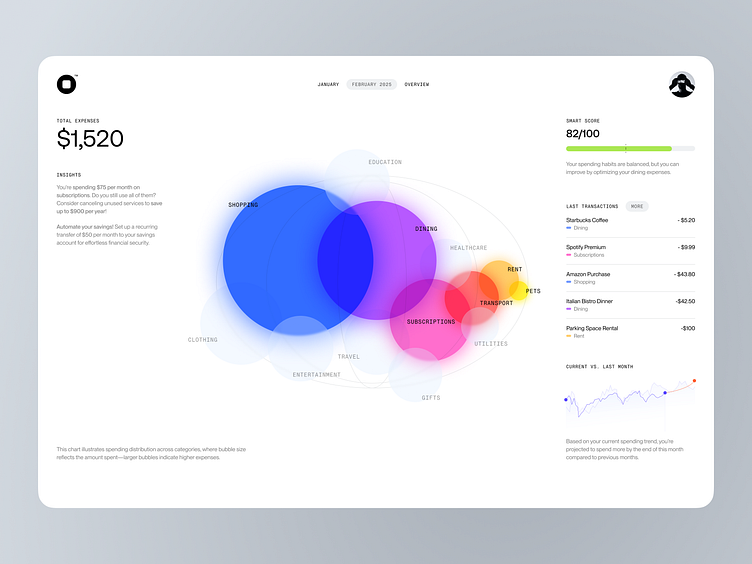
Personal practices complement organizational strategies in sustaining ZenAligned cadence. Techniques such as focused breathing, brief periods of meditation, structured time management, and intentional task sequencing help individuals maintain equilibrium in the midst of complex demands. Awareness of physical and mental limits, combined with proactive strategies for replenishment, ensures that performance remains sustainable. By cultivating habits that honor natural rhythms, individuals develop an internal sense of balance that translates into more measured interactions, clearer thinking, and greater overall effectiveness.

Importantly, the pursuit of ZenAligned cadence does not equate to stagnation or inactivity. Rather, it is a dynamic equilibrium that embraces movement, growth, and adaptation while preserving coherence and stability. Just as a river flows continuously yet remains bound by its banks, sustainable systems advance while respecting the parameters that maintain structure. This dynamic balance allows for flexibility, creativity, and responsiveness without succumbing to chaos or exhaustion. The key lies in alignment—matching intensity with capacity, action with reflection, and ambition with sustainability.

In conclusion, sustaining balance through ZenAligned cadence is a multifaceted endeavor that integrates awareness of natural rhythms, intentional simplicity, mindful decision-making, clear communication, and technology aligned with human needs. It requires both individual discipline and organizational commitment, as well as the cultivation of habits and structures that reinforce equilibrium. When successfully implemented, this approach fosters resilience, clarity, and consistent performance, allowing individuals and organizations to navigate complexity without losing composure or direction. By embracing a cadence that harmonizes action with reflection and intensity with calm, the pursuit of goals becomes a sustainable journey rather than a relentless race, creating environments where balance, productivity, and well-being coexist harmoniously.

VolitionCentered Order Encourages Patience

In any environment where decisions must be made rapidly, the ability to maintain patience often determines the difference between success and avoidable errors. Volition-centered order fosters a framework where patience is not merely a passive state but an active component of effective action. By creating systems that prioritize deliberate choice over reactive behavior, individuals are able to engage with their responsibilities more thoughtfully, reducing impulsivity and increasing the likelihood of positive outcomes. The principle emphasizes that control over one’s actions is closely tied to clarity of thought, and when people feel their decisions are respected within structured guidelines, they are naturally more inclined to exercise patience.

At the core of volition-centered order is the idea that environments should be designed to support intentionality. This involves the alignment of workflows, tools, and communication channels in ways that encourage users to pause, consider their options, and make decisions with foresight. For example, interfaces that provide clear, sequential steps for complex tasks reduce cognitive load and allow users to focus on the quality of their choices rather than the speed of execution. Similarly, guidance systems that suggest actions without enforcing immediate compliance encourage reflective engagement rather than reflexive responses. In such contexts, patience is not a constraint but a facilitator, enhancing both efficiency and accuracy.

The psychological underpinnings of patience reveal its importance in decision-making. Studies indicate that individuals who can delay immediate gratification are better equipped to evaluate long-term consequences and optimize their actions accordingly. Volition-centered structures tap into this by framing choices in a way that highlights future benefits rather than immediate pressures. By creating an environment where the consequences of hasty actions are made visible, people are encouraged to slow down and weigh options thoughtfully. This not only improves outcomes but also strengthens resilience, as individuals learn to navigate uncertainty with composure rather than reacting impulsively under stress.

Practical applications of this principle extend across various domains, from organizational management to personal productivity. In professional settings, leaders can implement volition-centered order by structuring workflows that allow for review and reflection. Decision matrices, checklists, and stepwise approval processes exemplify mechanisms that provide room for patient deliberation. These tools reduce the risk of oversight and promote accountability, as each step requires conscious engagement rather than automatic response. Additionally, by explicitly valuing considered input, organizations reinforce a culture where thoughtful patience is recognized as a strength rather than a delay.

On an individual level, cultivating patience within a volition-centered framework involves self-awareness and strategic planning. Techniques such as mindfulness, goal-setting, and time segmentation help individuals create mental space for deliberate decision-making. By breaking complex tasks into manageable segments and setting deliberate intervals for review, people can avoid the trap of reactive behavior. Moreover, reflecting on previous outcomes and integrating lessons learned fosters an iterative cycle of improvement, where patience is continually reinforced through experience. This approach emphasizes that patience is not passive waiting, but an active engagement with choices, aligning actions with desired objectives over time.

Communication also benefits significantly from the adoption of volition-centered order. When information is presented in a structured, digestible format, recipients can process it without the pressure of immediate response. Clear protocols for feedback, decision-making, and reporting ensure that all participants have the opportunity to act intentionally rather than react under urgency. In group settings, this reduces conflict and enhances collaboration, as decisions emerge from shared understanding rather than hasty assumptions. The result is a more harmonious and effective interaction pattern, where patience underpins mutual respect and collective efficacy.

Technology can both challenge and support volition-centered order. Rapid notifications, algorithm-driven prompts, and real-time updates often pressure users into immediate action, eroding patience. However, thoughtful design can counteract these tendencies. Features such as scheduled reminders, priority filters, and controlled information flows provide users with the autonomy to manage their attention and respond at appropriate intervals. By integrating these design choices, systems empower individuals to exercise patience without sacrificing responsiveness, creating a balance between timely action and considered judgment.

Education and training also serve as fertile ground for embedding the values of volition-centered order. Learning environments that encourage exploration, experimentation, and reflective assessment cultivate patience naturally. When learners are given the autonomy to progress at their own pace, to revise their work, and to engage with feedback thoughtfully, they develop habits of intentional action. This mindset translates beyond formal education, equipping individuals with the ability to approach complex problems strategically and calmly. The ability to sustain focus over time and resist impulsive decisions becomes a foundational skill, applicable across professional, social, and personal contexts.

At a societal level, systems that respect volition-centered principles promote stability and trust. Policies, institutions, and frameworks that allow individuals to act deliberately foster confidence in governance and social structures. Citizens who perceive that their choices matter within a fair and orderly framework are more likely to engage constructively and responsibly. In contrast, environments that prioritize speed, conformity, or reactive enforcement often engender frustration and impulsivity. The cultivation of patience through structural design, therefore, is not only beneficial at the personal and organizational level but has broader implications for social cohesion and collective well-being.

Ultimately, volition-centered order emphasizes the interplay between freedom of choice and structured guidance. Patience emerges as a natural byproduct when individuals feel both empowered and supported. This dual approach—granting autonomy while providing clear parameters—reduces uncertainty, minimizes stress, and encourages deliberate engagement. By fostering an atmosphere where decisions are made consciously rather than compulsively, people are better equipped to achieve their goals efficiently, maintain composure under pressure, and contribute positively to their environments. Patience, in this sense, is an active skill nurtured through thoughtful design, intentional behavior, and supportive systems, reinforcing the idea that deliberate action is always more effective than hasty reaction.

UniformFlow Feels Legitimate

In a world where digital experiences are increasingly fragmented, the feeling of legitimacy hinges on the seamless flow of interactions, the subtle cues that convey authenticity, and the intuitive orchestration of processes that users barely notice but subconsciously trust. UniformFlow embodies this principle, presenting a design and operational philosophy where every step, every touchpoint, and every decision point feels consistent, deliberate, and credible. The essence of legitimacy is not merely in meeting functional requirements but in fostering a holistic environment where the user’s perception aligns with the intended reliability of the system.

When users engage with an interface or a service, their confidence grows from repeated patterns that make sense, from the predictability that arises without being monotonous. UniformFlow achieves this by maintaining a coherent rhythm across actions and feedback loops. Notifications, status updates, and transitions between different states all adhere to an internal logic that reinforces reliability. This consistency is not about rigidity; rather, it is about providing a framework where the user feels in control, where surprises are minimized, and where the integrity of the system is subtly communicated through its steadiness. Every action feels weighted appropriately, every confirmation is neither intrusive nor underwhelming, and every outcome aligns with expectations, creating a quiet reassurance that the system operates with care and attention.

Underlying this approach is an understanding of human psychology and the cues that convey trustworthiness. UniformFlow leverages temporal consistency—timing actions and responses in a manner that feels natural, neither rushed nor unnecessarily delayed. It balances visual consistency with behavioral predictability, ensuring that icons, colors, typography, and motion all cohere without drawing attention to themselves. Users subconsciously register the harmony of these elements, and their confidence in the system grows with each smooth interaction. The legitimacy of a digital experience is therefore as much about these invisible signals as it is about overt messaging or branding.

Moreover, UniformFlow emphasizes clarity in communication. Ambiguity erodes trust, while precise and measured feedback nurtures it. Error states, confirmations, and progress indicators are communicated in ways that are direct yet calm, avoiding panic triggers or ambiguous signals. This clarity extends to the hierarchy of information, where the most critical elements are immediately perceptible without overwhelming the user, and secondary information is accessible when needed. By structuring information this way, users can make decisions with confidence, understanding not only what is happening but why it is happening and what to do next. The sense of legitimacy arises from this alignment between perception and reality, where the system’s behavior matches user expectations without requiring constant verification.

UniformFlow also considers the continuity of experience across contexts. Users no longer operate solely on a single device or interface; they move between web, mobile, and possibly even offline interactions. Maintaining a consistent logic across these touchpoints ensures that legitimacy is preserved, even as users switch environments. Elements such as interaction patterns, response timing, and visual hierarchy are carefully mapped to ensure that a user who initiates a task in one context can complete it in another without friction. This cross-context coherence is essential, as disruptions or inconsistencies can immediately undermine trust, making the experience feel disjointed or unreliable.

Another critical aspect is the subtle guidance embedded within the flow. Users do not always consciously notice micro-interactions, but these cues can gently shape behavior, confirm correct actions, and prevent errors. UniformFlow embeds these cues thoughtfully, ensuring they are informative but not patronizing, supportive but not intrusive. The system becomes a reliable companion, assisting without dictating, offering reassurance without overwhelming, and fostering autonomy without leaving users in uncertainty. The legitimacy of the experience is reinforced by this balance, where the interface appears intelligent, considerate, and aligned with the user’s intentions.

Feedback loops play a central role in sustaining this perception. When users act and receive immediate, predictable, and coherent feedback, they internalize the system’s reliability. UniformFlow ensures that these loops are finely tuned; progress indicators are meaningful, confirmations are clear, and system responses are consistent with prior interactions. Over time, these patterns build a sense of competence and credibility, where the user feels the system is capable, fair, and predictable. The cumulative effect is a sustained sense of legitimacy that does not rely on superficial branding or repetitive reassurance but on the quality of each interaction.

Equally important is the avoidance of cognitive overload. Legitimacy is fragile when users are bombarded with conflicting signals, excessive options, or unpredictable behaviors. UniformFlow simplifies without oversimplifying, presenting choices and actions in a manner that feels natural and understandable. Complex processes are broken into digestible segments, transitions are smooth, and the mental model required to navigate the system aligns with everyday expectations. By respecting cognitive limits, the system conveys respect for the user’s time and attention, further reinforcing the perception of authenticity and reliability.

Security and transparency are integral to this framework. Users need to sense that their data is handled responsibly and that their interactions are secure. UniformFlow communicates this implicitly through predictable flows, clear confirmations of sensitive actions, and unobtrusive cues that highlight accountability. Legitimacy is strengthened when users recognize that the system’s integrity extends beyond the interface to operational and procedural reliability, reinforcing confidence in both immediate and long-term interactions.

Ultimately, UniformFlow is about crafting an environment where trust is earned continuously through design, interaction, and behavioral consistency. It is about creating a subtle, pervasive feeling that the system is competent, reliable, and thoughtful. Legitimacy emerges not from grand declarations but from the quiet assurance that every action, every feedback, and every transition has been carefully considered. Users feel grounded, confident, and supported, perceiving a system that operates in alignment with their expectations and needs. Through uniformity of flow, careful orchestration of interactions, and an unwavering focus on clarity and predictability, digital experiences can achieve a level of legitimacy that is deeply felt, intuitively understood, and persistently trusted.

This approach underscores a profound principle: legitimacy is not claimed; it is demonstrated through every nuance of experience. UniformFlow transforms the ordinary mechanics of interface and process into a coherent, reassuring narrative, where the user’s perception of credibility is continuously reinforced. The result is a system that feels authentic, dependable, and in harmony with human expectations, creating an enduring sense of trust that goes beyond surface-level assurances and becomes an intrinsic part of the user experience.

Legitimacy, in this context, is not a static attribute but a living quality that grows with each interaction, maintained through consistency, clarity, and subtle guidance. UniformFlow provides the scaffolding for this growth, ensuring that every aspect of the user journey, from micro-interactions to overarching workflows, contributes to a coherent, credible, and reassuring experience. The system becomes more than a tool; it becomes a trusted partner, whose reliability is felt intuitively and whose presence is recognized through the elegance of its flow.

Every detail matters—timing, feedback, clarity, and continuity all converge to create a perception that is both unconscious and undeniable. Users come to rely on this rhythm, internalizing the consistency as a marker of legitimacy. They understand, without needing explicit confirmation, that the system operates as it should, that their actions will yield expected results, and that their experience is being carefully guided. UniformFlow does not just facilitate actions; it communicates confidence, competence, and integrity, fostering an environment where legitimacy is not merely observed but experienced, deeply and consistently, at every touchpoint.

The ultimate achievement of UniformFlow lies in its ability to make legitimacy feel effortless. Users rarely articulate why a system feels trustworthy, yet they recognize the absence of friction, the predictability of response, and the coherence of interaction as signals of reliability. By orchestrating these elements into a smooth, consistent flow, legitimacy becomes an emergent property, woven into the fabric of the experience itself. Users are reassured, confident, and engaged, knowing that they are interacting with a system that is not only functional but authentically dependable, where trust is earned continuously, invisibly, and inevitably.

UniformFlow demonstrates that the perception of legitimacy is not a superficial layer applied after design but a core principle embedded in every decision, every interaction, and every moment of user engagement. Through this approach, digital experiences transcend transactional utility, achieving a state where trust, credibility, and confidence are felt as naturally as breathing, leaving users with a persistent sense of certainty, clarity, and reassurance that defines the highest standard of interaction integrity.

VarianceSoftening Normalizes Extremes

In the world of design and technology, the subtleties of user experience often go unnoticed, yet they form the backbone of effective interaction. VarianceSoftening, as a principle, exemplifies this quiet but powerful influence, normalizing extremes to create a smoother, more consistent experience for users across all touchpoints. This approach is not merely aesthetic; it is functional, psychological, and strategic, influencing how users perceive and interact with systems. By moderating abrupt transitions, unexpected spikes, or harsh contrasts, VarianceSoftening builds an environment that feels predictable and safe, encouraging engagement and trust.

One of the primary benefits of normalizing extremes is its ability to reduce cognitive load. Users are constantly bombarded with information, choices, and stimuli, and sudden peaks in intensity—whether visual, informational, or interactive—can overwhelm attention. VarianceSoftening mitigates these spikes, distributing intensity more evenly. In practice, this might mean adjusting the opacity of notifications, moderating animation speeds, or balancing the contrast between critical and peripheral elements. The result is a perception of calm, control, and coherence, which fosters longer engagement and a more positive emotional response.

Psychologically, extremes trigger heightened reactions. Abrupt errors, loud alerts, or sudden shifts in interface behavior can provoke stress, frustration, or confusion. By softening these extremes, designers reduce the likelihood of negative emotional responses and help maintain user confidence. The principle extends beyond the digital interface: in physical product design, the concept manifests in ergonomics, tactile feedback, and even ambient lighting. The underlying goal is consistent: create environments where extremes do not disrupt flow, and the user can maintain focus and agency without the anxiety of unexpected disruptions.

VarianceSoftening also enhances accessibility. Users with sensory sensitivities, cognitive differences, or attention challenges benefit from experiences that minimize harsh contrasts or abrupt changes. Normalized extremes mean that content is easier to process, interfaces are less intimidating, and interactions feel more approachable. Subtle adjustments—like smoothing color gradients, moderating sound levels, or pacing interactive elements—ensure that a wider audience can navigate systems comfortably, without unnecessary strain or confusion. In this way, VarianceSoftening is both inclusive and universally beneficial, improving the overall usability for everyone.

In practical application, the principle encourages iterative observation and data-driven refinement. Designers and engineers can measure user response to extremes, identify friction points, and apply calibrated adjustments that balance consistency with necessary variation. For instance, in a financial dashboard, extreme fluctuations in charts can be visually normalized to highlight trends without alarming the user unnecessarily. In gaming interfaces, sudden jumps in difficulty or reward feedback can be moderated to maintain engagement without discouraging players. Across industries, the method centers on harmonizing experience while preserving essential information fidelity.

Beyond individual interfaces, VarianceSoftening contributes to systemic trust. When users perceive that systems behave predictably, they are more likely to explore, experiment, and rely on them. Extremes—whether in response times, visual cues, or performance metrics—can undermine trust by introducing uncertainty. Normalizing these extremes signals stability, attentiveness, and care, reinforcing the perception that the system is reliable. Over time, this approach cultivates loyalty and encourages repeated interactions, establishing a foundation of confidence that transcends immediate functionality.

The principle also interacts with the concept of feedback loops. Immediate feedback is essential for users to understand the impact of their actions, yet overly stark feedback can be jarring or punitive. VarianceSoftening moderates these responses, offering signals that are informative yet gentle, corrective yet non-alarming. For example, error messages can be presented in ways that guide without inducing panic, progress indicators can reveal delays without creating frustration, and achievement notifications can reward without overwhelming. The nuanced application of this approach ensures that users remain informed and motivated, preserving emotional equilibrium throughout their journey.

Strategically, implementing VarianceSoftening requires awareness of context, user expectations, and the balance between consistency and flexibility. It is not about eliminating all variation—uniformity can become monotonous or obscure meaningful differences—but about controlling the extremes to prevent negative disruption. Designers must weigh the importance of surprise, novelty, or emphasis against the cognitive and emotional load imposed on users. A successfully softened variance preserves the significance of events, while eliminating the noise or shock that could distort perception or behavior.

Moreover, VarianceSoftening aligns with long-term user satisfaction. Systems that moderate extremes contribute to sustainable engagement by avoiding burnout or fatigue. Whether in productivity tools, learning platforms, or entertainment applications, experiences that respect pacing and balance create a rhythm that users can follow comfortably. By normalizing extremes, designers cultivate environments where users can anticipate, adjust, and respond with clarity, turning interactions into a fluid and rewarding journey rather than a series of shocks and recoveries.

In conclusion, VarianceSoftening is a design philosophy that emphasizes the importance of moderation, balance, and user-centric consistency. By normalizing extremes, it reduces cognitive load, enhances accessibility, and fosters psychological comfort. It encourages trust, supports meaningful feedback, and aligns system behavior with user expectations. Its applications are broad, spanning digital interfaces, physical products, and systemic design strategies. At its core, this principle acknowledges the human need for predictability amidst complexity, offering experiences that are not only functional but emotionally resonant. By softening the peaks and troughs of interaction, systems become more approachable, reliable, and ultimately more effective, creating spaces where users feel capable, informed, and secure. In a world increasingly defined by rapid change and overwhelming stimuli, VarianceSoftening offers a steady hand, guiding users with clarity, calm, and thoughtful design.

StructuralEase Protects Judgement

In complex systems, the way information is structured can profoundly influence decision-making, shaping the clarity and reliability of judgments. Structural ease refers to designing interfaces, processes, or systems in a way that reduces unnecessary cognitive strain, allowing users to focus on essential information without distraction. When structural ease is prioritized, individuals can process details more efficiently, identify patterns more accurately, and make choices that are both informed and measured. The principle applies across a wide range of contexts, from digital applications to physical workflows, and even in organizational settings where the presentation of data can dictate outcomes. By removing barriers to understanding and reducing the mental load associated with decision-making, structural ease fosters an environment where judgment is guided more by insight than by confusion or fatigue.

A fundamental component of structural ease is clarity. Clear hierarchies of information, intuitive navigation, and logical grouping of related elements help users form accurate mental models. When a system is cluttered or inconsistent, users expend mental resources trying to decipher meaning, increasing the likelihood of errors. Conversely, when information is organized with precision and purpose, individuals can anticipate outcomes, weigh options effectively, and respond to changing circumstances with confidence. This principle is especially critical in domains where decisions carry high stakes, such as healthcare, finance, or safety-critical operations, where a misjudgment can have significant consequences. Structural ease acts as a safeguard, not by altering the quality of the information itself, but by ensuring that it is presented in a way that the human mind can absorb efficiently and act upon reliably.

Consistency plays a pivotal role in creating structural ease. Uniform visual cues, predictable interaction patterns, and standard terminologies reduce the cognitive effort needed to interpret new information. When users encounter familiar patterns, they can rely on prior experiences to guide their judgments, minimizing hesitation and reducing the potential for errors. This consistency does not imply rigidity; systems can still accommodate complexity, but they do so through repeatable and understandable rules. For instance, in a well-designed software interface, consistent button placement, color coding, and feedback mechanisms allow users to focus on the content and tasks at hand rather than questioning how to navigate the system. By embedding predictability, structural ease turns potentially overwhelming complexity into manageable and comprehensible frameworks.

Another dimension of structural ease is prioritization. Not all information holds equal importance at every moment, and effective structuring emphasizes what is most critical while reducing exposure to irrelevant details. Techniques such as visual hierarchy, progressive disclosure, and contextual cues guide attention toward the most consequential elements, ensuring that judgments are informed by the right data. This selective presentation is not about oversimplifying reality but about aligning perception with significance. By controlling the flow of information thoughtfully, structural ease prevents cognitive overload, allowing users to focus on decisions that matter most while maintaining the capacity to adapt to new inputs as they arise. In this sense, structural ease enhances judgment by framing choices within a coherent, purposeful context.

Feedback mechanisms are also integral to maintaining structural ease. Immediate, clear feedback helps users understand the consequences of their actions and adjust their behavior accordingly. Systems that provide ambiguous or delayed feedback introduce uncertainty, which can erode confidence and lead to misjudgments. Structural ease encourages the design of feedback loops that are timely, understandable, and actionable, reinforcing learning and supporting the development of expertise. Over time, users internalize patterns and outcomes, allowing them to make more accurate judgments even when external guidance is limited. This principle underscores the relationship between structure and cognition: by scaffolding experience and reinforcing clarity, systems can nurture judgment that is both confident and grounded in reality.

Cognitive ergonomics is another critical consideration. Human cognitive capacities, such as memory, attention, and processing speed, are inherently limited, and structural ease seeks to align system demands with these capacities. Interfaces that minimize unnecessary steps, reduce memory load, and group related tasks together enhance efficiency and accuracy. Similarly, workflows that distribute complexity over time or across team members prevent individuals from becoming overwhelmed. By respecting the natural constraints of human cognition, structural ease protects judgment from being compromised by fatigue or distraction. This approach is particularly valuable in high-pressure environments, where even small reductions in cognitive load can lead to meaningful improvements in decision quality.

Adaptability complements structural ease by allowing systems to accommodate different user needs and contexts without sacrificing clarity. Dynamic interfaces, customizable dashboards, and context-aware alerts can provide personalized experiences that emphasize relevant information while suppressing distractions. Adaptable structures maintain the core principles of predictability and clarity but adjust the presentation to match user expertise, task requirements, or situational urgency. By doing so, structural ease ensures that judgment is supported in diverse conditions, promoting accuracy and confidence even in complex or evolving scenarios.

The psychological impact of structural ease should not be underestimated. When individuals navigate systems that are intuitive and coherent, they experience lower stress levels, higher confidence, and a greater sense of control. Conversely, poorly structured systems can generate anxiety, indecision, and second-guessing. These emotional states directly influence judgment, as stress and confusion can impair reasoning, reduce attention to detail, and lead to impulsive choices. By designing with structural ease in mind, organizations can foster environments where decision-making is calm, deliberate, and resilient to external pressures. The result is not only better judgment but also improved satisfaction and engagement among users.

Structural ease also encourages transparency and accountability. When information is organized logically and feedback is clear, users can trace the rationale behind decisions, assess the reliability of inputs, and understand the consequences of actions. This transparency supports ethical and responsible judgment by providing a foundation for evaluation and reflection. Individuals are more likely to make careful, principled choices when the path from information to decision is visible and comprehensible. In turn, organizations benefit from reduced errors, enhanced trust, and stronger alignment between actions and intentions.

Finally, structural ease is an investment in long-term competence. By reducing unnecessary complexity, providing consistent cues, prioritizing critical information, offering clear feedback, and respecting cognitive limits, systems create conditions where users can develop expertise steadily. Over time, individuals internalize patterns, anticipate outcomes, and refine their judgment. Structural ease does not eliminate the need for skill or experience; rather, it accelerates the process by which these capabilities are cultivated. In essence, it acts as both a protective framework and an enabling environment, ensuring that decisions are made with clarity, confidence, and accuracy.

In conclusion, structural ease is a design principle that safeguards human judgment by aligning system complexity with cognitive capacity, emphasizing clarity, consistency, prioritization, feedback, and adaptability. By reducing cognitive load, minimizing uncertainty, and enhancing transparency, structural ease ensures that decisions are based on insight rather than confusion. Whether applied to digital interfaces, organizational processes, or operational workflows, the principle fosters environments where individuals can act confidently, ethically, and effectively. The long-term benefits extend beyond immediate decision quality, supporting learning, expertise development, and sustained trust in the systems that guide daily choices. Structural ease is not merely a matter of convenience; it is a fundamental enabler of sound judgment, shaping outcomes in a way that is both practical and profound.

TempoMeasured Engagement Improves Control

In the realm of modern digital experiences, maintaining a steady and predictable tempo can make all the difference in how users interact with a system. Tempo, in this context, does not simply refer to speed, but rather to the pacing of interactions, feedback, and content delivery. When a system or platform manages its tempo with precision, it allows users to develop a rhythm in their engagement, creating a sense of familiarity and comfort. This measured tempo prevents cognitive overload and reduces the stress that often accompanies erratic or unpredictable interfaces. Users can anticipate the system’s behavior, respond with confidence, and engage more deeply, resulting in a smoother, more controlled experience overall.

One of the key aspects of implementing a measured tempo is consistent feedback. Every action a user takes should be acknowledged in a way that is immediate yet balanced. For instance, when a button is clicked, a subtle animation or visual change can signal the system’s recognition of the input. This doesn’t need to be flashy or intrusive; in fact, restraint often works best. By carefully calibrating the timing and intensity of feedback, users remain aware of system responses without feeling overwhelmed. Overly rapid responses can lead to sensory fatigue, while sluggish reactions may create frustration and uncertainty. The ideal pace maintains user attention while reinforcing a sense of control, subtly guiding behavior without forcing it.

Equally important is the rhythm of content presentation. When introducing new information or updates, spacing them appropriately prevents cognitive overload. In environments with high informational density, such as dashboards, financial apps, or learning platforms, staggering content delivery ensures that users can process each element thoroughly before moving on. This creates a more digestible flow, allowing comprehension and reflection at a natural pace. For example, notifications that appear in rapid succession can overwhelm the user, whereas strategically timed updates give the user space to react thoughtfully. A measured tempo respects the user’s cognitive limits and supports more intentional engagement.

Tempo management also extends to interactive processes. When users are required to complete a series of steps, such as filling out forms or navigating a multi-stage workflow, controlling the rhythm of these interactions can reduce errors and enhance satisfaction. Breaking tasks into manageable segments and providing clear markers of progression allows users to approach complex sequences with confidence. Predictable pacing in these scenarios builds trust, as users feel the system anticipates their needs and guides them smoothly toward completion. Conversely, inconsistent timing can disrupt focus and introduce anxiety, highlighting the importance of uniform tempo throughout critical interactions.

Another consideration is the alignment of tempo with user expectations. People bring their own sense of rhythm and timing to interactions, influenced by cultural norms, previous experiences, and individual cognitive styles. A system that adapts its pace to these expectations can foster a sense of empathy and personalization. For instance, progressive disclosure techniques, where additional details are revealed as needed, allow users to explore content at their own pace. Similarly, adjustable response speeds in applications or games empower users to tailor experiences to their comfort levels, reinforcing a perception of mastery and control. By respecting user tempo, systems demonstrate attentiveness and understanding, which enhances engagement and loyalty.

The auditory and visual elements of a system can also reinforce tempo control. Subtle sound cues, animations, or transitions contribute to a cohesive rhythm, guiding attention without drawing undue focus. These sensory signals act as temporal anchors, letting users know when an action is acknowledged, a process is complete, or a new piece of information is available. When executed with consistency, such cues reduce uncertainty and reinforce the user’s sense of agency. Visual pacing, such as smooth scrolling, gradual reveal effects, or timed highlights, similarly helps users process content in manageable intervals. The harmony between sensory cues and system response establishes a natural cadence that promotes calm, deliberate engagement.

In high-stakes environments, measured tempo can significantly influence decision-making quality. Systems that present information and feedback in a controlled rhythm help users evaluate options without succumbing to impulse or distraction. For instance, in trading platforms, precise timing of data updates and alerts allows users to react strategically rather than emotionally. In educational tools, pacing the delivery of challenges or questions ensures learners can assimilate knowledge effectively. Across domains, the principle is the same: when users perceive a predictable, steady tempo, their cognitive resources are optimized, resulting in more deliberate, controlled outcomes.

Designing for tempo involves more than simply slowing down or speeding up interactions; it requires an understanding of human attention, perception, and cognitive load. Effective tempo management balances efficiency with comfort, ensuring tasks are completed promptly while users feel confident and in command. This balance is achieved through iterative testing, observation, and refinement, as designers learn how users respond to different pacing strategies. Metrics such as task completion time, error rates, and user satisfaction can inform adjustments, allowing systems to calibrate tempo in ways that maximize engagement and minimize friction.

Furthermore, consistency across platforms and touchpoints reinforces the benefits of measured tempo. Users transitioning between mobile, desktop, or tablet experiences expect similar pacing cues, interaction rhythms, and feedback patterns. Discrepancies in tempo can disrupt flow, create confusion, and undermine trust. By maintaining a unified tempo strategy, systems provide a coherent experience that supports user confidence and control across diverse contexts. Consistency reassures users that regardless of device or environment, they can rely on familiar rhythms to navigate interactions successfully.

Ultimately, TempoMeasured engagement is about creating a sense of equilibrium in digital interactions. It prioritizes the user’s cognitive and emotional state, ensuring that each interaction feels intentional, comprehensible, and manageable. By carefully controlling the pace of feedback, content delivery, and process progression, systems foster an environment where users can focus, reflect, and act deliberately. The result is not only enhanced usability but also a deeper sense of empowerment and mastery. Users who experience such measured engagement are more likely to trust the system, return frequently, and participate meaningfully. In a landscape saturated with information, notifications, and rapid stimuli, the discipline of tempo offers a quiet but powerful path to clarity, control, and sustained engagement.

Measured tempo, then, is not simply a design choice but a strategic principle. It aligns system behavior with human cognitive rhythms, transforming interactions from reactive, stressful experiences into thoughtful, controlled engagements. It leverages the subtle interplay of timing, feedback, and pacing to cultivate a calm yet focused environment where users feel consistently supported. By embracing this principle, designers and developers can create systems that not only function efficiently but also resonate with users on a deeper psychological level. TempoMeasured engagement ultimately empowers users to navigate complexity with confidence, promoting clarity, balance, and enduring satisfaction.

This careful orchestration of rhythm and timing underscores the value of intentional design. It recognizes that control is not imposed through rigid constraints but facilitated through predictable, responsive, and thoughtfully paced interactions. Users internalize these patterns, developing an intuitive understanding of how the system behaves and what to expect next. Over time, this builds a subtle but profound sense of competence, reducing frustration, increasing focus, and promoting more meaningful engagement. Every animation, alert, and content update contributes to a broader temporal narrative, reinforcing a steady cadence that guides, reassures, and empowers.

By integrating tempo-conscious strategies into the core of design philosophy, organizations can cultivate user experiences that are not only effective but also psychologically satisfying. TempoMeasured engagement encourages balance, mitigates stress, and nurtures confidence, allowing users to approach each interaction with clarity and purpose. It transforms digital environments from chaotic or overwhelming spaces into structured, comprehensible, and controllable experiences. Through consistent, deliberate pacing, users are given the space to process, decide, and act with intention, creating a harmonious dynamic between human cognition and system behavior that enhances both engagement and long-term satisfaction.

SoftLimit Framework Encourages Stops

Establishing personal boundaries is often easier said than done, yet it remains one of the most crucial practices for maintaining mental clarity, emotional stability, and overall well-being. In many aspects of life, from work to social interactions, people tend to overextend themselves, sometimes unknowingly, pushing past limits that could otherwise protect their energy and focus. The SoftLimit framework offers a systematic approach to recognizing, respecting, and enforcing these boundaries, fostering healthier habits and more balanced decision-making.

At its core, the SoftLimit framework emphasizes awareness. The first step is cultivating a clear understanding of one’s capacities and tendencies. People often misjudge how much they can take on, whether in professional responsibilities, social commitments, or personal endeavors. Awareness involves more than simply acknowledging busy schedules; it requires a conscious reflection on the cumulative effect of ongoing tasks and emotional demands. By regularly checking in with oneself, it becomes possible to detect the early signs of fatigue, stress, or overwhelm. This proactive mindfulness is essential, as it allows individuals to intervene before reaching a point where performance and well-being are compromised.

Once awareness is established, the next step involves defining specific thresholds, or “soft limits,” that signal when it is necessary to pause or step back. Unlike rigid rules that can feel restrictive, soft limits are adaptable guidelines tailored to individual needs. These limits might include maximum daily work hours, a set number of social engagements per week, or a time frame for focused, uninterrupted work. Importantly, soft limits acknowledge variability; energy levels and circumstances fluctuate, and the framework encourages adjusting boundaries in response to these changes rather than adhering strictly to fixed quotas. This flexibility promotes a sense of control without fostering guilt or anxiety for needing to pause.

SoftLimit also underscores the importance of gradual implementation. Attempting to overhaul one’s routines overnight can be overwhelming and unsustainable. Instead, incremental changes are encouraged. For example, someone who frequently overworks might start by establishing a brief daily break or setting an earlier cutoff time for professional tasks. Over time, these small adjustments accumulate, reinforcing healthier habits and demonstrating that respecting boundaries is both feasible and rewarding. This approach is particularly effective in reducing resistance, as it integrates gently into existing routines rather than imposing abrupt restrictions.

Another fundamental aspect of the SoftLimit framework is self-compassion. Many individuals struggle with setting limits due to feelings of obligation, guilt, or fear of disappointing others. By cultivating a compassionate mindset, people can reframe boundary-setting as a positive, self-respecting practice rather than a selfish act. This reframing reduces internal conflict and enhances the likelihood of adherence. Recognizing that pausing or declining is a necessary measure to sustain long-term productivity and well-being can shift perspectives, making stops a natural and accepted part of daily life.

The framework also highlights the practical benefits of enforced pauses. Regularly stepping back, whether through short breaks or scheduled downtime, improves cognitive function, emotional regulation, and overall performance. The brain requires rest to consolidate memories, process experiences, and maintain focus. Emotional energy is similarly replenished through moments of pause, preventing burnout and irritability. In professional contexts, employees who observe soft limits often demonstrate greater creativity, problem-solving capacity, and consistency. In personal life, respecting soft limits fosters stronger relationships, as individuals can engage more fully and attentively when they are not mentally or emotionally depleted.

Communication plays a crucial role in the effective application of the SoftLimit framework. Transparent and assertive communication ensures that others understand one’s boundaries without creating tension. Whether interacting with colleagues, friends, or family members, expressing limits clearly and calmly sets expectations and reduces misunderstandings. Statements like “I can focus fully on this task for the next two hours, then I need a break,” or “I will be available for social calls after 6 p.m.,” exemplify how clear communication respects both personal needs and others’ expectations. Over time, consistent communication builds a culture of mutual respect, encouraging others to respect their own limits as well.

Technology can also be leveraged to support boundary-setting within the SoftLimit approach. Calendar alerts, task management apps, and focus timers serve as external cues, reminding individuals to pause or switch tasks according to their soft limits. Digital tools can reinforce consistency, particularly in environments where external pressures or deadlines might otherwise overshadow internal awareness. Importantly, the framework advocates using technology intentionally, not as a substitute for self-awareness but as an aid to strengthen adherence to personal limits.

SoftLimit is inherently adaptive, recognizing that boundaries are not static. Life circumstances change, and so do personal capacities. The framework encourages periodic reassessment, allowing individuals to adjust limits according to evolving needs. For instance, during periods of high professional demand, soft limits might be temporarily adjusted to accommodate increased workload, while still maintaining essential pauses for recovery. Conversely, in quieter periods, boundaries can expand to incorporate additional personal growth or leisure activities. This adaptive nature ensures the framework remains relevant and practical across diverse phases of life.

An often overlooked but essential element of SoftLimit is reflection. Regularly reviewing the effectiveness of boundaries provides insights into patterns of behavior and energy management. Reflective practices, such as journaling or brief end-of-day evaluations, help identify triggers for overextension and highlight areas for adjustment. Reflection not only improves future boundary-setting but also reinforces the positive outcomes achieved, fostering a sense of accomplishment and motivation to continue respecting one’s limits.

Ultimately, the SoftLimit framework is about creating sustainable rhythms in life. It acknowledges human vulnerability to fatigue, distraction, and stress, offering a structured yet flexible method to maintain balance. By integrating awareness, threshold-setting, incremental implementation, self-compassion, communication, technological support, adaptability, and reflection, SoftLimit transforms the concept of stopping into an empowering practice. Rather than perceiving pauses as interruptions or failures, individuals learn to view them as vital investments in long-term efficiency, creativity, and well-being.

Applying SoftLimit consistently fosters resilience. It equips individuals with the tools to navigate demanding environments without sacrificing health or clarity. Over time, respecting soft limits reduces the risk of burnout, improves decision-making, and enhances the capacity for sustained engagement in both professional and personal spheres. The framework encourages a mindset where stops are neither signs of weakness nor avoidance but strategic actions that enable peak performance and emotional stability. By embracing SoftLimit principles, individuals can cultivate a lifestyle that harmonizes productivity with well-being, ensuring that moments of pause are recognized not as delays, but as essential components of a balanced and fulfilling life.

StabilityReinforced By Repetition Lasts

Consistency forms the backbone of human understanding and the foundation of lasting achievement. When actions are repeated with purpose, the patterns they create become ingrained, transforming fleeting attempts into durable habits. This reinforcement through repetition is not merely a mechanical process; it is a deliberate cultivation of stability, where every repeated step strengthens the structural integrity of our behavior, cognition, and decision-making. In life, consistency fosters trust—trust in oneself, trust in processes, and trust in the outcomes that emerge from disciplined effort. Stability, therefore, is not an accident but the cumulative effect of repeated, intentional practice over time.

The mind naturally seeks predictability. Uncertainty generates stress, impedes learning, and diminishes performance. By establishing consistent routines and repeating core actions, individuals provide themselves with a reliable framework within which to operate. Each repetition acts like a brick laid carefully in the foundation of competence. Over time, these bricks form a robust structure capable of withstanding challenges and adapting to change without collapsing under pressure. Just as a well-built bridge relies on repeated patterns of construction to achieve strength, personal and professional growth depends on consistent application of principles, reinforced by deliberate practice.

Repetition is particularly effective because it fosters both cognitive and emotional stability. On a cognitive level, repeated engagement with a task or concept strengthens neural pathways, making recall and execution more efficient. This is the principle behind learning techniques such as spaced repetition, where information revisited at carefully calculated intervals becomes deeply embedded in memory. On an emotional level, familiarity reduces anxiety and builds confidence. When a person repeatedly experiences success—or even controlled failure—in a structured context, resilience grows. The mind learns that outcomes are predictable within a stable framework, which reduces the turbulence of uncertainty and allows focus on higher-level goals rather than constant firefighting.

Stability reinforced by repetition also extends to interpersonal dynamics. Relationships, whether personal or professional, thrive on reliability and predictability. When others observe consistent behavior, they develop a sense of trust and security. A leader who consistently demonstrates fairness, clarity, and follow-through cultivates an environment where team members feel confident in expectations and empowered to contribute. Inconsistent behavior, by contrast, generates doubt and tension, undermining cohesion. By embedding reliable patterns into interactions, repetition becomes a stabilizing force that maintains the health of social and professional ecosystems.

In professional domains, repeated processes underpin operational excellence. Organizations that implement standardized procedures and continuously refine them through repetition tend to outperform those that rely solely on sporadic efforts. The act of doing the same tasks consistently allows teams to identify inefficiencies, anticipate challenges, and cultivate mastery. Furthermore, these repeated actions generate data and insights that become feedback loops, enabling continual improvement. Stability, in this context, is both a product and a driver of repeated engagement—it is the environment that allows skill, insight, and trust to flourish.

Repetition is also the engine of skill acquisition and creativity. Mastery is rarely achieved through a single attempt; it is the result of countless iterations, each building on the previous. Musicians, athletes, writers, and artists all rely on repetition to refine their craft. Each practice session reinforces technique, deepens understanding, and builds stamina. Paradoxically, while repetition is structured and predictable, it also creates the platform from which innovation emerges. When fundamental skills are solidified through repeated effort, cognitive resources are freed to experiment, explore, and innovate within a stable framework. Stability does not stifle creativity; rather, it provides the secure ground from which originality can spring.

The principle of reinforcing stability through repetition is evident in natural and societal systems as well. In ecosystems, recurring cycles such as seasonal changes, predator-prey interactions, and plant growth patterns maintain balance and resilience. In economic and social systems, repetitive policies, cultural rituals, and norms create predictability, enabling communities to coordinate, adapt, and thrive. Disruptions to these repetitive patterns often produce instability, illustrating the importance of consistent cycles in sustaining equilibrium. Observing these parallels, it becomes clear that repetition is a universal mechanism through which stability is maintained and strengthened.

The psychological impact of repeated stability is equally profound. When individuals operate in environments characterized by consistent feedback, rules, and consequences, they experience lower cognitive load and heightened clarity. Decisions become more efficient because the mind can rely on established patterns rather than constantly recalculating uncertain scenarios. This efficiency reduces stress, increases motivation, and promotes sustained engagement. In learning and work contexts, stability achieved through repetition enables incremental progress to compound into substantial achievements, producing outcomes that might initially seem unattainable.

However, not all repetition produces stability. Mindless or purposeless repetition can breed rigidity or stagnation, where habits exist without contributing to growth or resilience. The value of repetition lies in its intentionality—the conscious choice to reinforce behaviors, skills, and systems that enhance competence, confidence, and adaptability. Purposeful repetition means observing results, adjusting actions, and applying lessons learned, creating a dynamic loop in which stability is continuously strengthened rather than mechanically repeated. In this sense, repetition is both an anchor and a compass, providing security while guiding progress.

In personal development, deliberate repetition fosters self-discipline and accountability. Small, consistent actions—such as maintaining a morning routine, exercising regularly, or practicing mindful reflection—accumulate into significant gains over time. Each repetition signals commitment, reinforces identity, and builds momentum. This gradual process mitigates the risk of burnout by distributing effort across predictable intervals, making sustained achievement attainable without excessive strain. The practice of reinforcement through repetition, therefore, transforms abstract goals into tangible, lasting results.

Ultimately, stability reinforced by repetition creates a virtuous cycle. Repeated actions lead to predictability, which fosters confidence and resilience. Confidence encourages further engagement, producing more repetitions that solidify skills, behaviors, and systems. Over time, this cycle establishes a durable foundation upon which higher-order capabilities—creativity, innovation, leadership, and insight—can thrive. In an unpredictable world, the security and clarity derived from consistent practice provide not only a stabilizing anchor but also a launchpad for growth and transformation. By embracing repetition with intention, individuals and organizations alike cultivate stability that lasts, creating a legacy of enduring competence, trust, and excellence.

SamenessIntentional Feels Reassuring

In a world constantly seeking novelty, there is a profound comfort in sameness. Routine and repetition are often dismissed as mundane or uninspired, yet they carry a subtle reassurance that is deeply human. Each day, when familiar patterns unfold predictably, a sense of stability is established, allowing the mind to relax. Predictable rhythms in daily life, whether in morning routines, work habits, or evening rituals, act as anchors, grounding us in continuity and offering a refuge from the chaos of unpredictability. The intentional maintenance of sameness creates an environment where expectations are met consistently, fostering trust and reducing anxiety. When people know what to expect, they are better equipped to navigate challenges, and their cognitive load is lessened, freeing energy for creativity and deeper engagement with more meaningful tasks.

In environments where sameness is embraced deliberately, individuals can find a sense of security that transcends the superficial appeal of novelty. Businesses, for instance, often cultivate consistent branding and user experiences to instill confidence. A website or application that behaves predictably, displaying consistent layouts and navigational structures, signals reliability. Users do not have to guess or second-guess their actions, and the reduced uncertainty contributes to a seamless experience. The same principle applies to interpersonal interactions. When communication patterns are consistent, whether in tone, frequency, or manner, relationships benefit from clarity and stability. People intuitively trust sources that demonstrate consistent behavior, and this trust is compounded when expectations are met without deviation.

Repetition in design and aesthetics also carries a reassuring quality. Symmetry, recurring motifs, and uniform visual hierarchies allow individuals to process information effortlessly. Cognitive science suggests that the brain thrives on patterns, and repeated elements are easier to interpret than constantly changing ones. This principle extends beyond visual perception to auditory and tactile experiences. Familiar sounds, textures, and movements can soothe, creating an environment that feels controlled and harmonious. For instance, in public spaces, consistent signage, lighting, and spatial arrangements help people orient themselves without stress. Similarly, in digital platforms, repeated interaction patterns reduce the need for instruction and allow users to focus on content rather than figuring out how to navigate.

Sameness, however, does not equate to stagnation or a lack of dynamism. When approached intentionally, it forms a foundation upon which variability can be explored safely. Just as a stable rhythm in music allows for improvisation without losing coherence, predictable structures in life or systems provide a secure framework for experimentation. People can try new approaches, innovate, and take calculated risks without the fear that fundamental structures will collapse. This balance between reliability and adaptability encourages engagement, as the reassurance of sameness acts as a safety net for creativity and exploration.

In workplaces, consistent practices and policies contribute to employee well-being and productivity. When expectations regarding deadlines, communication methods, and performance metrics are clear and stable, employees can focus on delivering quality work rather than expending energy navigating uncertainty. Team dynamics benefit from predictability as well. Knowing how colleagues respond to challenges, communicate feedback, or approach decision-making creates a shared understanding that facilitates collaboration. Leadership that exemplifies consistent behavior reinforces organizational culture, ensuring that team members feel supported and understood. In this context, sameness is a deliberate tool for promoting cohesion, trust, and clarity.

Cultural traditions and rituals are another manifestation of the comforting power of sameness. Across societies, repeated ceremonies, festivals, and customary behaviors provide a sense of belonging and continuity. These practices, preserved across generations, offer familiar touchstones in a rapidly evolving world. Participating in them connects individuals to a larger narrative, grounding them in a shared human experience. The predictability of these rituals provides reassurance, signaling that despite external changes, some constants endure. This constancy fosters emotional stability and a sense of identity, both individually and collectively.

Even in personal habits and self-care routines, intentional sameness serves an essential role. Daily practices such as morning stretches, journaling, or mindful breathing create predictable touchpoints that anchor the day. These rituals support mental health by providing structure, reducing decision fatigue, and offering moments of reflection. In challenging circumstances, returning to familiar habits can restore a sense of control and continuity, helping individuals navigate uncertainty with resilience. The reliability of such patterns is inherently comforting, reinforcing a sense of agency and self-efficacy.

Education and learning environments benefit similarly from consistent structures. Schedules, classroom routines, and standardized procedures help learners focus on acquiring knowledge rather than deciphering expectations. Predictable assessment formats and clear guidelines reduce stress, allowing students to engage more deeply with the material. When the learning environment consistently reinforces expectations, learners build confidence in their abilities and trust in the process. This predictability does not hinder intellectual growth; instead, it supports the acquisition of complex skills by providing a stable framework in which challenges can be addressed progressively.

Intentional sameness also has a role in technological design and artificial intelligence interfaces. Users are comforted by systems that respond consistently to commands and exhibit predictable behavior. Error messages that follow uniform patterns, menus organized logically, and response times that meet expectations all contribute to user confidence. This predictability allows individuals to interact efficiently and reduces the cognitive strain of navigating unfamiliar systems. By prioritizing consistency over constant novelty, technology fosters user satisfaction and encourages sustained engagement.

Ultimately, the deliberate cultivation of sameness acknowledges a fundamental human need for stability. In a world of fluctuating stimuli and rapid change, predictable patterns provide reassurance, reduce stress, and build trust. Whether in personal routines, social interactions, workplace dynamics, cultural practices, or technological interfaces, intentional repetition creates a sense of order and reliability. It does not suppress creativity or spontaneity; rather, it establishes a foundation upon which innovation, exploration, and adaptation can flourish. By embracing the comforting power of sameness, individuals and communities can navigate complexity with greater confidence, secure in the knowledge that some constants endure. This strategic use of consistency is a quiet, unassuming force that fosters well-being, clarity, and a sense of groundedness in the midst of life’s uncertainties, offering a subtle yet profound reassurance that persists through change.

SignalLean Interfaces Enhance Credibility

In the landscape of modern digital design, the importance of clarity cannot be overstated. Users navigate environments crowded with information, advertisements, and interactive elements that compete for their attention. Within this context, a signal-lean interface, one stripped of unnecessary clutter and distractions, provides an essential service: it conveys trustworthiness by prioritizing clear communication over ornamental design. This approach acknowledges the user’s need for simplicity, guiding attention to the most relevant information without overwhelming the senses or inducing cognitive fatigue. In doing so, it establishes credibility not merely through aesthetic appeal but through functional transparency, demonstrating respect for the user’s time and cognitive resources.

One of the key features of a signal-lean interface is its capacity to reduce noise while maintaining a consistent visual hierarchy. By limiting the number of visual signals presented at any given moment, designers can control the flow of information so that the user’s attention is directed naturally toward what is most important. This involves careful consideration of typography, spacing, and color contrast, as well as the deliberate use of white space. When each element serves a purpose, users are more likely to perceive the system as reliable and well-structured. In contrast, interfaces overloaded with icons, animations, or extraneous details can erode confidence, as users may struggle to discern priority and meaning.

A signal-lean interface also reinforces credibility by fostering predictability. When interactive elements behave in consistent ways and feedback is immediate and clear, users develop trust in the system’s reliability. This predictability reduces uncertainty and allows users to form accurate mental models of how the system functions. For instance, buttons that consistently trigger the expected action, notifications that appear in predictable locations, and clear labeling all contribute to an environment where users feel in control. This perception of control is a fundamental aspect of credibility because it communicates that the system operates transparently and respects the user’s decisions.

Moreover, signal-lean design supports accessibility and inclusivity, further enhancing credibility. By focusing on essential information and minimizing unnecessary visual or auditory signals, interfaces become easier to navigate for a wider range of users, including those with cognitive, visual, or motor impairments. Simple layouts, high-contrast text, and intuitive navigation structures not only facilitate interaction but also communicate that the designers have considered diverse user needs. This attention to accessibility signals an ethical and professional approach, reinforcing the perception of a trustworthy system.

Another critical dimension of signal-lean interfaces is the role of micro-interactions. While minimalism emphasizes restraint, purposeful micro-interactions can provide necessary feedback without overwhelming the user. Subtle animations to confirm an action, gentle color shifts to indicate selection, or concise messages explaining an error all maintain user engagement while supporting clarity. By providing feedback in a measured, non-intrusive manner, these interactions signal competence and attentiveness, reinforcing the system’s credibility without introducing unnecessary cognitive load.

The principles of signal-lean design extend beyond visual simplicity to encompass content strategy. Clear, concise language that avoids jargon, redundant explanations, or filler content communicates respect for the user’s time and intelligence. Users are more likely to trust systems that present information in a straightforward, unambiguous manner. Furthermore, contextual cues that anticipate user needs—such as predictive text, tooltips, or inline guidance—can enhance understanding while maintaining a clean interface. By reducing ambiguity, designers can strengthen the perception that the system is both competent and considerate, attributes closely tied to credibility.

Trust also emerges from the system’s responsiveness and reliability. In signal-lean interfaces, functionality must complement clarity; a visually clean interface that frequently lags, crashes, or misinterprets user input undermines trust. Conversely, seamless performance reinforces the credibility established by design. Users intuitively link visual clarity with operational competence, and maintaining consistency between form and function is crucial. Every aspect of the interface, from loading indicators to feedback loops, contributes to an overarching sense of dependability.

Consistency across platforms further solidifies credibility in signal-lean interfaces. When users encounter similar visual cues, navigational patterns, and interaction paradigms across web, mobile, and desktop applications, they experience a coherent ecosystem that reduces friction and uncertainty. This harmonization demonstrates professionalism and foresight, enhancing the system’s perceived reliability. Inconsistent designs, on the other hand, create confusion and diminish trust, highlighting the importance of standardized, signal-lean approaches to interface design.

The cognitive benefits of signal-lean design also translate into emotional reassurance. Users experience less anxiety when they can quickly locate relevant information and predict system responses. This reduction of cognitive load allows for more focused and confident decision-making, whether the interface is facilitating financial transactions, providing educational content, or supporting healthcare applications. By creating a calm and controlled digital environment, signal-lean interfaces foster not only efficiency but also a sense of security, which is intrinsically linked to credibility.

Finally, signal-lean interfaces communicate ethical design principles. In an era where digital manipulation, dark patterns, and attention-grabbing gimmicks are common, a restrained, thoughtful approach signals integrity. Users are more likely to trust systems that prioritize usability and transparency over persuasive tactics aimed at exploiting attention or encouraging impulsive behavior. By demonstrating respect for user autonomy, signal-lean design establishes credibility not only through functionality but also through moral clarity, reinforcing the perception that the system operates in the user’s best interest.

In conclusion, signal-lean interfaces enhance credibility through a combination of visual clarity, predictable interactions, accessibility, responsive performance, consistent design language, and ethical considerations. Each element of minimalism, from whitespace to content strategy, serves the dual purpose of simplifying user interaction and conveying professionalism, competence, and respect. In a digital environment saturated with distractions, the ability to present information clearly and meaningfully is not just a design preference but a statement of trustworthiness. By reducing cognitive load, facilitating understanding, and signaling ethical responsibility, signal-lean interfaces create a foundation of credibility that encourages users to engage confidently and sustainably with the system, fostering long-term loyalty and satisfaction.

RoutineStabilized Sessions Feel Familiar

Every interaction with technology, no matter how small, has the potential to shape our perception of comfort and reliability. Users often gravitate toward systems that feel predictable and steady, not because they are static, but because they offer a rhythm that the mind can anticipate. This sense of familiarity fosters a kind of implicit trust, where engagement is no longer a stressful exercise but a fluid part of daily routines. When sessions are stabilized, users can approach them with a calm mindset, expecting the environment to behave in ways that feel coherent and logical. It is this predictability, the subtle cadence woven into interactions, that transforms routine sessions into moments of reassurance rather than moments of friction.

In digital spaces, consistency is not merely about uniform design elements or repeated patterns; it is about creating an experience that respects the cognitive expectations of the user. Every button, every feedback animation, every navigational cue contributes to a mental model that the user develops over time. When these elements remain stable, users can navigate confidently, relying on established pathways instead of constantly recalibrating to new conditions. The benefit of stabilized sessions extends beyond ease of use; it reduces mental load and allows attention to focus on tasks rather than on deciphering the system itself. There is a quiet elegance in an interface that performs predictably, where each interaction confirms expectations and reinforces familiarity.

Human behavior thrives on routine. Our brains are wired to detect patterns, to build heuristics that simplify decision-making, and to reward predictability with a sense of security. In digital environments, the same principles apply. When session flows, notification behaviors, and interface layouts remain consistent, users can engage deeply without conscious effort to adapt. Familiarity reduces cognitive friction and fosters a more immersive experience. Over time, stabilized sessions create an environment that feels almost second nature, allowing users to execute actions fluidly, anticipate outcomes, and build confidence in their choices.

Moreover, routine stabilization is crucial in environments where repeated engagement is expected. For platforms that require frequent login, iterative decision-making, or multitasking, consistency becomes a cornerstone of user satisfaction. Each session becomes a part of a larger narrative, with the familiar structure serving as a cognitive anchor. Users begin to form expectations, not in a rigid or monotonous way, but as a comfortable rhythm that supports efficiency and engagement. When a platform honors this rhythm, it rewards users with seamless continuity, reducing anxiety associated with uncertainty and enhancing the overall perception of reliability.

Predictable interactions also empower users to develop personal workflows that leverage the stability of the system. When behaviors are consistent across sessions, users can refine their own strategies, creating shortcuts, anticipating responses, and optimizing interactions. This level of mastery fosters both competence and autonomy. In turn, users feel more invested in the experience, perceiving the platform not as a static tool but as an adaptable environment that responds reliably to their input. Stability, therefore, becomes a facilitator of both personal efficiency and emotional comfort.

The principle of routine stabilization extends into the subtle dynamics of timing, pacing, and feedback. It is not enough for elements to remain visually consistent; temporal consistency—the predictable timing of notifications, refreshes, and response animations—reinforces the sense of a stable environment. When delays are uniform, progress indicators follow expected patterns, and responses arrive in consistent intervals, users can build internal expectations that align with system behavior. This creates a rhythm in the interaction that mirrors the natural flow of human attention, providing reassurance even during complex tasks. The result is an environment that feels alive, yet controlled, dynamic yet reliable.

Stabilized sessions also contribute to emotional regulation. In unpredictable environments, uncertainty can trigger stress responses, making users hyper-vigilant and less able to focus. Predictable sessions, by contrast, offer a steady backdrop that allows attention and emotion to remain balanced. When users know what to expect, they can approach each interaction with composure, making decisions with clarity rather than under pressure. This psychological comfort translates into increased engagement, longer session durations, and more positive perceptions of the platform. The subtle power of familiarity, therefore, goes beyond mere usability—it shapes the emotional tenor of the entire experience.

Another dimension of stabilized sessions is the reinforcement of trust. Familiar patterns communicate reliability. Users begin to understand the boundaries of the system, what behaviors are supported, and what outcomes are likely. This transparency fosters confidence and reduces the need for constant verification or correction. Over time, trust becomes cumulative; repeated exposure to consistent behaviors strengthens belief in the platform’s competence and fairness. Routine stabilization, therefore, serves both practical and psychological functions, aligning user expectations with system behavior in a mutually reinforcing loop.

Even in contexts of change or feature expansion, routine stabilization offers a grounding principle. When new elements are introduced within a stable framework, users can integrate innovations without disorientation. The familiar scaffolding supports exploration, providing reference points against which novelty can be assessed. This balance between stability and evolution is critical for maintaining engagement while encouraging discovery. Users are more willing to adapt and learn when they feel anchored, and stabilized sessions provide that anchor. The comfort of routine reduces resistance to change and enhances receptivity to improvements, fostering a dynamic yet coherent user experience.

Finally, the cumulative effect of routine-stabilized sessions is a heightened sense of belonging within the digital space. When environments are predictable, users develop a sense of spatial and temporal orientation—they know where they are, what to expect next, and how to navigate their journey. This orientation supports autonomy, confidence, and a subtle form of psychological ownership. Over time, interactions feel less transactional and more relational, as if the platform itself has become a familiar companion. The rhythm of stabilized sessions, therefore, is not merely about functionality; it is about cultivating comfort, trust, and a sense of mastery that enriches the user’s entire experience.

RegretShielding Structure Improves Recall

Memory is a curious thing, often more fragile than we like to admit. Every day, our minds absorb countless details, moments, and decisions, yet only a fraction of them persist clearly over time. Humans are equipped with remarkable recall abilities, but these abilities are prone to interference, distraction, and bias. The act of remembering is not simply a passive retrieval of facts; it is an active reconstruction, influenced by context, emotion, and the surrounding environment. When the structure around information is weak or chaotic, recall falters, leaving gaps that can generate uncertainty, regret, or misjudgment. In contrast, a deliberate, structured approach to organizing information can shield us from these pitfalls, enhancing memory retention and the confidence that comes with accurate recall.

Structured memory support begins with intentional organization. Rather than storing information in a haphazard manner, creating logical groupings, hierarchies, or thematic clusters allows the mind to create clear pathways for retrieval. This can involve simple strategies like categorizing tasks by urgency or importance, or more nuanced approaches such as using conceptual frameworks to connect ideas. When information is systematically linked, each element acts as a cue for others, strengthening associative networks that aid recall. A structured approach is akin to a well-designed library: when every book is in its proper place, finding a specific volume becomes effortless; when books are scattered randomly, even the most dedicated reader wastes time and energy searching. By imposing order on knowledge, individuals reduce cognitive load, minimize frustration, and protect themselves from the regret that arises from forgotten tasks or overlooked insights.

The benefits of structured information extend beyond memory retention. When the mind can reliably access details, decision-making improves. Clear recall enables accurate evaluation of past experiences, identification of patterns, and anticipation of future outcomes. Consider a professional reviewing the outcomes of multiple projects. If records are disorganized, lessons learned may be overlooked, leading to repeated mistakes. Conversely, a system that highlights relevant data, categorizes outcomes, and connects insights across projects allows for faster, more confident judgments. This is not only a practical advantage but a psychological one: confidence in memory and understanding reduces anxiety and regret associated with uncertainty, reinforcing a sense of competence and control.

Another key element in protecting recall is the use of contextual cues. Memory is highly sensitive to the environment in which information is encoded. Details that are linked to specific times, places, or emotional states are more likely to be remembered accurately. By embedding information within a rich context, either through narrative, imagery, or experiential association, individuals create multiple retrieval paths. These cues act as anchors, making it easier to recall relevant information when it is needed most. For example, a learner studying complex material can benefit from linking concepts to real-world scenarios or personal experiences, which strengthens connections and facilitates faster retrieval. Contextual reinforcement, when combined with a structured approach, creates a robust shield against forgetfulness.

Repetition and reinforcement are also critical for memory preservation. Spaced repetition, a technique supported by cognitive science, involves revisiting information at strategically increasing intervals. This approach consolidates knowledge into long-term memory, counteracting the natural decay of recall over time. However, repetition alone is insufficient if the underlying structure is weak. Randomly reviewing disjointed facts may reinforce superficial awareness but not meaningful understanding. Structured review schedules, integrated with logical organization, ensure that each session reinforces interconnected knowledge rather than isolated fragments. This method reduces the risk of overlooking key details, mitigating potential regret from incomplete comprehension or forgotten obligations.

Cognitive load management is another facet of a recall-enhancing structure. The human brain has finite processing capacity, and excessive multitasking or cluttered environments can impair memory performance. Structuring information reduces extraneous cognitive demands, allowing attention to focus on essential details. Techniques such as clear labeling, concise summaries, and prioritized task lists help the brain filter noise and retain critical information. When attention is managed effectively, recall becomes more reliable, and the likelihood of regret stemming from overlooked responsibilities diminishes. In essence, structure acts as a protective buffer, preserving mental energy and directing it toward meaningful engagement rather than scattered, inefficient effort.

Digital tools can complement natural memory strategies by providing external scaffolding. Applications for task management, note-taking, and project tracking can enforce structure through categorization, reminders, and linked information. These tools extend cognitive capacity, creating persistent frameworks that humans can interact with dynamically. Importantly, reliance on these aids does not weaken memory if used strategically; instead, they serve as extensions of mental organization, freeing cognitive resources for higher-order analysis, creativity, and reflection. By integrating structured digital supports with deliberate cognitive strategies, individuals can achieve a synergistic effect, enhancing both recall and decision-making clarity.

Emotional regulation also plays a subtle but crucial role in memory retention. Stress, anxiety, and distraction can impair the consolidation of memories and the ability to retrieve them accurately. Structured environments provide a sense of predictability and control, which mitigates stress responses and supports cognitive function. Knowing that tasks are logged, priorities are clear, and information is organized allows individuals to engage with material calmly, without the pressure of uncertainty undermining focus. This emotional stability fosters deeper encoding of information and more consistent recall, further shielding against regret and self-recrimination.

Ultimately, the concept of a recall-shielding structure underscores the interplay between organization, context, reinforcement, and cognitive management. It is not a single technique but a comprehensive mindset that values deliberate design in the way information is handled. By investing in clear, interconnected systems for memory, individuals enhance their capacity to remember, reason, and act with confidence. Forgetting becomes less frequent, overlooked opportunities are minimized, and the mental clarity gained reduces emotional turbulence associated with uncertainty. Over time, the consistent application of structured memory principles cultivates a resilient mind, capable of navigating complex information landscapes with both efficiency and peace of mind.

A structured approach to memory is, therefore, not just a practical strategy but a protective framework. It safeguards against the pitfalls of forgetfulness, reinforces learning, and supports emotional well-being. By aligning attention, organization, and contextual understanding, individuals create a mental architecture that promotes clarity, precision, and confidence. In a world saturated with information and constant demands on attention, such a framework is invaluable. It empowers individuals to recall accurately, make informed decisions, and move forward without the weight of unnecessary regret. The shield that structure provides is both functional and psychological, preserving not only knowledge but the assurance that one can rely on it when it matters most.

RhythmGoverned Play Guides Safely

In any system designed for human interaction, whether in digital environments, physical spaces, or organizational frameworks, the subtle influence of rhythm cannot be overstated. Rhythm, in this context, refers to a consistent cadence in the flow of operations, communication, and user engagement. When systems adhere to a deliberate rhythm, they reduce uncertainty and cultivate a sense of predictability, which inherently fosters safety and confidence among participants. This principle is not merely about mechanical timing; it is about harmonizing processes to align with human cognitive and emotional patterns. People naturally respond to predictable patterns, and when interactions are governed by a steady, coherent pace, users feel secure, less overwhelmed, and more capable of making informed choices.

A well-structured rhythm begins with clear sequencing. Every action or interaction within a system should follow an order that makes intuitive sense. In digital interfaces, this might manifest as smooth transitions between tasks, consistent feedback after user input, and the avoidance of abrupt shifts that could confuse or disorient. In physical environments, rhythm can be reflected in the design of spaces that guide movement naturally, preventing collisions and creating a sense of flow. Even in organizational processes, a predictable schedule, regular check-ins, and consistent protocols reinforce trust and reduce the cognitive load of decision-making. When rhythm governs the experience, users are not left guessing what comes next; they can anticipate and prepare for upcoming interactions, leading to a safer and more efficient environment.

Feedback mechanisms are critical in maintaining a rhythm that guides safely. Consistent, timely, and understandable feedback allows individuals to confirm that their actions are producing the intended outcomes. In digital platforms, visual cues, haptic responses, or auditory signals can serve as immediate indicators that a task has been registered or completed successfully. Similarly, in collaborative or organizational settings, clear updates and acknowledgment of progress reassure participants that the system is functioning reliably. The presence of consistent feedback fosters a loop in which rhythm is reinforced, encouraging continued engagement without anxiety or hesitation. By ensuring that users are always informed of the results of their actions, the system mitigates the risk of error and promotes safer interactions.

The pacing of information delivery is another essential component. Humans can only process a limited amount of data at any given time, and overwhelming users with too much information at once can lead to mistakes or disengagement. Rhythm-governed systems distribute information and tasks in digestible increments, allowing participants to absorb, process, and respond effectively. In training or educational contexts, this might involve sequencing lessons to build upon one another in a logical progression. In operational environments, it can take the form of stepwise instructions or staged alerts that prevent sudden shocks or overloads. By calibrating the pace of interaction to match human processing capacity, the system preserves safety and enhances performance.

Consistency in rules and expectations further solidifies a rhythm that users can rely upon. When boundaries and procedures are uniform, participants can internalize patterns of behavior that align with safety protocols. For instance, standardized labeling, signage, and interface conventions reduce the likelihood of mistakes because users know what to expect. Similarly, predictable consequences for certain actions reinforce understanding and compliance. This consistency not only protects individuals from harm but also enables them to operate with greater confidence and efficiency. The predictability inherent in rhythm helps reduce errors born from uncertainty or misinterpretation, creating an environment in which safety is woven into the very fabric of experience.

Incorporating pauses and deliberate intervals enhances the protective qualities of rhythm. Continuous, unbroken streams of action can fatigue users, diminish attention, and increase the probability of errors. By intentionally designing breaks, intermissions, or reflective pauses, systems provide opportunities for recalibration and assessment. This allows participants to recover mentally, evaluate the outcomes of previous actions, and prepare for subsequent steps. In digital interfaces, micro-pauses or progressive transitions can give users a moment to confirm choices. In organizational workflows, scheduled reflection periods or debriefings help teams consolidate learning and prevent mistakes. Rhythm, therefore, is not about relentless forward motion; it is about the thoughtful modulation of tempo to align with human capacities and preserve safety.

The concept of anticipation is deeply intertwined with rhythm. When participants can predict what comes next, they experience a sense of control that diminishes stress and enhances situational awareness. Systems that provide cues or establish recurring cycles enable this anticipation. Whether through visual progress indicators, recurring operational cycles, or patterned interaction sequences, users can orient themselves within the flow of activity. This orientation reduces cognitive friction and helps individuals respond proactively rather than reactively, which is essential for minimizing risk. A rhythm that supports anticipation does more than organize tasks; it builds a mental framework in which safe, confident decisions are more likely to occur.

Flexibility within a structured rhythm is another important factor. While consistency and predictability are crucial, overly rigid systems can fail to accommodate unexpected circumstances, which could compromise safety. A well-designed rhythm allows for adaptive responses, providing users with the tools to navigate deviations without losing the underlying sense of order. For instance, emergency protocols may follow a standard sequence, but they also include contingencies that enable participants to act effectively in novel situations. Digital platforms can incorporate adaptive pacing that responds to user performance, adjusting difficulty or feedback timing to maintain optimal engagement and safety. Balancing structure with adaptability ensures that rhythm remains a guiding force rather than a restrictive constraint.

Human-centered design principles amplify the effectiveness of rhythm-governed systems. By understanding natural cognitive, sensory, and behavioral tendencies, designers can create environments and interactions that resonate with users’ intrinsic sense of timing and flow. This might involve aligning visual transitions with eye movement patterns, matching alert frequencies to attentional rhythms, or structuring tasks according to natural learning curves. When rhythm is calibrated to human predispositions, it not only guides behavior safely but also enhances satisfaction and engagement. Participants feel that the system “moves with them” rather than forcing them into arbitrary sequences, fostering a deeper sense of trust and security.

Finally, the sustainability of rhythm is critical for long-term safety. A system that initially establishes a coherent cadence but allows it to deteriorate over time can create confusion and risk. Continuous evaluation and refinement are necessary to maintain the integrity of rhythm as conditions change. Monitoring user interactions, assessing feedback loops, and adjusting pacing in response to observed patterns ensure that the system remains aligned with its guiding principle. By treating rhythm as an ongoing, dynamic element rather than a static feature, organizations and designers can safeguard users consistently and effectively, embedding a culture of safety and reliability into the very core of the experience.

In sum, rhythm-governed play is a powerful mechanism for guiding safely, whether in digital platforms, organizational operations, or physical environments. Through deliberate sequencing, consistent feedback, paced information delivery, uniform expectations, strategic pauses, predictive cues, adaptive flexibility, human-centered calibration, and continuous maintenance, rhythm provides the scaffolding for confident, secure engagement. It reduces cognitive load, mitigates risk, and enhances the overall quality of interaction by aligning system behavior with the natural patterns of human perception and action. By respecting and harnessing these principles, designers and organizations can create spaces where participants navigate freely and safely, empowered by the steady, reassuring cadence of a thoughtfully governed rhythm.

QuietlyConsistent Systems Calm Decisions

In the modern world of technology and business, consistency often serves as the invisible force behind effective decision-making. Systems designed to operate quietly yet reliably create an environment where clarity and calm prevail. When processes follow predictable patterns, users and stakeholders alike can navigate complex situations without unnecessary stress or confusion. A system that is quietly consistent does not draw attention to itself through flashy features or abrupt changes; instead, it earns trust by delivering dependable outcomes every time. This consistency forms the foundation for decisions that are measured, rational, and confident, allowing individuals and organizations to focus on meaningful objectives rather than being distracted by unpredictable variables.

The principle of quiet consistency extends beyond software or operational systems—it also applies to organizational structures and workflows. Teams that follow well-defined protocols, maintain clear communication channels, and adhere to established standards experience fewer disruptions and misunderstandings. This predictability reduces cognitive load, enabling members to allocate mental resources toward problem-solving and innovation. In contrast, environments where procedures are erratic or frequently altered often breed hesitation, second-guessing, and reactive decision-making. By contrast, systems that maintain consistent behavior act as a stabilizing force, guiding behavior subtly and reinforcing confidence in every action.

Trust, in this context, emerges naturally. When users encounter a system that performs reliably under varying circumstances, they begin to form mental models that accurately predict outcomes. These models reduce uncertainty, which is a major source of stress in decision-making. When expectations align with actual results, individuals feel a sense of control and security. This psychological comfort is crucial because high-stress environments impair judgment, while calmness facilitates reasoned analysis. Quietly consistent systems, therefore, do not merely perform tasks—they shape the mindset of those who rely on them, fostering rationality and composure even in high-pressure situations.

Another critical aspect of quietly consistent systems is their role in managing risk. Predictable behavior allows organizations to anticipate challenges and prepare responses in advance. For instance, in financial systems, consistent monitoring and reporting mechanisms enable early detection of anomalies, reducing exposure to unforeseen losses. In healthcare or safety-critical operations, standardized procedures and fail-safes ensure that interventions are timely and effective, preventing errors from cascading into crises. The common thread is that predictability and consistency transform uncertainty into manageable patterns, allowing proactive decision-making instead of reactive scrambling. Stakeholders can plan with confidence, knowing that the system’s behavior is reliable and that deviations are exceptions rather than the norm.

Design plays a pivotal role in achieving this quiet consistency. Interfaces, workflows, and feedback mechanisms should reinforce stable patterns without introducing unnecessary complexity. Visual and operational cues need to be subtle yet informative, guiding users to the correct choices without overwhelming them. A well-designed system communicates through clarity rather than spectacle, emphasizing structure and logic over flashy innovation. By reducing cognitive friction and ambiguity, the system enables smoother interactions, allowing users to operate efficiently and confidently. The emphasis is on seamless support, where the user’s focus remains on their goals rather than on deciphering the system itself.

The benefits of such systems extend to collaborative settings as well. Teams that rely on predictable tools and processes can synchronize efforts more effectively, aligning expectations and reducing friction. Meetings, project updates, and decision checkpoints occur more smoothly when everyone operates from the same understanding of how the system behaves. This shared framework minimizes misunderstandings and ensures that discussions remain productive rather than being consumed by clarification or correction. Quiet consistency, therefore, acts as a social lubricant, smoothing interactions and creating an environment where collective judgment can thrive.

Moreover, the principle of quietly consistent systems supports adaptability in a subtle way. Because the foundational processes are stable, any necessary adjustments or improvements can be implemented without destabilizing the overall environment. Predictable baselines allow changes to be evaluated systematically, ensuring that enhancements are meaningful and risk is minimized. Users become comfortable with incremental updates because they can rely on the system’s consistency as a reference point, reducing resistance to change and maintaining confidence in decision-making. In essence, a stable foundation provides both safety and flexibility, supporting growth without sacrificing reliability.

Psychologically, humans are wired to respond positively to patterns and reliability. In environments where outcomes are erratic or unpredictable, stress levels rise, and decision-making quality declines. By providing steady, dependable structures, quietly consistent systems tap into this innate preference, creating mental space for reflection and strategic thought. Calm decisions emerge not merely from intellectual reasoning but from a sense of security that the environment is trustworthy. People are able to assess options more objectively, weigh risks carefully, and act decisively without being swayed by anxiety or uncertainty. This effect amplifies over time, as repeated interactions with consistent systems reinforce confidence and reduce cognitive strain.

Furthermore, quiet consistency aligns well with ethical and responsible design practices. Systems that behave predictably are less likely to produce unintended consequences, reducing harm to users and stakeholders. Transparency in operations and fairness in processes become easier to maintain when behavior follows stable patterns. This creates a virtuous cycle: ethical consistency builds trust, and trust supports better decision-making, which in turn strengthens reliance on the system. Organizations benefit not only from operational efficiency but also from reputational integrity, as stakeholders recognize the dependability and fairness embedded in the system’s design.

In conclusion, quietly consistent systems serve as a foundation for calm, effective, and rational decision-making. They reduce uncertainty, manage risk, and foster trust, while enabling both individuals and teams to focus on meaningful objectives rather than distractions. By emphasizing reliability, subtle guidance, and stable frameworks, these systems cultivate environments where stress is minimized, judgment is clear, and proactive strategies can flourish. The quiet strength of such systems lies not in spectacle or abrupt innovation, but in the continuous, predictable support they provide, shaping behavior, mindset, and organizational culture in ways that encourage thoughtful, measured, and confident actions. Over time, the cumulative effect of these interactions is profound: consistency breeds security, security breeds clarity, and clarity enables decisions that are both deliberate and resilient. In a world increasingly characterized by complexity and rapid change, the calm assurance offered by quietly consistent systems becomes not merely an operational advantage but a strategic imperative, guiding behavior and reinforcing stability in every layer of interaction.

ProcessAnchored Design Builds Trust

In a world where digital interactions often feel rushed and impersonal, the significance of a process-anchored design cannot be overstated. It is the subtle architecture of user experience that reassures participants they are in capable hands. Unlike flashy interfaces that prioritize aesthetics over usability, process-anchored design roots itself in consistency, predictability, and clarity, creating an environment where trust flourishes naturally. Every interaction, from the simplest click to complex navigational sequences, is guided by a clear, coherent process that users can intuitively understand and rely upon. This approach transforms what could be a chaotic digital experience into a series of comprehensible, intentional steps that users can follow without hesitation or confusion.

Trust in design is rarely earned through spectacle. While bright colors, bold typography, and elaborate animations may capture initial attention, they cannot sustain user confidence over time. Instead, what matters is the invisible scaffolding that supports every user action. A process-anchored design ensures that each feature behaves as expected, each instruction is clear, and each transition feels seamless. It eliminates ambiguity, which is often the source of frustration and doubt. When users encounter a design that consistently meets their expectations, they begin to develop a sense of reliability. They no longer need to second-guess the system or their actions, and this consistency becomes a powerful form of reassurance, fostering long-term engagement.

At the core of process-anchored design is an emphasis on user-centric workflows. Every element is carefully considered not just in isolation, but as part of a larger, interdependent sequence of interactions. Buttons, menus, notifications, and feedback mechanisms are not placed arbitrarily; they are integrated into a logical sequence that guides the user naturally from start to finish. This attention to workflow helps users build a mental model of the system, allowing them to predict outcomes and anticipate next steps. As these predictions prove accurate, the user’s confidence grows, reinforcing a sense of trust in the interface and, by extension, in the brand or organization behind it.

Clear communication is another pillar of process-anchored design. Every interface element communicates not only function but also intent. Labels are explicit, instructions are concise, and feedback is immediate and informative. Users are never left guessing whether their actions were successful or if additional steps are required. This transparency reduces cognitive load and prevents frustration, both of which are critical to maintaining trust. When people feel informed and guided, they are more likely to engage deeply with a product, exploring its features without fear of error or misstep. Over time, this sense of guidance fosters a feeling of security that strengthens loyalty.

Consistency across channels and touchpoints amplifies the effects of process-anchored design. Users encounter a brand through websites, mobile apps, customer support interfaces, and in-person interactions. When the processes across these touchpoints align seamlessly, users perceive a coherent and reliable system. Inconsistent workflows or contradictory instructions undermine confidence, but a design anchored in process ensures that regardless of where or how a user interacts, the experience feels familiar and trustworthy. This harmonization is especially important in complex ecosystems where users may switch devices or interact with multiple services simultaneously. Predictable processes across these contexts reduce confusion and reinforce credibility.

Flexibility within a structured process is equally vital. While the framework provides consistency, it must also accommodate individual user needs and preferences. Personalization and adaptive pathways allow users to engage with the system in ways that feel natural to them, without breaking the overall process. For instance, progress indicators, undo options, and contextual guidance enable users to navigate at their own pace, making informed choices without risk of error. This combination of structure and adaptability communicates respect for the user’s autonomy while maintaining the trustworthiness inherent in a well-defined process.

Another key aspect is error handling and recovery. Even the most intuitive designs encounter mistakes, whether from user input or system behavior. A process-anchored design anticipates these errors and provides clear, constructive responses that guide users back on track. By framing mistakes as manageable and recoverable rather than punitive, the design reduces anxiety and reinforces confidence. Users come to trust that no action will result in irreversible consequences and that support is embedded directly into the system’s processes. This approach not only preserves trust during challenging moments but also deepens it, as users recognize the system’s reliability in guiding them safely through uncertainty.

Iterative feedback loops strengthen process-anchored design further. Designers must continually observe how users interact with processes, identifying friction points and areas for improvement. This commitment to refinement demonstrates an ongoing investment in user experience, which itself builds trust. When users perceive that a product evolves thoughtfully in response to real-world use, they feel valued and understood. This responsiveness reinforces the perception of reliability, as the design appears not static but actively maintained and improved with the user’s best interests in mind.

Ultimately, trust emerges not from a single feature or aesthetic choice but from the cumulative effect of coherent, predictable, and transparent processes. Process-anchored design creates an invisible yet tangible reassurance that each interaction is intentional, reliable, and user-focused. It reduces uncertainty, supports confident decision-making, and allows users to engage fully without hesitation. Over time, this consistency nurtures a deep-seated confidence in the system, elevating the overall experience from functional to genuinely trustworthy. In a digital landscape crowded with transient trends and superficial appeal, process-anchored design is a steadfast commitment to reliability, offering users a dependable foundation upon which meaningful engagement and enduring trust can grow.

PredictableLoops Lower Anxiety

In today’s fast-paced world, the human mind is constantly bombarded with unpredictable stimuli, whether it’s news alerts, notifications, or the endless scroll of social media feeds. These interruptions can trigger anxiety, leaving individuals feeling unsettled and struggling to maintain focus. One effective approach to mitigate this mental overload is the use of predictable loops in various aspects of daily life and digital design. Predictable loops are recurring patterns or sequences that users can anticipate, which creates a sense of control, stability, and reassurance. By incorporating these loops into routines, interfaces, or workflows, anxiety can be reduced and engagement can be maintained without causing cognitive strain.

The concept of predictable loops relies heavily on consistency and rhythm. For instance, when interacting with a digital platform, users often experience comfort when elements behave in expected ways. A notification appearing at the same spot on the screen, updates being displayed in a uniform format, or task completion confirmations following a familiar sequence can foster a sense of stability. This predictability is reassuring because it allows users to navigate environments confidently, knowing what to expect. The psychological effect is profound: when uncertainty is minimized, the mind is less likely to enter stress responses, creating a calmer, more focused user experience.

In addition to digital interfaces, predictable loops can be applied to personal routines. Establishing daily rituals such as morning check-ins, scheduled work breaks, and consistent exercise routines can anchor individuals amidst fluctuating demands. By knowing what will happen next, people can plan their energy, attention, and emotional resources more effectively. These loops do not eliminate challenges but provide a structural foundation that reduces decision fatigue and anxiety. For example, a person who follows a morning ritual of reviewing tasks, exercising briefly, and having a healthy breakfast may find that their day unfolds with more clarity and less mental turbulence than someone with a fragmented routine.

The principle also extends to learning and skill development. When educational content is presented in structured, repetitive sequences, learners can build mastery incrementally. Predictable loops in lesson plans, practice exercises, and feedback sessions allow learners to anticipate what comes next, which enhances confidence and reduces performance anxiety. Gamified platforms often leverage this by incorporating cycles of achievable challenges, rewards, and progression markers. Players understand the loop: complete a task, receive feedback, and advance. This sequence diminishes uncertainty and encourages continuous engagement while maintaining a low-stress environment.

Moreover, predictable loops are invaluable in professional workflows. Teams that adopt clear procedures, standardized reporting schedules, and recurring check-ins create an environment where expectations are transparent. Employees experience less stress because they can anticipate deadlines, deliverables, and procedural steps. Leaders also benefit as communication and accountability are structured, reducing misunderstandings. In high-pressure industries, such as finance, healthcare, or software development, embedding predictable loops into workflows not only reduces individual anxiety but also strengthens organizational reliability and cohesion.

From a design perspective, predictable loops must balance repetition with flexibility. Overly rigid sequences can become monotonous or stifle creativity, while insufficient structure fails to provide reassurance. The key lies in creating loops that are both familiar and adaptable. For instance, a productivity app might use a consistent layout for tasks but allow users to adjust their priority levels or timelines. Similarly, a meditation program might follow a standard session flow—breathing, guided visualization, reflection—while offering different themes or difficulty levels. This combination of predictable rhythm and customizable options ensures that users feel secure yet empowered to explore variations without experiencing anxiety.

In social contexts, predictable loops also enhance interpersonal dynamics. Regularly scheduled meetings, check-ins, or rituals such as weekly team updates establish expectations and reduce uncertainty. People feel more confident interacting when the context and cadence are familiar. Beyond work, family routines like nightly dinners or weekend activities function similarly. Participants know what to anticipate, which fosters emotional security and strengthens relational bonds. The predictability provides a backdrop against which spontaneous events or surprises can be enjoyed without overwhelming stress.

Incorporating predictable loops into environments and systems also supports emotional regulation. When individuals can anticipate patterns, they are better able to modulate responses to stressors. For example, if a person knows that a challenging task will be followed by a period of reflection or reward, they can approach it with more composure. This anticipation of structure allows for better coping mechanisms, minimizing impulsive reactions or rumination. Over time, repeated exposure to predictable loops can recalibrate the nervous system, gradually lowering baseline anxiety and promoting a calmer overall state.

The benefits extend to digital interactions in entertainment and engagement platforms. Users tend to respond positively to loops that establish a clear rhythm, such as video playlists, series with episodic structures, or in-game progression systems. These loops create a sense of momentum and continuity, enabling users to invest attention without feeling overwhelmed. Predictable sequences of rewards, challenges, or narrative beats provide reassurance that the experience is manageable and coherent. Designers can use these insights to reduce user anxiety, increase satisfaction, and encourage longer engagement in a healthy, controlled way.

It is important to recognize that predictable loops do not eliminate uncertainty entirely, nor should they. Life inherently contains variables that cannot be anticipated, and exposure to some unpredictability is necessary for growth and resilience. Instead, loops function as stabilizing frameworks, providing touchpoints where individuals can regain footing. By embedding predictable sequences into personal routines, digital experiences, and professional workflows, individuals gain reference points to navigate complexity with greater calm and assurance. The loops serve as anchors, reducing cognitive load and mitigating stress responses while supporting adaptability in unstructured situations.

In conclusion, predictable loops are a simple yet powerful mechanism for lowering anxiety across various contexts. By fostering consistency and rhythm, they provide mental stability and emotional reassurance. Whether applied to digital interfaces, personal routines, educational settings, professional workflows, or social interactions, these loops help users and individuals anticipate outcomes, manage stress, and focus attention more effectively. When thoughtfully implemented, predictable loops do not constrain creativity or spontaneity but instead create a supportive framework that enhances confidence, engagement, and well-being. In a world full of unpredictability, the deliberate use of structured, recurring sequences offers a practical, accessible strategy to navigate complexity with composure and clarity.

PerceptionEvened Experiences Maintain Fairness

In a digital world increasingly defined by immediacy and intensity, maintaining fairness in user experiences is both an art and a science. When perception is evened across interactions, it establishes a foundation where every participant feels that their engagement is respected, their time valued, and their expectations managed. A balanced approach begins with understanding the psychology of fairness, which is deeply rooted in the human need for consistency and predictability. When users encounter experiences that feel equitable, they are more likely to engage with confidence, trust the system, and remain loyal over time. Conversely, experiences that feel uneven—where some participants seem favored or disadvantaged—can quickly erode trust and lead to disengagement.

The principle of evened perception emphasizes clarity, transparency, and predictability. It is not enough for a system to operate fairly in objective terms; users must also perceive fairness in every interaction. This requires meticulous design, from the way information is presented to the sequencing of actions and the responsiveness of feedback. Every touchpoint becomes an opportunity to reinforce that fairness is not incidental but intentional. For example, when notifications, messages, or prompts are delivered consistently, without undue delay or bias, users gain a sense of procedural justice that enhances their overall satisfaction. Such experiences reduce cognitive load, as participants do not have to constantly question whether outcomes are arbitrary or skewed in favor of others.

Equity in experience also demands that customization does not become favoritism. Personalization can enhance relevance, but it must be executed with careful calibration to avoid creating a perception of unfair advantage. For instance, highlighting user-specific suggestions should never overshadow the visibility or accessibility of options available to all. Balanced design ensures that everyone retains an equal opportunity to explore, engage, and benefit, even while enjoying individualized features. This approach nurtures inclusivity and reduces the subtle, often unnoticed feelings of exclusion that arise when users sense a lack of parity. It also aligns with ethical standards, reinforcing that fairness is not simply a functional concern but a value that guides design decisions.

Consistency is a cornerstone of maintaining perception evened experiences. When users encounter uniform patterns in navigation, feedback, and outcomes, they develop a mental model that guides behavior and expectation. Inconsistent messaging, fluctuating response times, or irregular presentation of features can trigger frustration and undermine trust. Therefore, it is essential to establish standards for interaction and communication that are applied uniformly across user segments. This does not mean stifling creativity or adaptability; rather, it means implementing flexibility within a framework that preserves a baseline of fairness. By establishing clear rules and boundaries, systems signal that interactions are governed by principles rather than chance or favoritism.

Transparency complements consistency by revealing the rationale behind decisions and actions. Users are more likely to accept outcomes they might otherwise find disappointing if they understand how those outcomes are determined. Transparency can be implemented in subtle ways, such as explaining why certain notifications appear, why recommended content is shown, or why particular timelines are in place. These disclosures need not be verbose; they must simply convey the mechanics behind choices and highlight that the same rules apply universally. When combined with consistent treatment, transparency transforms potentially contentious interactions into moments of comprehension and acceptance.

Feedback mechanisms also play a critical role in preserving fairness. Immediate, clear, and constructive responses help users gauge their progress, understand the consequences of actions, and adjust behavior accordingly. Feedback should be standardized, so all users receive comparable clarity and guidance, avoiding scenarios where some benefit from detailed insights while others are left in ambiguity. Equitable feedback reinforces trust, reduces frustration, and sustains engagement, fostering a sense that every interaction is both acknowledged and respected.

Another dimension of evened perception is the management of expectations. Overpromising or underdelivering distorts the sense of fairness and undermines credibility. Systems that set realistic expectations—through consistent timelines, predictable outcomes, and clear communication—allow users to make informed decisions and approach interactions with confidence. Equitable expectation management does not require homogenizing experiences entirely; rather, it ensures that differences in experience arise from legitimate variation, such as personal choice or context, rather than inconsistencies or favoritism.

Inclusivity extends beyond the design of interfaces to encompass accessibility and adaptability. A fair experience considers the diverse needs, preferences, and capabilities of its audience, ensuring that no group is inadvertently disadvantaged. Features such as adjustable settings, language options, and alternative modes of interaction can help balance perception and make fairness tangible for all users. Inclusive design signals that equity is not only a policy but a practical commitment embedded in every interaction.

Measuring fairness is essential to maintain it over time. Metrics should capture both objective performance and subjective perception, reflecting how users experience parity. Surveys, behavioral analytics, and feedback loops help identify gaps between intended fairness and perceived fairness, enabling iterative adjustments. By continuously monitoring and refining interactions, systems can sustain equitable experiences even as contexts and user populations evolve. This ongoing attention reinforces the principle that fairness is a living standard, responsive to feedback and adaptable to changing conditions.

Ultimately, perception-evened experiences are about creating a space where users feel consistently respected and valued. They foster trust by ensuring that actions, outcomes, and opportunities are transparent, predictable, and equitable. This requires deliberate design choices, attentive monitoring, and a commitment to ethical principles that prioritize fairness as a core objective. In such an environment, engagement thrives, participation is encouraged, and the user experience becomes a model of integrity. By maintaining parity across interactions, organizations not only enhance satisfaction but also build a foundation for long-term loyalty, demonstrating that fairness is not merely aspirational—it is operational, tangible, and continuously reinforced through thoughtful, deliberate design.

Consistency, transparency, inclusivity, and feedback converge to create a system where perception and reality align, and fairness is both seen and felt. When users trust that every interaction is governed by balanced principles rather than arbitrary variance, they engage with confidence and clarity. Each interaction becomes an affirmation that fairness is embedded at every level, from interface design to communication strategy. Through meticulous attention to these elements, organizations can craft experiences that honor the value of every participant, creating a digital environment where equity is not only achieved but recognized, ensuring that perception-evened experiences sustain trust, loyalty, and meaningful engagement over time.

OutcomeLightweight Framing Keeps Emotions Small

In the realm of communication, subtlety is often more powerful than intensity. The way a message is framed can dramatically shape how it is received and acted upon. When information is presented with care, without exaggeration or unnecessary dramatization, it allows the recipient to process it with clarity, making decisions that are measured and thoughtful rather than reactive. OutcomeLightweight framing emphasizes presenting details in a restrained, balanced manner, reducing the likelihood that emotions will overshadow rational judgment. By keeping emotions small, this approach encourages a more considered engagement with information, fostering a sense of calm and control.

At the heart of this framing style is the deliberate avoidance of alarmist language. Words carry weight, and when chosen recklessly, they can amplify fear, anxiety, or urgency beyond what is warranted. Instead, carefully constructed language conveys seriousness without inducing panic. It guides attention to the essentials while filtering out distractions that might distort perception. For instance, rather than highlighting worst-case scenarios, OutcomeLightweight framing presents probabilities, context, and implications in a neutral tone, allowing the audience to comprehend risks and benefits without being swept into heightened emotional states. This restraint is not about minimizing significance but about enabling clarity and composure.

A critical aspect of maintaining small emotions is the structure of the content itself. Information that is chunked into digestible segments, with clear transitions and hierarchy, reduces cognitive overload. When readers or listeners can parse ideas one step at a time, the brain can integrate them more effectively, leading to better understanding and retention. Furthermore, predictable and consistent patterns in presentation create a sense of stability. The audience comes to recognize the rhythm and flow, which naturally tempers emotional spikes. Repetition of key principles and careful pacing of information ensures that each point is absorbed thoughtfully rather than reacted to impulsively.

Contextual grounding is another essential component. By situating facts within a larger framework, the message becomes less prone to misinterpretation. OutcomeLightweight framing relies on providing background, benchmarks, and comparisons that are relevant and easily digestible. This grounding helps audiences see the bigger picture, reducing the tendency to fixate on isolated events that might seem alarming out of context. When people understand the broader scenario, they are less likely to overreact to individual elements and more likely to make decisions that are balanced and informed.

Visual and cognitive simplicity complement the verbal aspect of lightweight framing. In situations where visual data or diagrams are involved, minimalistic design that emphasizes clarity over embellishment reduces emotional interference. Charts with clear axes, color coding limited to essential distinctions, and labels that avoid loaded language contribute to a calm reception. Even in verbal or textual communication, simplicity in sentence structure and phrasing keeps the mind focused on the content rather than getting caught up in stylistic flourishes that could evoke undue excitement or concern. The principle is always to foreground information and background embellishment.

Another dimension is the acknowledgment of emotions without amplifying them. Lightweight framing does not ignore human responses; rather, it normalizes them while guiding the audience toward measured action. Statements like “It is common to feel concerned in this scenario” validate natural feelings without escalating them. This approach recognizes emotional reality but maintains the primacy of rational processing, helping recipients navigate situations without being controlled by their reactions. It’s an empathetic balance that respects experience while steering toward calm understanding.

Transparency is also key. When communication is clear about what is known, what is uncertain, and what is being monitored, it builds trust and reduces anxiety. People are less likely to feel helpless when they understand the parameters and boundaries of the situation. Lightweight framing, therefore, includes not only facts but also the limits of those facts, the methods used to assess them, and the ongoing efforts to track developments. This openness diminishes speculation and fear, reinforcing the smallness of emotional responses.

In decision-making contexts, the benefits are tangible. By presenting options and consequences in an evenly weighted manner, individuals and groups can evaluate scenarios without being swayed by dramatic cues. OutcomeLightweight framing ensures that the weight of the message comes from substance rather than sensationalism. Decisions become more deliberate, informed, and aligned with long-term objectives. This framing also aids in risk communication; by delivering information in a calm, measured way, it reduces panic-driven errors and promotes adherence to recommended actions.

This approach also supports interpersonal interactions. In teams, organizations, or communities, messaging that minimizes emotional turbulence fosters collaboration and mutual understanding. People are more likely to engage constructively, listen actively, and contribute thoughtfully when the communication climate is stable. Lightweight framing becomes a tool for social cohesion, mitigating conflict and misunderstanding that often arise from emotionally charged exchanges.

Education and training environments benefit as well. Learners exposed to calm, clear, and structured information are better able to absorb, retain, and apply knowledge. Stress and anxiety, which can interfere with learning, are minimized when content is presented in a balanced, measured tone. This not only improves outcomes but also encourages a culture of reflection, curiosity, and methodical inquiry rather than impulsive reactions.

Importantly, OutcomeLightweight framing is not about emotional suppression. Emotions are a natural and valuable part of human experience. The technique emphasizes modulation rather than elimination, encouraging awareness and management of feelings in relation to the information at hand. By keeping emotions small, people are able to respond with intention rather than reflex, creating space for insight, strategic thinking, and adaptive behavior.

Finally, this framing approach cultivates resilience. When individuals regularly encounter information that is presented with measured clarity, they build habits of composure and perspective. Challenges are met with steady attention, and setbacks are processed without disproportionate stress. Over time, this strengthens both cognitive and emotional skills, allowing people to navigate complexity with confidence and poise.

In summary, OutcomeLightweight framing is a disciplined, intentional method of communication that emphasizes clarity, structure, and context to maintain calm emotional states. It prioritizes rational understanding while acknowledging human feelings, presenting information in a way that encourages measured responses and informed decision-making. By reducing unnecessary emotional amplification, this approach supports clarity, trust, collaboration, and resilience, ensuring that people can engage with content thoughtfully, act strategically, and maintain composure even in complex or uncertain situations. Through careful word choice, structured presentation, contextual grounding, simplicity, empathy, and transparency, OutcomeLightweight framing transforms the way information is received, interpreted, and acted upon, making it a powerful tool for effective, responsible communication.

PacingConscious Flow Improves Closure

In the rhythm of daily life, the way we pace ourselves has a profound effect on outcomes, perception, and overall experience. Pacing is more than a simple measure of speed or efficiency; it is an intricate balance between awareness, timing, and intention. When individuals or teams consciously monitor the flow of their activities, the result is a heightened sense of closure, a feeling that tasks reach a natural, satisfying conclusion rather than lingering unresolved. This sense of completion stems from an understanding of how momentum interacts with focus, energy, and attention, and how these elements can be consciously directed to achieve maximum clarity.

Flow, in this context, is the continuous movement of effort toward defined objectives, guided not just by external demands but by internal awareness. Conscious pacing ensures that this movement is deliberate rather than reactive. Instead of responding immediately to every stimulus, there is an intentional consideration of timing and sequencing, allowing each step to unfold with purpose. Such deliberate sequencing is especially relevant in complex projects where overlapping responsibilities and parallel tasks can otherwise create confusion. By setting a rhythm that aligns with cognitive and emotional capacities, individuals reduce the likelihood of errors, stress, or rushed judgments, enabling smoother transitions from one phase to the next.

The improvement of closure through pacing is closely linked to attention management. When attention is fragmented, tasks are more likely to feel incomplete or unresolved, even after substantial effort. Pacing consciously allocates attention in blocks that match the complexity and requirements of each task. It creates temporal boundaries that act as markers for progress, signaling when one phase is complete and when it is appropriate to move forward. These markers serve a dual purpose: they provide internal satisfaction and external clarity. Stakeholders, collaborators, and even oneself gain a clear sense of progress, reducing uncertainty and fostering trust in the process.

Moreover, conscious flow enhances adaptability. Life is inherently unpredictable, and rigid adherence to arbitrary speed can result in missed cues, overlooked details, or ineffective responses. By contrast, a pacing-conscious approach allows flexibility without losing track of the overarching objectives. Adjustments are made in response to real-time feedback, but within a framework that maintains continuity and coherence. This balance ensures that closure is achieved not by rushing toward the end, but by completing each stage thoroughly and responsibly. It also allows reflection, the assessment of outcomes against expectations, which strengthens future decision-making and planning.

Energy management is another critical aspect. Every task demands cognitive and emotional resources, and pushing these resources to exhaustion diminishes effectiveness. Conscious pacing considers both peaks and troughs of energy, leveraging periods of high focus while acknowledging the necessity of breaks and decompression. These intervals prevent burnout and promote sustainability, ensuring that the pursuit of closure does not compromise quality or well-being. By synchronizing effort with natural rhythms, individuals maintain consistency in output, and closure becomes a product of strategic energy deployment rather than frantic exertion.

The psychological impact of achieving closure through pacing cannot be overstated. Completing a task with awareness fosters a sense of accomplishment that differs fundamentally from hurried completion. It nurtures confidence, reinforcing the perception that one’s efforts are meaningful and manageable. Additionally, it reduces residual stress associated with lingering responsibilities. When each stage of activity concludes intentionally, mental space is freed for subsequent priorities, promoting clarity and reducing cognitive load. This creates a feedback loop in which the effectiveness of pacing further enhances the capacity for future flow.

In collaborative environments, pacing-conscious flow strengthens collective dynamics. Teams operating with awareness of tempo and sequencing can coordinate more effectively, avoiding bottlenecks and miscommunications. Shared expectations around rhythm and timing lead to smoother handoffs, clearer responsibilities, and fewer misunderstandings. Closure in this setting is communal, experienced collectively as projects progress, and celebrated at milestones. This communal experience fosters engagement, morale, and mutual respect, contributing to both efficiency and satisfaction.

The practice of conscious pacing also cultivates mindfulness. By observing the natural progression of work and deliberately modulating speed, individuals develop heightened sensitivity to both external circumstances and internal states. This mindfulness allows for more deliberate problem-solving and decision-making, reducing impulsivity and increasing strategic insight. Each action becomes a considered step toward closure rather than a reaction to immediate pressure, creating a more intentional and controlled experience of time and productivity.

Tools and techniques that support pacing-conscious flow are diverse. Simple methods such as segmenting work into defined intervals, using checklists to track progress, or employing reflective pauses can all reinforce awareness of timing and completion. More sophisticated approaches might integrate analytics to monitor pace and outcomes, providing objective feedback that informs adjustments. Regardless of the method, the core principle remains consistent: awareness and intention guide the sequence of actions, ensuring that each step contributes meaningfully to closure.

Ultimately, Pacing-Conscious Flow represents a philosophy as much as a practice. It underscores the value of aligning effort, attention, energy, and timing to produce outcomes that feel complete and satisfying. It is not simply about finishing quickly or maximizing output, but about orchestrating movement in a manner that respects both human capacity and task requirements. Through conscious pacing, closure becomes not a distant endpoint but an emergent property of well-managed flow, where each stage is honored, each effort counted, and each result appreciated. The ripple effect extends beyond tasks, influencing mindset, relationships, and the perception of progress in broader endeavors, demonstrating that how we move through our work is as vital as the work itself.

NeutralTempo Protects Balance

In every aspect of life, the importance of balance cannot be overstated. It manifests in our routines, our decisions, and our interactions, subtly influencing outcomes in ways that often go unnoticed. Maintaining a neutral tempo in our actions allows for a steady rhythm that encourages thoughtful consideration over impulsive reaction. When we move through life at a measured pace, we create space to reflect, assess, and respond in ways that protect both ourselves and others from unnecessary stress or imbalance. A steady tempo acts as a stabilizing force, offering consistency in moments of uncertainty and grounding in periods of rapid change. This principle applies equally to personal development, professional endeavors, and social relationships, where a deliberate pace fosters trust, clarity, and sustainable progress.

The benefits of a neutral tempo extend beyond personal well-being; it directly impacts decision-making processes. When we rush through choices, we often overlook critical details or succumb to emotional biases. By contrast, adopting a consistent and measured approach encourages a more comprehensive evaluation of available information. This approach minimizes errors, reduces regret, and allows for adaptive strategies that accommodate evolving circumstances. In workplaces, for instance, teams that operate with a balanced tempo are more likely to produce high-quality outcomes and maintain a cooperative environment. Leaders who model steady, deliberate pacing inspire confidence, enabling team members to align their efforts without the pressure of constant urgency.

Equally, neutral tempo has a significant role in emotional regulation. Rapid, erratic responses often escalate conflicts and heighten stress levels, while a measured, even pace allows emotions to be processed and managed effectively. This approach cultivates resilience, as individuals learn to respond thoughtfully rather than react impulsively. In interpersonal dynamics, those who maintain equilibrium in communication tend to foster more meaningful connections. They listen attentively, respond appropriately, and provide space for dialogue, all of which reinforce mutual respect and understanding. Over time, this consistent approach can prevent misunderstandings, build trust, and strengthen relationships, creating a foundation for long-term collaboration and support.

In practical terms, cultivating neutral tempo requires intentional practices. Mindfulness and self-awareness are essential, as they allow individuals to recognize moments when pace is accelerated unnecessarily. Techniques such as deep breathing, reflective pauses, and structured planning can help modulate tempo, ensuring that actions remain deliberate and proportional to the context. Setting realistic goals, prioritizing tasks, and avoiding multitasking can further support a balanced approach. By consciously regulating the rhythm of activity, individuals can enhance productivity while preserving mental clarity and emotional stability. The integration of these strategies into daily routines forms a resilient framework that supports sustainable performance and well-being.

Neutral tempo also intersects with the concept of risk management. In decision-making contexts, a measured approach enables careful evaluation of potential outcomes, allowing for informed choices that mitigate unnecessary exposure to harm. This principle applies across financial, professional, and personal spheres. Individuals and organizations that maintain steady pacing are better positioned to identify warning signs, anticipate challenges, and implement safeguards before issues escalate. Conversely, erratic or hurried approaches often result in overlooked risks, unforeseen complications, and increased vulnerability. By maintaining equilibrium, one ensures that caution and progress coexist, promoting stability and confidence in outcomes.

Moreover, neutral tempo nurtures creativity and innovation by providing the mental space necessary for thoughtful exploration. Creativity often thrives in environments where time is not excessively constrained, allowing ideas to mature and evolve. A steady pace encourages reflection, iteration, and experimentation, reducing the pressure to produce immediate results and thereby enhancing the quality of creative outputs. Teams that embrace this rhythm can balance innovation with practicality, ensuring that ideas are both imaginative and actionable. Over time, the accumulation of deliberate, well-considered contributions fosters sustained growth, resilience, and adaptability.

The concept of neutral tempo extends into health and wellness, highlighting the connection between physical rhythm and overall balance. Regular exercise, balanced nutrition, and consistent sleep patterns all contribute to maintaining a stable internal tempo, which in turn supports cognitive function, emotional stability, and stress resilience. Overextending oneself or operating at a frantic pace can disrupt these systems, leading to burnout and decreased effectiveness. By aligning daily habits with a measured rhythm, individuals preserve their capacity to engage fully with responsibilities, relationships, and personal pursuits.

In social and professional contexts, adopting a neutral tempo enhances communication and collaboration. People are more receptive and cooperative when interactions occur at a pace that allows comprehension, reflection, and thoughtful response. Teams that resist the pressure to rush decisions and instead embrace steady deliberation tend to foster a culture of respect, inclusion, and shared accountability. Such environments are conducive to long-term success, as they balance efficiency with the quality of engagement. Over time, this approach cultivates a sense of reliability and trustworthiness, both of which are essential for sustained achievement and cohesion.

Ultimately, neutral tempo serves as a guiding principle that underpins effective action, emotional regulation, and relational harmony. It encourages deliberate thought, measured responses, and sustained engagement, ensuring that decisions and behaviors are aligned with long-term goals rather than short-term impulses. By prioritizing a balanced rhythm, individuals and organizations can navigate complexity with resilience, maintain stability in the face of change, and foster environments that support growth, trust, and well-being. This approach, though subtle, has profound implications: it transforms ordinary routines into deliberate practices that protect balance, preserve clarity, and sustain meaningful progress over time.

Adopting a neutral tempo does not imply inaction or passivity; rather, it embodies purposeful movement characterized by consistency, awareness, and adaptability. It empowers individuals to modulate energy, manage time, and prioritize effectively while minimizing the risks associated with overextension or hasty decisions. Through repeated application, this principle reinforces confidence, self-discipline, and situational awareness, equipping individuals to respond thoughtfully to challenges and opportunities alike. It bridges intention with action, aligning daily behaviors with overarching objectives while safeguarding against the destabilizing effects of erratic pacing.

In conclusion, the practice of maintaining a neutral tempo protects balance across all facets of life. It fosters resilience, encourages thoughtful decision-making, enhances emotional regulation, and strengthens relationships. By embedding deliberate rhythm into daily activities, individuals create the conditions for sustained success, clarity, and well-being. A steady, balanced approach ensures that actions are purposeful, outcomes are reliable, and progress is sustainable. Embracing this measured pace enables us to navigate complexity with composure, respond to challenges with wisdom, and cultivate environments where stability, trust, and long-term growth are preserved. The power of neutral tempo lies not in speed or intensity, but in its capacity to harmonize effort with reflection, ensuring that balance is consistently maintained.

OrderFirst Thinking Simplifies Decisions

In our daily lives, the sheer volume of choices we face can feel overwhelming. From trivial decisions like what to eat for breakfast to complex ones such as selecting a career path or managing financial investments, the act of deciding consumes a remarkable amount of mental energy. Amid this complexity, adopting a mindset rooted in prioritization can drastically simplify decision-making. The principle of OrderFirst thinking revolves around establishing clear priorities, enabling individuals to focus on what truly matters, and eliminating unnecessary cognitive clutter. By consciously structuring decisions in a logical hierarchy, people can navigate choices more efficiently, reducing stress and increasing clarity.

OrderFirst thinking begins with recognizing that not all decisions carry equal weight. In every sphere of life, certain choices significantly influence outcomes, while others have minimal impact. Distinguishing between these types of decisions allows for a strategic allocation of attention and resources. High-impact decisions demand careful consideration, data analysis, and often consultation with others, whereas low-impact decisions can be handled quickly and intuitively. This approach encourages individuals to channel energy where it is most valuable, rather than dispersing effort across inconsequential matters. By doing so, OrderFirst thinking fosters a sense of control and prevents decision fatigue from accumulating over time.

A core component of this framework is the deliberate sequencing of actions. By determining which tasks or decisions should take precedence, one can prevent the chaos of reactive behavior. This sequencing is not merely about prioritizing urgency but also about evaluating significance. Urgent tasks may require immediate attention, but significant tasks carry long-term consequences and benefits. OrderFirst thinking emphasizes that meaningful progress stems from addressing what is truly important before what seems urgent. This subtle but powerful distinction helps individuals avoid the trap of being perpetually busy yet failing to make impactful progress in their goals and aspirations.

The practice of simplification is another hallmark of OrderFirst thinking. Complexity often arises when options multiply, and information overload impedes clarity. By breaking down complex decisions into manageable components, individuals can identify the core variables that influence outcomes. Visualization techniques, such as flowcharts, decision trees, or simple lists, help illuminate priorities and reveal dependencies among choices. Simplification does not mean neglecting details; rather, it is a conscious effort to isolate what is essential and filter out distractions. In doing so, decision-making becomes not only faster but also more aligned with overarching objectives.

OrderFirst thinking also encourages reflection and deliberate pauses. In a culture that often glorifies immediacy, taking time to assess priorities can feel counterintuitive. Yet, moments of reflection allow for better evaluation of options and potential consequences. By stepping back and considering the long-term ramifications of a choice, one can avoid impulsive decisions driven by emotion or external pressures. This reflective practice cultivates a mindset of intentionality, reinforcing the habit of focusing on what truly deserves attention.

In professional contexts, OrderFirst thinking manifests as strategic planning and workflow optimization. Teams and organizations that adopt this principle often structure projects by prioritizing core objectives, establishing clear milestones, and defining success metrics early in the process. By doing so, resources are allocated efficiently, communication is streamlined, and unnecessary tasks are minimized. Decision-making at the organizational level mirrors the individual process: high-impact initiatives receive concentrated focus, while less critical tasks are delegated, automated, or postponed. This alignment ensures that collective efforts are purpose-driven and yield meaningful outcomes.

Psychologically, prioritization reduces the cognitive load associated with decision-making. Every choice, no matter how small, consumes mental energy, and continuous exposure to low-stakes decisions can erode focus and emotional resilience. OrderFirst thinking mitigates this by creating mental frameworks that guide behavior, allowing individuals to make routine decisions with minimal deliberation. Habits and systems become tools for managing low-impact choices, freeing cognitive capacity for complex and consequential decisions. Over time, this approach nurtures confidence and decisiveness, as individuals recognize their ability to navigate both routine and high-stakes scenarios effectively.

The approach also fosters consistency and accountability. By establishing clear criteria for what deserves attention and action, individuals and teams can evaluate their decisions against defined priorities. This transparency reduces ambiguity and enhances alignment with personal values, organizational goals, or ethical standards. When decisions are rooted in a structured framework rather than reactive impulses, outcomes become more predictable and manageable. The discipline of OrderFirst thinking thus contributes to both clarity and reliability, two qualities essential for personal growth and professional success.

Moreover, adopting this mindset cultivates resilience in the face of uncertainty. Life often presents unforeseen challenges, and the capacity to adapt depends on maintaining focus on essential priorities. When external circumstances shift, individuals with an OrderFirst perspective can recalibrate effectively, distinguishing between what requires immediate adjustment and what can remain on course. This adaptability is rooted in a deep understanding of core objectives and values, providing a compass that guides action amid ambiguity. In doing so, OrderFirst thinking transforms uncertainty from a source of anxiety into an opportunity for strategic response.

The principle extends beyond individual benefits to influence interpersonal dynamics. Clear prioritization enhances communication, as individuals can articulate the rationale behind decisions and align expectations with stakeholders. Teams function more cohesively when members share an understanding of what matters most and why. Conflicts often arise from misaligned perceptions of urgency or significance; OrderFirst thinking mitigates such friction by fostering a shared framework for evaluating choices. In this way, prioritization serves as both a cognitive tool and a social lubricant, facilitating smoother collaboration and mutual respect.

In practical terms, cultivating an OrderFirst mindset involves several actionable steps. First, defining core values and long-term objectives establishes a foundation for prioritization. Second, categorizing decisions based on impact and urgency provides a roadmap for action. Third, implementing systems and routines for recurring decisions reduces mental strain. Fourth, reflecting regularly on outcomes and adjusting priorities ensures ongoing alignment with goals. Finally, embracing simplification techniques helps maintain focus on what truly matters, preventing distractions from undermining progress. Through consistent application, these steps embed OrderFirst thinking into daily life, transforming decision-making from a source of stress into a structured, empowering process.

Ultimately, OrderFirst thinking simplifies decisions by converting complexity into clarity, chaos into structure, and indecision into deliberate action. By recognizing the unequal weight of choices, sequencing priorities strategically, simplifying processes, and incorporating reflection, individuals and organizations alike can navigate uncertainty with confidence. This approach nurtures mental clarity, enhances efficiency, and cultivates resilience, demonstrating that the act of prioritizing is not merely a practical tool but a transformative mindset. When decisions are made with order and intention at the forefront, the path forward becomes clearer, the cognitive burden lighter, and the outcomes more aligned with what truly matters.

MonotonyPositive Signals Stability

In a world where information comes at us at a dizzying pace, the value of stability cannot be overstated. There is a quiet power in the predictable, a reassurance that comes from consistency. While novelty often captures attention, it is the steady rhythms that allow people to feel grounded and secure. Human minds crave patterns, and monotony, when framed positively, signals reliability. In environments designed for performance, learning, or engagement, a consistent structure communicates trustworthiness and fosters confidence. It reduces cognitive load by offering familiar markers that users or participants can anticipate, making interactions smoother and less stressful. In this sense, monotony is not a deficit; it is a subtle form of communication, an implicit assurance that things are functioning as intended.

The brain naturally seeks predictability because it allows energy to be allocated efficiently. When routines are steady and signals are uniform, mental resources can focus on meaningful decision-making rather than processing unexpected changes. Positive monotony does not imply dullness or stagnation but instead reflects a well-tuned system where outcomes align with expectations. For instance, in digital interfaces, consistent visual cues and repeated interaction patterns build user confidence. Each time a user encounters familiar navigation, response behavior, or feedback mechanisms, they internalize a sense of competence. Over time, these repeated interactions foster a reliable mental model, reducing errors and improving efficiency. This principle applies across diverse contexts, from educational settings to workplace processes, customer experience design to personal habits.

Consistency in communication also carries significant psychological weight. Messages delivered in a predictable manner are more likely to be trusted. Consider how recurring reports, status updates, or progress notifications convey control and attentiveness. Even the repetition of small gestures or standardized procedures contributes to a larger perception of stability. People may not consciously recognize each instance, but the accumulation of predictable touchpoints strengthens the impression that systems are robust and managed with care. Stability encourages engagement by creating a low-friction environment where individuals feel safe to act, explore, or contribute. Without this foundation, novelty can become disorienting, and uncertainty may undermine both performance and satisfaction.

Positive monotony also supports learning and mastery. In educational frameworks, repeated exposure to key concepts reinforces retention and skill development. Learners internalize material more effectively when they encounter it in predictable intervals or through structured sequences. Similarly, workplaces benefit when processes are standardized: employees can perform tasks efficiently without constantly recalibrating for unexpected variables. In these cases, monotony acts as a scaffold, providing a stable baseline from which growth occurs. Familiarity breeds competence, and competence fosters confidence. Over time, the reliability of structure becomes a psychological anchor, mitigating stress and promoting sustained focus.

Moreover, signaling stability through consistent behavior has broader social implications. Organizations that maintain clear, repeatable standards are perceived as professional and dependable. Whether in client-facing services or internal operations, predictability establishes credibility. When stakeholders encounter regular, uniform outcomes, trust deepens, and collaboration becomes smoother. The absence of erratic behavior reduces anxiety, and people can plan, communicate, and coordinate with confidence. In leadership, monotony can be a subtle tool: by modeling consistent decision-making, predictable communication, and steady processes, leaders convey a sense of control and reliability that inspires loyalty and commitment.

The principle of monotony as a positive signal extends beyond human interactions into technology and design. Automated systems, software interfaces, and smart devices benefit from predictable patterns that reduce user error and increase comfort. Recurrent notifications, uniform interface elements, and consistent response timing reinforce reliability. Users learn to anticipate system behavior, which enhances usability and satisfaction. In essence, the repetition inherent in positive monotony transforms potential monotony into reassurance. A system that behaves in familiar ways is easier to integrate into daily routines and becomes a trusted tool rather than a source of frustration.

It is also important to distinguish positive monotony from stagnation. The key difference lies in intention and framing. Monotony is constructive when it provides stability, clarity, and reliability. Stagnation, by contrast, represents a lack of growth or responsiveness. When monotony signals that processes are functioning correctly and outcomes are consistent with expectations, it is experienced as reassuring rather than limiting. The predictability allows mental and emotional resources to be allocated toward creativity, strategic thinking, or deeper engagement, rather than being consumed by constant recalibration.

The benefits of monotony extend into personal well-being as well. Routines that establish reliable rhythms—sleep schedules, exercise patterns, work rituals—contribute to mental and physical health. Predictable patterns reduce decision fatigue and provide a sense of order in otherwise chaotic circumstances. Individuals who perceive stability in their environment often exhibit higher resilience and a stronger capacity to navigate change. In this context, monotony is not a constraint but a protective factor, creating the scaffolding necessary to tackle variability with confidence and composure.

Even in creative fields, monotony plays a subtle yet critical role. Consistency in workflow, deadlines, or iterative processes allows for the free flow of creativity within a structured framework. Artists, writers, and designers often rely on habitual routines to produce work reliably; the repetition of disciplined practice cultivates skill and innovation simultaneously. Stability in the foundational elements of work frees mental space for exploration, experimentation, and risk-taking. The predictable structure becomes a launchpad rather than a cage, demonstrating that monotony can coexist with novelty and inspiration.

Ultimately, embracing monotony as a positive signal requires a mindset shift. Instead of viewing repetition as dull or uninspired, it can be recognized as an anchor of trust, a marker of control, and a facilitator of efficiency. Whether applied in systems design, education, professional processes, or personal routines, monotony communicates stability, reduces cognitive load, and cultivates confidence. By intentionally structuring environments and behaviors to include predictable, consistent elements, it is possible to create experiences that are not only functional but psychologically reassuring. Stability, after all, is the silent language of reliability, and monotony, when framed as a positive force, speaks that language clearly.

In practical terms, organizations and individuals alike can leverage monotony to signal dependability. Regular check-ins, standardized procedures, and repeated feedback loops reinforce the perception of control. Technology interfaces that maintain consistent behaviors foster ease of use and trust. Educational systems that space repetition and maintain structured learning paths enhance comprehension and retention. Personal routines that establish predictable rhythms strengthen resilience and mental clarity. Across contexts, the consistent signal of monotony reassures users, learners, and participants that the environment is stable, controlled, and supportive. It is a subtle, understated tool, yet its impact is profound, shaping perceptions, behaviors, and outcomes in ways that novelty alone cannot achieve.

By reframing monotony as a positive signal rather than a limitation, it becomes a strategy for building trust, enhancing performance, and promoting well-being. Predictable patterns, repeated structures, and consistent communication form the backbone of reliable systems and experiences. They reduce uncertainty, empower decision-making, and cultivate confidence. The quiet repetition of familiar cues is not a sign of stagnation but a deliberate design choice that communicates clarity, control, and stability. In embracing the constructive potential of monotony, environments become more navigable, individuals feel more secure, and collective outcomes improve. Stability is not just comforting; it is empowering, and monotony, when recognized for its positive signaling, becomes a powerful tool in achieving it.

Positive monotony, therefore, is the unsung hero of human perception. It assures without speaking, guides without forcing, and reassures without the need for constant novelty. It is the rhythm that underpins trust, the quiet pulse that signals reliability, and the subtle hand that steadies attention and focus. By appreciating the value of steady repetition and consistency, both individuals and organizations can harness monotony as a force for clarity, competence, and confidence. Its presence signals that processes are under control, outcomes are predictable, and environments are safe, providing the foundation for growth, engagement, and resilience.

Image
Image
Image

NarrativeFree Presentation Reduces Bias

In an era where information is abundant and opinions are often polarized, the way content is presented significantly shapes perception. The concept of narrative-free presentation emphasizes delivering information without embedding a guiding storyline or framing that may subtly influence interpretation. This approach encourages recipients to engage with raw data and observations directly, fostering a more objective understanding. By stripping away narrative biases, individuals are empowered to draw conclusions based on evidence rather than being guided by implied intentions or persuasive rhetoric.

Narrative structures, while compelling and memorable, inherently introduce bias. They frame information within a particular perspective, highlighting certain details while downplaying others. In contrast, a narrative-free presentation prioritizes neutrality, focusing on clarity, completeness, and factual accuracy. This method reduces the risk of confirmation bias, where audiences may selectively interpret information to reinforce preexisting beliefs, and mitigates the influence of emotionally charged storytelling that can skew judgment. By emphasizing data and observable phenomena over interpretation, narrative-free communication fosters critical thinking and analytical reasoning.

This approach has significant implications in fields where impartiality is crucial, such as scientific research, journalism, policy analysis, and education. In scientific reporting, narrative-free presentation allows complex findings to be conveyed without editorializing, ensuring that interpretations are left to peer reviewers or the audience itself. Researchers can present methodologies, results, and limitations in a neutral tone, avoiding the inadvertent promotion of one hypothesis over another. Similarly, journalists who adopt this style prioritize transparency, presenting facts without sensationalizing or selectively framing events to elicit emotional responses. Such neutrality builds trust with audiences, reinforcing the credibility of the source.

In the realm of education, narrative-free presentation equips learners with the tools to engage in independent inquiry. Rather than receiving information already filtered through a preconstructed storyline, students interact with material in its raw form, analyzing patterns, inconsistencies, and implications on their own. This practice develops critical thinking, enabling learners to construct their own understanding rather than passively absorbing an instructor’s perspective. In policy discussions, decision-makers benefit from narrative-free data by making choices grounded in evidence rather than rhetoric, leading to more balanced and defensible outcomes.

However, achieving true narrative-free presentation requires careful attention to several key factors. First, the selection and organization of information must be deliberate and systematic, avoiding selective emphasis that may inadvertently suggest a viewpoint. Transparency about sources, methodologies, and potential limitations is essential, as even factual data can be misinterpreted if presented without context. Visualizations, charts, and tables should be designed to communicate information clearly, without embellishments or cues that could imply causality or significance beyond the data itself. Language must be precise and neutral, avoiding adjectives, adverbs, or qualifiers that carry evaluative weight.

Challenges to narrative-free presentation often arise from human cognitive tendencies. People naturally seek patterns and meaning, which can lead to the creation of narratives even when none are intended. Audiences may unconsciously interpret neutral presentations through the lens of personal experience, cultural background, or preexisting beliefs. Presenters must recognize this tendency and strive to provide sufficient context for understanding while maintaining neutrality. Additionally, the absence of narrative can sometimes reduce engagement, as stories naturally attract attention and are easier to remember. Balancing accessibility with impartiality requires creative approaches, such as using interactive tools, modular data presentation, or stepwise exploration of information that encourages active engagement without steering interpretation.

The digital age introduces both opportunities and challenges for narrative-free presentation. Large datasets, real-time analytics, and interactive platforms allow audiences to explore information dynamically, drilling down into specifics and customizing views according to personal interest. Such tools can enhance comprehension while preserving neutrality, offering transparency and reproducibility. Conversely, algorithmic curation and social media amplification often reintroduce narrative bias, as content is filtered and highlighted according to engagement metrics rather than factual integrity. Maintaining narrative-free principles in these contexts demands vigilance, careful design, and a commitment to evidence-driven presentation rather than popularity-driven framing.

Moreover, narrative-free presentation aligns with principles of fairness and equity. By presenting information without interpretive bias, it minimizes the risk of privileging certain perspectives or marginalizing others. This approach promotes inclusivity, as audiences with diverse backgrounds can approach the same information without being subconsciously guided toward a particular interpretation. In multicultural and international contexts, where assumptions and cultural narratives vary widely, narrative-free presentation fosters a common ground based on observable reality rather than culturally specific storytelling.

Practical strategies for implementing narrative-free presentation include separating descriptive data from analytical interpretation, labeling sources and uncertainties explicitly, and structuring content logically without implying causal or moral hierarchies. Employing multiple representations of the same information—through text, charts, and tables—can support comprehensive understanding while minimizing subjective framing. Encouraging questions, exploration, and alternative analyses further enhances objectivity, creating an environment where conclusions are audience-driven rather than presenter-driven. In collaborative settings, narrative-free practices facilitate unbiased discussion, allowing stakeholders to negotiate decisions based on shared understanding of the facts rather than persuasive rhetoric.

Adopting this approach also nurtures long-term cognitive habits that reinforce impartial judgment. Regular exposure to narrative-free content trains individuals to evaluate information critically, identify assumptions, and recognize subtle influences in storytelling. Over time, audiences become more resilient to manipulative framing, emotionally charged messaging, and selective reporting. This heightened discernment is particularly valuable in contexts where misinformation, propaganda, or marketing pressures are prevalent, as it strengthens the ability to differentiate evidence from opinion and evaluate claims based on merit rather than presentation.

Ultimately, narrative-free presentation does not eliminate interpretation entirely—it acknowledges that interpretation is inevitable—but it shifts the locus of interpretation from the presenter to the audience. By reducing implicit biases embedded in storytelling, it fosters transparency, accountability, and intellectual autonomy. In professional, educational, and public spheres, this approach supports informed decision-making, balanced discussion, and equitable access to knowledge. While it may require more effort in design, communication, and audience education, the benefits of objectivity, trust, and clarity make narrative-free presentation a vital tool in the pursuit of unbiased understanding and thoughtful engagement with information.

This commitment to neutrality encourages a culture where evidence is primary, persuasion is minimized, and conclusions are drawn through careful analysis rather than guided narrative. It challenges both communicators and audiences to engage deeply with information, question assumptions, and recognize the distinction between observation and interpretation. By prioritizing clarity and impartiality, narrative-free presentation cultivates a space where ideas can be evaluated on their intrinsic merit, promoting fairness, intellectual rigor, and a more informed society.

MinimalPrompting Preserves Clarity

In the fast-paced world of digital interaction, clarity often becomes a rare commodity, yet it is essential for meaningful engagement. Minimal prompting serves as a guiding principle to ensure that communication remains straightforward and free from unnecessary complexity. By stripping away superfluous instructions, repeated reminders, and convoluted cues, it allows the core message to shine without distraction. This approach not only aids comprehension but also respects the user’s cognitive bandwidth, avoiding overwhelm while maintaining focus on the essential task at hand.

When systems or platforms rely heavily on elaborate prompts, users can become uncertain about the correct steps to take or the expected outcomes. Overprompting introduces friction, making even simple interactions feel cumbersome. Minimal prompting, in contrast, leverages subtle cues and contextual hints rather than exhaustive instructions. It trusts the user’s ability to interpret signals efficiently, reducing cognitive load and promoting a seamless experience. The principle aligns with the broader design philosophy that less is more, emphasizing functional clarity over ornamental guidance.

In practical terms, minimal prompting manifests in various ways. User interfaces that employ concise labels, intuitive icons, and logical groupings of information inherently reduce the need for extended instructions. For instance, buttons labeled with action verbs like “Send,” “Save,” or “Share” eliminate the ambiguity that often arises from more descriptive or decorative text. Tooltips, if necessary, are kept succinct and only appear when the user shows interest, avoiding clutter. The effect is a cleaner interface that communicates purpose directly, inviting the user to engage confidently without hesitation.

This principle also extends to notifications and alerts. Overly verbose or frequent messages can dilute the importance of the information being conveyed. By minimizing prompts to only what is essential, users can quickly assess significance and respond appropriately. For example, a subtle color change to indicate completion or a brief, clear alert for errors is more effective than a lengthy explanatory message. Minimal prompting, in this sense, functions as a filter, ensuring that every prompt carries value and relevance, rather than contributing to noise.

Beyond interface design, minimal prompting enhances cognitive efficiency in workflows. When users receive only the essential cues needed to act, decision-making becomes faster and more confident. Excessive guidance can inadvertently create dependency, where users hesitate to act without explicit instructions. In contrast, minimal prompting encourages autonomy, allowing users to rely on intuition and prior knowledge. This empowerment leads to higher engagement and satisfaction, as individuals feel competent and in control of their actions.

Consistency plays a crucial role in the effectiveness of minimal prompting. Predictable patterns of interaction, standardized feedback mechanisms, and uniform placement of controls reduce the need for repeated explanation. When users encounter familiar structures, they learn to navigate the system instinctively, requiring fewer prompts over time. This learning curve is accelerated by minimalistic design principles that prioritize clarity and repetition of core concepts without overwhelming detail. The result is a self-reinforcing cycle of understanding where users can accomplish tasks efficiently with minimal guidance.

Minimal prompting also benefits accessibility by removing unnecessary barriers to comprehension. For users with cognitive or sensory challenges, overly complex instructions can be confusing or intimidating. Clear, concise prompts ensure that information is accessible to a wider audience, supporting inclusive design practices. This approach respects diverse needs without compromising on functionality, creating an environment where all users can participate equally and effectively.

Another dimension of minimal prompting involves timing and context. Well-timed prompts that appear exactly when needed are more effective than those presented preemptively or excessively. Context-sensitive guidance provides assistance precisely at the moment of relevance, reinforcing understanding without overloading the user beforehand. For instance, a brief suggestion that appears when a user hovers over a feature provides immediate insight, whereas preemptive instructions presented too early may be ignored or forgotten. The strategic deployment of prompts ensures that communication is meaningful and actionable.

In collaborative settings, minimal prompting encourages more efficient interaction and coordination. When team members receive only necessary cues, they can focus on substantive contributions rather than interpreting redundant or repetitive instructions. This efficiency translates into better productivity, as cognitive resources are preserved for problem-solving and decision-making. Minimal prompting fosters a culture of clarity, where expectations are transparent, and actions can proceed with confidence and minimal confusion.

The philosophy of minimal prompting also intersects with emotional clarity. Excessive guidance can sometimes imply a lack of trust in the user’s judgment, subtly undermining confidence. Conversely, providing just enough prompt to guide action conveys respect for the individual’s capability. This trust enhances the user experience, fostering a sense of competence and reinforcing positive engagement. Users are more likely to explore, experiment, and engage deeply when the environment signals clarity and confidence rather than doubt and redundancy.

Designers and communicators who embrace minimal prompting must balance brevity with completeness. While the goal is to reduce unnecessary instruction, the core information must remain intact. Effective minimal prompting is precise, intentional, and contextually aware. Every word, visual cue, or alert is scrutinized for necessity and relevance, ensuring that nothing superfluous dilutes the message. This disciplined approach cultivates environments where information is immediately understandable, actionable, and aligned with user expectations.

Ultimately, minimal prompting preserves clarity by aligning guidance with user needs rather than overwhelming them with excess. It enhances usability, accessibility, cognitive efficiency, and user confidence, creating systems that are not only functional but also intuitive and respectful of human attention. In a world saturated with information, minimal prompting stands out as a design principle that prioritizes the essential, reduces friction, and fosters an experience where clarity is both expected and delivered. By trusting users with carefully curated cues, systems achieve a delicate balance of guidance and autonomy, proving that simplicity is a powerful form of communication.

The advantages of minimal prompting extend into long-term engagement as well. Users develop mental models more effectively, understanding patterns and predicting outcomes with minimal reinforcement. This predictability reduces errors, improves satisfaction, and encourages repeated interaction. As clarity is preserved through minimalistic guidance, users are free to focus on meaningful tasks, creative exploration, and decision-making without distraction. The principle resonates beyond interfaces, influencing workflows, collaboration, and overall human-centered design.

Minimal prompting, therefore, is not merely a strategy but a philosophy that underscores respect for clarity, cognitive space, and user agency. It emphasizes the strength of simplicity, the power of trust, and the value of well-timed guidance. By prioritizing essential cues over excessive instruction, systems create environments where engagement is intuitive, understanding is immediate, and actions are confident. In doing so, minimal prompting ensures that communication is not only effective but also elegant, demonstrating that the clearest messages often come with the fewest words.

This approach challenges designers and communicators to critically evaluate every element of guidance, prompting reflection on what is necessary, what is redundant, and what is truly impactful. By refining prompts to their essential form, clarity becomes a hallmark of interaction, an unmistakable signal that the system or message is designed with precision and user respect. Minimal prompting, therefore, preserves clarity by intentionally reducing noise, focusing attention, and creating a streamlined pathway for understanding and action.

As technology and interfaces continue to evolve, the principle of minimal prompting remains a steadfast guide, ensuring that users are neither overwhelmed nor under-informed. It exemplifies the value of restraint in design, the effectiveness of concise communication, and the enduring power of simplicity to enhance comprehension and engagement. By honoring the user’s ability to interpret, decide, and act with minimal interference, minimal prompting delivers clarity that is both practical and profoundly human.

ModerationLed Structure Discourages Chasing

In the digital age, the speed at which information flows can often lead to impulsive reactions and decisions. Platforms that offer real-time engagement, particularly those involving stakes or competition, carry inherent risks of users chasing losses or making repeated attempts without thoughtful consideration. A moderation-led approach, where the structure and environment are intentionally designed to guide behavior, creates a buffer against impulsivity and fosters a safer, more sustainable interaction. By establishing clear boundaries and controls, platforms can subtly influence user behavior, encouraging measured participation over hasty, reactionary decisions.

Central to this approach is the implementation of structured pacing mechanisms. These mechanisms can take many forms, from enforced breaks after consecutive actions to gradual limits on intensity or frequency of engagement. By interspersing periods of mandatory pause, the system provides users with the opportunity to step back and reassess, promoting a reflective state rather than a reactive one. These pauses, while seemingly minor, can dramatically reduce the likelihood of repetitive chasing behavior, allowing decisions to be informed by consideration rather than emotion.

Another key element is transparency. When users are aware of the rules, limits, and potential consequences of their actions, they are better equipped to make rational choices. Clear, accessible information about thresholds, risk levels, or historical performance can serve as guideposts, enabling users to maintain awareness of their patterns and tendencies. Transparency is reinforced by consistent messaging, ensuring that users internalize the framework within which they operate. This consistency reduces uncertainty, which is often a primary driver of impulsive behavior, and helps maintain a steady, moderate pace of engagement.

Feedback mechanisms also play a pivotal role in moderation-led structures. Immediate, clear, and non-judgmental feedback about actions taken can anchor users in reality and prevent escalation. For instance, signaling when limits are approaching or highlighting recent patterns can provide real-time insight, creating moments of awareness that interrupt automatic or impulsive sequences. This form of feedback encourages self-regulation by giving users tangible cues to pause and evaluate before proceeding further.

In addition to structural controls, the environment itself can be optimized to discourage chasing. Visual simplicity, minimal distractions, and the strategic sequencing of information reduce cognitive overload, which is often linked to rash decisions. When users are presented with only the essential information and guided through steps deliberately, their cognitive resources are preserved for deliberate reflection rather than impulsive action. Subtle cues, such as neutral color palettes or consistent rhythm in interface design, reinforce a sense of calm and control, further supporting moderation.

Personalization can amplify the efficacy of these structures. By analyzing engagement patterns, platforms can identify behaviors that signal heightened risk of chasing and respond with tailored interventions. Personalized nudges, reminders, or gentle limits can provide contextually relevant prompts without being intrusive, maintaining a balance between user autonomy and structured guidance. This approach ensures that interventions are not one-size-fits-all but are responsive to individual tendencies, increasing their likelihood of fostering sustainable behaviors.

Education is a complementary aspect of a moderation-led approach. Equipping users with knowledge about the mechanics of the platform, common pitfalls, and strategies for maintaining balance enhances self-efficacy. Informative content, interactive tutorials, or scenario-based guidance can cultivate awareness and competence, reinforcing the structural interventions and enabling users to internalize moderation as a personal strategy. Knowledge empowers users to act intentionally, transforming the platform from a source of temptation into a tool for informed engagement.

Social factors also influence behavior. Encouraging responsible interaction through community norms, positive reinforcement, and recognition of deliberate pacing can create an ecosystem where moderation is valued and normalized. Peer influence, when aligned with moderation principles, provides an additional layer of behavioral reinforcement. Users observing or experiencing the benefits of measured engagement are more likely to adopt similar patterns, creating a ripple effect that enhances the overall environment.

Data-driven insights are instrumental in refining moderation-led structures. Continuous analysis of engagement patterns allows for the identification of behaviors that precede chasing, enabling the platform to adapt interventions proactively. Machine learning and predictive analytics can anticipate risk moments, providing timely and precise support. This iterative approach ensures that the structure remains dynamic and responsive, evolving with user behavior while maintaining the overarching goal of discouraging impulsive escalation.

Importantly, moderation-led design respects user autonomy. Interventions are structured to guide rather than dictate, allowing individuals to make choices within safe boundaries. The goal is not to restrict engagement entirely but to create conditions under which decisions are more deliberate and less reactive. By fostering an environment that balances guidance with freedom, platforms cultivate trust and credibility, reinforcing the perception that user well-being is a central priority rather than a secondary concern.

The cumulative effect of these strategies—structured pacing, transparency, feedback, environmental optimization, personalization, education, social reinforcement, and data-driven refinement—creates a holistic framework that naturally discourages chasing. Users are supported in maintaining a balanced approach, reducing the likelihood of negative consequences associated with impulsive escalation. Moderation-led design demonstrates that thoughtful, intentional structure can shape behavior subtly yet effectively, promoting healthier interaction patterns without diminishing the engagement experience.

Over time, such structures also encourage the development of internal self-regulation. As users interact within a framework that consistently reinforces moderation, they internalize these behaviors and strategies, applying them beyond the immediate platform context. This internalization enhances resilience, supporting long-term well-being and reducing reliance on external constraints alone. The system becomes not just a set of rules but a mechanism for cultivating mindful decision-making, empowering users to navigate risk with greater awareness and control.

Ultimately, moderation-led structure is not about limiting engagement but about shaping it responsibly. By integrating deliberate pauses, clear feedback, transparency, environmental design, personalization, education, and social norms, platforms can create a sustainable ecosystem where users are encouraged to act thoughtfully. Such an approach minimizes impulsivity, fosters deliberate pacing, and discourages chasing behavior while respecting autonomy. In doing so, it reinforces a culture of balanced interaction, ensuring that participation remains rewarding, informed, and under conscious control, while safeguarding against the pitfalls of reactive escalation.

LatencyRespectful Timing Honors Players

In the world of interactive digital experiences, timing is more than a technical specification—it is a promise of respect to those who engage. Every millisecond of delay, every lag, and every interruption carries with it a subtle message to the participant: that their presence and actions are not fully recognized. This is why latency management has grown from a mere engineering concern into a cornerstone of user experience philosophy, particularly in environments where real-time reactions define the quality of engagement. Users, whether in gaming, financial platforms, or collaborative applications, develop an instinct for responsiveness. They sense delays, often subconsciously, and those moments shape their perception of the system’s reliability and respect for their involvement.

Latency is an invisible thread connecting every action to its consequence. In multiplayer gaming, for instance, the gap between a player’s command and the system’s execution can transform a thrilling victory into frustration. The best designs anticipate this sensitivity, structuring systems to honor the user’s timing. Beyond raw speed, this involves prioritizing meaningful feedback loops, ensuring that even if absolute immediacy cannot be guaranteed, the user feels acknowledged and in control. Visual cues, auditory signals, and subtle animations all serve to bridge the temporal divide, making latency not only tolerable but narratively coherent. In this way, timing transforms from a technical challenge into a form of communication: a reassurance that the player’s input is significant, recognized, and responded to with care.

The principle extends beyond entertainment into areas like live collaboration tools, where shared workspaces depend on the synchronization of multiple participants. A delay of even a few hundred milliseconds can disrupt flow, break conversational cues, and erode trust in the platform. By respecting timing, designers preserve the rhythm of human interaction. The system becomes an extension of the user’s intentions rather than a barrier, and this alignment fosters engagement and satisfaction. It’s not simply about being fast; it’s about creating a shared temporal experience where actions, responses, and feedback coalesce seamlessly, enabling users to operate with confidence and clarity.

Latency management is, therefore, a form of attentiveness. It signals that designers understand the cognitive and emotional rhythms of those who engage. When a system honors timing, it communicates respect for the participant’s focus and effort. This is evident in interfaces that are designed to provide immediate visual acknowledgment of input, even when the underlying process is still completing. Users perceive this responsiveness as fairness, reinforcing trust and encouraging continued interaction. Conversely, unacknowledged delays foster frustration and disengagement, making timing a subtle but powerful mediator of user satisfaction and loyalty.

Technically, achieving respectful latency requires a multifaceted approach. Network optimizations, predictive algorithms, and local caching strategies all contribute to minimizing perceptible delays. Yet, the art lies in the orchestration of these techniques without compromising the integrity or consistency of the experience. For instance, predictive inputs can make interactions feel immediate, but overreliance can produce errors if the predictions do not match user intentions. Thoughtful design balances these mechanisms, providing a sense of immediacy while maintaining accuracy and fairness. By carefully tuning these systems, developers cultivate an environment where the user feels both empowered and understood.

Psychologically, humans are acutely sensitive to temporal feedback. Studies have shown that response latency influences perceived control, satisfaction, and emotional engagement. Quick feedback promotes confidence and flow, allowing users to immerse themselves without distraction. In contrast, delayed or unpredictable responses trigger cognitive friction, breaking immersion and reducing trust. Designers who grasp this dynamic recognize that latency is not merely a technical parameter but a core element of interaction design. By respecting timing, they align the system with the natural rhythms of human perception, creating an experience that feels intuitive, reliable, and fair.

Moreover, latency respect is not only about speed but consistency. Users value predictability as much as promptness. A system that delivers responses within a steady, known range cultivates comfort, even if the absolute response time is slightly longer. By contrast, fluctuating delays are more disruptive than a slightly slower but stable experience. Consistency in timing demonstrates a commitment to the user’s cognitive ease, signaling that the system is reliable and that the participant’s actions are taken seriously. This reinforces the broader notion of respect, which encompasses both the immediacy and the reliability of feedback.

In the broader context of digital engagement, respecting latency contributes to the ethical design of interactive systems. It acknowledges that users invest attention, energy, and often emotion into their interactions. Systems that honor timing validate these investments, fostering a reciprocal relationship between technology and user. This principle encourages designers to consider the human consequences of delay, prioritizing not only technical performance but also the experiential and psychological well-being of participants. In doing so, latency becomes a measure of empathy, reflecting a commitment to fairness, clarity, and user dignity.

Ultimately, honoring player timing transforms the transactional into the relational. Users are no longer mere participants executing commands; they are collaborators in a shared temporal space. Every action and response becomes part of a dialogue, a rhythm that must be maintained for engagement to thrive. By embedding attentiveness into system design, latency is reframed from a problem to be mitigated into a medium for communication, a way to convey respect, responsiveness, and recognition. This approach elevates the experience, building trust and loyalty through a subtle but pervasive alignment with the user’s temporal expectations.

Designers who internalize this principle see latency not as a constraint but as a canvas for expression. Every optimization, every microsecond of improvement, reflects a dedication to honoring the user’s presence and intentions. The interface becomes a partner, responsive and considerate, guiding participants without intrusion and enhancing their sense of agency. By treating timing as a sign of respect, developers create experiences that are not only functionally effective but emotionally intelligent, fostering engagement that feels natural, fair, and deeply satisfying. This philosophy transforms digital interactions into spaces where users feel valued, understood, and in harmony with the system, reinforcing that latency, when handled with care, is a profound expression of respect.

MeasuredRepetition Builds Comfort

Repetition has a curious role in human experience. It can be seen as mundane, even tiresome, yet when employed with intention, it nurtures familiarity and comfort. In daily life, routines offer a sense of control, providing predictable rhythms amidst the unpredictability of the world. People find solace in returning to familiar patterns, whether in morning rituals, habitual walks, or repeated greetings. These repetitions, far from being monotonous, act as anchors, helping to stabilize emotions and maintain a sense of security.

The psychological dimension of repetition is profound. Neuroscience shows that the brain craves patterns and predictability. Repeated exposure to stimuli strengthens neural pathways, making tasks easier, responses faster, and experiences more manageable. This principle underlies habits, learning, and even memory. When actions are repeated deliberately, they become second nature, freeing cognitive resources for more complex thinking. The mind interprets repetition not merely as a physical act but as a signal of order and consistency, fostering comfort in both individuals and communities.

In communication, repetition serves as a tool for clarity and reassurance. Phrases repeated in conversation or writing emphasize key points, guiding attention without overwhelming. In teaching or instruction, repetition helps consolidate understanding, allowing learners to internalize concepts gradually. It is not redundancy for its own sake; instead, it is carefully measured reinforcement, ensuring that messages are absorbed and remembered. A repeated phrase in a speech, a recurring motif in literature, or a familiar melody in music resonates with audiences because it creates expectation and a sense of reliability.

Measured repetition extends naturally into the realm of design and environment. Architectural patterns, interior layouts, and urban planning often employ repeated elements to create harmony and coherence. Symmetry, rhythm, and recurring motifs give spaces a sense of order, which translates psychologically into calm and reassurance. Similarly, in user experience and digital design, consistent interface elements, repeated visual cues, and predictable interactions reduce cognitive load. Users feel more at ease when navigation, buttons, and workflows adhere to familiar patterns, allowing them to focus on tasks without anxiety.

In art and culture, repetition carries both aesthetic and emotional significance. Refrains in poetry, choruses in music, and recurring visual themes in painting or film evoke rhythm and continuity. This deliberate recurrence is comforting because it balances novelty with familiarity, creating an emotional landscape that feels both safe and engaging. Repetition in storytelling—through motifs, archetypes, and recurring narrative beats—helps audiences anticipate, connect, and internalize meaning. Each recurrence is an invitation to recognize patterns, a subtle reassurance that the experience is structured and coherent.

Repetition also plays a critical role in learning and skill development. Musicians rehearse scales, athletes practice drills, and writers revise passages repeatedly. These activities reinforce technique, sharpen intuition, and build confidence. The repetition is measured; it is neither aimless nor excessive but tailored to reinforce mastery. Comfort arises from this process because repetition diminishes uncertainty, allowing the learner to anticipate outcomes and navigate challenges with assurance. Over time, repeated practice transforms uncertainty into competence, anxiety into confidence, and chaos into routine.

In interpersonal relationships, repetition cultivates trust and intimacy. Regular communication, recurring acts of kindness, and shared rituals create a rhythm that strengthens bonds. Knowing that a friend calls every Friday, or that a family gathers for a weekend meal, offers reassurance. These repeated behaviors become touchstones, providing continuity and stability. In this context, repetition is not mechanical; it is expressive. It communicates reliability, attention, and care, subtly affirming the connection between people and reinforcing a sense of belonging.

Measured repetition also intersects with mental health and emotional regulation. Predictable routines and repeated coping strategies can mitigate stress and anxiety. Journaling at the same time each day, performing mindful breathing exercises, or engaging in consistent physical activity embeds a stabilizing rhythm into life. This repetition reduces cognitive uncertainty, providing the brain with familiar reference points amidst complexity. Over time, repeated engagement with calming behaviors builds resilience and enhances emotional equilibrium. It is the gentle, steady rhythm of repetition that reassures the mind and nurtures wellbeing.

Even in professional and organizational settings, repetition can enhance efficiency and trust. Standard operating procedures, recurring meetings, and regular feedback loops create expectations and structure. Employees know what to anticipate, reducing confusion and fostering confidence. Similarly, brands use repetition to reinforce identity, values, and messaging. Consistent visual identity, repeated slogans, and recurring customer interactions build recognition and reliability. In these cases, repetition is deliberate and measured, ensuring that it supports rather than stifles engagement, creating comfort through predictability and coherence.

The beauty of measured repetition lies in its subtlety. Unlike monotonous loops that generate boredom, thoughtful repetition creates rhythm, familiarity, and reassurance. It balances predictability with flexibility, providing a framework while leaving room for variation and creativity. Its impact is both cognitive and emotional, shaping perception, reducing uncertainty, and fostering trust. The patterns it establishes are internalized over time, forming invisible scaffolding that supports attention, understanding, and confidence.

In essence, repetition is more than recurrence; it is a tool for structuring experience. It is the cadence in daily life, the refrains in culture, the rhythm in learning, and the constancy in relationships that collectively nurture comfort. By measuring repetition, by calibrating frequency and emphasis, individuals and systems alike create an environment that feels coherent, reliable, and emotionally supportive. This careful orchestration of recurrence transforms the ordinary into a source of stability, providing reassurance in a world that often feels unpredictable. Repetition, when applied with intention, becomes a quiet, steadfast companion—an enduring presence that builds comfort, fosters confidence, and enhances the human experience in ways both subtle and profound.

JudgementReady Interfaces Enable Calm Choice

In an era defined by constant digital interaction, the way interfaces present information can significantly influence the decisions users make. A JudgementReady interface does more than display data; it carefully structures content so that users can interpret it clearly and calmly, without feeling overwhelmed. By prioritizing clarity and contextual understanding, these interfaces reduce cognitive load and foster an environment where informed choices are not only possible but natural. The key to such a system lies in deliberate design, thoughtful pacing, and an emphasis on user empowerment, allowing individuals to approach each decision with confidence and composure.

At the heart of a JudgementReady interface is the principle of clarity. Every element on the screen—whether a notification, a prompt, or a piece of statistical information—is presented with a purpose. Visual hierarchies guide attention, ensuring that critical information stands out while secondary details are accessible but not intrusive. This approach avoids clutter, preventing the user’s focus from being diluted by competing signals. Typography, spacing, and color choices are selected to support comprehension, subtly guiding the eye without resorting to flashy or aggressive cues that might trigger stress or impulsivity.

Pacing is another essential component. Unlike traditional interfaces that might deliver all information simultaneously, a JudgementReady design considers the flow of information as a journey rather than a bombardment. Gradual disclosure techniques, such as progressive revelation and contextual expansion, allow users to absorb content in manageable segments. This design strategy mirrors the natural rhythm of decision-making, giving users time to reflect on each piece of information before moving on. By controlling the pace, the interface cultivates a sense of calm deliberation, reducing the likelihood of hasty or emotion-driven choices.

Contextual framing plays a significant role as well. A user is more likely to make balanced decisions when the information provided is not only accurate but framed in a meaningful context. This might include comparisons to past behavior, benchmarks, or clearly explained consequences of potential actions. By situating data within a framework that highlights relevance and impact, users are encouraged to weigh options thoughtfully. The interface, in this sense, acts as a cognitive ally, helping users navigate complex decisions with structured insight rather than leaving them to interpret raw data alone.

Transparency is integral to fostering trust in JudgementReady interfaces. When users can see how conclusions are derived, calculations performed, or recommendations generated, confidence in the system grows. Explanatory tooltips, clear labeling, and access to source data all contribute to a sense of reliability. By minimizing ambiguity, the interface prevents second-guessing and reinforces the user’s authority over their own choices. Trust and comprehension are mutually reinforcing: as users understand the mechanisms behind the interface, they feel empowered to act without unnecessary hesitation or doubt.

Consistency across interactions further enhances calm decision-making. Repetition of familiar patterns, predictable placement of controls, and standardized terminology help users develop intuitive understanding. When users know what to expect, their cognitive load decreases, allowing attention to be directed toward evaluating options rather than deciphering the interface itself. This predictability also supports memory retention, making subsequent interactions smoother and reinforcing a sense of control. By harmonizing visual and functional elements, the interface cultivates an environment where calm, confident choices are habitual rather than exceptional.

Feedback mechanisms are carefully calibrated to support reflection rather than reaction. Alerts and confirmations are designed to inform without alarming, offering gentle nudges or reminders instead of aggressive prompts. When errors occur, they are communicated with precision and neutrality, emphasizing resolution rather than blame. This approach ensures that users maintain composure and perspective, even in scenarios that could otherwise provoke frustration or anxiety. Thoughtful feedback reinforces the principle that the interface exists to assist decision-making, not to pressure or coerce.

Accessibility considerations also play a critical role in ensuring that interfaces remain JudgementReady. By accommodating diverse cognitive styles, perceptual abilities, and preferences, the system ensures that clarity and calm are available to all users. Features such as adjustable contrast, flexible layouts, and alternative navigation options enable individuals to engage with content in ways that suit their strengths. Inclusivity is not only an ethical imperative but a practical one, as the ability to make measured decisions should not be limited by design barriers or unnecessary complexity.

Another key factor is the integration of predictive and adaptive elements that support decision-making without overwhelming the user. By offering relevant suggestions, highlighting potential outcomes, or summarizing critical information, the interface assists cognitive processing while preserving autonomy. These features are applied judiciously, ensuring that recommendations inform rather than dictate, and that users retain ultimate control over their choices. The balance between assistance and independence is delicate, but when executed effectively, it enhances both user confidence and satisfaction.

The emotional dimension of interaction cannot be ignored. Interfaces that evoke calmness often employ subtle cues such as soothing color palettes, minimalistic animations, and gentle transitions. These elements reduce stress and promote focus, indirectly supporting more rational and deliberate decision-making. Emotional design, when aligned with cognitive clarity, transforms the interface into a supportive environment where users feel safe to explore options and deliberate outcomes. Calm, in this context, is both a functional and psychological state facilitated by the design itself.

Ultimately, JudgementReady interfaces are defined by their capacity to empower users with clarity, context, and control. They recognize the human need for structured information, gradual processing, and consistent interaction patterns. By reducing cognitive friction and emotional turbulence, these interfaces foster an environment where decisions are guided by understanding rather than impulse, and reflection rather than distraction. They shift the paradigm from reactive to proactive engagement, allowing users to approach every choice with confidence and composure.

In conclusion, the design of interfaces that enable calm and deliberate choice is a nuanced endeavor, integrating clarity, pacing, context, transparency, consistency, feedback, accessibility, predictive support, and emotional design. Each element contributes to an ecosystem where users can act with informed judgment, free from unnecessary stress or confusion. As digital experiences continue to permeate daily life, the value of JudgementReady interfaces becomes increasingly clear. They are not merely tools for interaction but frameworks that support cognitive well-being, foster trust, and empower individuals to navigate complexity with steady focus. In embracing these principles, designers can create systems that honor human decision-making, guiding users toward choices that are thoughtful, measured, and confident.

HabitSafe Structures Encourage Return

In every system designed for regular interaction, there is an underlying rhythm that either invites users to return or drives them away. Habit formation is rarely accidental; it is the result of careful orchestration of feedback, accessibility, and predictability. When structures are thoughtfully constructed to support safety and consistency, users find themselves drawn back not out of obligation, but because the environment quietly reinforces their routine in ways that feel natural and reassuring. The concept of HabitSafe lies in designing experiences that minimize friction while maintaining clear boundaries, helping individuals feel both secure and competent as they engage repeatedly over time.

At the heart of HabitSafe structures is the principle of predictability. People respond positively to environments where outcomes are reliable, and where cues consistently signal what will happen next. Predictable feedback loops, for example, create small but meaningful moments of acknowledgment that reinforce behavior. Whether it’s a visual indicator showing progress, an auditory cue confirming an action, or a subtle shift in interface tone, these signals collectively create a sense of continuity. By reducing uncertainty, HabitSafe systems alleviate anxiety and build confidence, making users more willing to re-engage. Each repeated interaction becomes a reassurance that the environment behaves in a trustworthy, consistent manner, which is essential for nurturing habits that endure.

Consistency is complemented by simplicity. Overly complex systems introduce cognitive load, which undermines engagement and discourages repeat use. HabitSafe structures focus on removing unnecessary friction points, streamlining pathways, and highlighting essential actions without overwhelming the user. This does not mean stripping away all features; rather, it involves prioritizing clarity and accessibility so that each step feels intuitive. When the environment supports effortless comprehension, users can anticipate outcomes without hesitation, and this clarity fosters a natural inclination to return. The subtle interplay between guidance and autonomy allows individuals to navigate the system confidently, reinforcing the cycle of habit formation.

Safety extends beyond predictability and simplicity—it also encompasses the design of boundaries. Users thrive when they understand the limits within which they can explore and act. HabitSafe structures employ gentle constraints that prevent errors without removing agency, creating a controlled space in which experimentation feels safe. These boundaries can take the form of confirmations before irreversible actions, contextual warnings about potential missteps, or tiered access to features that gradually expose users to complexity. By embedding these protective layers, the system reassures users that their interactions are secure and that mistakes are manageable. This reassurance strengthens trust, which is foundational for repeated engagement.

Feedback is a cornerstone of HabitSafe design. Immediate, meaningful responses to user actions encourage repetition by providing clear reinforcement. This feedback should balance affirmation with subtlety: too much emphasis can feel intrusive or manipulative, while too little may go unnoticed and fail to guide behavior. Effective HabitSafe structures use feedback to signal progress, reward milestones, and reinforce the sense of accomplishment, all while preserving user autonomy. By calibrating the timing, intensity, and modality of feedback, designers can maintain a rhythm that supports sustained engagement without fostering dependency or fatigue.

Another essential element is adaptability. Users are not static; their needs, preferences, and contexts evolve over time. HabitSafe systems accommodate this by offering flexibility within structured limits, allowing individuals to adjust their interactions while still benefiting from the protective scaffolding. Personalization can take many forms, such as adjustable notifications, optional tutorials, or custom pacing of tasks. By respecting user agency while maintaining a core framework of safety and predictability, these systems foster a sense of ownership over the habit-forming process. Individuals are more likely to return to environments that acknowledge and adapt to their evolving behavior rather than forcing rigid compliance.

Transparency enhances the perception of safety and encourages continued use. When users understand why certain structures exist, what rules govern interactions, and how outcomes are determined, they feel empowered rather than controlled. HabitSafe design avoids hidden mechanisms or opaque processes, instead favoring openness about how actions lead to results. Clear explanations and visible pathways create a mental model that users can rely on, reducing the likelihood of confusion or frustration. This transparency reinforces trust, which, once established, becomes self-sustaining: users return because they expect the system to behave in a fair and comprehensible manner.

Social reinforcement can further strengthen HabitSafe structures. Community features, shared progress indicators, or collaborative tasks create external validation that complements internal feedback. Observing others succeed or participate reinforces norms and signals safety, providing motivation beyond individual experience. When designed thoughtfully, social elements amplify engagement without introducing pressure or competition that could undermine the sense of security. Instead, they cultivate a supportive environment where repeated interactions feel normalized and encouraged.

Finally, the principle of incremental progression supports habit formation within a safe structure. By breaking down complex behaviors into manageable steps, systems allow users to experience success consistently, fostering confidence and self-efficacy. Gradual escalation, combined with timely feedback and gentle boundaries, reduces overwhelm and helps sustain long-term engagement. HabitSafe structures are not about forcing frequency or intensity; they are about creating a rhythm that aligns with human tendencies, allowing habits to solidify naturally and resiliently.

In sum, HabitSafe Structures Encourage Return by combining predictability, simplicity, safety, feedback, adaptability, transparency, social reinforcement, and incremental progression. Each component interacts to create an environment that supports repeated engagement without coercion or undue pressure. Users return because the system validates their actions, respects their autonomy, and provides a secure framework within which habits can thrive. Over time, these structures cultivate durable behaviors and foster a positive relationship between the individual and the environment, demonstrating that thoughtful design can transform routine interaction into a reliable, rewarding habit. When safety and clarity guide every design choice, the result is an ecosystem that encourages return not through obligation, but through the quiet, consistent reinforcement of human behavior.

IntegrityCentered Order Feels Earned

Integrity is a concept that carries weight far beyond mere compliance or adherence to rules. It is the subtle yet profound force that shapes trust, guides behavior, and cultivates environments where honesty, accountability, and consistency are not only expected but internalized. In professional settings, integrity-centered systems create the foundation for sustainable performance, enabling individuals and organizations to function with confidence in the predictability of outcomes. When integrity is at the heart of processes, every action, communication, and decision reflects a coherence between stated values and actual practice, reinforcing the sense that order is not imposed arbitrarily but earned through consistent and transparent conduct.

An environment rooted in integrity supports clarity. Individuals understand not just what is expected of them, but why certain standards exist and how their adherence contributes to broader objectives. This alignment reduces ambiguity and fosters a sense of shared purpose, allowing teams to operate with a harmonious rhythm. People are more willing to commit to routines, protocols, and guidelines when they perceive that these structures are grounded in fairness, impartiality, and ethical reasoning. When rules are applied evenly and consistently, individuals experience order not as a constraint, but as a framework that respects their agency and intelligence.

Consistency is another crucial dimension of integrity-centered order. Predictable systems do not rely on coercion or arbitrary enforcement; instead, they function transparently, showing that fairness and accountability are maintained across time and circumstances. This consistency reduces uncertainty and cultivates trust. When expectations and consequences are steady, individuals are more inclined to act responsibly and proactively. Conversely, erratic application of rules or selective enforcement erodes confidence and breeds skepticism, even in systems designed with the best intentions. Integrity-centered order thrives because it demonstrates reliability in action, making adherence not just a requirement, but a natural response to clear and equitable structures.

Communication plays a pivotal role in maintaining integrity. Transparent, timely, and accurate exchanges ensure that all stakeholders have access to the same information, reducing misunderstandings and minimizing opportunities for manipulation or misinterpretation. Clarity in communication signals respect for the audience and fosters an atmosphere of mutual accountability. When information is shared openly, individuals are empowered to make informed decisions and align their behavior with established standards. This openness reinforces the sense that order is legitimate and earned, rather than arbitrarily enforced or superficially imposed.

Accountability mechanisms further reinforce integrity-centered systems. Structures that track outcomes, recognize adherence to standards, and address deviations in a measured and impartial manner signal that actions have consequences, both positive and negative. Accountability is most effective when it is clear, fair, and proportional, avoiding punitive excess while maintaining meaningful expectations. In such systems, individuals internalize responsibility for their actions, contributing to a culture where order emerges naturally from consistent ethical behavior rather than external pressure. The perception that integrity underlies every procedure strengthens confidence in the system and fosters cooperation.

Decision-making processes benefit significantly from an integrity-centered approach. When decisions are made transparently, based on evidence, and aligned with stated principles, participants perceive outcomes as justified and fair. This perception encourages acceptance of difficult or complex decisions because stakeholders understand the rationale and trust the process. Integrity ensures that decisions are not driven by favoritism, convenience, or hidden agendas, but by consistent criteria that prioritize fairness and long-term effectiveness. The legitimacy of decisions reinforces the broader sense of order and encourages continued engagement with established protocols.

Moreover, integrity-centered environments cultivate resilience. Systems built on honesty, fairness, and accountability can withstand challenges because trust acts as a stabilizing force. When individuals believe that their peers and leaders act with integrity, they are more likely to collaborate, share information, and respond constructively to setbacks. Order becomes a dynamic, adaptive quality rather than a rigid imposition, capable of guiding behavior even under stress or uncertainty. Integrity imbues these systems with a moral and practical coherence, allowing them to endure and evolve without sacrificing their foundational principles.

Cultural reinforcement is another vital aspect. Organizations that prioritize integrity celebrate behaviors that align with their values, reinforcing norms that support ethical and responsible conduct. Recognition of integrity-driven actions signals that adherence to principles is not only expected but valued, fostering a positive feedback loop that strengthens order organically. Conversely, ignoring ethical lapses or inconsistencies undermines trust and diminishes the sense of earned legitimacy. By embedding integrity into cultural practices, organizations ensure that order is maintained not through fear or coercion, but through shared commitment and ethical alignment.

In practice, integrity-centered order manifests in everyday interactions and operational decisions. It is evident in transparent reporting, consistent policy enforcement, honest feedback, and equitable treatment. Individuals notice when promises are kept, guidelines are applied fairly, and errors are acknowledged openly. These small but consistent acts build cumulative trust, shaping perceptions of legitimacy and authority. The more integrity is demonstrated in tangible ways, the more natural it feels to follow established procedures, participate actively in collective goals, and rely on the system to deliver fair and predictable outcomes.

Ultimately, integrity-centered order is not simply about maintaining rules or achieving compliance; it is about cultivating an environment where trust, fairness, and consistency are visible, felt, and internalized. Order is earned when individuals see that systems operate in alignment with principles, that communication is honest and open, and that accountability is fair and predictable. This sense of legitimacy encourages engagement, promotes ethical behavior, and reduces friction, allowing individuals and organizations to focus on performance, collaboration, and innovation. When integrity shapes the framework within which actions occur, order feels deserved, natural, and enduring, creating a foundation on which sustainable success and trust can thrive.

FrictionPurposeful Design Supports Control

Every aspect of human interaction with technology is shaped not only by the tools themselves but by the subtle cues and structures that guide user behavior. When friction is intentionally designed into systems, it serves a purpose beyond mere delay or complication. This purposeful friction can actually empower users, giving them a sense of control over their choices and actions. Rather than seeing every form of resistance as a barrier, we can recognize it as a mechanism that encourages thoughtful engagement and deliberate decision-making. In environments where decisions carry weight, whether financial, personal, or social, friction acts as a protective buffer, ensuring that users do not act impulsively or without awareness of potential consequences.

The effectiveness of friction comes from its integration into the design in a way that aligns with the user’s goals and context. For example, confirmation prompts before finalizing transactions are not merely obstacles but checkpoints that allow users to verify intent. Similarly, multi-step processes for sensitive operations, like changing account settings or transferring funds, introduce a moment for reflection. These pauses are not frustrating interruptions; they are deliberate interventions that prevent errors and build trust in the system. By experiencing control over complex processes, users feel a greater sense of agency, which strengthens their engagement and confidence.

Friction, when applied thoughtfully, also supports learning and mastery. In contexts where users are developing skills or acquiring knowledge, friction can guide attention and reinforce learning outcomes. For instance, software interfaces that require deliberate actions, rather than one-click automation, help users internalize procedures and outcomes. By introducing steps that require active participation, the design encourages users to slow down, consider options, and understand the impact of their actions. This type of design is especially valuable in environments where the consequences of mistakes are significant, as it transforms potential risks into opportunities for growth and understanding.

In the broader sense, friction reinforces behavioral boundaries without resorting to coercion. Rather than forcing a predetermined path, it gently nudges users to pause, reconsider, and make informed choices. This approach respects the user’s autonomy while still guiding them toward safer or more beneficial outcomes. For example, in digital platforms that manage content or transactions, subtle frictions can reduce impulsive behaviors, such as accidental purchases or thoughtless sharing, without compromising overall usability. Users perceive these interventions as supportive rather than punitive, enhancing the credibility and reliability of the system.

Moreover, friction can serve as a tool for prioritization and focus. In an era of constant notifications and rapid interactions, purposeful pauses help users differentiate between urgent and non-urgent tasks. By structuring experiences to include moments of intentional engagement, designers enable users to allocate their attention effectively. A well-placed confirmation step, a reflective prompt, or a review screen before completion can shift users from reactive behavior to proactive decision-making. This not only improves the quality of actions but also reduces cognitive overload, contributing to a sense of calm and order within the interface.

The psychological impact of friction is equally notable. When users feel that a system respects their capacity for judgment and provides controlled spaces to act thoughtfully, they develop trust. Friction communicates that the platform anticipates potential pitfalls and cares about the user’s well-being. This trust is not built through simplicity alone but through an equilibrium between ease and restraint. Users are more likely to engage deeply and consistently when they sense that the system balances freedom with protective structures, allowing them to act confidently without fear of unintended consequences.

Friction also fosters reflection on broader patterns of behavior. By intentionally slowing processes, users gain insight into their habits, preferences, and decision-making tendencies. This self-awareness can lead to more deliberate and value-aligned choices. For example, in financial applications, requiring multiple confirmations for high-value actions encourages users to pause and assess the necessity and implications of their choices. In social platforms, friction points around sharing or posting content can prompt consideration of tone, audience, and potential impact. Across contexts, friction transforms routine interactions into moments of mindfulness, aligning user behavior with long-term goals.

Importantly, friction does not have to compromise efficiency when it is purposefully designed. The key is to align the intensity and timing of interventions with user needs. Minimal friction at low-risk points can maintain smooth workflows, while more substantial friction at high-stakes junctures safeguards decision quality. This calibrated approach ensures that users experience both empowerment and protection, preserving satisfaction while enhancing control. Design that respects this balance fosters environments where users feel capable, informed, and deliberate rather than rushed or overwhelmed.

The integration of purposeful friction also extends to ethical and regulatory considerations. Systems that facilitate intentional pauses before irreversible actions contribute to fairness and accountability. By embedding these checks, designers uphold principles of responsible interaction, reducing harm and promoting transparency. Users gain confidence that the platform supports ethical behavior and offers avenues to correct mistakes, further reinforcing trust. Friction, therefore, is not merely a technical feature but a reflection of a system’s commitment to user welfare and responsible design practices.

Ultimately, friction as a deliberate design strategy transforms the user experience from reactive interaction to considered engagement. It is a tool that balances autonomy with guidance, efficiency with mindfulness, and freedom with safety. By incorporating friction thoughtfully, designers enable users to navigate complex systems with confidence, awareness, and a genuine sense of control. This approach acknowledges that user empowerment is not achieved solely through speed or simplicity, but through structures that cultivate reflection, informed choice, and sustained trust. In environments where stakes are high and decisions carry lasting impact, friction is not a hindrance—it is an essential facilitator of purposeful, controlled, and empowered engagement.

As users encounter these structured pauses and checkpoints, they internalize patterns of careful decision-making, improving both immediate interactions and long-term habits. Over time, friction becomes a conduit for skill development, self-awareness, and informed judgment. By transforming potential points of frustration into opportunities for reflection and control, design evolves into a collaborator rather than an obstacle. Purposeful friction, therefore, is a hallmark of sophisticated, human-centered design, supporting users in navigating complexity with agency, confidence, and clarity. It is a principle that demonstrates respect for human cognition, responsibility, and the nuanced ways in which people engage with technology. Through this lens, friction is not just resistance; it is empowerment, guiding users to act with intention, insight, and control at every step of their journey.

GroundedSequencing Aligns Pace And Perception

In a world increasingly driven by rapid information and instant responses, the capacity to maintain a grounded approach to sequencing is invaluable. Grounded sequencing is not merely about arranging tasks, ideas, or interactions in a linear order; it is about cultivating a rhythm that respects both human perception and the natural pace at which comprehension occurs. When actions, communication, or systems follow a carefully considered sequence, they become more digestible, more reliable, and ultimately more impactful. The benefits of aligning pace and perception extend across professional, personal, and technological domains, ensuring that outcomes are achieved with clarity and efficiency.

The principle begins with awareness of human cognition. Our brains are wired to detect patterns, anticipate outcomes, and seek coherence. When information is presented too rapidly or in a disjointed manner, cognitive overload ensues, diminishing our ability to process and retain what is conveyed. Grounded sequencing counteracts this by structuring inputs in a way that naturally guides attention, encourages understanding, and fosters retention. By respecting the mental bandwidth of the audience, whether in communication, education, or user experience design, we reduce friction and create a more intuitive flow. This approach emphasizes not just what is communicated but the timing and rhythm of its delivery.

In professional contexts, grounded sequencing plays a crucial role in project management and workflow optimization. A team working on complex tasks benefits from sequences that are predictable yet flexible. By aligning the pace of deliverables with the natural rhythm of human effort and decision-making, productivity is enhanced, and errors are minimized. For instance, breaking large objectives into smaller, sequential milestones allows individuals to focus on discrete components without feeling overwhelmed. Each milestone builds upon the previous one, creating a sense of progression and accomplishment. The psychological impact of completing a structured sequence also reinforces motivation and commitment, fostering an environment where both efficiency and quality coexist harmoniously.

The concept extends to leadership and communication. Leaders who appreciate the importance of sequencing recognize that the timing and order of messages influence perception and response. A well-structured announcement, explanation, or feedback sequence can prevent misinterpretation and encourage engagement. For instance, introducing a new initiative in phases rather than all at once allows stakeholders to absorb information, ask questions, and adjust expectations gradually. This staged approach reduces resistance, promotes clarity, and enhances trust. Grounded sequencing in leadership thus acts as a bridge between intent and comprehension, ensuring that ideas are conveyed as effectively as they are conceived.

Technology and interface design provide another vivid example of grounded sequencing in action. User experiences that feel intuitive often rely on carefully curated sequences that align with natural human behavior. Navigation menus, onboarding processes, and interactive tutorials are all more effective when they follow a pace that matches user expectations. A website or application that overwhelms users with too many options or rapid changes risks disengagement. Conversely, when content and interactions unfold in a predictable and measured sequence, users feel guided rather than coerced, which increases satisfaction and reduces cognitive strain. This principle is not limited to digital interfaces; it applies equally to physical spaces, instructional materials, and automated systems, where the sequence of interactions shapes overall perception.

Educational settings also illustrate the power of grounded sequencing. Effective teaching often relies on scaffolding, where foundational concepts are introduced before more complex ideas. This sequential approach respects the pace of learning, allowing students to build confidence and competence gradually. Cognitive psychology supports this by showing that knowledge is better retained when structured in coherent sequences rather than presented randomly. Similarly, professional training programs that segment learning into logically ordered modules enable participants to integrate skills systematically, reducing confusion and improving long-term retention. In all cases, sequencing aligned with perceptual readiness ensures that learning is deep, durable, and meaningful.

Even in personal productivity and self-management, sequencing matters. Daily routines, habit formation, and time-blocking strategies all benefit from a deliberate order that respects natural energy cycles and attention spans. Tasks sequenced from high-focus to lower-focus, or from immediate priorities to long-term goals, leverage human tendencies for optimal performance. By consciously arranging activities, individuals can avoid decision fatigue, maintain momentum, and achieve a sense of flow. Grounded sequencing thus operates as an internal compass, guiding behavior in alignment with natural rhythms rather than forcing abrupt transitions or sporadic bursts of effort.

An underlying theme across these examples is the interplay between control and flexibility. Grounded sequencing does not demand rigid adherence to predetermined scripts; it acknowledges variability while providing a stable framework. This balance allows systems to remain resilient in the face of change, ensuring that perception and pace remain aligned even under dynamic conditions. When sequences are too rigid, they risk breaking under pressure, frustrating participants or users. When they are too loose, coherence is lost, and outcomes become unpredictable. The art lies in designing sequences that are structured enough to provide guidance yet flexible enough to accommodate individual differences and situational nuances.

Furthermore, grounded sequencing fosters clarity and trust. When people perceive that a process, system, or communication sequence is thoughtfully constructed, they are more likely to engage confidently. Uncertainty diminishes, and expectations align with reality. In organizations, this translates to smoother collaborations, more effective workflows, and higher morale. In technology, it leads to interfaces that feel intuitive and trustworthy. In personal contexts, it promotes consistency and reduces the mental clutter that arises from unpredictable or erratic sequences.

The practice of aligning pace and perception through grounded sequencing is not inherently complex, but it requires intentionality. It demands awareness of human tendencies, careful planning of steps, and continuous observation to refine sequences based on feedback. It is iterative in nature: each cycle provides insight into how sequences are experienced, which informs adjustments that enhance comprehension and comfort. Over time, this process cultivates environments—whether organizational, technological, educational, or personal—where clarity, efficiency, and confidence thrive.

Ultimately, grounded sequencing reminds us that timing and order matter as much as content and action. The most well-conceived ideas or meticulously designed systems can falter if delivered in a sequence that conflicts with human perception or cognitive rhythm. By paying attention to the alignment of pace and perception, we create structures that respect natural processing, encourage engagement, and maximize impact. Whether in communication, leadership, design, education, or self-management, this principle elevates effectiveness by transforming sequences from arbitrary arrangements into deliberate pathways that guide understanding, support decision-making, and foster trust. It is a subtle but profound practice: one that harmonizes the tempo of action with the rhythm of perception, making complex tasks feel manageable, information feel coherent, and experiences feel natural. Through grounded sequencing, the convergence of pace and perception becomes not just a strategy, but a standard for thoughtful, human-centered execution that sustains clarity and cultivates confidence across every domain it touches.

FeedbackSparse Systems Reduce Stress

In complex environments, the way feedback is presented can significantly shape user experience and influence behavior. Sparse feedback systems are designed to provide minimal yet targeted cues, offering just enough information to guide decisions without overwhelming the user. By limiting the quantity and frequency of feedback, these systems reduce cognitive load, allowing individuals to focus on core tasks and maintain a sense of calm and control. Excessive feedback, even when well-intentioned, can produce stress, anxiety, and decision fatigue, whereas sparse feedback encourages a deliberate and measured approach to action.

The principles behind sparse feedback are rooted in cognitive psychology and human factors research. Humans process information more efficiently when it is selective, relevant, and concise. When every action is accompanied by a barrage of notifications, alerts, or confirmations, the brain must constantly filter noise from signal, leading to fatigue. Sparse feedback systems leverage the understanding that not all events require immediate acknowledgment. By signaling only the most meaningful changes or outcomes, they streamline the interaction process and promote user confidence. This design philosophy is particularly effective in high-stakes or fast-paced contexts, where rapid decisions are essential but overloading information could compromise performance.

A key aspect of sparse feedback is prioritization. These systems identify critical moments where feedback will provide the most value and minimize nonessential messages. For instance, in an operational control environment, rather than showing every minor fluctuation, the system highlights anomalies or thresholds that demand attention. Users learn to trust the system because feedback is consistent and purposeful rather than arbitrary or frequent. This trust reduces the mental tension associated with constant monitoring and supports more efficient task execution. The underlying idea is that clarity emerges from restraint, and users can focus on actionable insights rather than sifting through superfluous details.

Sparse feedback also interacts with the concept of autonomy. When users are not bombarded with constant evaluations or reminders, they feel more in control of their environment and decisions. Autonomy is closely linked with motivation and satisfaction; individuals who perceive control over their actions tend to engage more deeply and exhibit better performance. By selectively delivering feedback, systems respect the user’s ability to self-regulate, reducing the pressure that accompanies intrusive or continuous monitoring. This approach fosters a sense of agency, reinforcing positive engagement while diminishing the stress associated with micromanagement or over-surveillance.

Timing is another critical component in sparse feedback systems. Feedback should be delivered when it is most relevant, creating a natural rhythm that aligns with the user’s workflow. Immediate responses may be necessary in critical situations, but for routine or low-impact events, delayed or aggregated feedback can be more effective. This temporal discretion not only prevents disruption but also encourages reflection and careful decision-making. Users are able to maintain a steady pace without feeling hurried, and the environment feels less chaotic and more predictable. Consistency in timing reinforces trust in the system, ensuring that when feedback is received, it carries significance and authority.

The design of sparse feedback also considers the modality and clarity of communication. Simple, unambiguous signals—such as a single icon, a subtle color change, or a brief message—convey the necessary information without adding visual or cognitive clutter. The goal is to communicate outcomes, confirmations, or warnings in a way that is immediately comprehensible. By avoiding complex explanations, lengthy notifications, or redundant confirmations, the system respects the user’s attention span and mental bandwidth. The clarity of sparse feedback prevents misinterpretation and reduces the anxiety that can arise from uncertainty or overcomplicated messages.

Moreover, sparse feedback encourages learning and adaptation. When users receive feedback only at pivotal moments, they are more likely to internalize patterns and understand the relationship between actions and outcomes. Overabundance of feedback can obscure these patterns, making it difficult to distinguish important lessons from incidental information. By limiting feedback to essential cues, users develop a deeper comprehension of the system’s logic and dynamics, fostering competence and confidence. This self-directed learning process is reinforced by the minimalistic approach, allowing individuals to experiment, adjust, and improve without being overwhelmed by constant evaluations.

Stress reduction is a central benefit of sparse feedback systems. The human stress response is triggered not only by high stakes but also by unpredictability and excessive demands on attention. By curating the quantity and relevance of feedback, these systems create an environment of predictability and control. Users know when to expect feedback and understand its significance, which diminishes uncertainty and the physiological effects of stress. Over time, this reduces cognitive fatigue and emotional strain, creating conditions conducive to sustained focus, well-being, and high-quality performance.

Implementation of sparse feedback requires careful analysis of the task, context, and user needs. Designers must discern which events are critical, which patterns are informative, and which notifications can be omitted without compromising performance or safety. This involves continuous evaluation and iterative refinement, as user behavior and environmental conditions evolve. Effective sparse feedback is not a one-size-fits-all solution; it must be tailored to the specifics of the system and its users, balancing the need for guidance with the desire to minimize interruptions and stress.

In addition to operational environments, sparse feedback has applications in consumer technology, education, and professional development. In digital platforms, for example, subtle progress indicators, achievement notifications, or periodic summaries provide guidance without constant intrusion. In educational settings, selective feedback on assignments or exercises encourages reflection and independent problem-solving rather than fostering dependency on immediate corrections. Across domains, the principle remains the same: judicious, well-timed, and clear feedback supports engagement, learning, and psychological comfort while reducing stress and cognitive overload.

Ultimately, sparse feedback systems exemplify a design philosophy that values restraint, clarity, and user-centeredness. By prioritizing critical information, respecting autonomy, timing communication effectively, and maintaining simplicity, these systems enhance usability and reduce mental strain. Users experience a smoother, more controlled interaction that encourages thoughtful decision-making and sustained focus. In a world where information is abundant and attention is scarce, sparse feedback provides a pathway to more balanced, stress-resilient engagement. It reminds us that in many cases, less truly is more, and that carefully curated signals can guide behavior, support learning, and preserve mental well-being without the constant pressures of overcommunication. Through thoughtful design and strategic implementation, sparse feedback systems offer a practical means to reduce stress while maintaining effectiveness, demonstrating that minimal intervention can yield maximal benefit and sustain human performance across diverse contexts.

FlowAnchored Sessions Sustain Engagement

In today’s fast-paced digital landscape, maintaining user engagement requires a deliberate balance between consistency and flexibility. Flow-anchored sessions provide a framework that allows users to experience content or services in a structured yet adaptive manner, ensuring that attention and interest are sustained over time. By designing interactions around predictable rhythms, users feel grounded, which reduces cognitive load and enhances satisfaction. The principle behind this approach is that engagement thrives not solely through novelty but through a well-calibrated flow that guides users effortlessly from one action to the next.

Central to the effectiveness of flow-anchored sessions is the concept of temporal consistency. When users can anticipate the pacing of interactions, whether through session timing, content delivery, or feedback loops, they develop an intuitive understanding of the environment. This predictability fosters trust, as individuals feel less disoriented or overwhelmed. Furthermore, temporal anchors act as cognitive signposts, helping users orient themselves and seamlessly transition between tasks or content segments without experiencing decision fatigue. The structured flow functions as a scaffolding that subtly supports attention, allowing users to focus on meaningful engagement rather than navigating unpredictability.

Equally important is the notion of adaptive flexibility within the flow. While consistency provides comfort, rigidity can lead to monotony or disengagement. Flow-anchored sessions therefore integrate dynamic elements that respond to user behavior in real time. For example, interactive platforms might adjust the intensity, duration, or type of content based on engagement signals such as dwell time, click patterns, or completion rates. This adaptive feedback maintains interest by providing challenges and rewards that align with individual pacing, creating a sense of progression and accomplishment. Users experience a personalized rhythm that resonates with their cognitive and emotional state, which strengthens sustained engagement.

The design of flow-anchored sessions also emphasizes clear and concise signaling. Effective cues—whether visual, auditory, or textual—help users understand where they are within a sequence and what actions are expected next. These signals act as anchors, reducing uncertainty and guiding attention without requiring conscious effort. For instance, subtle transitions between sections, progress indicators, or contextual prompts provide continuous orientation, allowing users to anticipate what comes next and maintain a steady rhythm. When these cues are integrated harmoniously into the flow, they reinforce the session’s structure while supporting autonomy, creating an experience that feels intuitive rather than prescriptive.

Another critical component is the management of interruptions and resets. Even in highly structured flows, interruptions are inevitable, whether due to external distractions or system prompts. Flow-anchored design accounts for these disruptions by offering mechanisms to re-anchor the user quickly. Features such as session bookmarking, gentle reminders, or summary recaps help users regain context and resume engagement seamlessly. By minimizing the cognitive cost of re-entry, these strategies prevent frustration and reduce the likelihood of dropout, ensuring that engagement remains stable over multiple sessions.

Moreover, attention to sensory load and cognitive pacing is fundamental. Overloading users with excessive information or interaction demands can undermine the benefits of structured flow. Flow-anchored sessions balance density with breathing space, segmenting content into digestible units and interspersing moments of reflection or interaction that allow users to consolidate learning or experiences. This balance between stimulation and rest aligns with principles of cognitive ergonomics, enhancing comprehension, retention, and emotional satisfaction. By respecting the natural rhythms of human attention, the session flow becomes an enabler rather than a constraint.

The social dimension also contributes to sustained engagement within flow-anchored sessions. When interactions include collaborative or participatory elements, users benefit from shared temporal cues and coordinated rhythms. Group challenges, real-time feedback loops, or synchronous events establish communal anchors that reinforce individual engagement. Users perceive their actions as part of a larger context, which strengthens motivation and commitment. These social flows, when carefully synchronized with individual pacing, enhance immersion and create a sense of belonging, further supporting the session’s continuity.

Measurement and iterative refinement are essential to maintaining the efficacy of flow-anchored sessions. Data on engagement patterns, drop-off points, and user behavior provides insights into how the rhythm of interactions aligns with audience needs. Designers can then calibrate session length, transition timing, and adaptive responses to optimize the flow. This evidence-based approach ensures that the structure remains relevant, resonant, and responsive, avoiding stagnation and sustaining long-term engagement. Continuous refinement based on feedback creates a cycle of improvement, reinforcing the trust and predictability that underpin the user experience.

Finally, flow-anchored sessions promote a deeper sense of agency and self-efficacy. When users navigate environments with clear structure, responsive feedback, and adaptive pacing, they gain confidence in their ability to manage interactions effectively. This empowerment encourages proactive exploration and sustained participation. Users perceive that their engagement is meaningful and under their control, which enhances satisfaction and loyalty. By anchoring sessions in both temporal consistency and adaptive responsiveness, designers create an ecosystem where engagement is not fleeting but nurtured through deliberate rhythm, clarity, and alignment with human cognitive patterns.

In conclusion, flow-anchored sessions sustain engagement by blending structured predictability with adaptive responsiveness, clear signaling, cognitive pacing, and social synchronization. They account for interruptions, offer mechanisms to regain context, and respect the natural rhythms of attention, creating a user experience that is both reassuring and stimulating. Continuous measurement and refinement reinforce the session’s relevance and effectiveness, while fostering agency and confidence. This design philosophy recognizes that engagement is not merely about capturing attention but about maintaining a steady, meaningful flow that aligns with human cognition and emotional resonance. By embracing these principles, digital experiences can achieve enduring engagement that feels seamless, intuitive, and intrinsically rewarding.

ExpectationAligned Rhythm Prevents Regret

In the pursuit of achieving a balanced and fulfilling life, one of the most critical factors is the alignment of expectations with reality. Expectation misalignment often breeds disappointment, stress, and regret, yet when carefully managed, expectations can serve as a guiding rhythm, promoting satisfaction and steady progress. Life is a complex interplay of personal goals, professional responsibilities, social interactions, and unforeseen circumstances, and navigating this complexity requires a keen understanding of what can realistically be anticipated and what lies beyond control. The foundation of expectation alignment begins with self-awareness. Individuals who are intimately familiar with their capabilities, limitations, and values are better equipped to set expectations that are reasonable and achievable. This involves reflecting on past experiences to identify patterns of success and failure, understanding emotional responses to outcomes, and recognizing the external factors that influence personal endeavors. By cultivating an honest perspective on one’s own strengths and weaknesses, people can avoid overcommitting or underestimating the challenges they might face, thereby minimizing the likelihood of regret.

Expectation alignment also requires a conscious engagement with external realities. It is easy to fall into the trap of assuming that the world will conform to one’s desires or that others will act in predictable ways. However, social dynamics, economic fluctuations, technological advancements, and environmental factors all introduce variables that can derail even the most carefully laid plans. Acknowledging these variables encourages a flexible mindset. Flexibility does not imply lowering standards or ambition; rather, it involves preparing mentally for contingencies and understanding that deviation from the original plan is not necessarily failure. Those who practice flexible expectation setting recognize that setbacks are part of the natural rhythm of progress, and they approach challenges with curiosity and problem-solving, rather than frustration and self-recrimination.

The concept of pacing plays a significant role in maintaining expectation alignment. Life operates in rhythms, both predictable and spontaneous, and aligning personal expectations with these rhythms can prevent the strain that comes from unrealistic acceleration or procrastination. Setting incremental milestones, celebrating small achievements, and acknowledging gradual progress allows individuals to remain motivated without succumbing to the pressure of immediate results. This approach cultivates patience, a virtue often underestimated in a culture obsessed with instant gratification. By pacing expectations in harmony with natural cycles of effort and rest, people can sustain momentum, avoid burnout, and build confidence in their long-term abilities.

Communication is another critical element in the management of expectations, particularly in interpersonal contexts. Misaligned expectations in relationships—whether professional, familial, or social—often lead to tension and disappointment. Transparent communication about goals, boundaries, and limitations fosters mutual understanding and reduces the risk of conflict. Actively listening to others and seeking clarity when expectations are ambiguous enhances trust and cooperation. Moreover, expressing realistic expectations openly allows for negotiation and adaptation, ensuring that all parties involved can operate within a shared understanding that is both practical and considerate.

In professional environments, expectation alignment is closely linked to performance and satisfaction. Employees who have clear, achievable objectives that match their skills and resources are more likely to perform effectively and experience job satisfaction. Conversely, unrealistic targets imposed by management or self-imposed pressures can lead to stress, disengagement, and eventual burnout. Leaders who understand the rhythm of team capacity and external constraints can create systems that promote steady progress while preserving well-being. Providing feedback that is timely, constructive, and aligned with actual performance helps maintain this balance, allowing both individuals and organizations to adjust course as necessary without cultivating a sense of failure or regret.

Expectation alignment also has profound implications for personal growth and resilience. Life is inherently unpredictable, and setbacks are inevitable. When expectations are rigid or inflated, failures can feel catastrophic, eroding self-esteem and diminishing motivation. In contrast, when expectations are grounded in reality, setbacks are framed as opportunities for learning rather than sources of despair. This mindset fosters resilience, enabling individuals to recover more swiftly, adapt strategies, and continue pursuing goals with renewed clarity. It is a rhythm of expectation, adjustment, and reflection that sustains long-term development and emotional stability.

Mindfulness and reflective practices further enhance the capacity to maintain expectation alignment. Regularly checking in with oneself, evaluating ongoing progress, and assessing the evolving landscape of challenges and opportunities allows for the recalibration of expectations in real time. Journaling, meditation, or even structured conversations with mentors and peers can facilitate this process, providing perspective and reinforcing realistic outlooks. This practice creates a feedback loop in which expectations are continuously harmonized with reality, reducing cognitive dissonance and mitigating regret.

Technology and information management can support this alignment as well. Tools that track progress, provide reminders, or visualize outcomes can help set accurate expectations by giving concrete feedback about what is feasible. However, it is crucial to use such tools judiciously, avoiding overreliance that could foster dependency or rigidity. The objective is to enhance self-knowledge and situational awareness, rather than replace reflective judgment with data alone.

Finally, cultivating gratitude and perspective is integral to preventing regret. Recognizing achievements, acknowledging effort regardless of outcome, and appreciating the journey rather than fixating solely on end results shift the focus from unmet expectations to lived experience. Gratitude anchors the rhythm of expectation in reality, promoting a sense of contentment that endures even when outcomes differ from initial hopes. It allows individuals to honor their efforts, learn from experiences, and maintain a balanced view of success and failure.

In essence, expectation alignment is an ongoing practice that shapes the rhythm of life. It combines self-awareness, flexibility, pacing, communication, reflective habits, and gratitude to create a coherent framework that reduces stress and prevents regret. By setting realistic and adaptable expectations, individuals can navigate personal and professional landscapes with clarity and confidence. This alignment does not eliminate challenges or guarantee specific outcomes, but it establishes a rhythm of anticipation and response that sustains well-being, encourages growth, and fosters resilience. The deliberate management of expectations transforms potential sources of disappointment into opportunities for learning, engagement, and enduring satisfaction, ensuring that life’s unfolding remains both purposeful and harmonious.

ExperiencePlainness Normalizes Outcomes

In the rapidly evolving landscape of digital experiences, the concept of plainness has emerged as a guiding principle for designing interactions that are intuitive, calming, and effective. Experience plainness is not about removing richness or complexity; rather, it is about carefully curating an environment where users can engage with content, tools, or services without unnecessary distraction, confusion, or emotional volatility. By focusing on clarity and straightforwardness, designers can create systems that normalize outcomes, enabling users to make decisions with confidence and consistency. The essence of this approach lies in its subtlety—users may not notice the plainness explicitly, but they experience its benefits through smoother interactions and more predictable results.

At its core, experience plainness emphasizes the elimination of noise. This noise can manifest in various forms: excessive visual elements, conflicting messages, redundant features, or overly aggressive notifications. Each of these can contribute to cognitive overload, triggering stress or uncertainty. By stripping away nonessential components, plainness fosters a calm and organized environment, allowing users to focus on the task at hand. For example, a financial platform that presents account balances, transaction histories, and actionable insights in a clean, uncluttered layout helps users understand their situation at a glance and make informed decisions without second-guessing.

Normalization of outcomes occurs when users can reliably predict the consequences of their actions within the system. Plain design contributes to this by making operational patterns consistent and intuitive. Repetition in interface behavior, predictable flows, and clear feedback loops create a sense of mastery. When users consistently experience expected results, they build trust in the system and themselves. A betting or gaming platform, for instance, benefits from experience plainness by presenting odds, potential payouts, and confirmation steps in a transparent and consistent manner. Users are less likely to feel anxious or misled, and their engagement becomes more measured and thoughtful.

Moreover, plainness encourages equitable interaction. When interfaces are straightforward, they reduce the gap between novice and experienced users. Accessibility improves, comprehension rises, and errors decline. A plain approach does not mean boring—it means neutralizing factors that could unintentionally bias outcomes or create disparities. Consider educational software designed with plain interfaces: students of varying skill levels can navigate lessons and exercises with minimal friction, reducing frustration and leveling the playing field. By normalizing experiences, the software ensures that learning outcomes are less dependent on prior exposure to complex tools or insider knowledge, fostering fairness.

The emotional impact of plainness is equally important. Human perception is deeply affected by subtle cues, and complex, flashy, or unpredictable environments can provoke anxiety or overconfidence. Experience plainness mitigates these extremes by offering a balanced, steady framework for interaction. Users can approach tasks calmly, make decisions deliberately, and reflect on outcomes without being emotionally hijacked by design elements. The normalization of emotional responses complements the normalization of functional outcomes, creating a holistic sense of stability and reliability.

One of the key mechanisms of experience plainness is clear and concise communication. Instructions, alerts, and feedback should be presented without ambiguity. Language should be direct and action-oriented, avoiding unnecessary jargon or layered metaphor. For instance, in productivity applications, plain notifications about deadlines or task completions help users understand priorities without stress. In healthcare applications, plain descriptions of procedures, test results, or medication schedules empower patients to take informed steps safely and confidently. The cumulative effect is that outcomes—whether task completion, financial decisions, or health management—become more predictable and less susceptible to misinterpretation.

Visual design is another critical component. Minimalist layouts, restrained color palettes, and consistent typography contribute to cognitive ease. By reducing visual clutter, users can process information more efficiently, leading to quicker comprehension and reduced errors. Icons and visual cues are used judiciously to guide attention without overwhelming it. Even subtle adjustments, like uniform spacing, predictable placement of controls, and consistent interaction patterns, reinforce a sense of order. Over time, this familiarity leads to internalized expectations—users instinctively know how to proceed, reinforcing the normalization of outcomes.

Experience plainness also supports reflection and learning. When outcomes are presented in a clear, consistent manner, users can analyze their decisions, understand patterns, and adjust strategies accordingly. In platforms that involve iterative activities—such as investing, gaming, or skill development—plain interfaces enable users to discern cause-and-effect relationships more effectively. Without the distraction of unnecessary design flourishes or ambiguous feedback, users can engage in mindful iteration, improving performance while retaining emotional composure.

The principle extends beyond individual interactions to systemic design. Organizational policies, automated systems, and procedural workflows can all benefit from plainness. By simplifying rules, clarifying steps, and providing transparent metrics, organizations enable participants to act with confidence and predictability. This reduces variability caused by human error or misunderstanding, promoting consistency in outcomes. Plainness in organizational experience cultivates trust among employees, clients, or customers, as expectations are clearly communicated and reliably met.

Another dimension is the balance between functionality and restraint. Experience plainness is not about limiting options; it is about offering them in a way that feels manageable and comprehensible. Feature sets are thoughtfully grouped, decision points are clearly defined, and each element serves a meaningful purpose. This balance reduces decision fatigue and encourages users to make choices aligned with their objectives. When options are presented plainly, outcomes are less influenced by impulsive behavior or confusion, and more reflective of deliberate intent.

Finally, experience plainness encourages long-term engagement and satisfaction. Systems that consistently provide predictable, comprehensible interactions foster user loyalty. People are drawn to environments where they feel competent, supported, and in control. By normalizing outcomes, plainness cultivates confidence and reduces frustration, contributing to sustained interaction and positive perception. Users return not only because of the functionality provided, but because the experience itself reinforces clarity, reliability, and fairness.

In essence, experience plainness is a subtle but powerful approach to designing digital and physical interactions. By prioritizing clarity, consistency, and restraint, designers create environments that normalize outcomes, reduce emotional volatility, and enhance user confidence. The principle touches every layer—from visual layout to procedural transparency—ensuring that each interaction supports predictable and equitable results. Over time, plainness shapes user behavior, encourages deliberate decision-making, and fosters trust, making it an essential strategy for any experience-focused system that aims to be both effective and humane. Through the deliberate application of plainness, outcomes are not left to chance, nor are users left to navigate uncertainty. Instead, the environment itself guides participants toward comprehension, competence, and calm, establishing a foundation for meaningful, reliable engagement across diverse contexts.

ElasticCadence Adapts Without Pressure

In the fast-paced rhythm of modern life, people often find themselves pulled between competing demands, deadlines, and expectations. The constant tension can create a sense of urgency, pushing individuals to act quickly and sometimes recklessly. Yet, there is a different approach, one that values adaptability and resilience over speed and intensity. Elastic cadence, a concept rooted in flexibility and natural rhythm, offers a framework for navigating life without succumbing to unnecessary pressure. It is not about rushing or forcing outcomes; rather, it is about understanding your own pace, honoring the ebbs and flows of energy, and adjusting to circumstances with intention and awareness.

At its core, elastic cadence is a mindset. It recognizes that time and energy are finite resources and that managing them effectively requires a balance between action and pause. People who practice this approach understand that efficiency is not measured solely by output or speed but by the harmony between effort and rest. By embracing a flexible rhythm, one can maintain focus and productivity without the burnout that often accompanies relentless striving. This approach encourages self-awareness, prompting individuals to tune into their own physical, mental, and emotional states, and respond accordingly rather than react impulsively to external pressures.

One of the key elements of elastic cadence is the ability to modulate intensity. Life presents tasks of varying complexity, urgency, and significance, and applying a uniform pace to all can be counterproductive. Some moments require full engagement and rapid decision-making, while others benefit from deliberate, measured attention. Recognizing when to accelerate and when to decelerate is a skill cultivated through mindfulness and reflection. It involves observing patterns, understanding personal limits, and developing a sense of timing that aligns effort with opportunity. This modulation reduces stress by preventing overexertion and creating space for recovery and clarity.
In practical terms, elastic cadence can manifest in daily routines, work environments, and personal interactions. In the workplace, teams that adopt a flexible approach to deadlines and project pacing often demonstrate greater creativity and resilience. Rather than imposing rigid schedules, leaders who allow room for adaptation enable employees to manage their workload in a manner that optimizes both performance and well-being. This does not imply a lack of accountability or discipline; rather, it is a recognition that human performance is not linear and that periods of intense focus must be balanced with intervals of reflection, adjustment, and rest.

Personal life, too, benefits from elastic cadence. Relationships, for instance, thrive when individuals approach interactions with awareness and patience. Listening attentively, responding thoughtfully, and honoring the natural rhythm of conversation can foster deeper connections and mutual understanding. Similarly, personal goals, whether related to health, learning, or creative endeavors, are more sustainably pursued when one respects individual pace. Attempting to force progress or adhere to an arbitrary schedule often leads to frustration and discouragement. By contrast, embracing a flexible approach allows for steady advancement that accommodates unforeseen circumstances and fluctuating energy levels.

Adaptability is another cornerstone of this philosophy. Life is inherently unpredictable, and rigid routines or expectations can exacerbate stress when conditions change. Elastic cadence equips individuals with the capacity to pivot gracefully, respond to new information, and realign priorities without feeling overwhelmed. This adaptability is not about passivity or indecision; it is an intentional practice of recalibrating efforts and strategies to match the current context. In essence, it transforms challenges into opportunities for growth and learning rather than sources of pressure and anxiety.

The psychological benefits of elastic cadence are significant. By internalizing a flexible rhythm, individuals cultivate a sense of agency and self-efficacy. They recognize that while external circumstances may be beyond control, the choice of how to engage with them remains firmly in their hands. This empowerment reduces feelings of helplessness and promotes a calmer, more measured approach to problem-solving. Moreover, the practice encourages emotional regulation. By acknowledging natural cycles of energy, motivation, and attention, one can anticipate periods of low performance and use them strategically for rest and rejuvenation rather than self-criticism.

Physical well-being is also enhanced by respecting natural rhythms. High-intensity schedules, chronic stress, and insufficient recovery are known contributors to fatigue, illness, and decreased cognitive function. Elastic cadence, by promoting balance and pacing, supports sustainable health habits. It encourages regular breaks, adequate sleep, mindful movement, and conscious attention to nutrition. These practices reinforce the body’s innate capacity to function optimally and provide the foundation for sustained productivity and resilience.

In addition to individual benefits, elastic cadence can influence organizational and societal culture. When groups embrace flexible pacing, collaboration improves, stress is mitigated, and innovation flourishes. Teams that understand and respect the rhythms of their members are better positioned to manage complex projects, navigate uncertainty, and maintain morale during challenging periods. Similarly, communities that value adaptability over rigid expectations foster environments where individuals can contribute meaningfully without fear of failure or burnout.

Ultimately, elastic cadence is about harmony—between effort and rest, action and reflection, urgency and patience. It invites a mindset shift from reactive speed to responsive timing, from forced output to intentional engagement. By practicing this approach, individuals cultivate resilience, maintain clarity under pressure, and navigate life’s uncertainties with confidence and grace. The principle is simple yet profound: progress is not solely defined by how fast one moves, but by how effectively and sustainably one adapts to the rhythm of circumstances.

This perspective encourages a holistic approach to living. It integrates mental, emotional, and physical awareness with practical strategies for pacing and prioritization. It acknowledges that life is not a straight line but a series of dynamic cycles, each requiring unique attention and effort. By embracing elastic cadence, individuals learn to flow with these cycles, adjusting intensity and focus without succumbing to the pressures of external demands or internal expectations. This adaptability not only preserves energy and well-being but also enhances creativity, problem-solving, and overall satisfaction.

In conclusion, elastic cadence is a philosophy and practice that champions flexibility, awareness, and sustainable engagement. It is a recognition that life’s challenges and opportunities do not adhere to a fixed tempo, and that the ability to adapt without pressure is essential for long-term success and fulfillment. By cultivating this mindset, individuals create a rhythm that respects their limits, optimizes performance, and nurtures resilience. Through conscious modulation of effort, intentional response to change, and respect for natural cycles, elastic cadence offers a path toward living with balance, clarity, and enduring vitality. It is not a call to slow down arbitrarily, nor to eliminate ambition, but to synchronize actions with personal and contextual rhythms, ensuring that progress is achieved thoughtfully, sustainably, and without unnecessary strain.

EquilibriumCentric Play Maintains Proportion

In any dynamic environment, the balance between action and reflection is crucial. Maintaining proportion in play is not merely about restraint; it is about understanding the natural rhythm of engagement and recognizing the moments when energy should be intensified and when it should be moderated. Equilibrium-centric play prioritizes this balance, emphasizing that sustained enjoyment and meaningful participation emerge from a thoughtful distribution of attention and effort. When individuals engage with intention, they naturally cultivate a sense of proportion that prevents overextension and supports long-term engagement.

Central to this approach is the idea that every action carries weight. Each decision, whether minor or significant, contributes to the overall experience, shaping outcomes in ways that are often subtle but cumulative. By remaining mindful of these interactions, players develop a heightened awareness of their environment and the impact of their behaviors. This awareness enables a self-regulating system where impulsive tendencies are tempered by the understanding that every move has consequences, creating a rhythm that is sustainable rather than fleeting.

Equilibrium-centric play also underscores the importance of adaptability. Environments are rarely static, and the demands placed upon participants can shift unpredictably. Those who maintain proportion are not rigid; they adjust their approach in response to evolving circumstances, matching their engagement to the current context. Adaptability, in this sense, is not simply reactive but strategic, allowing participants to conserve energy for critical moments while engaging more fully when conditions are optimal. The conscious modulation of effort ensures that play remains enjoyable, meaningful, and safe.

Another critical aspect is self-awareness. Recognizing personal thresholds—both physical and mental—is essential for maintaining equilibrium. Participants who understand their limits can structure their engagement to avoid burnout, fatigue, or overstimulation. This self-awareness extends to emotional regulation as well. Emotions, when unmanaged, can disrupt the proportionality of play, leading to overreaction or disengagement. Cultivating emotional intelligence allows players to navigate highs and lows without compromising the overall balance, ensuring that responses remain measured and appropriate to the situation.

Social dynamics play a significant role in proportional engagement as well. Equilibrium-centric play recognizes that interactions with others influence the rhythm of activity. Collaborative or competitive scenarios require consideration not only of personal energy and focus but also of the collective atmosphere. Harmonizing individual contributions with group dynamics fosters a more cohesive experience, where the intensity of participation is distributed evenly, minimizing friction and enhancing mutual enjoyment. By observing and responding to cues from peers, participants reinforce a shared understanding of proportion that sustains engagement for everyone involved.

The principle of proportionality also applies to goal-setting. Ambitious targets can drive motivation, but without measured pacing, they risk overwhelming participants. Equilibrium-centric play encourages setting objectives that are challenging yet achievable within the available resources and constraints. By calibrating goals to match capacity, participants maintain momentum without incurring unnecessary stress. Incremental progress reinforces a sense of accomplishment, reinforcing the proportionality of effort relative to reward. This alignment of action with intention promotes consistent, enduring engagement.

Attention management is another cornerstone of balanced play. Distractions and multitasking can fragment focus, reducing the efficacy of engagement and disrupting equilibrium. Maintaining proportion requires deliberate attention allocation, prioritizing tasks or interactions according to their significance and timing. By concentrating on one aspect of play at a time and avoiding unnecessary diffusion of energy, participants sustain quality engagement. Mindful transitions between activities or challenges ensure that each moment is fully appreciated without exhausting resources prematurely.

Physical wellness is inherently tied to equilibrium-centric engagement. Adequate rest, nutrition, and movement support sustained participation and prevent fatigue from compromising proportionality. Overexertion in physical tasks or extended sessions without recovery diminishes performance and increases the risk of negative outcomes. Conversely, integrating restorative practices allows participants to recharge, maintaining a consistent level of energy that aligns with the intended rhythm of play. The holistic consideration of mind and body reinforces the foundation of proportional engagement.

Equilibrium-centric play also involves reflection. Periodic assessment of performance, choices, and outcomes enables participants to refine their approach and maintain balance over time. Reflection fosters learning and insight, revealing patterns that either support or undermine proportion. By adjusting strategies based on experience, participants strengthen their ability to anticipate challenges, allocate resources efficiently, and sustain engagement without compromising quality. Continuous feedback, both internal and external, becomes a mechanism for reinforcing equilibrium.

Importantly, proportionality is not synonymous with passivity. Equilibrium-centric play encourages full engagement but within a framework that prevents extremes. Moments of intense focus, creativity, or competition are balanced with periods of rest, observation, and reflection. This alternating rhythm preserves stamina and enhances overall performance, allowing participants to experience peaks of excitement without the risk of burnout. The interplay between intensity and moderation ensures that engagement remains meaningful, productive, and satisfying.

In essence, equilibrium-centric play is about harmonizing all elements of engagement—attention, effort, emotion, social interaction, physical stamina, and strategic planning—so that each contributes appropriately to the overall experience. Maintaining proportion is a conscious practice that fosters resilience, enjoyment, and sustained participation. It recognizes that overcommitment, impulsivity, or neglect of self and others can disrupt the natural rhythm of activity, whereas thoughtful calibration amplifies both satisfaction and effectiveness. Through continuous self-awareness, adaptive behavior, and deliberate pacing, individuals achieve a state where play is not only enjoyable but sustainable, meaningful, and in harmony with both personal goals and collective dynamics.

By internalizing these principles, participants cultivate a mindful approach to engagement that honors both the intensity and the moderation necessary for balanced participation. Equilibrium-centric play thus emerges as a framework for responsible, deliberate, and rewarding interaction, offering a path toward enduring enjoyment and achievement. Proportion, in this context, is not simply a metric but a guiding philosophy that shapes every aspect of activity, ensuring that effort, focus, and energy are applied thoughtfully, consistently, and harmoniously. Through such an approach, the benefits of play extend beyond immediate outcomes, fostering long-term satisfaction, resilience, and a deeper understanding of the interplay between action and moderation.

DistanceOriented Design Preserves Objectivity

In every environment where precision matters, distance-oriented design becomes a crucial strategy for maintaining objectivity. By creating systems that encourage detachment and a clear separation between the observer and the subject, designers can foster environments where decisions are based on data and observable behavior rather than emotion or personal bias. This approach applies across multiple domains, from digital interfaces to architectural layouts, and even organizational structures, as it prioritizes clarity and impartiality over subjective interpretation.

One fundamental principle of distance-oriented design is spatial awareness. The arrangement of elements within a space—whether digital or physical—can influence perception and judgment. In digital platforms, for instance, the separation of key functional areas allows users to evaluate options without unnecessary cognitive interference. Grouping related information while maintaining a visual buffer between unrelated elements reduces the risk of conflating distinct data points. This principle is mirrored in physical spaces where distance can signal priority, hierarchy, or functional separation, providing a framework for neutral assessment.

Cognitive distancing is another integral aspect. By creating psychological or conceptual distance between decision-makers and the subject matter, designers can encourage analytical thinking over reactive behavior. For example, dashboards that summarize complex information in aggregated forms allow users to process trends and anomalies without being overwhelmed by granular fluctuations. Similarly, structured reporting mechanisms in organizations present facts in a way that discourages impulsive judgment, enabling decisions rooted in analysis rather than instinct or emotion.

The user interface is a key canvas for distance-oriented design. Designers implement this by strategically using space, layout, and interaction flow to subtly guide perception. Consistent margins, separation between actionable items, and deliberate pacing of interactive sequences contribute to a neutral, balanced presentation. By doing so, the design prevents users from developing skewed priorities or overemphasizing certain elements at the expense of others. Minimalist approaches, in particular, harness whitespace and reductionist layouts to support impartial evaluation.

Equally important is temporal distance. Allowing users or decision-makers time to observe and process information without pressure ensures that responses are thoughtful rather than reflexive. Systems that incorporate deliberate pacing or controlled sequencing of information delivery encourage reflection and reduce the likelihood of cognitive bias. This temporal buffer acts as a cognitive safeguard, giving the mind space to compare, contrast, and synthesize information before committing to a course of action.

Feedback mechanisms, when designed with distance in mind, further support objectivity. By delivering information in standardized, non-emotional formats, designers can prevent subjective interpretation from dominating the decision-making process. Numerical summaries, normalized metrics, and visualizations with clear axes and scales communicate data in a way that minimizes ambiguity. Such systems empower users to draw conclusions based on consistent criteria rather than interpretive bias, reinforcing a culture of rational assessment.

Distance-oriented design also fosters accountability. When systems clearly delineate responsibilities and provide structured pathways for interaction, they reduce the influence of personal subjectivity. Teams can operate within frameworks that emphasize evidence over anecdote, enabling performance evaluation and operational decisions to rest on measurable outcomes. This approach mitigates favoritism or emotional interference, creating environments where fairness and objectivity are more readily achievable.

A practical manifestation of these principles can be observed in collaborative platforms. By creating dashboards that separate individual contributions from team outcomes, distance-oriented design allows participants to assess performance impartially. Visual representations of progress, with objective indicators rather than subjective commentary, enable clear insights into workflow efficiency, bottlenecks, and areas for improvement. This structured separation maintains a professional atmosphere where decisions are grounded in fact rather than perception or conjecture.

In addition, decision support tools often incorporate simulations and predictive modeling to create a safe distance from real-world consequences. By evaluating scenarios in controlled, abstracted environments, users can explore outcomes without immediate risk. This simulated detachment encourages experimentation and critical thinking, providing the freedom to test hypotheses and weigh alternatives without the pressure of immediate repercussions. The resulting insights are more objective, as they derive from systematic exploration rather than reactive judgment.

Visual hierarchy, a core element of distance-oriented design, plays a subtle yet powerful role. By intentionally controlling prominence, contrast, and emphasis, designers can guide attention without imposing subjective value. Important information is highlighted while less critical data is intentionally subdued, allowing users to form assessments based on functional relevance rather than perceptual bias. This principle aligns with the broader goal of preserving objectivity: information is presented clearly, priorities are communicated effectively, and the user’s focus is naturally directed toward rational evaluation.

Distance-oriented design also encompasses accessibility considerations. By accommodating different perceptual and cognitive needs through adaptable layouts, adjustable information density, and customizable pacing, systems prevent inadvertent bias that arises from unequal access to information. Equalizing the way information is consumed ensures that judgments are based on content rather than individual limitations, further strengthening the objective nature of decision-making.

Moreover, the principle of iterative testing is integral to maintaining distance and objectivity. By observing how real users interact with a system and analyzing patterns over time, designers can refine layouts, workflows, and information structures to reduce points of confusion or subjective distortion. Continuous evaluation allows for the identification and mitigation of elements that unintentionally encourage bias, ensuring that the system evolves in alignment with its objective-preserving goals.

Finally, distance-oriented design emphasizes transparency. Clear labeling, logical structure, and visible pathways for verification allow users to trace the origin and rationale behind information. When processes are visible and understandable, users can critically evaluate data rather than accepting it at face value, promoting informed judgment. Transparency not only builds trust but also reinforces the objectivity that distance-oriented strategies aim to preserve, making systems resilient to manipulation or misinterpretation.

Across diverse contexts, distance-oriented design is more than a visual or structural choice; it is a philosophy that underpins fair, rational, and impartial interaction with information and environments. By prioritizing spatial, cognitive, temporal, and visual distance, designers craft experiences that encourage analysis over reaction, reflection over impulse, and reason over assumption. The result is an ecosystem where objectivity is not incidental but actively cultivated, providing users, teams, and organizations with a framework to make decisions grounded in clarity, accuracy, and impartial judgment. This approach ensures that outcomes are consistently aligned with facts and observable behavior, reducing the influence of emotional sway or subjective bias and fostering trust in the systems and processes that govern modern interactions.

EconomicalSignals Protect Mental Bandwidth

In the modern landscape of digital interaction, users are constantly navigating a dense network of information, notifications, and prompts that compete for their attention. Each interaction, no matter how small, carries cognitive weight, and the cumulative effect of unmanaged signals can be draining, leading to decision fatigue, reduced focus, and increased stress. Platforms that recognize this burden and intentionally design their interfaces to reduce unnecessary cognitive load cultivate an environment where mental bandwidth is preserved, allowing users to make clearer, more deliberate choices.

Economical signaling in digital systems is the practice of delivering information in a precise, meaningful, and minimally intrusive manner. It requires a deep understanding of what users truly need at any given moment, avoiding the delivery of redundant or low-value alerts that contribute to noise. When implemented thoughtfully, this approach reduces clutter, helps maintain focus, and respects the user’s cognitive resources. Each signal is carefully calibrated to communicate intent, urgency, and relevance without overwhelming the user or triggering stress responses that can disrupt engagement.

The principle rests on the idea that not all information holds equal weight in decision-making. Users are often bombarded with notifications that claim importance but are either irrelevant or premature. Economical signaling prioritizes the timing, context, and content of messages, ensuring that only signals that genuinely require attention are surfaced. This approach fosters a sense of control, as users are not forced into reactive behaviors or interrupted unnecessarily, and can approach their tasks with deliberate attention rather than constant distraction.

Interface design plays a critical role in the effectiveness of economical signaling. Visual hierarchies, subtle motion cues, and consistent feedback loops communicate the significance of information without resorting to overt alerts or aggressive notifications. For instance, passive indicators can convey status changes or updates in a manner that users can absorb at their own pace, rather than requiring immediate acknowledgment. By reducing the cognitive cost of scanning for relevant information, these techniques allow users to allocate mental resources to meaningful tasks rather than filtering through noise.

Moreover, economical signals extend beyond visual design into interaction patterns. Simplified workflows, clear labeling, and intuitive grouping of information allow users to anticipate outcomes and understand system states without constant prompting. When users are presented with predictable and logical interactions, they spend less mental energy deciphering the interface and more on productive engagement. This predictability is crucial for building trust, as it signals that the platform respects the user’s capacity to manage information efficiently.

The impact of preserving mental bandwidth through economical signals is particularly noticeable in environments that involve complex decision-making or high-stakes outcomes. In such contexts, the cost of cognitive overload can manifest in errors, hesitation, and suboptimal choices. Systems that employ thoughtful signal design reduce the likelihood of these outcomes by minimizing unnecessary interruptions and allowing users to focus on the elements that truly require their attention. This effect can extend to learning environments, professional tools, and high-intensity workspaces where sustained concentration is paramount.

In addition to functional benefits, there is a psychological advantage to minimizing cognitive load. Users experience lower stress levels and a greater sense of control when the interface communicates with precision and restraint. The mental space saved from unnecessary signals can be devoted to reflective thinking, strategic planning, or creative problem-solving. Platforms that respect this principle position themselves as supportive partners rather than intrusive overseers, fostering positive user sentiment and long-term engagement.

Implementing economical signals requires careful analysis and user-centered design. Understanding the contexts in which information is required, the consequences of delayed or immediate awareness, and the user’s typical workflow informs decisions about when and how signals should be presented. Metrics for success are not measured solely by interaction frequency but by the quality and appropriateness of each engagement. Designers must continually refine signal delivery to adapt to evolving user behaviors and expectations, maintaining a balance between visibility and discretion.

Technological tools can assist in achieving this balance. Machine learning and adaptive algorithms allow systems to learn from user interactions, prioritizing notifications and messages that align with historical relevance and urgency. This adaptive approach ensures that signals remain economical even as the user’s context changes, dynamically adjusting to prevent cognitive overload while still delivering essential information. By leveraging data intelligently, platforms can enhance user experience without compromising mental bandwidth.

Another important consideration is the consistency of signals across different contexts and devices. Users often operate within multi-platform ecosystems where inconsistencies in alerts or notifications can create confusion and increase cognitive load. Standardizing signal language, timing, and presentation across platforms reduces friction, allowing users to transfer understanding seamlessly from one environment to another. Economical signaling thrives on clarity, uniformity, and predictability, which collectively enhance mental efficiency.

The broader implications of adopting economical signals touch on accessibility and inclusivity. Reducing unnecessary cognitive demand benefits all users, including those with attention challenges, cognitive impairments, or high-stress workloads. By focusing on clarity, relevance, and timing, platforms become more navigable and approachable, extending usability to a wider audience. This approach underscores the ethical responsibility of designers to create systems that protect mental resources while delivering functional value.

Ultimately, the practice of economical signaling embodies a philosophy that values the user’s attention as a precious resource. It recognizes that each interaction carries cognitive weight and that excessive or poorly timed signals erode mental capacity over time. By designing interfaces and interaction patterns that communicate essential information with precision and restraint, platforms help users maintain focus, reduce stress, and engage more effectively. This approach transforms digital environments from arenas of distraction into tools for clarity, efficiency, and intentional action, demonstrating that thoughtful signal management is not merely a design choice but a commitment to safeguarding mental bandwidth and enhancing the overall user experience.

DecisionEase Emerges From Order

In a world increasingly driven by rapid choices and constant stimuli, the ability to make sound decisions can often feel elusive. Decision-making is not just a function of instinct or luck; it is a process that thrives on structure, clarity, and consistent methods. At the heart of effective decision-making lies the principle that order generates ease, and ease fosters confidence. When systems, processes, and routines are designed to guide choices rather than overwhelm them, individuals and organizations alike find that their capacity to act decisively grows exponentially.

Structured environments offer a unique advantage: they minimize cognitive overload. Human brains are remarkable at processing information, but they have limits. In situations filled with randomness or ambiguity, the mind expends energy sifting through options, often leading to indecision or impulsive choices. By introducing a framework of order—whether through well-defined procedures, clear hierarchies of information, or streamlined workflows—the decision-making process becomes more predictable. Each step reduces unnecessary complexity, allowing the decision-maker to focus on the variables that truly matter. Over time, repeated exposure to organized systems reinforces confidence, creating a positive feedback loop where clarity leads to more effective decisions.

This principle applies equally to personal habits as it does to organizational strategy. Individuals who cultivate routines and maintain consistent structures in their daily lives often find that decisions which once seemed daunting become straightforward. For instance, a person who plans meals in advance, allocates time blocks for focused work, and maintains clear priorities can approach each day with less mental friction. The effort saved from eliminating trivial choices—what to eat, when to exercise, which tasks take precedence—frees cognitive resources for more significant decisions. This is not about restricting freedom but about optimizing energy for decisions that carry meaningful impact.

Organizations that embrace orderly processes gain similar benefits on a larger scale. Companies with clearly articulated procedures, standardized reporting, and transparent chains of responsibility enable teams to make informed choices efficiently. When employees understand the framework within which they operate, they are less likely to be paralyzed by uncertainty. They can assess options against established criteria, predict consequences more accurately, and act with assurance. Order, in this context, is not rigidity; it is a supportive scaffold that allows creativity and judgment to flourish within safe bounds. Leaders who prioritize structured decision-making cultivate environments where clarity, speed, and reliability coexist.

DecisionEase, the concept of easing choices through order, also emphasizes the importance of accessible information. Even in well-structured systems, decisions falter when critical data is hidden, ambiguous, or difficult to interpret. Transparency and organization of information are fundamental. When facts are presented logically, with context and relevance, the mind can identify patterns, weigh alternatives, and anticipate outcomes more effectively. A well-ordered flow of information turns a potentially overwhelming decision into a series of manageable, sequential considerations. Each element of data supports a reasoned judgment, reducing reliance on guesswork or intuition alone.

Psychology supports the link between order and effective decision-making. Research in cognitive science shows that environments perceived as chaotic increase stress levels and impair judgment. Conversely, predictable and organized settings lower cognitive strain, allowing for more rational, deliberate thinking. This underscores why routines, checklists, and clearly defined protocols are not mere bureaucratic tools; they are instruments of mental clarity. By structuring the external world, we provide the mind with a stable foundation from which to operate. This is particularly relevant in high-stakes contexts, where errors can be costly and confidence is critical.
Another dimension of DecisionEase is prioritization. Not all decisions carry equal weight, and order allows individuals to distinguish between trivial and consequential choices. By establishing a hierarchy of importance, decision-makers allocate attention where it is most needed. Systems that codify priorities—through urgency indicators, risk assessments, or impact analyses—streamline cognitive efforts, ensuring that the most significant factors guide action. This form of structured prioritization prevents the common pitfall of decision fatigue, where the accumulation of small, inconsequential choices diminishes overall decision quality. Order, in this sense, functions as a mental compass, orienting attention toward what truly matters.

Flexibility and adaptability coexist naturally with order when the framework is designed thoughtfully. Structured decision-making does not imply inflexibility; it provides boundaries within which creativity can thrive. Clear protocols can accommodate deviations when warranted, and decision-makers can apply judgment without fear of chaos. In fact, the predictability of a well-ordered system often emboldens experimentation, because the consequences of divergence can be assessed against known parameters. The balance between order and adaptability ensures that choices are both informed and responsive, avoiding the paralysis that can arise from either rigid adherence to rules or total uncertainty.

In practice, DecisionEase manifests in diverse settings. In financial planning, for instance, individuals benefit from predefined budgeting systems that categorize income and expenditures, allowing them to make spending decisions confidently. In healthcare, treatment protocols guide practitioners through complex clinical choices, reducing errors and improving patient outcomes. In project management, structured workflows clarify responsibilities, timelines, and dependencies, enabling teams to navigate uncertainties efficiently. Across all these domains, the principle is consistent: order provides a framework that reduces cognitive friction, enabling clear, timely, and confident action.

Ultimately, the emergence of DecisionEase from order highlights a fundamental truth: human capability is amplified when systems and structures align with cognitive needs. Order is not merely about organization for its own sake; it is about creating conditions where decisions become easier, outcomes more predictable, and confidence more natural. It fosters an environment in which judgment is exercised thoughtfully, choices are executed decisively, and the mental energy spent on unnecessary deliberation is minimized. By embracing order as a guiding principle, individuals and organizations alike cultivate a decision-making culture that is resilient, effective, and sustainable.

As society continues to evolve with increasing complexity, the value of DecisionEase becomes ever more pronounced. Those who master the art of structuring environments, routines, and information will navigate uncertainty with greater poise. They will recognize that true decisiveness does not arise from impulsive judgment but from a deliberate, orderly process that harnesses clarity and focus. In this sense, order is the quiet architect of confidence, the unseen force that transforms hesitation into action. DecisionEase, therefore, is not a fleeting convenience; it is a lasting capability, emerging naturally wherever structure and clarity are prioritized, guiding every choice with subtle precision and enduring impact.

DeliberationFriendly Pace Supports Reflection

In modern digital environments, maintaining a deliberate and thoughtful pace can transform the way users engage with technology. A system designed to encourage reflection rather than hasty action allows individuals to approach interactions with greater clarity and confidence. By reducing the pressure to make immediate decisions, users can explore options more fully, weigh potential outcomes, and develop a sense of control over their experience. This thoughtful approach fosters not only satisfaction but also trust, as the system signals that it values the user’s cognitive process rather than merely rushing them toward a predefined endpoint.

One of the core principles of supporting reflective behavior is clear and accessible information presentation. When content, instructions, or feedback is displayed in a structured, digestible manner, users are less likely to feel overwhelmed. Segmenting information into manageable chunks, providing intuitive cues, and avoiding unnecessary clutter all contribute to a calm and reasoned engagement. This strategy not only facilitates understanding but also promotes intentional decision-making, as users can process each piece of information at a comfortable pace. The design choice of pacing, in this sense, acts as a silent guide, subtly shaping the rhythm of user interaction toward more deliberate contemplation.

Equally important is the role of feedback timing in nurturing reflection. Immediate responses can sometimes generate impulsive reactions, particularly in high-stakes or emotionally charged scenarios. By calibrating feedback to allow brief pauses, systems can encourage users to consider their actions more carefully. These pauses, when implemented thoughtfully, are not perceived as delays or inefficiencies but as opportunities for users to internalize and assess the implications of their choices. This design philosophy underlines the importance of aligning system responsiveness with cognitive processing, creating an environment where reflection is an embedded aspect of interaction rather than an incidental benefit.

Another element that reinforces a reflective pace is the use of progressive disclosure. By revealing information gradually, users are encouraged to process each element before moving on to the next, fostering incremental understanding and thoughtful engagement. This technique is particularly effective in complex environments where the volume of available data might otherwise overwhelm the user. Gradual exposure to information allows for more considered decisions, enhancing both accuracy and confidence. It respects the natural rhythm of human thought, ensuring that users are not forced into premature conclusions or hasty actions. The gentle unfolding of content also mirrors cognitive patterns in which comprehension builds upon prior knowledge, reinforcing retention and meaningful understanding.

Flexibility in user interaction further supports a deliberation-friendly pace. Systems that offer customizable pacing options allow users to tailor the experience to their individual cognitive rhythms. Some may prefer longer reflection periods, while others might seek moderate guidance to maintain engagement without feeling rushed. By accommodating diverse needs, the interface empowers users to manage their own pace, which in turn enhances comfort, autonomy, and satisfaction. This adaptability signals respect for individual differences in processing speed, decision-making styles, and attentional focus, reinforcing a sense of agency within the digital environment.

The visual and structural design of a system also contributes significantly to reflective engagement. Clean layouts, consistent spacing, and visual hierarchies reduce cognitive load, making it easier for users to navigate information without distraction. Subtle visual cues such as highlighting key actions or gently guiding the eye toward sequential steps can create a natural rhythm that mirrors deliberate thought processes. Color choices, typographic clarity, and the avoidance of sudden, jarring transitions help maintain a calm, measured interaction flow. These design decisions are not merely aesthetic; they function as cognitive scaffolds, supporting users as they move through tasks with intention and mindfulness.

In addition to structural design, language and tone play a crucial role in fostering thoughtful interaction. Instructional text, prompts, and notifications that use measured, considerate language encourage users to pause and reflect rather than react reflexively. Phrases that convey understanding, clarity, and neutrality help reduce anxiety, especially in situations where decisions carry significant consequences. The tone of communication reinforces the system’s commitment to user-centered pacing, creating an environment in which deliberation is normalized and encouraged. Users internalize this approach, developing habits of reflection that extend beyond the immediate interface and influence broader decision-making behaviors.

Reflective pacing also has significant implications for learning and skill acquisition. When users are given time to process information, experiment with options, and evaluate outcomes, they engage in deeper cognitive processing. This deliberate approach promotes critical thinking, problem-solving, and the ability to transfer knowledge to new contexts. Educational technologies that embrace this pacing principle often see higher retention rates, better comprehension, and more meaningful user experiences. Beyond formal learning, the same principles apply to everyday decision-making, helping individuals navigate complex environments with confidence and foresight.

The concept of deliberate pacing extends into social and collaborative contexts as well. When systems facilitate reflection, interactions among users become more thoughtful and constructive. Discussion threads, collaborative editing environments, and shared decision-making platforms benefit from mechanisms that slow the pace sufficiently for individuals to consider alternative perspectives, craft reasoned responses, and evaluate the implications of their contributions. This reflective culture encourages patience, empathy, and more equitable participation, enhancing both the quality of collaboration and the satisfaction of participants. A pace that prioritizes contemplation over haste thus becomes a tool for cultivating healthier, more meaningful social interactions within digital spaces.

Moreover, reflective pacing has positive effects on emotional regulation. Systems that mitigate urgency reduce stress, frustration, and the cognitive strain associated with rapid decision-making. Users experience lower anxiety and are less prone to mistakes arising from rushed judgments. By integrating moments of pause, providing gentle guidance, and presenting clear choices, designers can create a reassuring environment where users feel safe to explore, make errors, and learn from them without fear of immediate negative consequences. Emotional calm supports more deliberate engagement, enhancing both performance and overall satisfaction with the interaction experience.

Ultimately, a deliberation-friendly pace reflects a philosophy that prioritizes human cognition, agency, and well-being. It acknowledges that thoughtful engagement cannot be forced but must be nurtured through design choices that respect natural processing rhythms, promote comprehension, and encourage intentional action. Systems that embrace this approach create a space where users feel supported, confident, and capable of making informed decisions. By integrating clear presentation, thoughtful feedback timing, progressive disclosure, flexible pacing, intuitive visual design, measured language, and emotional support, designers craft an experience that aligns with how people naturally think and reflect. In doing so, the digital environment becomes not just a tool for accomplishing tasks but a partner in thoughtful, deliberate engagement, fostering deeper understanding, better decisions, and a more satisfying overall experience.

ContextStable Environments Reduce Drift

Creating an environment that is contextually stable is often overlooked, yet it plays a critical role in sustaining focus, maintaining performance, and reducing the likelihood of cognitive drift. Stability in context does not merely refer to the absence of external distractions; it encompasses the design, structure, and predictability of both physical and digital spaces, along with the consistency of processes and routines that surround individuals or teams. When these factors align, they create a foundation that supports clear decision-making, efficient execution, and long-term engagement.

A stable environment fosters mental clarity. Human attention is inherently limited, and every unexpected change in context demands cognitive resources to process. When an environment is consistently organized, cues are predictable, and relevant information is presented without unnecessary variation, the mind can allocate more resources toward meaningful tasks. For example, in digital interfaces, maintaining consistent navigation patterns, visual hierarchies, and interactive feedback prevents the user from experiencing cognitive fatigue. Similarly, in physical spaces, well-defined zones for specific activities, proper lighting, minimal visual clutter, and predictable workflows contribute to a steady mental state where focus is preserved.

Consistency also reduces the cognitive load associated with adapting to new or changing conditions. When processes are standardized, users or team members spend less time interpreting unfamiliar cues or retraining themselves to respond to unexpected scenarios. In workplaces, this can manifest through clearly documented procedures, uniform tools, and reliable communication channels. In digital systems, predictable response times, standardized input methods, and familiar patterns allow for smoother engagement. Over time, this predictability not only enhances efficiency but also builds trust. People feel confident in their ability to navigate their environment, knowing that the context will remain coherent and supportive of their objectives.

A stable context minimizes the risk of drift, where attention, goals, or performance gradually deteriorate due to environmental inconsistencies. Drift often occurs subtly, emerging from small, seemingly insignificant disruptions that cumulatively interfere with workflow and decision-making. An unstructured environment, fluctuating interfaces, or irregular routines can introduce uncertainty, prompting users or team members to divert attention toward managing unpredictability instead of advancing tasks. Over long periods, this can reduce both productivity and engagement, as the mental energy required to cope with these fluctuations becomes exhausting. By contrast, environments that preserve context, provide continuity, and support expected patterns allow for sustained focus and consistent output.

The benefits of contextually stable environments extend to collaboration and communication. Teams operating in predictable settings experience fewer misunderstandings, misalignments, or errors because everyone shares a common framework for interaction. Clear protocols, consistent documentation, and standardized communication channels reduce ambiguity, allowing team members to coordinate seamlessly and respond effectively to challenges. In digital platforms, features such as uniform notification systems, predictable update schedules, and coherent labeling support this stability by providing reliable signals about what requires attention and what can be deferred. Such environmental constancy not only supports individual performance but also enhances collective outcomes.

Another important aspect is the reinforcement of habit and procedural memory. When individuals repeatedly encounter stable environments, they can develop automatic responses to common situations, freeing cognitive capacity for complex problem-solving. Stable contexts allow habits to form naturally, whether through physical arrangements that support ergonomic efficiency, or through interface designs that anticipate user expectations. Once routines are embedded, there is less mental resistance to executing tasks, and the probability of errors or drift diminishes. Environments that change unpredictably disrupt this process, forcing individuals to relearn patterns repeatedly, which can be mentally taxing and demotivating.

Emotional stability is also tied to contextual consistency. Humans tend to respond favorably to environments that signal reliability and control. Unstable or erratic surroundings often generate anxiety or frustration, which further drains attention and diminishes performance. Context-stable environments, conversely, foster a sense of security, allowing individuals to focus on creative thinking, strategic planning, or sustained effort. In workplaces, stable contexts can reduce stress-related absenteeism, improve morale, and encourage proactive engagement. Digital environments that maintain predictable behaviors enhance user confidence and reduce the stress associated with learning new systems or troubleshooting unexpected issues.

The principles of context stability can be applied across multiple domains. In education, for instance, structured learning environments with consistent schedules, familiar routines, and coherent materials help students concentrate and retain information. In healthcare, predictable procedures, clear signage, and standardized workflows improve patient safety and staff efficiency. In software design, interfaces that preserve consistent interaction patterns, reduce unnecessary notifications, and anticipate user needs contribute to seamless user experiences. Across these contexts, stability acts as a scaffolding that supports attention, accuracy, and overall effectiveness.

Designing for contextual stability requires a deliberate approach. It involves understanding the specific demands of the environment, identifying potential sources of distraction or unpredictability, and implementing structures that preserve continuity. This can include physical arrangements that delineate functional spaces, digital interface elements that remain consistent across tasks, or procedural safeguards that standardize operations. Regular audits and iterative adjustments help maintain stability over time, ensuring that the environment continues to support performance rather than undermining it.

Ultimately, context-stable environments serve as a foundation for sustained focus, improved accuracy, and resilient performance. By reducing drift, minimizing cognitive load, reinforcing habitual responses, and fostering emotional equilibrium, such environments enhance the capacity of individuals and teams to operate efficiently and effectively. Whether applied in workplaces, digital platforms, educational settings, or daily life, the principle of maintaining stable context remains a powerful tool for ensuring that attention, effort, and outcomes remain aligned over time.

In conclusion, the value of contextually stable environments lies in their ability to create continuity amid the complexity of daily operations. Predictability, structure, and consistency do not stifle flexibility; instead, they provide a reliable foundation that supports adaptive, deliberate, and focused action. By prioritizing context stability, organizations and individuals can mitigate the subtle yet pervasive effects of cognitive drift, optimize performance, and foster a more secure and productive experience. Stability in context is not merely a design choice—it is a strategic approach to sustaining attention, clarity, and engagement across diverse scenarios, ensuring that human potential is harnessed effectively and reliably over time.

ContinuityBased Experiences Feel Dependable

In the modern digital landscape, creating experiences that users perceive as reliable and consistent is not merely a design preference; it is a fundamental expectation. Continuity in experiences, whether in software interfaces, digital services, or physical interactions augmented by technology, shapes user trust and satisfaction in profound ways. When a platform delivers a predictable, seamless experience across touchpoints, users are more likely to engage deeply, invest time, and develop loyalty. Continuity encompasses more than just functional stability; it includes aesthetic consistency, interaction patterns, and cognitive flow that align with users’ mental models. When all these elements converge, the resulting experience feels dependable, reducing friction and fostering confidence. Users subconsciously track patterns in design, feedback loops, and response times. When these patterns are maintained across sessions and devices, the experience signals competence and reliability, subtly reassuring users that they are in a space where their actions will yield predictable outcomes. In contrast, inconsistency—whether in visual cues, navigation structures, or interaction responses—introduces cognitive load and uncertainty. A sudden shift in button placement, inconsistent color feedback, or variable terminology can interrupt task flow, causing confusion and reducing perceived reliability. Maintaining continuity therefore becomes a strategic tool, enabling designers to minimize errors, enhance comprehension, and create a sense of mastery for users. Users feel empowered when they can anticipate interactions and outcomes, and this empowerment translates to satisfaction, trust, and long-term engagement. Furthermore, continuity extends into temporal consistency. Users expect their interactions to persist seamlessly across time; for instance, when revisiting an application, they anticipate returning to familiar states, accessing previous inputs, or resuming interrupted tasks without retracing steps. This temporal continuity reinforces reliability, demonstrating respect for users’ effort and cognitive bandwidth. A well-structured experience anticipates these expectations, reducing friction and minimizing the sense of disorientation that often accompanies fragmented or erratic interfaces. Beyond individual interactions, continuity affects the holistic perception of a brand or product ecosystem. When services, applications, and touchpoints share coherent design languages, interaction logic, and feedback patterns, users interpret the ecosystem as thoughtful, professional, and dependable. Such alignment signals organizational competence, suggesting that the brand values the user’s experience and invests in maintaining a coherent, predictable environment. This perception is especially critical in contexts where trust is paramount, such as financial platforms, healthcare applications, or mission-critical enterprise tools. Users are not merely evaluating isolated functionalities; they are assessing the consistency of the experience as a proxy for reliability and accountability. Continuity also plays a critical role in accessibility and inclusivity. Consistent patterns, predictable navigation, and uniform feedback mechanisms reduce cognitive strain and enhance usability for individuals with diverse needs. Users with varying levels of experience or differing abilities benefit from a stable, continuous interface where expectations are met reliably, lowering barriers to engagement and fostering a sense of confidence. From a technical perspective, achieving continuity requires meticulous attention to detail across multiple layers of design and development. Visual design systems, component libraries, and interaction guidelines provide a foundation for consistency, but true continuity demands vigilant implementation, rigorous testing, and ongoing monitoring. Even subtle deviations—slight delays in response, changes in microinteractions, or inconsistent messaging—can disrupt the sense of dependability. Therefore, teams must cultivate cross-functional alignment, ensuring that designers, developers, and product managers share a unified understanding of interaction principles and user expectations. Equally important is the adaptability of continuity. While consistency is vital, rigidity that ignores context or evolving user needs can undermine effectiveness. Intelligent continuity accommodates variation without sacrificing predictability. For instance, adaptive interfaces that maintain core patterns while responding to device constraints, localization requirements, or accessibility needs provide continuous experiences tailored to diverse circumstances. This approach reinforces reliability while demonstrating responsiveness to users’ context, striking a balance between consistency and flexibility. Measuring the impact of continuity involves examining both behavioral and perceptual indicators. Metrics such as task completion rates, error frequency, session length, and user retention provide quantitative insights into how well continuity supports usability. Simultaneously, qualitative feedback—user satisfaction surveys, interviews, and observational studies—reveals the degree to which users perceive the experience as dependable and coherent. Synthesizing these data sources enables teams to identify gaps, refine interaction flows, and enhance the overall sense of continuity. Beyond immediate usability benefits, continuous experiences cultivate long-term loyalty and emotional connection. Users develop mental models of how an experience functions and derive comfort from predictable patterns. This predictability reduces anxiety, encourages exploration, and allows users to focus on goals rather than deciphering the interface. In turn, dependable experiences foster trust not only in the product but in the organization behind it, creating a virtuous cycle where reliability reinforces engagement, and engagement reinforces loyalty. Moreover, continuity-based design supports scalability. As products evolve, expand into new features, or integrate with additional platforms, a strong foundation of continuous experience allows users to transition smoothly without re-learning core principles. This scalability preserves user confidence, even as complexity increases, ensuring that growth does not come at the expense of perceived reliability. In practice, continuity manifests in a variety of design choices, from consistent typography, color palettes, and iconography to uniform navigation schemes and predictable feedback mechanisms. Animation timing, gesture responses, and content hierarchy contribute to the rhythm of interaction, reinforcing mental models. Equally, language consistency—terminology, tone, and messaging—supports cognitive continuity, ensuring that users’ understanding aligns with system behavior. When executed holistically, these elements coalesce into an experience that feels stable, intentional, and trustworthy. Ultimately, continuity-based experiences are a cornerstone of dependable design. They minimize friction, reduce cognitive load, and foster trust by aligning interactions with users’ expectations. Continuity signals competence, reassures users, and establishes a foundation for both engagement and loyalty. By attending to consistency in visual, temporal, interactive, and linguistic dimensions, organizations can create experiences that users rely on, appreciate, and return to repeatedly. The careful orchestration of continuity transforms digital interactions from fleeting engagements into dependable journeys, where users feel confident, supported, and in control. In a landscape defined by rapid change and abundant options, the dependability afforded by continuity becomes a differentiator, signaling that an experience is not only usable but also trustworthy, resilient, and enduring. Users learn to navigate confidently, explore freely, and invest their attention, knowing that the experience will respond predictably and support their goals. As such, continuity is not merely a feature of design—it is a philosophy that elevates the relationship between user and system, fostering reliability, satisfaction, and long-term engagement.

ConstraintGentlety Encourages Self Control

Self-control is a skill that often feels both elusive and essential in equal measure. It is the quiet force behind decisions that align with long-term goals rather than immediate gratification. While many people think of self-control as strict rules and rigid discipline, true self-control often thrives under gentle constraint rather than harsh restriction. Gentle constraints guide behavior in a way that respects autonomy while subtly encouraging choices that benefit overall well-being. By designing environments, routines, and habits with a mindful approach, individuals can cultivate self-control without the resistance or stress that heavy-handed strategies often produce.

One of the foundational elements of gentle self-control is awareness. Awareness allows individuals to notice impulses and recognize moments when immediate desires conflict with long-term objectives. For example, a person may feel a sudden craving for a snack that disrupts a carefully planned diet. Awareness doesn’t demand instant resistance; it simply creates a pause—a moment of reflection where the individual can choose how to respond. By cultivating this pause, people gain the space to act deliberately rather than reactively, and over time, these micro-decisions reinforce self-regulation.

Environment plays a significant role in shaping behavior, often more so than willpower alone. Gentle constraints in one’s environment—such as placing healthier foods at eye level, using smaller plates, or organizing workspaces to reduce distractions—can nudge individuals toward better choices without overt effort. Unlike rigid prohibitions that create tension and temptation, these subtle adjustments allow for freedom within structure. People are not forced to follow rules; they are gently guided toward patterns that support their goals.

Routines and rituals offer another layer of supportive constraint. By establishing predictable patterns, individuals reduce the cognitive load associated with decision-making, allowing self-control to operate more effectively. Morning routines that prioritize exercise, mindfulness, or planning set a tone for the day, creating a rhythm where positive behaviors become habitual. Importantly, these routines are most effective when they are flexible enough to accommodate life’s unpredictability. Gentle constraint does not demand perfection; it values consistency over rigidity.

Emotional regulation is deeply intertwined with self-control. High emotional arousal often undermines the ability to make reasoned choices, while calm, reflective states enhance it. Techniques such as mindful breathing, journaling, or short pauses during stressful moments act as gentle constraints, offering a buffer between emotion and action. By creating this space, individuals can respond with intention rather than impulse, fostering a sense of agency and composure.

Social context also influences the cultivation of self-control. Being surrounded by supportive peers or mentors can serve as a form of gentle constraint, modeling desirable behaviors and creating subtle accountability. Positive social influence encourages reflection and restraint without coercion, leveraging shared values and mutual respect to reinforce personal discipline. Conversely, environments that normalize impulsive or detrimental behaviors make self-control more challenging, highlighting the importance of selective exposure to social norms.

The concept of gradual progress is essential when considering gentle self-control. Expecting dramatic change overnight often leads to frustration and abandonment of efforts. Instead, incremental adjustments—like reducing screen time by a few minutes each day or adding a single healthy meal—align with the principle of gentle constraint. These small steps accumulate, creating meaningful transformation without triggering resistance or guilt. By valuing progress over perfection, individuals build resilience and confidence in their capacity to self-regulate.

Accountability, when applied thoughtfully, enhances gentle self-control. Systems that allow individuals to track their behavior, reflect on outcomes, and set adaptive goals provide structure without imposing harsh judgment. For instance, journaling daily reflections on choices or using tracking tools to monitor habits can encourage mindfulness and reinforce intentions. Importantly, the emphasis is on understanding and adjustment rather than punishment, which aligns with the principle that constraint should be guiding, not punitive.

Self-compassion is a complementary factor in cultivating self-control. Harsh self-criticism often undermines willpower, creating cycles of guilt and overcompensation. Gentle self-constraint recognizes human imperfection and encourages thoughtful reflection on setbacks. Instead of framing lapses as failures, they are treated as opportunities for insight, learning, and recalibration. This mindset supports sustainable self-control by reducing internal resistance and nurturing a positive relationship with one’s own behavior.

Goal setting, when approached with flexibility, further enhances gentle self-control. Rather than imposing inflexible objectives, effective goal setting involves clear intentions with room for adaptation. For example, setting a target to exercise three times a week can be paired with a mindset that prioritizes overall consistency rather than strict adherence. This approach respects individual variability and life’s unpredictability, ensuring that self-control efforts are maintained even in the face of obstacles.

Ultimately, gentle constraint operates on the principle that freedom and discipline are not mutually exclusive. By creating supportive structures, mindful environments, and reflective habits, individuals can exercise self-control in a manner that is empowering rather than oppressive. This approach acknowledges human complexity, recognizing that self-regulation is most effective when it is paired with understanding, patience, and kindness toward oneself. Over time, these gentle strategies foster enduring habits, improved decision-making, and a greater sense of autonomy.

In summary, self-control flourishes when guided by gentle constraints rather than harsh mandates. Awareness, environmental design, routines, emotional regulation, social influence, incremental progress, accountability, self-compassion, and flexible goal setting all contribute to this nurturing framework. By embracing a mindset that values subtle guidance and sustainable habits, individuals can strengthen self-regulation in a way that enhances well-being, supports long-term goals, and fosters a harmonious balance between freedom and discipline. This model of self-control emphasizes that the most effective form of constraint is not coercive but compassionate, encouraging reflection, deliberate action, and thoughtful growth over time.

ClarityLed Interfaces Improve Judgement

In designing digital interfaces, clarity is more than just an aesthetic choice; it fundamentally shapes user decision-making. A clear interface reduces cognitive friction, allowing users to process information efficiently without being overwhelmed by unnecessary elements. When every component has a distinct purpose and communicates its function unmistakably, users are more likely to make informed and confident decisions. This principle extends beyond mere visual design to encompass interaction patterns, navigation structures, and feedback mechanisms, each contributing to a seamless and intuitive experience.

Users often face complex choices in environments where the stakes are high, whether in finance, healthcare, or professional software tools. When interfaces are cluttered or inconsistent, the risk of errors increases, and users may default to habitual actions rather than deliberate choices. By prioritizing clarity, designers create an environment where the path from observation to decision is direct, reducing hesitation and the potential for mistakes. Elements such as consistent labeling, predictable behaviors, and visual hierarchy are crucial in guiding attention to relevant information while minimizing distractions.

Information density is a critical factor in interface clarity. Too much data presented at once can overwhelm users, making it difficult to identify priorities or comprehend relationships between elements. Conversely, oversimplification may strip context necessary for judgment. Effective interface design balances these extremes, presenting information in digestible segments while allowing users to access deeper layers as needed. Techniques like progressive disclosure, contextual tooltips, and modular layouts ensure that users can explore complexity without feeling lost, empowering them to make better-informed decisions.

Feedback is another cornerstone of clarity-led design. Immediate and unambiguous feedback reinforces users’ understanding of cause and effect within the system. When users can see the results of their actions clearly, they learn quickly and develop confidence in navigating the interface. This can manifest as visual cues, confirmation messages, or subtle motion indicating changes in state. Such feedback not only confirms correct actions but also highlights errors in a non-threatening way, allowing users to adjust their behavior without frustration.

Consistency across an interface strengthens the clarity of its components. When users encounter familiar patterns, controls, and behaviors, they can rely on prior experience to predict outcomes, reducing cognitive load and increasing decision speed. This consistency should be maintained not only within a single application but also across related platforms or services to support a coherent mental model. Users can then focus on the task at hand rather than deciphering unfamiliar conventions, which in turn promotes accuracy and efficiency in decision-making.

Clarity also supports accessibility, ensuring that a wider range of users can engage with digital products confidently. Interfaces that are readable, logically structured, and compatible with assistive technologies create an inclusive environment where judgments are informed by content rather than hindered by barriers. Attention to contrast, typography, and interactive affordances enables users with varying abilities to perceive and act on information effectively. By embedding accessibility into the clarity of design, the interface does not just facilitate decisions for the majority but empowers all users to engage meaningfully.

Another aspect of clarity-led design is the prioritization of essential information. Not all data holds equal weight in every decision context. Effective interfaces highlight what is most relevant and defer or simplify secondary details. This selective emphasis allows users to concentrate on critical inputs, reducing noise and preventing decision fatigue. Visual hierarchies, color coding, and spatial organization serve as guides, helping users quickly locate and interpret key information without needing to sift through less pertinent material.

User testing and iterative refinement are integral to achieving clarity. Designers must observe how real users interact with the interface, identify points of confusion, and adjust layouts, labels, and interactions accordingly. Even minor inconsistencies or ambiguous elements can erode trust and hinder judgment. By incorporating feedback loops and refining the design based on user behavior, interfaces evolve to support more accurate and confident decision-making. The goal is a system that feels intuitive, even in complex scenarios, and that communicates intent and consequence without relying on guesswork.

Psychological principles such as attention, memory, and perception further inform clarity-led design. Users are more likely to make sound judgments when the interface aligns with natural cognitive patterns. For example, grouping related information together leverages human tendencies for categorization, while progressive disclosure respects the limits of working memory. Motion and animation can draw focus without distraction if used deliberately, guiding attention to changes or alerts while preserving context. Understanding these cognitive dynamics allows designers to craft interfaces that not only convey information but also shape the user’s decision-making process positively.

In collaborative environments, clarity becomes even more significant. Interfaces that present shared data transparently reduce miscommunication and align team members around a common understanding. Dashboards, reporting tools, and collaborative platforms benefit from clear structures that highlight actionable insights, indicate data provenance, and prevent misinterpretation. When team members can see the same clear information and understand its implications, collective judgment improves, and decision-making becomes faster and more reliable.

In essence, clarity-led interfaces do not merely present information; they enhance judgment by structuring the user’s interaction with content in a purposeful, predictable, and intelligible manner. By prioritizing visual hierarchy, feedback, consistency, accessibility, and relevance, designers create systems that reduce uncertainty and cognitive strain. Users are empowered to act decisively and accurately, supported by an interface that communicates intention and consequence with transparency. Over time, this approach builds trust in the system, encourages engagement, and cultivates a sense of mastery over the digital environment.

Ultimately, clarity in interface design is an ethical and practical imperative. It acknowledges that users rely on digital systems to make meaningful choices and that poor design can lead to errors, inefficiency, or frustration. By foregrounding clarity, designers respect the user’s cognitive resources, support informed decision-making, and create experiences that feel natural, reliable, and fair. Whether in high-stakes professional applications or everyday consumer tools, clarity-led interfaces improve judgment, reduce friction, and foster confidence, proving that thoughtful design is as much about understanding human cognition as it is about aesthetics or functionality.

This commitment to clarity transforms interfaces from passive displays into active collaborators in the decision-making process. Each design choice, from layout to labeling to feedback, contributes to an environment where information is understandable, accessible, and actionable. As technology becomes increasingly complex, the role of clarity grows even more critical, serving as a bridge between human intention and digital capability, ensuring that users can navigate, interpret, and act with precision and confidence.

By integrating these principles consistently, organizations not only enhance usability but also cultivate a culture of informed decision-making. Users learn to trust the interface, knowing that it prioritizes clarity over confusion, guidance over ambiguity, and support over obstruction. In doing so, clarity-led interfaces become more than functional tools—they become enablers of better judgment, fostering outcomes that are not only efficient but thoughtful, responsible, and aligned with human intention.

Image
Image
Image
Image

ContainmentFocused Flow Limits Overreach

In every system designed for efficiency and reliability, containment is more than a strategy—it is the guiding principle that shapes interaction and influence. When we talk about containment-focused flow, we are referring to the deliberate orchestration of processes and behaviors so that each element operates within defined boundaries, preventing spillover effects that could compromise the integrity of the whole. This approach is vital in contexts where uncontrolled expansion or unchecked reactions can create cascading disruptions, whether in technological frameworks, organizational operations, or personal productivity systems. By focusing on containment, one cultivates an environment where limits are respected, risks are managed, and objectives are met without excessive strain on the surrounding components.

At the heart of containment-focused flow is the idea that every action or input should have a predictable and bounded impact. In software systems, this might manifest as modular design, where each function performs a specific task and interfaces with others in a controlled manner. The boundaries ensure that errors in one module do not propagate uncontrollably, preserving the stability of the entire application. Similarly, in organizational management, containment can be applied through clearly defined roles, responsibilities, and reporting structures, which reduce the likelihood of tasks overlapping inefficiently or decisions triggering unintended consequences. By constraining flow within these parameters, leaders can maintain clarity, accountability, and control while still allowing for meaningful collaboration and creativity.

Containment-focused flow also addresses human cognitive and emotional processes. When individuals or teams operate without clear boundaries, overreach becomes a natural hazard. Overreach can take many forms: overextending resources, taking on tasks beyond capacity, or making decisions that exceed authority. By implementing containment mechanisms, such as structured workflows, regular checkpoints, and transparent guidelines, people are less likely to overcommit or act impulsively. The presence of these boundaries encourages mindful engagement, where focus and effort are concentrated on what is achievable and relevant, minimizing the chances of burnout or conflict. In essence, containment transforms freedom into disciplined freedom, allowing initiative to thrive without creating disorder.

One of the critical elements in containment-focused flow is feedback. Feedback loops, when thoughtfully integrated, provide real-time indicators of deviation and opportunity, signaling when the system is approaching its limits. In engineering systems, sensors and monitoring tools can alert operators before thresholds are breached, enabling preemptive action. In personal productivity, regular self-assessment or peer review can highlight areas where priorities are drifting or efforts are being misallocated. This continuous monitoring reinforces containment by making boundaries tangible and actionable, rather than abstract and easily ignored. Feedback ensures that limits are not merely imposed but actively respected and adjusted in response to real conditions, keeping the flow balanced and intentional.

Containment-focused flow also encourages efficiency through prioritization. When the scope of action is deliberately bounded, it becomes easier to identify what is essential and what is peripheral. This prioritization reduces wasted effort, allowing resources—time, energy, capital, or attention—to be allocated where they generate the most value. Instead of dispersing effort across numerous fronts, containment channels activity into concentrated streams that achieve measurable outcomes. In team settings, containment clarifies responsibility and ownership, so that everyone knows which tasks fall within their remit and which are better handled elsewhere. This clarity enhances coordination, minimizes redundancy, and fosters a culture where purposeful action is valued over haphazard busyness.

Moreover, containment-focused flow is inherently resilient. Systems that embrace well-defined boundaries are better equipped to absorb shocks, adapt to change, and recover from disturbances. By ensuring that disruptions remain localized and do not spread uncontrollably, containment allows the broader system to maintain functionality even under stress. In ecological terms, this is akin to compartmentalization in nature, where individual components can fail without collapsing the entire ecosystem. In organizational or technological contexts, containment ensures continuity, allowing operations to persist and recover quickly when problems arise. Resilience is thus a natural byproduct of containment, reinforcing stability without sacrificing responsiveness.

An often-overlooked benefit of containment-focused flow is its effect on decision-making. When the range of possible actions is framed by well-understood limits, choices become clearer and more deliberate. Individuals and teams are guided by an internal compass of boundaries that help distinguish between viable options and imprudent ventures. This clarity reduces hesitation, confusion, and the mental overhead associated with unbounded possibilities. It also fosters trust, as stakeholders can rely on predictable behavior and consistent adherence to established norms. Containment, therefore, not only preserves order but actively supports confidence in action and judgment.

Implementation of containment-focused flow requires intentional design. Boundaries should be clear, reasonable, and aligned with the overarching goals of the system. Overly rigid containment can stifle innovation and responsiveness, while weak containment risks allowing overreach and disorder. The balance lies in creating flexible constraints that guide behavior without unnecessarily restricting adaptive potential. This may involve layering containment mechanisms, such as combining structural limits with procedural checkpoints and cultural norms, ensuring that multiple signals reinforce the same objectives. When done well, these layers create a robust framework where flow is both constrained and optimized, capable of sustaining long-term performance and stability.

Containment-focused flow is not a static concept; it evolves with the system it governs. Boundaries may need to be adjusted as conditions change, risks emerge, or objectives shift. A responsive containment strategy is one that allows for incremental expansion or contraction of limits in a controlled manner, preserving the benefits of bounded operation while accommodating necessary adaptation. This dynamic aspect ensures that containment does not become a constraint for stagnation but a tool for sustainable progress, guiding the system through complexity without succumbing to chaos.

Ultimately, containment-focused flow represents a philosophy of intentional moderation. It prioritizes precision over excess, stability over unbridled expansion, and clarity over ambiguity. By establishing well-defined limits, monitoring adherence, and reinforcing boundaries through feedback, systems and individuals can achieve high levels of performance without succumbing to the risks of overreach. Containment does not imply restriction for its own sake; rather, it is a strategic framework that maximizes potential within safe and manageable parameters. It empowers action while mitigating risk, allowing for controlled growth, resilient performance, and sustainable success. In embracing containment-focused flow, one cultivates a disciplined yet adaptive environment where limits do not hinder progress but enable it, ensuring that every element contributes effectively to the whole while maintaining the integrity, balance, and focus necessary for enduring achievement.

BalanceDriven Systems Reduce Emotional Drag

In the modern landscape of digital interaction and technological engagement, systems that prioritize balance in design and operation have emerged as crucial tools for mitigating emotional strain. Users increasingly demand platforms and environments that not only deliver functionality but also respect psychological rhythm, encouraging steady engagement without triggering stress or fatigue. Balance-driven systems are built on the understanding that human interaction with technology is not merely transactional but deeply emotional, influenced by how information is presented, how choices are structured, and how feedback is delivered.

At the core of these systems lies the principle of equilibrium. This principle manifests in interface design that avoids overloading the user with information, notifications, or visual stimuli. Instead of constant, high-intensity cues that can lead to emotional overstimulation, balanced systems employ measured pacing. This approach ensures that each interaction point, whether a notification, a task prompt, or a feedback message, is contextually appropriate, timed thoughtfully, and psychologically digestible. Users feel in control, rather than manipulated, creating a sense of calm engagement.

A practical aspect of emotional balance in systems is the structuring of decision-making flows. When users are presented with multiple options, overly complex pathways or rapid succession of choices can induce anxiety or regret. Balanced systems employ mechanisms that streamline options without sacrificing agency. This may involve tiered decision hierarchies, where users encounter initial broad choices that gradually narrow to specific actions, allowing time for reflection and minimizing impulsive errors. Such design nurtures a feeling of competence and steadiness, reducing emotional drag associated with decision fatigue.

Feedback and performance indicators are also crucial in maintaining emotional equilibrium. Systems that provide clear, objective, and timely responses to user actions foster a sense of reliability and predictability. For instance, visual or auditory cues signaling task completion, progress tracking, or error resolution should be straightforward and non-intrusive. Overly aggressive or ambiguous feedback can heighten stress levels, creating a disconnect between user expectations and system behavior. Balanced systems, by contrast, prioritize transparency and consistency, reinforcing trust while mitigating negative emotional impact.

An important dimension of these systems is adaptive pacing. Not all users operate at the same speed or capacity, and emotional drag often arises when systems fail to account for individual variation. Adaptive systems monitor engagement patterns, adjusting the intensity, frequency, and presentation of stimuli in response to observed behavior. For example, if a user shows signs of overwhelm—such as prolonged inactivity or repeated errors—the system may slow the pace of prompts, simplify interfaces, or offer guidance. This dynamic adjustment supports sustained engagement while preventing frustration, fatigue, or emotional burnout.

Another significant feature of balance-driven design is the integration of subtle visual and structural cues that communicate stability. Layout consistency, gentle color contrasts, predictable animations, and measured transitions contribute to an environment that feels safe and manageable. Cognitive load is reduced when the user can anticipate system behavior, and emotional strain diminishes when interfaces reinforce familiarity rather than unpredictability. These design choices are often less about aesthetic flair and more about psychological equilibrium, underscoring the role of intentionality in emotional management.

Social and collaborative aspects within digital platforms also benefit from balance-driven principles. Systems that mediate interaction—such as messaging platforms, collaborative workspaces, or multiplayer environments—can either amplify stress or alleviate it, depending on their design. Balanced systems employ mechanisms to prevent social overload, such as controlled notification settings, emphasis on meaningful interaction over volume, and moderation of content flow. By aligning the social rhythm with human processing capabilities, these systems maintain engagement without triggering emotional fatigue or overstimulation.

The concept of balance extends beyond moment-to-moment interactions to encompass long-term usage patterns. Systems that encourage intermittent breaks, mindful engagement, and gradual progression support sustained user well-being. Features such as gentle reminders for inactivity, streak tracking with balanced rewards, and pacing of challenges reinforce positive routines. Users internalize these rhythms, developing a healthier relationship with technology that reduces cumulative emotional drag over time. In essence, balance-driven systems treat emotional well-being as an integral metric of success, not a secondary concern.

In addition, error management and recovery within these systems contribute significantly to emotional stability. Errors are inevitable in complex digital environments, but how a system handles them shapes user experience profoundly. Balanced systems employ clear, constructive error messages, guided recovery paths, and optional intervention prompts. The goal is to minimize frustration while preserving user autonomy, enabling recovery without emotional escalation. Such systems reinforce a sense of competence and security, which reduces anxiety and strengthens engagement resilience.

The measurement and analysis of user behavior play a pivotal role in refining these balance-driven designs. By monitoring patterns of engagement, responsiveness, and stress indicators, designers can iteratively optimize systems to align with human emotional capacities. Data-driven insights inform adjustments in pacing, interface complexity, notification frequency, and feedback style. Continuous refinement ensures that systems evolve in harmony with users’ cognitive and emotional states, maintaining equilibrium in dynamic environments.

Moreover, these systems recognize the interplay between cognitive and emotional load. Tasks that require significant mental effort are often accompanied by emotional responses, such as stress, frustration, or excitement. Balanced systems integrate support mechanisms that acknowledge this interplay, such as simplifying workflows, offering contextual assistance, or segmenting tasks into manageable components. This design philosophy reduces the cognitive-emotional friction inherent in many digital interactions, promoting steady, confident engagement.

Ultimately, balance-driven systems reflect a philosophy that prioritizes the human experience as much as the technical capabilities of a platform. They acknowledge that emotional drag is not merely a byproduct of user interaction but a measurable factor that affects engagement, satisfaction, and long-term retention. By consciously managing the rhythm, complexity, feedback, and adaptability of digital environments, these systems create spaces where users feel secure, empowered, and at ease. Emotional well-being is woven into the operational fabric, resulting in interactions that are not only efficient but psychologically sustainable.

In practice, organizations adopting balance-driven approaches see tangible benefits. User satisfaction increases, error rates decrease, and engagement metrics reflect sustained attention rather than bursts of erratic activity. Teams can focus on meaningful outcomes without the distraction of emotional turbulence caused by poorly calibrated systems. By embedding balance into the design, systems transform from tools that demand emotional labor into partners that facilitate calm, deliberate action. The design ethos of balance-driven systems ensures that technology serves human needs without becoming a source of psychological friction, ultimately reducing emotional drag and fostering a more harmonious interaction landscape.

CalibrationAware Design Honors Player Tempo

In any interactive environment, particularly one involving complex user engagement, design must anticipate the nuances of human attention and responsiveness. Calibration-aware design recognizes that users operate at different tempos, and a system that honors these natural rhythms fosters a more intuitive and satisfying experience. This principle moves beyond standard interface mechanics, embedding sensitivity into the way feedback, notifications, and controls are structured. It is not simply about aesthetics or functional efficiency; it is about the subtle orchestration of interaction that respects the individual’s pace and cognitive load.

At the core of calibration-aware design is the recognition that timing is integral to user perception. Immediate feedback may be overwhelming in certain contexts, while delayed responses can cause confusion or disengagement. By calibrating response timing, a system communicates attentiveness without creating pressure. This balance requires careful consideration of the flow of information, the predictability of interactions, and the rhythm with which options are presented. Users subconsciously measure these temporal cues, and a design that aligns with their tempo reduces cognitive friction, allowing engagement to feel natural rather than forced.

Another dimension of this approach involves the modulation of system signals. Alerts, progress indicators, and dynamic content should be paced to avoid overwhelming the user. For example, rapid sequences of notifications can fragment attention, whereas gradual, context-aware cues maintain engagement while respecting the user’s mental bandwidth. By structuring interactions with a keen awareness of tempo, designers can prevent fatigue and support a sense of control. Users feel that the system is responsive yet unobtrusive, creating a psychological space in which they can operate comfortably and efficiently.

Calibration-aware design also impacts decision-making. When users are given information at a tempo that aligns with their natural processing speed, the likelihood of thoughtful, deliberate choices increases. Conversely, information presented too quickly may encourage impulsive decisions, while overly slow delivery can lead to frustration or disengagement. Systems that observe and adapt to individual tempo can subtly guide user behavior, fostering outcomes that are both deliberate and satisfying. This sensitivity requires not just technical calibration but also an empathetic understanding of human cognition and behavior patterns.

User onboarding and tutorial experiences particularly benefit from tempo-sensitive design. New users often face cognitive overload due to unfamiliar controls or information architecture. Introducing content incrementally, paced to allow comprehension and assimilation, prevents overwhelm. Micro-interactions, such as highlighting, animation, or tooltips, can be timed to reinforce learning without creating distraction. By honoring the user’s tempo, onboarding becomes a guided experience that respects the natural learning curve, reducing friction and enhancing retention.

The principle extends to error handling and corrective feedback as well. Immediate error messages may trigger anxiety or defensive responses, while delayed feedback risks confusion or repeated mistakes. Calibration-aware systems present corrective guidance in a manner that aligns with the user’s processing rhythm, combining clarity with temporal sensitivity. Subtle cues, such as visual transitions or progressive hints, allow users to assimilate information, reflect on choices, and adjust behavior without cognitive overload. This approach transforms error handling from a punitive moment into an opportunity for constructive interaction.

Interactive environments that support multitasking require particular attention to tempo calibration. Users frequently divide attention across multiple streams of information, and a design that floods the interface with simultaneous updates can create cognitive bottlenecks. Thoughtful sequencing and pacing of interactive elements enable users to absorb content sequentially, prioritize effectively, and maintain focus. By aligning interaction cadence with human attentional capacity, calibration-aware design reduces cognitive friction, fosters sustained engagement, and enhances the overall experience.

In addition, adaptive personalization benefits from calibration-aware principles. Systems that monitor user engagement patterns can dynamically adjust tempo-related parameters, such as animation speed, alert frequency, or content presentation timing. By responding to individual rhythms, the interface becomes a responsive partner rather than a rigid tool. Personalization at this level cultivates trust, as users perceive that the system understands their pace and accommodates it gracefully. The result is a more seamless, intuitive interaction that respects both efficiency and comfort.

Communication within the system also adheres to temporal calibration. Messages, prompts, and feedback loops are structured to match the user’s processing style. Overly verbose or rapid communication can overwhelm, while minimal or sluggish updates may seem disengaged or neglectful. Calibration-aware design balances these extremes, ensuring that the timing and volume of communication support clarity, comprehension, and engagement. This temporal alignment encourages users to interact more naturally, enhancing both satisfaction and effectiveness.

Beyond individual interactions, calibration-aware design supports holistic user journeys. In complex environments with multiple stages of engagement, maintaining an appropriate tempo across transitions ensures continuity and reduces cognitive strain. For example, the pace of progress through sequential tasks, the timing of confirmation prompts, or the cadence of status updates can all be harmonized to the user’s rhythm. This systemic approach fosters coherence, making the overall experience feel smooth and thoughtfully engineered rather than disjointed.

Importantly, calibration-aware design does not imply slowing every interaction uniformly. Rather, it emphasizes responsiveness that is tuned to context and user behavior. Some moments require urgency or rapid feedback, while others benefit from measured pacing and reflection. The challenge lies in discerning these moments and adapting the temporal flow to maintain balance. By doing so, systems can support both efficiency and comfort, creating an environment where users feel in control and respected.

Finally, the ethos of calibration-aware design extends to emotional and psychological well-being. Systems that impose tempo insensitively can induce stress, reduce satisfaction, or impair judgment. Conversely, designs that honor the natural rhythm of the user foster a sense of ease, confidence, and agency. By embedding temporal sensitivity into every facet of interaction—from notifications to decision support, onboarding to error handling—designers create environments that resonate with human cognitive patterns. The result is a more humane, empathetic, and effective experience, where technology operates in harmony with the user rather than in opposition to it.

AccordanceWithRoutine Builds Quiet Assurance

In the realm of daily life, there is a profound sense of comfort in routines that operate with precision and predictability. When patterns are established and consistently followed, they create a quiet assurance that permeates every aspect of experience. This assurance is not loud or dramatic; it does not announce itself with fanfare. Instead, it manifests subtly, like the steady ticking of a clock or the gentle rhythm of a morning ritual, providing a foundation upon which all other activities can rest securely. It is in this consistency that individuals find confidence, a reassurance that the world is orderly, manageable, and navigable.

Routines are more than mere habits; they are structures that allow the mind to anticipate outcomes without the constant need for vigilance. When one wakes at the same hour each day, prepares meals following familiar steps, or engages in work and leisure according to a predictable schedule, there is an economy of mental energy. Each repeated action requires less deliberation, freeing attention for more complex or creative endeavors. The mind, relieved from the anxiety of uncertainty, experiences a form of quiet stability that fosters clarity, focus, and productivity. Accordance with routine is not about rigidity or suppression of spontaneity; it is about providing a scaffold upon which flexibility and adaptability can thrive without chaos.

This sense of assurance derived from routine extends beyond individual activities to encompass broader interactions. In professional environments, teams that follow well-defined processes achieve consistency in outcomes and communication. When roles, responsibilities, and procedures are clear and adhered to, there is minimal confusion, and expectations are transparent. The reliability of these structures builds trust among colleagues, as each participant understands what is expected and can anticipate the sequence of events. The collective adherence to routine reinforces a shared sense of stability, reducing friction and creating an environment where attention can be directed toward problem-solving and innovation rather than constant adjustment to unpredictability.

Moreover, the psychological impact of routine is significant. Humans are naturally attuned to patterns; our brains seek predictability as a means of conserving energy and reducing stress. By embedding repeated sequences into daily life, we create a comforting rhythm that signals safety and control. Even seemingly trivial routines, such as the order in which tasks are completed or the placement of personal belongings, contribute to this internal equilibrium. The predictability of these small actions generates a quiet confidence, reinforcing the idea that life is coherent and manageable. In turn, this internal stability radiates outward, influencing interactions, decision-making, and emotional regulation.

Routine also plays a crucial role in the cultivation of skills and expertise. Mastery requires repetition, and each repeated effort builds competence, confidence, and efficiency. Musicians practice scales, athletes refine drills, and writers revisit structures; in every case, disciplined adherence to routine accelerates growth and performance. The quiet assurance that comes from knowing the steps and processes is mirrored in the assurance of skill itself. Over time, this integration of routine and capability generates resilience, enabling individuals to navigate challenges with composure and effectiveness.

Importantly, routine need not be monotonous or sterile. When approached thoughtfully, it can include elements of personal preference, creativity, and reflection. Morning rituals, for example, may combine exercise, reading, or mindful meditation, creating a sense of intentionality and purpose. Work routines can integrate moments for brainstorming, collaborative problem-solving, and rest, allowing for both efficiency and innovation. By designing routines that respect natural rhythms, personal needs, and social obligations, individuals achieve a balance between structure and flexibility, yielding both productivity and satisfaction.

The assurance derived from routine extends into times of stress and uncertainty. During periods of upheaval or transition, familiar patterns act as anchors, providing continuity when other aspects of life feel unpredictable. Rituals of self-care, communication, and task management serve as touchstones, reducing anxiety and fostering resilience. This form of assurance is deeply calming; it reminds individuals that while some external conditions may fluctuate, core practices remain intact, providing a sense of control and stability. The alignment with routine becomes a protective mechanism, supporting both mental and emotional well-being.

Furthermore, routine can cultivate mindfulness and presence. By engaging in repeated practices with attention and intention, individuals develop awareness of subtleties that might otherwise be overlooked. Observing the nuances of a morning commute, savoring the preparation of a meal, or reflecting on the completion of a task deepens the sense of engagement with the present moment. This conscious alignment with routine transforms ordinary actions into opportunities for reflection, gratitude, and learning. The quiet assurance that arises from this awareness is not merely about efficiency; it is about inhabiting life with clarity, calm, and deliberate attentiveness.

The interplay between routine and relationships is also noteworthy. Consistency in communication, shared habits, and predictable interactions nurtures trust and mutual understanding. Family members, friends, and colleagues benefit from the dependability of routines, as expectations are clear and cooperation is facilitated. Even in the digital age, where information and demands shift rapidly, maintaining structured interactions supports connection, reduces miscommunication, and reinforces reliability. Accordance with routine in relational contexts generates a subtle but powerful reassurance, allowing relationships to flourish with stability and confidence.

Ultimately, the power of routine lies not in the avoidance of change but in its ability to create a stable framework that accommodates life’s natural fluctuations. By adhering to practices that provide consistency, individuals cultivate a foundation of quiet assurance, enabling thoughtful action, emotional equilibrium, and resilience in the face of uncertainty. This assurance is enduring precisely because it is understated; it is the invisible current that supports daily life, empowering individuals to engage fully, respond flexibly, and navigate complexity with composure. In every dimension of experience—personal, professional, psychological, and relational—accordance with routine builds a lasting, quiet confidence that anchors life in stability, clarity, and trust.

The true elegance of routine is that it fosters freedom through structure. By integrating deliberate sequences into daily life, people reduce the cognitive burden of decision-making, reserve energy for meaningful choices, and develop a dependable rhythm that sustains long-term well-being. The steady cadence of consistent practices becomes a reassuring presence, gently guiding behavior, nurturing growth, and enabling engagement with the unpredictable world beyond. In this way, the quiet assurance of routine is both practical and profound, offering a lens through which life can be approached with poise, insight, and enduring stability.

As habits are refined, rituals observed, and patterns maintained, the alignment with routine cultivates a sense of mastery over time and circumstance. It teaches patience, promotes discipline, and fosters the capacity for reflection. The confidence born of routine is neither ostentatious nor intrusive; it is the soft but persistent reassurance that life is comprehensible, manageable, and in harmonious order. In embracing routines, individuals not only enhance efficiency and capability but also nurture a profound inner calm that informs decisions, shapes perspectives, and steadies the spirit. The subtle, enduring assurance that arises from accordance with routine becomes a quiet cornerstone, supporting all endeavors, guiding responses, and sustaining a life of balance, clarity, and composed presence.

Ultimately, to live in alignment with structured, deliberate practices is to inhabit a world in which certainty and reliability coexist with flexibility and growth. This balance fosters trust in oneself, in others, and in the processes that govern everyday life. Accordance with routine, in its steady, understated rhythm, cultivates a confidence that is unshakable not because it is forceful but because it is consistent, reliable, and deeply integrated into the fabric of daily experience. In this way, routine is not simply a tool for efficiency; it is a source of profound quiet assurance, enabling life to unfold with clarity, composure, and enduring stability.