In our increasingly complex world, the human mind is constantly bombarded with stimuli that demand attention, processing, and decision-making. Cognitive overload is a pervasive challenge, affecting productivity, emotional regulation, and overall mental well-being. One of the most effective ways to mitigate this burden is through the adoption of minimalist frameworks in design, work processes, and digital interfaces. By reducing unnecessary elements and streamlining interactions, minimalism allows the brain to focus on what truly matters, promoting clarity, efficiency, and satisfaction.
A minimalist framework prioritizes essential information and functionality over decorative or extraneous features. In practice, this approach means that every element in a system, whether digital or physical, serves a clear purpose and contributes to the user’s goals. By stripping away redundancies and distractions, the brain is spared the effort of filtering out irrelevant inputs. This reduces the cognitive load required to navigate systems, make decisions, or complete tasks. For example, a clean interface in software or a simplified workflow in a corporate setting minimizes the mental energy needed to understand processes and locate needed resources.
Cognitive load theory, first articulated by John Sweller, emphasizes that working memory has a limited capacity. When systems present more information than can be processed at one time, performance deteriorates, errors increase, and stress accumulates. Minimalist frameworks address this issue by reducing extraneous load—the unnecessary mental effort imposed by overly complicated or poorly designed systems. By keeping information concise, well-structured, and visually organized, users are able to devote their working memory to intrinsic load, which relates to the actual task at hand, rather than battling the complexity of the interface itself.
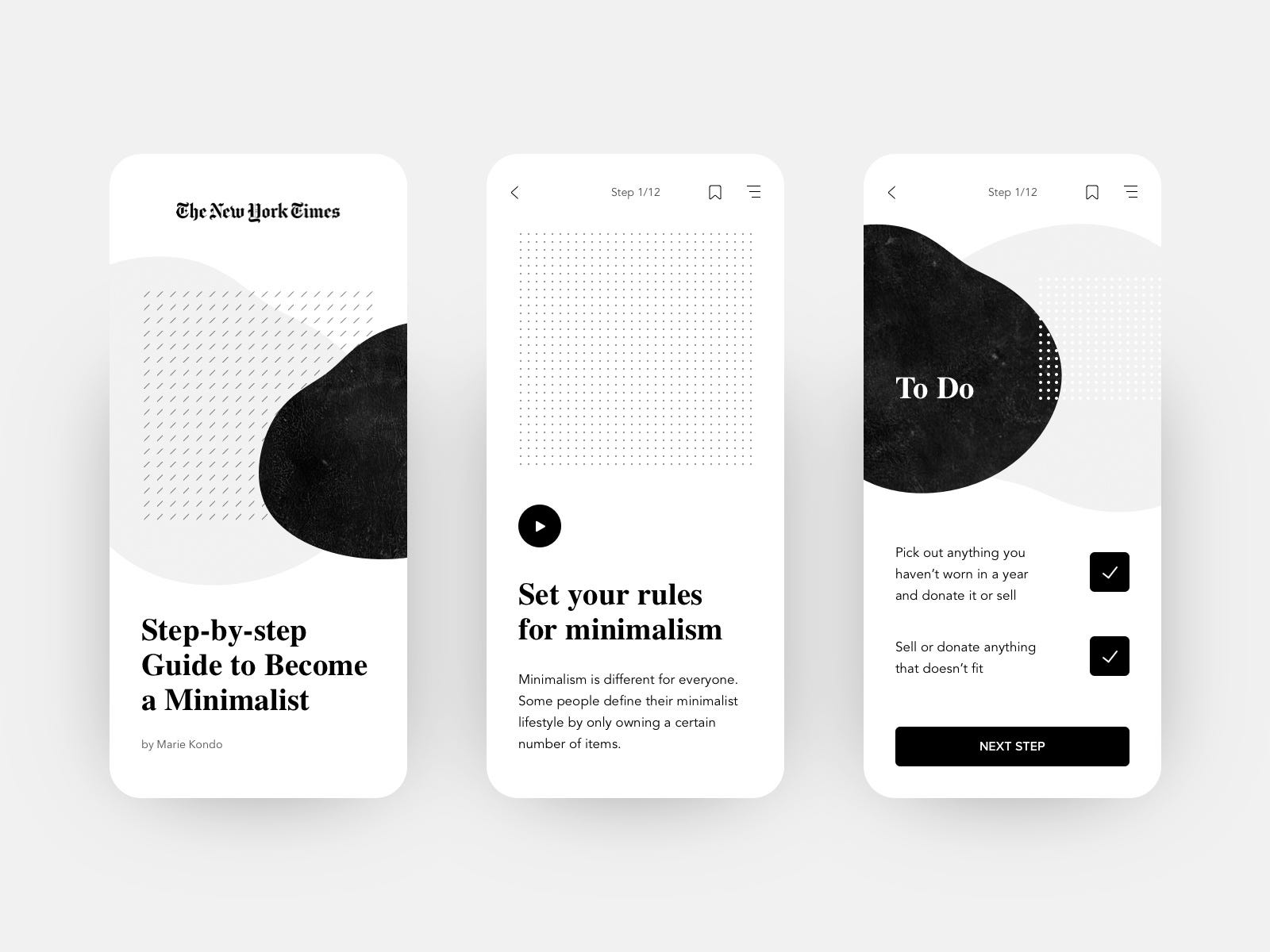
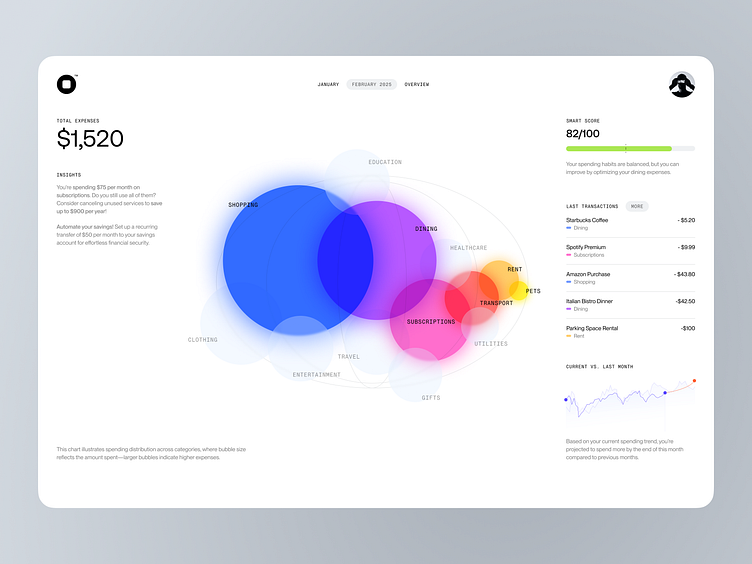
Visual design is one area where minimalism has an immediate and measurable impact on cognitive load. Simplicity in layout, typography, and color use helps users to quickly identify key elements and understand relationships between components. A minimalist interface avoids clutter, limits choices to what is necessary, and uses whitespace strategically to create visual breathing room. These design choices enhance comprehension, reduce distraction, and make navigation intuitive. For instance, in a minimalist dashboard, a user can focus on actionable metrics without being overwhelmed by decorative graphics or redundant information panels. The result is faster decision-making and lower mental fatigue.
Beyond digital design, minimalism extends to physical environments and workspaces. Research indicates that cluttered spaces can impede concentration and heighten stress responses, while clean, orderly settings promote focus and calm. A minimalist workspace emphasizes essential tools and removes unnecessary objects, allowing attention to be directed toward critical tasks. This principle can be applied in office design, laboratory settings, and home environments, where simplified layouts and consistent organizational patterns create mental clarity and improve task performance.
Minimalist frameworks also influence behavioral patterns and decision-making processes. By presenting fewer options and reducing unnecessary complexity, they help prevent choice overload, a psychological phenomenon in which too many options lead to indecision and dissatisfaction. In product design, for example, limiting available choices to essential features can improve user satisfaction and streamline interactions. In corporate decision-making, structured processes that eliminate redundant steps help participants focus on strategic priorities, enhancing efficiency and reducing stress.
Consistency is another hallmark of minimalist frameworks that lowers cognitive load. When systems follow predictable patterns, users do not need to expend mental energy on learning new conventions for every task. Repetition, uniform layouts, and coherent labeling create familiarity, enabling users to form mental models and anticipate outcomes. This predictability reduces cognitive friction, allowing individuals to navigate systems with confidence and ease. A minimalist approach, therefore, not only simplifies immediate interactions but also fosters long-term competence and mastery.
Furthermore, minimalism encourages intentionality and mindfulness in engagement. By reducing distractions and emphasizing essential elements, users are invited to interact thoughtfully rather than reactively. In educational settings, this can mean clearer presentation of core concepts and streamlined learning pathways. In professional environments, it translates to fewer interruptions, focused meetings, and more deliberate workflows. Across contexts, the principle of minimalism aligns with human cognitive architecture, supporting sustained attention, better memory retention, and improved problem-solving capabilities.
The benefits of a minimalist framework are reinforced by technological advancements that enable automation, adaptive interfaces, and smart content curation. Tools that intelligently prioritize information or highlight relevant features allow users to access what they need without unnecessary mental effort. For instance, predictive analytics and context-aware systems can present critical data at the right moment, reducing the cognitive burden of searching, filtering, or recalling information. By integrating minimalism with technology, designers can create environments that are both efficient and cognitively supportive.
However, implementing a minimalist framework requires careful consideration and balance. Excessive simplification may omit important information or constrain flexibility, while inadequate minimalism may fail to reduce cognitive load meaningfully. The key is to distinguish between essential and non-essential elements, prioritize functionality over aesthetics, and test designs iteratively to ensure usability. Feedback from users is critical, as it provides insights into how mental effort is distributed and where cognitive bottlenecks occur. Successful minimalist frameworks are dynamic, adapting to user needs and evolving contexts while maintaining clarity and focus.
In sum, minimalism is not merely an aesthetic choice; it is a strategic approach to reducing cognitive load and optimizing human performance. By emphasizing essential elements, eliminating redundancy, fostering consistency, and leveraging technology, minimalist frameworks create environments where users can process information efficiently, make decisions effectively, and engage deeply. The reduction of mental clutter supports clarity, reduces stress, and promotes sustained attention, ultimately enhancing both productivity and well-being. As modern life grows increasingly complex, adopting minimalist frameworks becomes not just a design preference but a practical necessity, empowering individuals and organizations to operate with focus, efficiency, and intentionality.
The impact of minimalism extends beyond functional efficiency to psychological and emotional domains. Simplified environments and processes encourage calm, reduce anxiety, and foster a sense of control over one’s surroundings. Cognitive resources are preserved for meaningful engagement, problem-solving, and creativity rather than expended on navigating unnecessary complexity. By lowering cognitive load, minimalist frameworks support a harmonious balance between capability and challenge, creating conditions where human potential can flourish.
Ultimately, embracing a minimalist framework is an investment in mental clarity and sustainable performance. Whether in digital interfaces, physical spaces, organizational processes, or daily routines, minimalism enables individuals to focus on what matters most, free from the distractions of clutter and complexity. It leverages the natural limitations of cognitive capacity as a guide for design, aligning environments and systems with human capabilities. In doing so, it transforms the experience of interaction from one of strain and overload to one of clarity, efficiency, and mindful engagement, illustrating the profound power of simplicity in a complex world.
By continuously refining and applying minimalist principles, designers, organizations, and individuals can create environments that respect cognitive limits while amplifying effectiveness. Minimalist frameworks offer a path to navigate complexity with confidence, sustain attention without exhaustion, and engage meaningfully without distraction. The approach underscores a fundamental truth: simplicity is not absence, but clarity; it is not limitation, but empowerment. In a landscape increasingly defined by information abundance and rapid change, minimalism stands as a guiding principle for cognitive well-being, productivity, and purposeful interaction.


Be First to Comment